


The timing of the event is not explicitly stated in the provided information, but as of June 9, 2026, the Jiangxi Ecological Environment Monitoring Center had completed a tender for instrument and equipment procurement worth RMB 74.19 million. The purchase focus on gas and liquid chromatography, online water quality monitoring systems, and AI-driven automatic analysis platforms makes this development relevant not only to environmental monitoring buyers, but also to instrument manufacturers, distributors, integration providers, and after-sales service teams watching demand patterns in China’s central and western markets.
What the procurement clearly includes
Based on the confirmed information provided, the Jiangxi Ecological Environment Monitoring Center completed a tender totaling RMB 74.19 million for instrument and equipment procurement. The confirmed procurement categories include gas chromatography, liquid chromatography, online water quality monitoring systems, and AI-driven automatic analysis platforms.
The project also places emphasis on domestic substitution and intelligent integration capability. The same information indicates that the tender reflects demand for instruments that combine high reliability, modular design, and remote operation and maintenance features.
Why multiple market participants are paying attention
Instrument suppliers are being measured on more than core detection performance
From an industry perspective, suppliers of chromatography systems and online monitoring equipment may be affected because the procurement focus is not limited to standalone hardware. Intelligent integration capability and remote serviceability suggest that equipment selection may increasingly depend on how well products fit into broader automated workflows.
Distributors may face a more targeted channel opportunity
The provided summary points to a precise cooperation window for overseas distributors. Analysis shows that this opportunity is likely tied to channel matching, product localization readiness, and the ability to support customers seeking alternatives in categories where reliability and long-term service support matter.
System integration and service teams may gain a larger role
Because the confirmed procurement includes AI-driven automatic analysis platforms alongside core instruments and online water quality systems, integration and service providers may see greater involvement in deployment, connectivity, commissioning, and remote maintenance arrangements rather than only one-time delivery.
End users and procurement teams may tighten practical evaluation standards
Observably, buyers in environmental monitoring are likely to pay closer attention to whether instruments can support modular expansion, stable operation, and remote maintenance in real operating environments. The signal here is less about a single device category and more about the usability of an integrated monitoring setup.
What companies should monitor next
Watch how automation requirements are expressed in follow-up procurement language
What deserves closer attention is whether future tender wording continues to stress intelligent integration, AI-enabled analysis, and remote operation and maintenance. For suppliers and channel partners, this affects not just product positioning but also bid preparation and technical documentation.
Focus on the categories named in the tender
The confirmed product focus is specific: gas chromatography, liquid chromatography, online water quality monitoring systems, and AI-driven automatic analysis platforms. Companies active in these categories should pay attention to how demand may evolve around bundled capability rather than isolated equipment supply.
Separate policy signaling from executable delivery requirements
Analysis shows that domestic substitution and intelligent integration are important signals, but companies still need to translate those signals into bid-ready qualifications, delivery planning, service commitments, and customer communication materials. The business impact depends on execution, not on slogans alone.
Prepare for stronger expectations on reliability and lifecycle support
For manufacturers, distributors, and service partners, the emphasis on high reliability, modularity, and remote maintenance means attention should extend to fulfillment cycles, service response models, and technical support readiness, especially when pursuing public-sector monitoring projects.
How this signal should be interpreted
Analysis shows that this development is better understood as a market signal than as proof of a fully settled competitive outcome. The confirmed facts show a meaningful procurement decision and a clear preference for automation-oriented and integration-capable equipment, but they do not by themselves establish how broadly or how quickly the same preference will translate across all related projects.
At the same time, it would be too narrow to treat this as only a one-off purchase update. Observably, the combination of domestic substitution, online monitoring, and AI-supported analysis points to a purchasing logic that many industry participants will want to track closely, especially in environmental monitoring applications where equipment uptime and maintainability directly affect long-term use.
A practical reading of the tender’s significance
The most balanced reading is that the Jiangxi procurement highlights a concrete shift in buyer attention toward automated, integrated, and serviceable monitoring instruments. For the industry, the significance lies less in headline value alone and more in the type of capabilities being prioritized.
It is more appropriate to understand this as an important directional indicator that deserves continued observation. It suggests a real purchasing preference, but the broader market meaning will depend on whether similar requirements continue to appear in subsequent public procurement and channel activity.
Basis of this article
This article is generated from the user-provided news title, event timing note, and event summary. The specific official source link was not provided in the input, so continued verification is still necessary.
For this type of industry update, commonly relevant source categories may include official procurement announcements, institutional notices, company disclosures, industry association information, authoritative media reporting, and standard-related documents. The main follow-up point to watch is whether future procurement language continues to emphasize domestic substitution, intelligent integration, modular architecture, and remote maintenance capability.


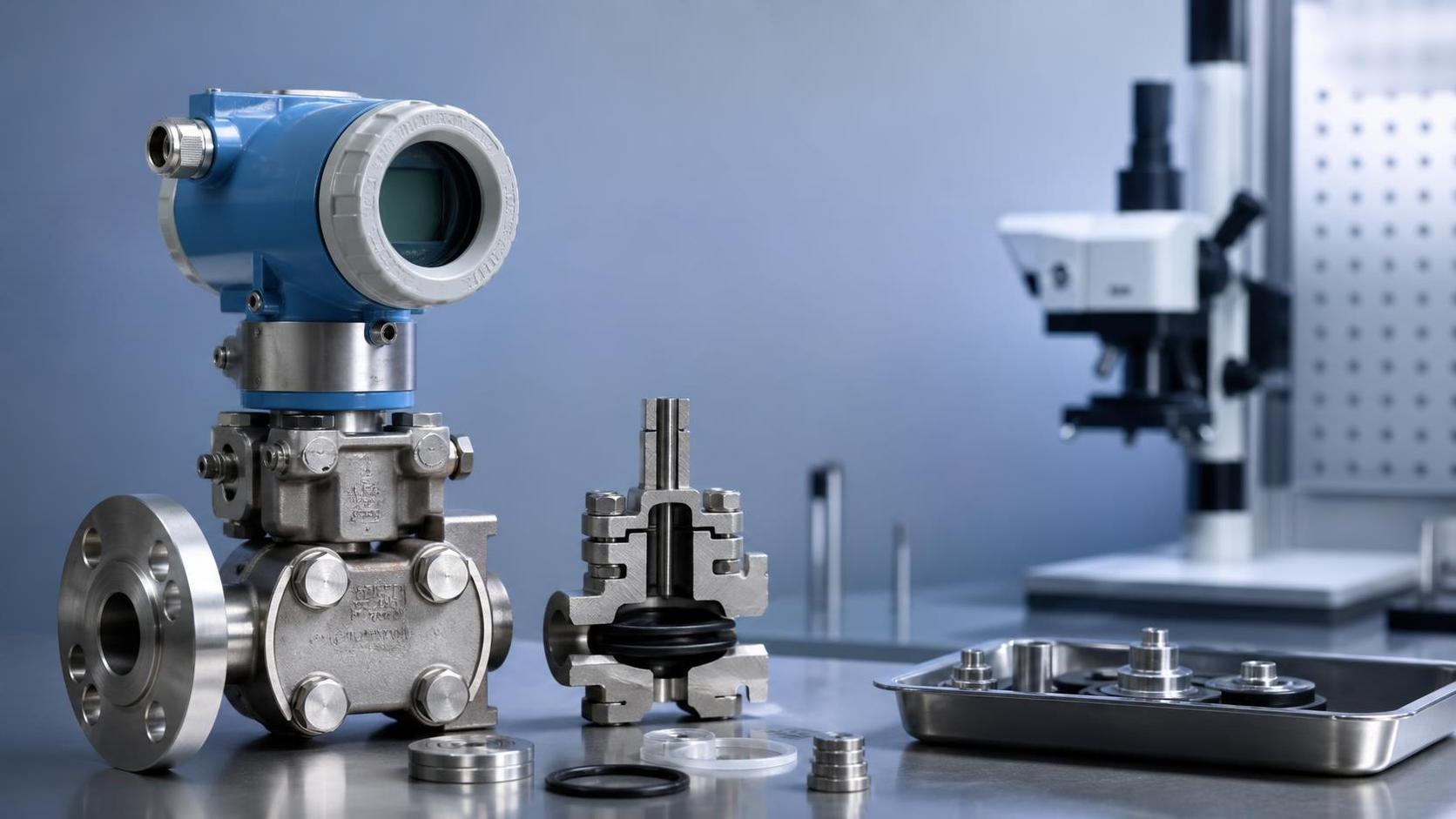
 EU REACH Annex XVII Update Bars Imports of Instruments Using Nickel-Containing Seals from 2027EU REACH Annex XVII update will bar imports of instruments using nickel-containing seals from 2027. Learn how this affects pressure transmitters, control valves, analyzers, testing, and compliance planning.
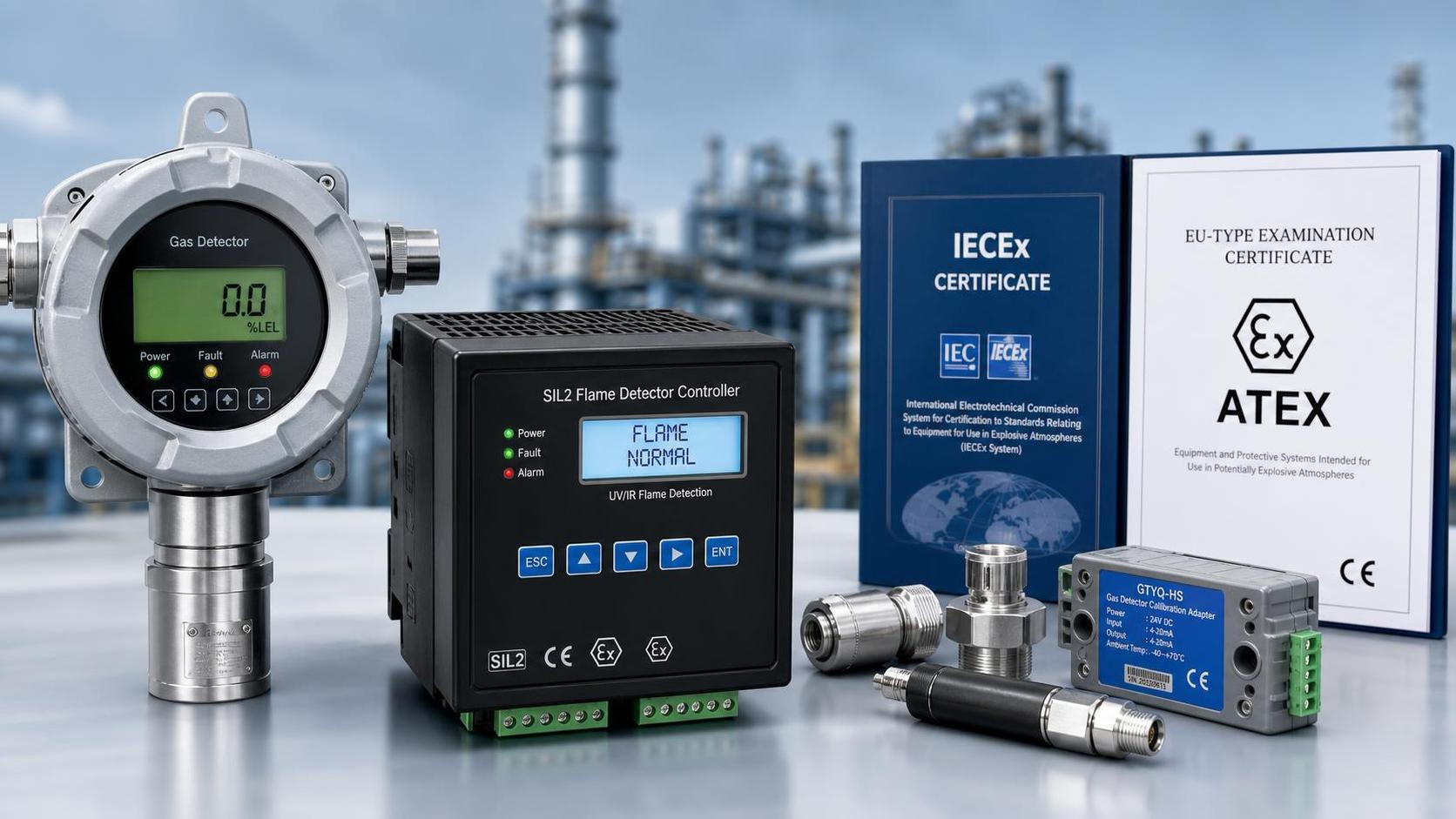
 MICONEX 2026 Signals Higher ATEX, IECEx ScrutinyMICONEX 2026 spotlights ATEX and IECEx scrutiny for gas detectors and SIL2 fire controllers, highlighting certification, calibration, and export-ready service needs.
 MICONEX 2026 Opens in Hefei as Chinese Safety Devices Draw Overseas BuyersMICONEX 2026 highlights Chinese industrial safety monitoring equipment as overseas buyers focus on IEC 61508 SIL2 intelligent gas detection systems for higher-end global projects.
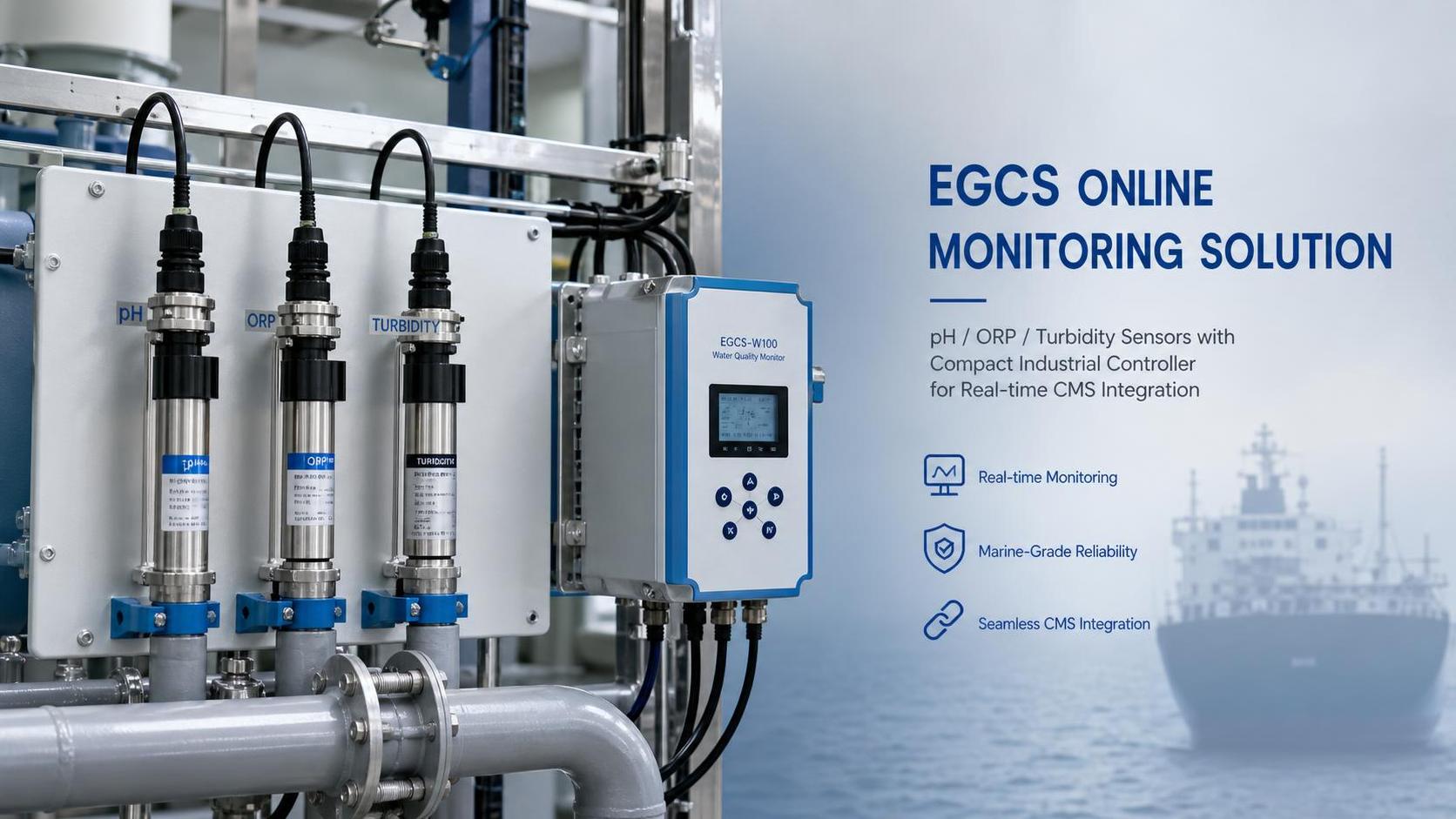
 IMO Updates EGCS Monitoring Guidance for 2026IMO updates EGCS monitoring guidance for 2026, highlighting pH, ORP and turbidity compliance, CMS connectivity, and ISO 17025 traceability for maritime buyers.
 Saudi SASO Rule Adds Arabic UI and EMI Test DutySaudi SASO rule update: Arabic UI and IEC 61326-2-3 EMI testing will become mandatory for environmental monitoring instruments from Nov 1, 2026. See key export and compliance impacts.
 SASO Tightens Cyber Rules for Monitoring ImportsSASO tightens cyber rules for monitoring imports in Saudi Arabia. Learn how IEC 62443-3-3 certification and SASO-recognized penetration testing will reshape environmental monitoring equipment access.
Chat Online