


On June 14, 2026, China Customs put a new smart classification tool for instrument and meter exports into operation across ports nationwide. The update matters because HS code filing sits at the center of customs clearance, trade documentation, delivery timing, and classification risk control. For exporters, manufacturers, compliance teams, customs brokers, and procurement functions handling technical products, the launch is worth close attention as a practical change in how classification work may now be supported at the point of declaration.
What the rollout confirms
According to the provided information, the General Administration of Customs of China officially launched the "Smart Classification Assistant" for instrument and meter exports across ports nationwide on June 14, 2026.
The system covers more than 98% of instrument sub-categories, including online water quality analyzers, explosion-proof pressure transmitters, and medical gas analysis modules.
It supports multilingual input and reverse matching based on typical application scenarios.
In its first week of operation, the first-pass accuracy rate of HS code declarations reached 98.2%, which was 23 percentage points higher than manual declaration. The same information states that the system significantly shortened export clearance time and reduced the risk of classification disputes.
Where the operational impact may appear first
For exporters handling technical product declarations
Analysis shows that exporters of instruments are the most directly affected group because HS classification determines how goods are described and submitted at customs. Where product lines span multiple technical uses or configurations, a tool that matches codes against application scenarios may influence how declaration teams prepare product descriptions, technical sheets, and filing language. What deserves closer attention is whether internal classification workflows, document review steps, and broker coordination now need to align more closely with the logic used by the new system.
For manufacturers supporting overseas shipments
From an industry perspective, manufacturers may feel the effect through pre-shipment documentation and product data management rather than through customs filing alone. Products such as online water quality analyzers, explosion-proof pressure transmitters, and medical gas analysis modules often require precise technical descriptions. If customs classification is increasingly supported by structured digital matching, manufacturers may need to make sure technical specifications, model descriptions, and application statements are consistent across commercial and compliance documents.
For customs service and supply chain coordination teams
Observably, customs brokers, logistics coordinators, and supply chain service providers may see changes in the pace and quality of declaration preparation. Higher first-pass accuracy can reduce rework related to code corrections and classification disputes, but it can also raise expectations for cleaner supporting files at the start of the process. The practical focus is likely to shift toward document completeness, terminology consistency, and faster exception handling when a product does not fit a standard scenario.
For buyers and procurement functions with delivery-sensitive orders
Analysis shows that procurement teams and overseas buyers may not interact with HS coding directly, yet they can still be affected through shipment scheduling and delivery reliability. If declaration accuracy improves and clearance time shortens, the benefit may appear in execution efficiency. At the same time, buyers sourcing regulated or technically specialized instrument products may need to pay more attention to the accuracy of product descriptions in purchase documents, because inconsistencies between procurement files and export declarations can still create friction.
What companies should watch in current practice
Check whether product documents are classification-ready
It is more appropriate to understand this launch as a signal that technical product descriptions may face more structured review at the declaration stage. Companies should therefore pay attention to whether product names, specifications, functions, and use-case descriptions are consistent across internal records, shipping documents, and supporting technical files.
Follow how scenario-based matching is reflected in filing work
The provided information confirms that the tool supports reverse matching through typical application scenarios. Analysis shows that this feature may matter most for products whose classification depends not only on product form but also on stated use. Companies should watch how declaration teams and service providers describe operating or application scenarios in practice, while avoiding assumptions beyond the confirmed information.
Pay closer attention to multilingual filing consistency
Because the system supports multilingual input, firms involved in cross-border sales, overseas documentation, or multilingual tender materials should review whether translated product descriptions remain consistent with the terminology used in customs declarations. This is especially relevant where commercial documents, technical brochures, and compliance records are prepared by different teams.
Monitor follow-up execution signals rather than assuming a final settled standard
The current information confirms the launch and the early performance outcome, but it does not provide detailed implementation guidance, formal interpretation rules, or product-by-product operating criteria. For that reason, companies should continue watching for later official wording, execution practices, and any changes in how supporting documents, technical reports, or filing explanations are expected in real transactions.
Why this looks like an execution signal, not just a digital tool update
Observably, this development is more than a software deployment story because HS classification affects compliance, customs timing, and dispute exposure in day-to-day export operations. From an industry perspective, the notable point is not only the reported 98.2% first-pass accuracy, but also the fact that customs-side classification support is becoming more standardized and more operationally embedded for a broad share of instrument categories.
At the same time, analysis shows that the market should be careful not to overread the event. The available information does not establish a new published tariff rule, a revised product standard, or a fully described enforcement framework. It is more appropriate to understand this as a concrete execution signal: classification support at the customs interface is becoming more systematized, and firms should watch how that changes documentation discipline and filing expectations in practice.
How the sector may best read this development now
At this stage, the launch can be read as a practical customs execution change with direct implications for export filing quality, clearance efficiency, and classification risk management in the instrument sector. The confirmed facts suggest that the tool has already entered real use and produced an early improvement in first-pass declaration accuracy.
A neutral reading is therefore appropriate: this is not simply a general policy headline, but neither is it yet a fully defined end-state for all filing practices. For industry participants, the most reasonable approach is to treat it as an implemented operational signal and continue tracking how it affects documentation standards, workflow alignment, and day-to-day customs practice.
Basis of this article and points for further verification
This article is generated from the user-provided news title, event date, and event summary. It does not rely on any additional unverified facts, policy numbers, company examples, market figures, or external links.
For events of this kind, relevant source types commonly include official notices, releases from regulatory authorities, customs or trade administration information, industry association updates, standard-setting documents, and reporting by established media. However, no specific official source link was provided in the input, so the exact official publication path still requires follow-up verification.
What still needs continued observation includes any later detailed guidance, execution wording, classification interpretation practices, changes in tender or trade documentation, industry feedback, and how companies implement the new process in actual export operations.


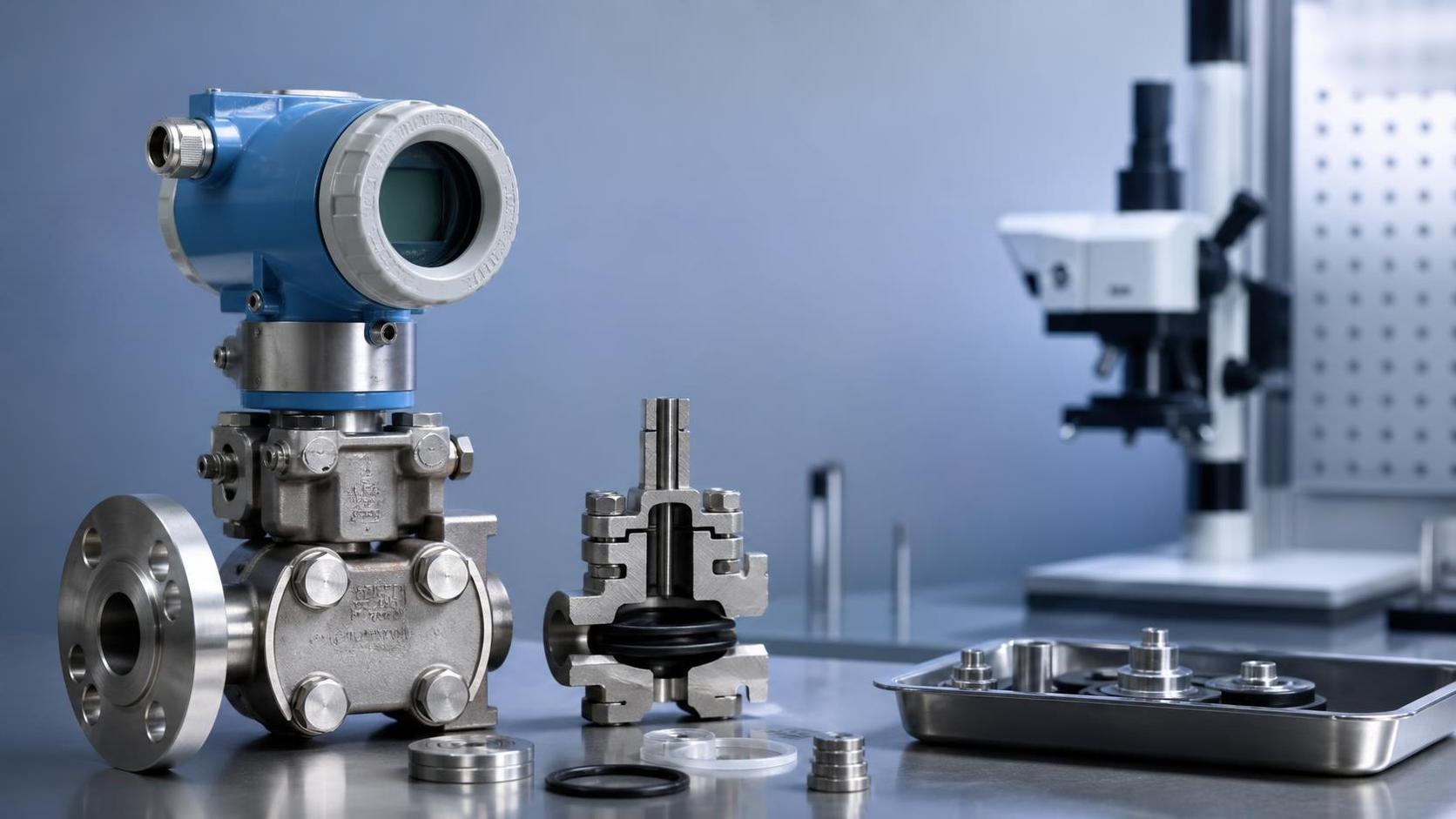
 EU REACH Annex XVII Update Bars Imports of Instruments Using Nickel-Containing Seals from 2027EU REACH Annex XVII update will bar imports of instruments using nickel-containing seals from 2027. Learn how this affects pressure transmitters, control valves, analyzers, testing, and compliance planning.
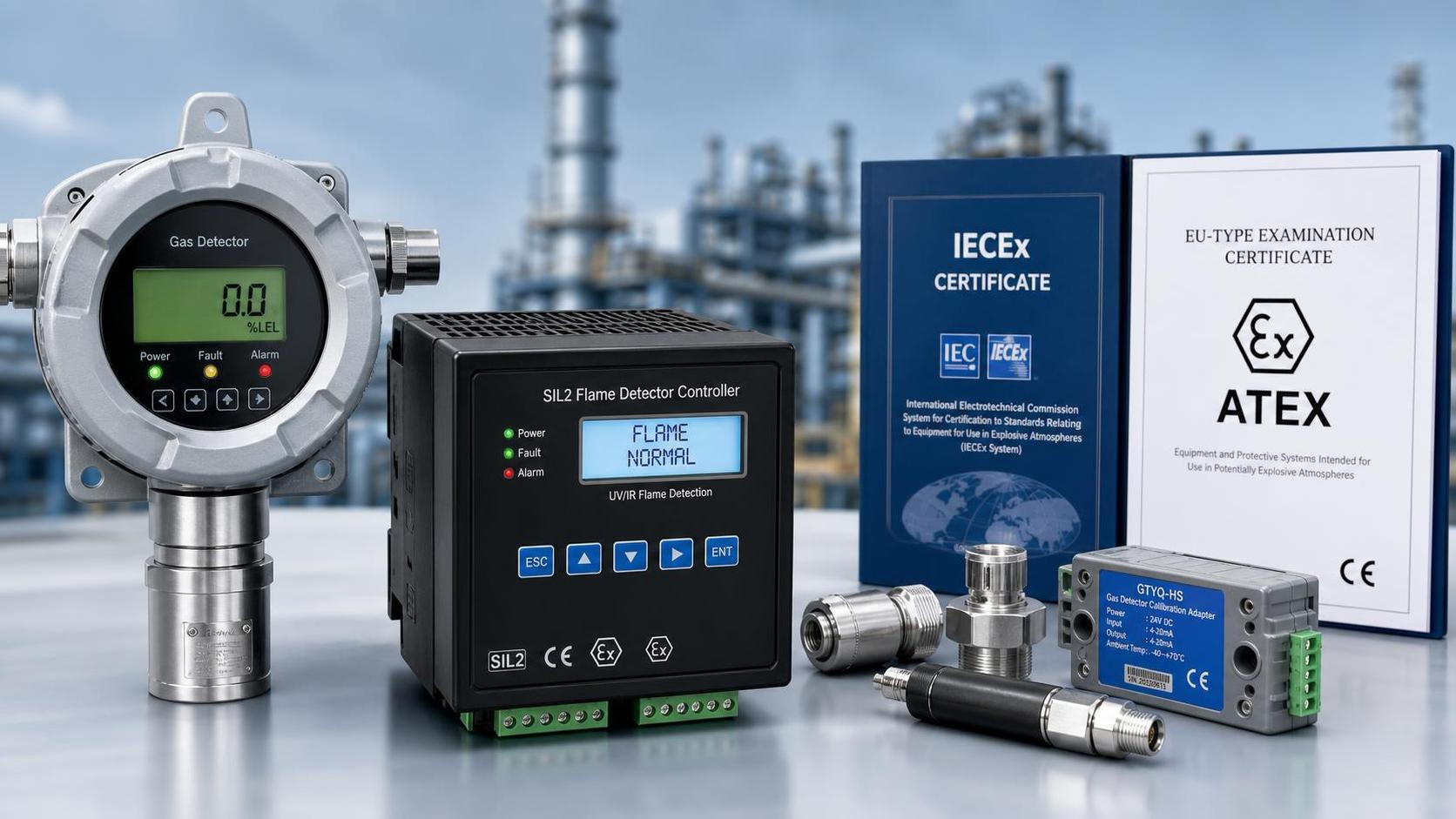
 MICONEX 2026 Signals Higher ATEX, IECEx ScrutinyMICONEX 2026 spotlights ATEX and IECEx scrutiny for gas detectors and SIL2 fire controllers, highlighting certification, calibration, and export-ready service needs.
 MICONEX 2026 Opens in Hefei as Chinese Safety Devices Draw Overseas BuyersMICONEX 2026 highlights Chinese industrial safety monitoring equipment as overseas buyers focus on IEC 61508 SIL2 intelligent gas detection systems for higher-end global projects.
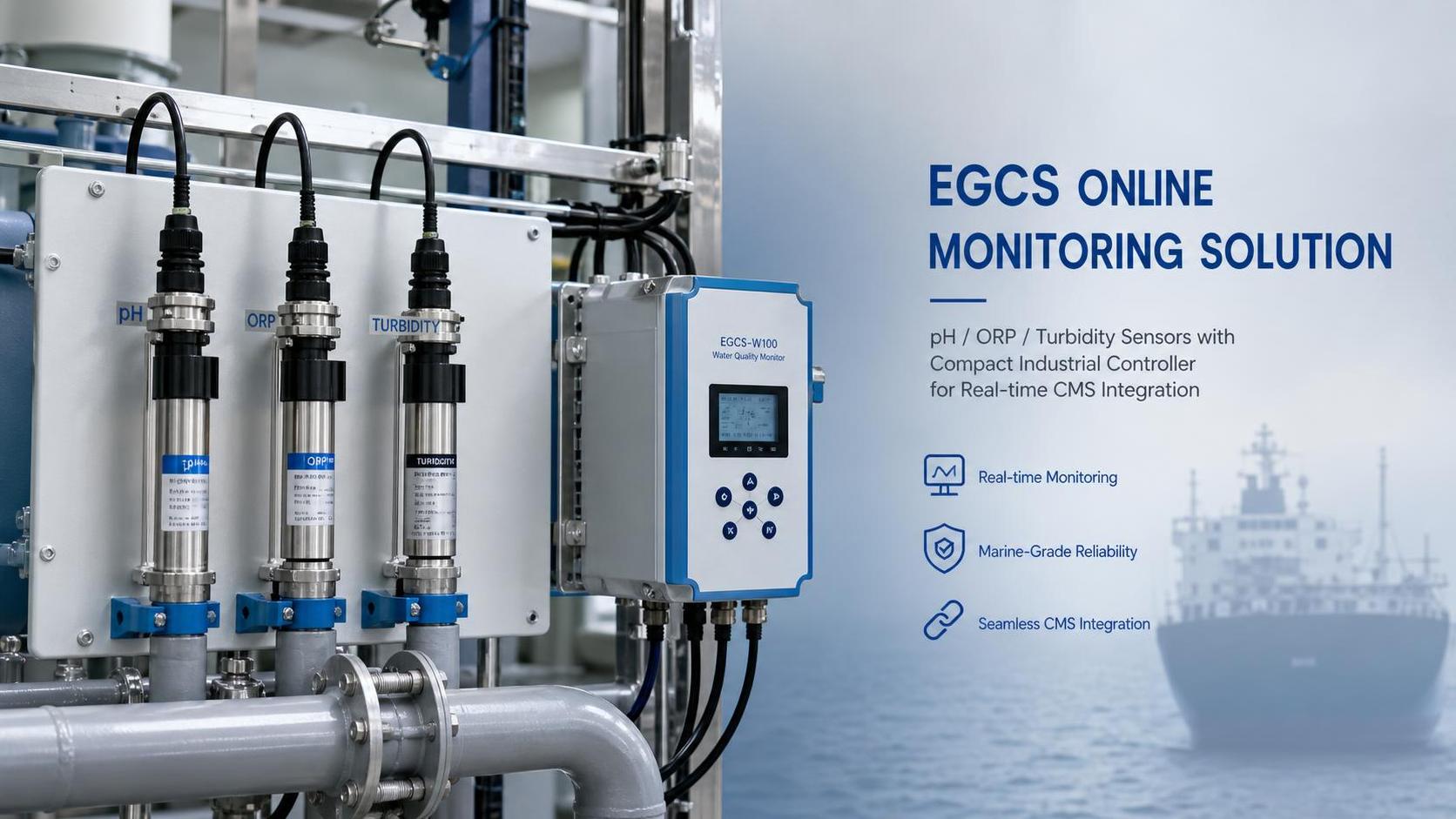
 IMO Updates EGCS Monitoring Guidance for 2026IMO updates EGCS monitoring guidance for 2026, highlighting pH, ORP and turbidity compliance, CMS connectivity, and ISO 17025 traceability for maritime buyers.
 Saudi SASO Rule Adds Arabic UI and EMI Test DutySaudi SASO rule update: Arabic UI and IEC 61326-2-3 EMI testing will become mandatory for environmental monitoring instruments from Nov 1, 2026. See key export and compliance impacts.
 SASO Tightens Cyber Rules for Monitoring ImportsSASO tightens cyber rules for monitoring imports in Saudi Arabia. Learn how IEC 62443-3-3 certification and SASO-recognized penetration testing will reshape environmental monitoring equipment access.
Chat Online