


CISILE 2026 closed on June 18, 2026, and the exhibition data is notable not simply as a product update, but as a signal that technical specifications, communication compatibility, and certification readiness are becoming more closely tied to procurement and market-entry requirements in smart water projects. For manufacturers of water meters, flow meters, and water quality sensors, as well as buyers, exporters, certification service providers, and supply chain partners, the development deserves attention because it points to practical changes in how products may be screened, documented, and delivered for overseas smart water network upgrades.
What the exhibition data confirms
The 23rd China International Scientific Instrument and Laboratory Equipment Exhibition, CISILE 2026, concluded on June 18, 2026. According to exhibition data, 42% of exhibiting manufacturers in water meters, flow meters, and water quality sensors had already mass-produced smart water instruments supporting NB-IoT, LoRa, and dual-mode M-BUS communication. The same exhibition data showed that more than 70% of those products had obtained CE-MID and ANSI C12.20 certification. The trend was presented as evidence that China’s supply chain is accelerating alignment with smart water network upgrade procurement demand in Europe, the Middle East, and Latin America.
Why procurement and compliance teams may read this as a market signal
Specification alignment is moving closer to the front of supplier selection
From an industry perspective, suppliers offering communication options such as NB-IoT, LoRa, and dual-mode M-BUS may face more direct scrutiny during pre-bid review and technical qualification. The likely impact is not limited to product design; it can also extend to technical datasheets, bid-response materials, interface descriptions, and proof that the device configuration matches project communication requirements.
Certification readiness may affect export and delivery workflows
For exporters and manufacturers serving overseas projects, the reported share of products carrying CE-MID and ANSI C12.20 suggests that certification is increasingly relevant to commercial access and delivery confidence. What deserves closer attention is whether buyers begin treating certification status not as a later-stage add-on, but as part of the initial procurement filter, document review, or supplier approval process.
Supply chain service providers may need tighter document coordination
For inspection, logistics, and trade support providers, a higher concentration of certified and communication-ready instruments can change the practical workload around document completeness. The business impact may appear in model verification, report matching, product traceability files, and shipment preparation, especially where technical and certification documents must remain consistent across contracts, delivery batches, and after-sales records.
After-sales and service partners may see higher expectations on traceability
Observably, once communication capability and certification status become more visible in purchasing decisions, service partners may also need clearer records for product versions, communication configurations, and compliance files. This does not confirm a new mandatory rule on its own, but it does indicate that post-delivery support may become more dependent on accurate technical and certification documentation.
What companies should watch next in practical terms
Review certification and technical file consistency
Analysis shows that companies involved in smart water instruments should pay close attention to whether certification files, product specifications, and commercial materials are fully aligned. Where overseas procurement increasingly references communication functions and certification status together, inconsistency between reports, labels, manuals, and bid documents can become a commercial risk even before shipment.
Track how buyers express communication requirements
It is more appropriate to understand this stage as a signal to watch tender language and technical requirement wording more closely. Enterprises should monitor whether buyers begin to describe NB-IoT, LoRa, or M-BUS compatibility as a preferred feature, a specification baseline, or a qualification condition in procurement documents, because that distinction affects product positioning and bidding strategy.
Prepare for closer checks on supplier qualification and delivery evidence
Manufacturers, exporters, and procurement teams should also pay attention to how supplier credentials are presented during contracting and delivery. Relevant materials may include test reports, certification evidence, technical datasheets, product configuration descriptions, and records that support quality traceability. The current information does not establish a single execution standard, but it clearly points to a stronger need for document discipline.
Watch execution signals rather than assume a uniform rule change
Observably, the exhibition data shows market alignment, but it does not by itself define one unified regulatory change across all destinations or projects. Companies should therefore watch for follow-up signals in certification practice, procurement specifications, and project-level document requirements instead of assuming that all buyers will apply identical thresholds immediately.
How this development is best interpreted at this stage
Analysis shows that this update is better read as an execution signal from the market than as proof of a newly published rule. The combination of mass-produced communication-enabled instruments and a high share of certification-ready products suggests that suppliers are responding to clearer compliance and procurement expectations in external markets. At the same time, the available facts do not show a single new regulation, a unified enforcement timeline, or a confirmed change in every procurement framework. That is why ongoing attention to certification interpretation, bid documentation, and buyer-side specification language remains important.
A measured takeaway for the industry
The most reasonable conclusion is that CISILE 2026 highlights a practical shift in how smart water instrument suppliers are positioning themselves for cross-border procurement: communication compatibility and certification preparedness are becoming more visible in market access and delivery discussions. For industry participants, this is less a standalone news point than a sign that compliance, technical alignment, and documentation quality may increasingly shape competitiveness in smart water projects. At the current stage, it is more appropriate to understand the event as a strong market signal with operational implications, while continuing to observe how specific procurement and compliance requirements are expressed in execution.
Basis of this article and what still needs verification
This article is generated based on the user-provided news title, event date, and event summary. For developments of this type, commonly relevant source categories may include official announcements, regulator publications, customs or trade authority information, industry association updates, standards organization documents, and reporting by established industry media. No specific official source link was provided in the input, so the exact official reference path still requires further verification. What still needs ongoing observation includes later policy detail, certification interpretation in practice, changes in tender documents, market feedback, and how enterprises implement these requirements in actual delivery and export workflows.


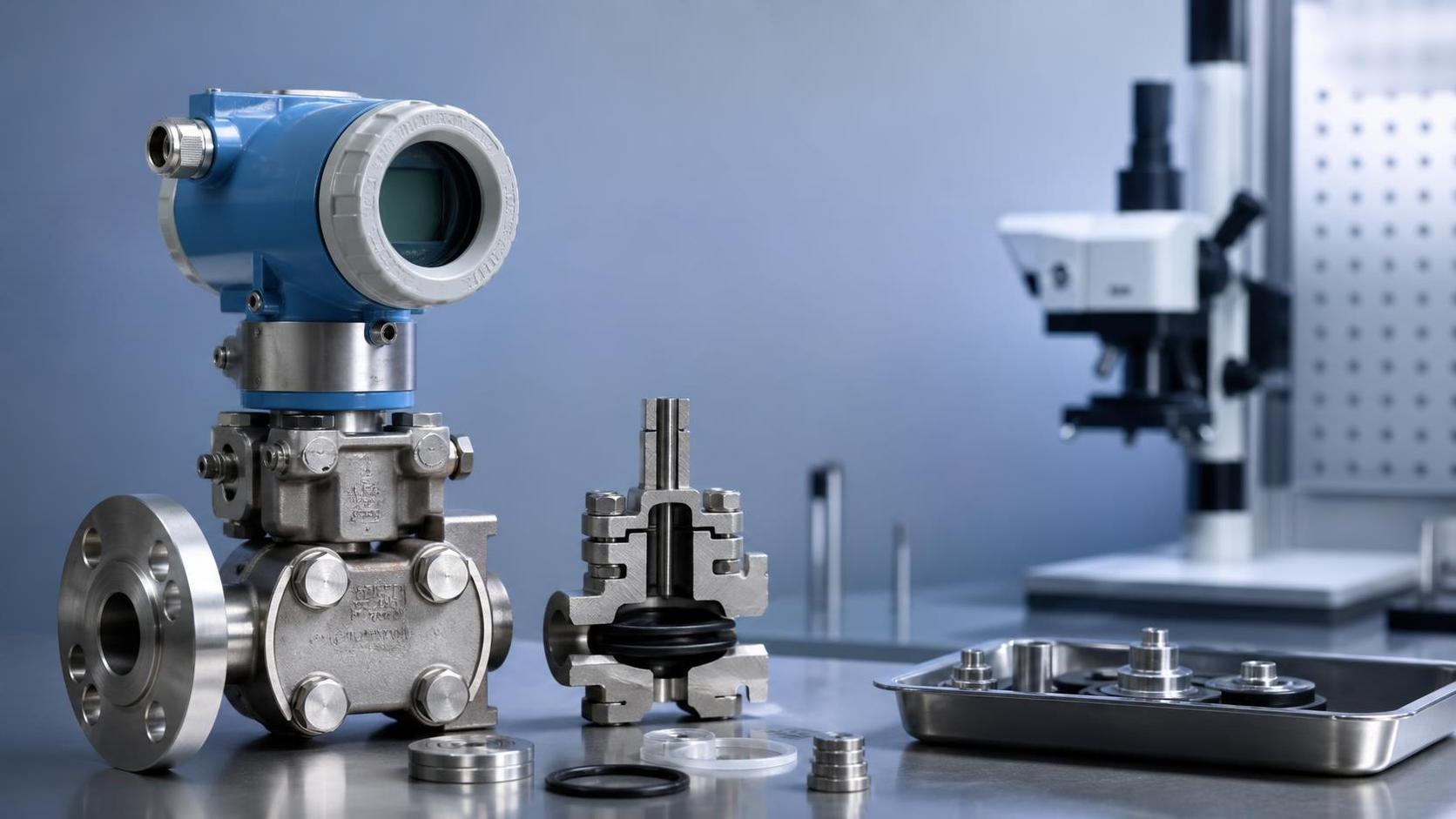
 EU REACH Annex XVII Update Bars Imports of Instruments Using Nickel-Containing Seals from 2027EU REACH Annex XVII update will bar imports of instruments using nickel-containing seals from 2027. Learn how this affects pressure transmitters, control valves, analyzers, testing, and compliance planning.
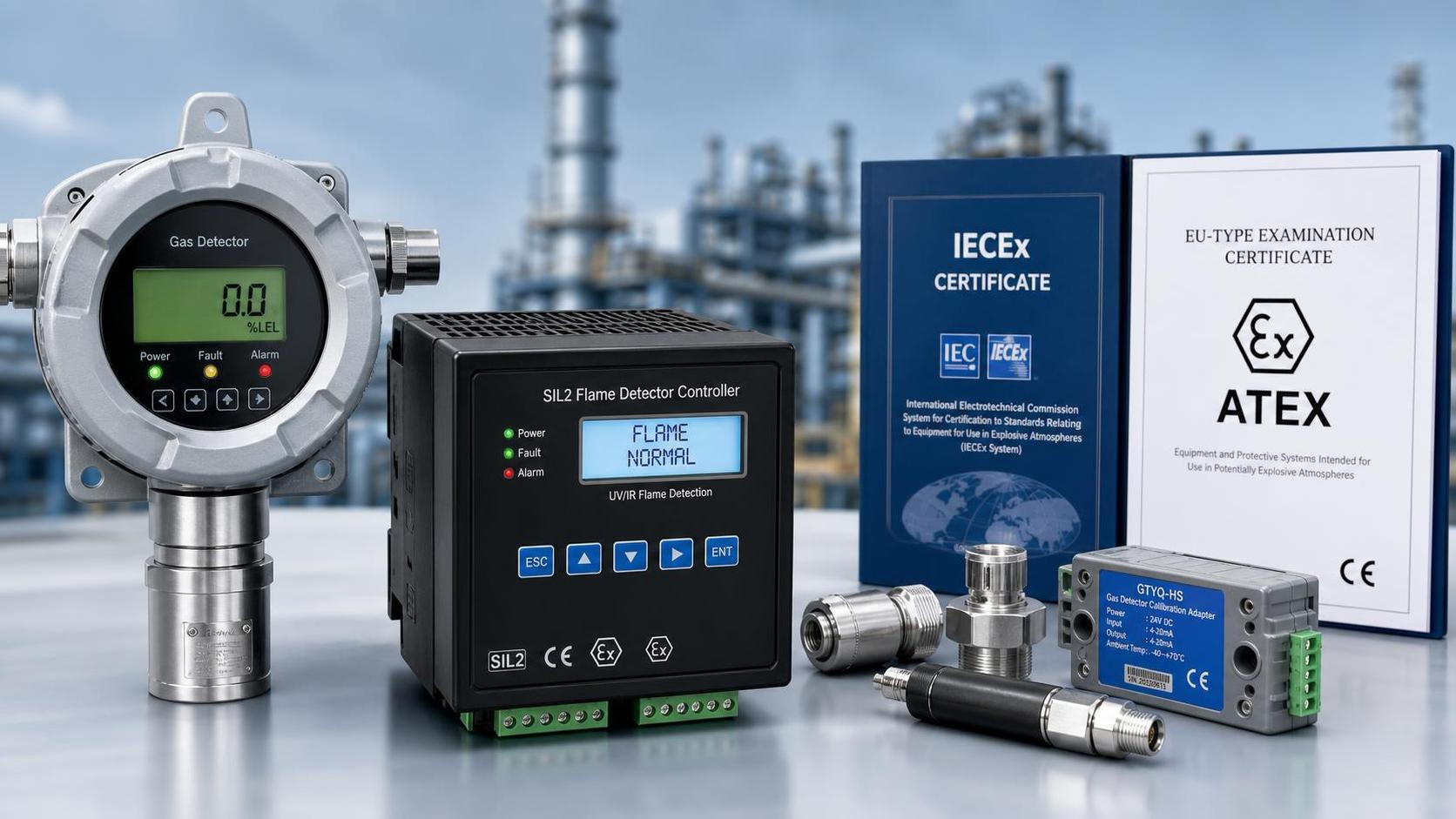
 MICONEX 2026 Signals Higher ATEX, IECEx ScrutinyMICONEX 2026 spotlights ATEX and IECEx scrutiny for gas detectors and SIL2 fire controllers, highlighting certification, calibration, and export-ready service needs.
 MICONEX 2026 Opens in Hefei as Chinese Safety Devices Draw Overseas BuyersMICONEX 2026 highlights Chinese industrial safety monitoring equipment as overseas buyers focus on IEC 61508 SIL2 intelligent gas detection systems for higher-end global projects.
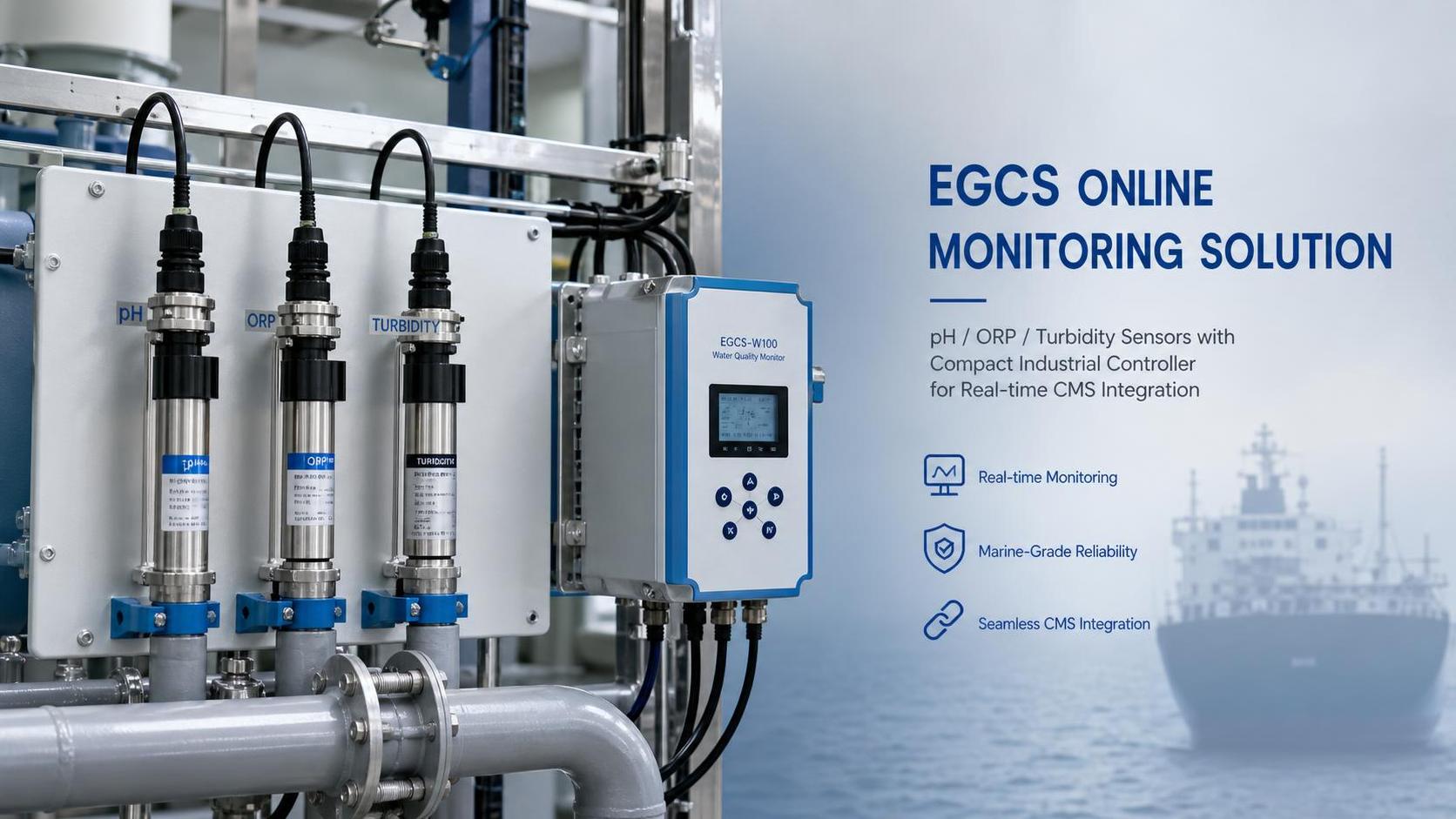
 IMO Updates EGCS Monitoring Guidance for 2026IMO updates EGCS monitoring guidance for 2026, highlighting pH, ORP and turbidity compliance, CMS connectivity, and ISO 17025 traceability for maritime buyers.
 Saudi SASO Rule Adds Arabic UI and EMI Test DutySaudi SASO rule update: Arabic UI and IEC 61326-2-3 EMI testing will become mandatory for environmental monitoring instruments from Nov 1, 2026. See key export and compliance impacts.
 SASO Tightens Cyber Rules for Monitoring ImportsSASO tightens cyber rules for monitoring imports in Saudi Arabia. Learn how IEC 62443-3-3 certification and SASO-recognized penetration testing will reshape environmental monitoring equipment access.
Chat Online