


On May 28, 2026, the European Commission opened a formal review under the Foreign Subsidies Regulation (FSR) into JD.com’s proposed €2.2 billion acquisition of Ceconomy, a deal involving the MediaMarkt and Saturn distribution network. For industrial instruments, automation equipment, and other B2B products that may rely on European channel access, this is not only a merger case but also a compliance signal: subsidy-related scrutiny may begin to affect how products reach the EU market through distribution structures, and exporters using established European sales networks now face a new variable in supply-chain and market-entry planning.
What has been confirmed so far
The review was initiated on May 28, 2026 by the European Commission under the FSR. According to the provided event summary, this is the first formal review launched by the Commission into a transaction involving a Chinese company under that regulation. The case concerns JD.com’s acquisition of Germany-based electronics retail group Ceconomy for €2.2 billion, including the MediaMarkt and Saturn channel network. The stated focus of the review is whether support such as preferential financing and tax incentives from the Chinese government may distort competition in the EU market. A decision is expected by October 2. The provided summary also states that, if a violation is found, the ruling could restrict the use of this channel for entry of B2B products including industrial instruments and automation equipment into the EU market.
Why the issue matters beyond the transaction itself
Exporters using European distribution networks may face a new compliance checkpoint
From an industry perspective, companies that sell industrial instruments or automation equipment into Europe through third-party distribution systems should pay attention because the potential impact is not limited to ownership change. If access to a channel becomes subject to subsidy-related scrutiny, exporters may need to reassess whether their route to market remains stable, especially where sales depend on an established European retail or distribution platform.
The main business impact may appear in channel selection, contract continuity, delivery planning, and market-access timing. What deserves closer attention is whether customers, distributors, or procurement teams begin asking for more clarity around transaction-related compliance risk, even before any final ruling is published.
Channel operators and distributors may need closer review of product flow and risk exposure
For channel and circulation businesses, the issue is not only commercial but procedural. If a distribution network becomes part of an FSR review context, affected parties may need to watch for changes in internal review standards, partner qualification checks, or product intake decisions. This is especially relevant for B2B categories identified in the event summary, including industrial instrumentation and automation equipment.
Analysis shows that the practical pressure point may lie in whether distribution partners adjust onboarding, documentation review, or acceptance criteria for suppliers whose EU sales depend on that network. At this stage, that remains a risk to monitor rather than a confirmed execution outcome.
Procurement and delivery teams may need to prepare for route changes
For buyers, sourcing teams, and supply-chain service providers, the case introduces uncertainty around continuity of channel-based delivery into the EU. If a final decision were to impose restrictions, procurement plans tied to a specific European sales or distribution path could require adjustment. That may affect order scheduling, channel allocation, and after-sales coordination.
Observably, the most immediate concern is not a confirmed disruption today, but the need to identify where delivery commitments rely too heavily on one European network and whether alternative routing or partner structures should be prepared in advance.
What companies should watch before the October decision
Track official wording rather than rely on market interpretation
The current stage is a formal review, not a final enforcement result. Companies should therefore focus on official wording around the scope of the FSR review, the nature of the concerns being examined, and the content of the eventual decision. It is more appropriate to understand this as a live regulatory process whose practical consequences still depend on the final ruling.
Review channel dependence in sensitive product categories
Businesses dealing in industrial instruments, automation equipment, or related B2B products should identify whether EU sales are materially dependent on the Ceconomy-related network mentioned in the event summary. If so, the immediate task is not to assume a ban or restriction, but to map where commercial exposure exists across distribution, warehousing, customer delivery, and service support.
Prepare documentation for customer and partner due diligence
Analysis shows that commercial partners may become more cautious during the review period. Exporters and suppliers may therefore benefit from organizing trade documents, technical files, delivery records, and partner-facing compliance materials so they can respond consistently if distributors or buyers request additional clarification. This does not mean new mandatory documentation has already been imposed; it means the review may raise the practical importance of document readiness.
Watch for knock-on changes in procurement and tender language
What deserves closer attention is whether customers, channel partners, or procurement teams begin adjusting tender documents, supplier qualification language, or commercial terms in response to the ongoing review. The provided information does not confirm such changes have occurred, so this should be treated as a watchpoint rather than an established market shift.
How this should be read at the current stage
Observably, this development is best read as an enforcement signal rather than a completed rule outcome for the wider industrial sector. The confirmed fact is that the European Commission has opened a formal FSR review into a Chinese transaction and that the case could affect access to a major European channel network if the ruling finds distortion. The unconfirmed part is how broadly any eventual decision would be felt in day-to-day market practice for industrial product exporters.
From an industry perspective, the significance lies in the direction of scrutiny. The case suggests that channel access, distribution structure, and subsidy-related compliance may no longer be treated as separate issues in cross-border business planning. Even without a final decision yet, exporters that rely on European networks for market entry may need to start treating transaction-linked regulatory review as part of sales risk management.
A regulatory signal with supply-chain implications
This case does not yet establish a final restriction, but it does mark a practical point of attention for companies selling into Europe through established distribution channels. For industrial instruments and automation-related exports, the more reasonable interpretation today is that the market is seeing an execution signal under the FSR, with possible implications for channel compliance, procurement planning, and delivery arrangements if the final ruling is adverse.
A measured conclusion is therefore appropriate: the event should not be overstated as an immediate market closure, but it should not be treated as a routine merger review either. Until the October 2 decision is published, businesses have reason to monitor official updates closely and assess how dependent their EU sales model is on affected distribution routes.
Basis of this article and what still needs verification
This article is based on the user-provided news title, event date, and event summary. For developments of this type, commonly relevant source categories may include official announcements from regulatory authorities, trade or market supervision releases, industry association updates, standard-setting documents, and reporting by authoritative media. A specific official source link was not provided in the input, so the underlying source trail still needs to be verified on an ongoing basis.
Further observation is still needed on the final decision text expected by October 2, any later execution guidance, possible changes in channel compliance practice, procurement or tender wording, and broader market feedback from exporters, distributors, and downstream buyers.


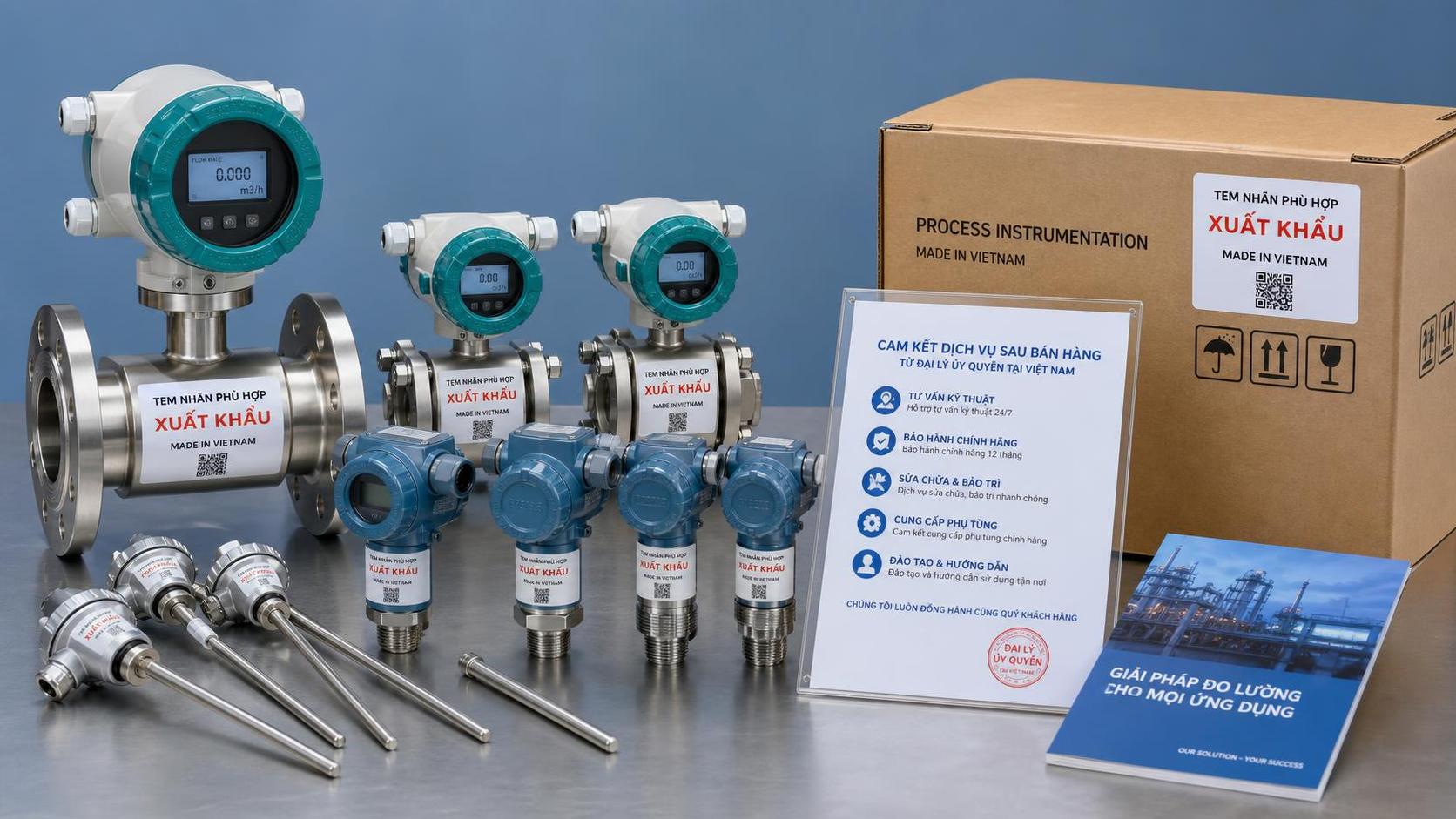
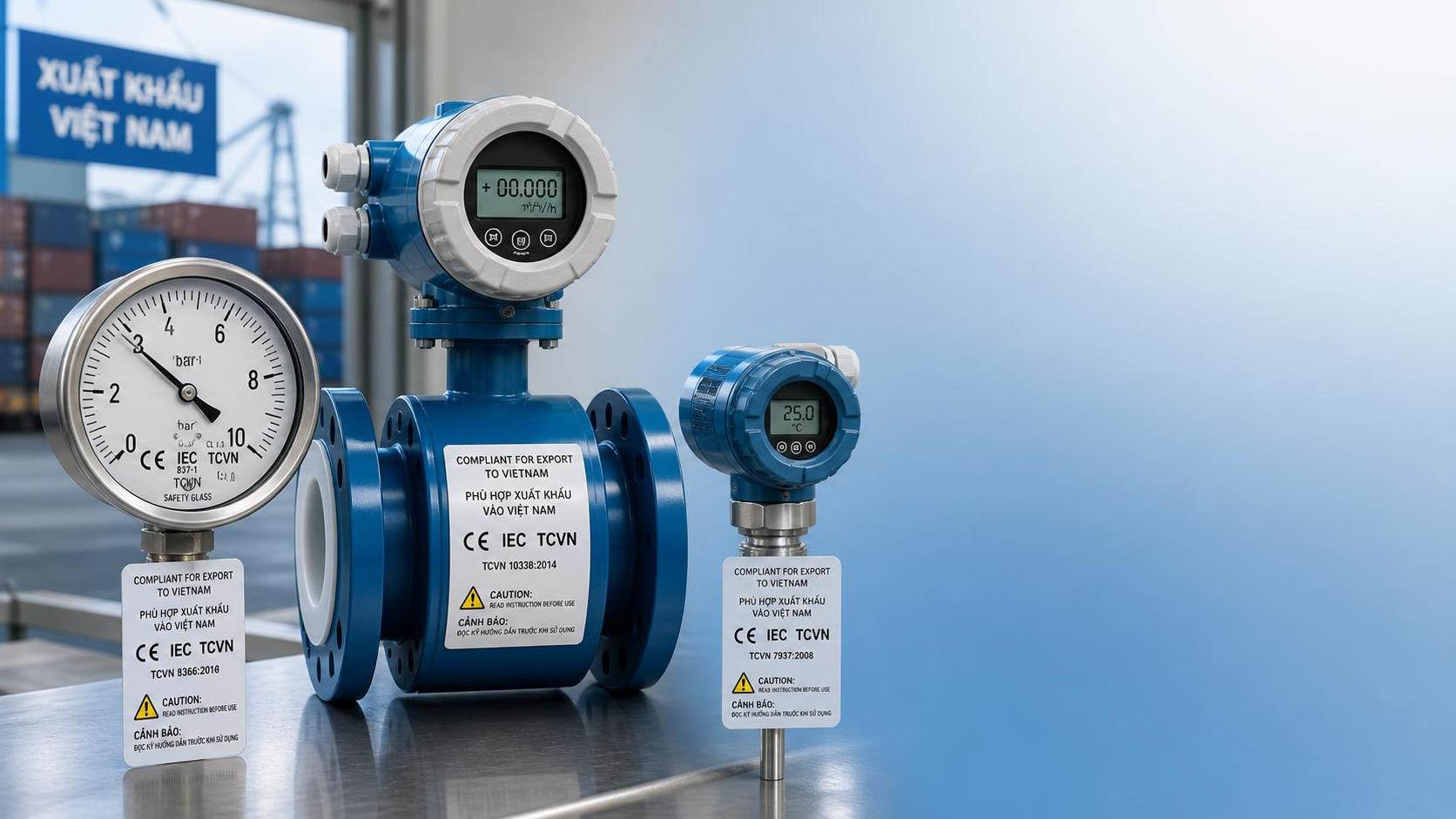
 Vietnam Rule Takes Effect Sept. 1: Imported Industrial Instruments Need Vietnamese Labels and Local After-Sales CommitmentVietnam’s Sept. 1 rule requires Vietnamese labels and local after-sales support for imported industrial instruments. See what HS 9026/9028 exporters and buyers must do now.
 Vietnam MOIT Rule Tightens Labeling for Imported Industrial InstrumentsVietnam MOIT Rule Tightens Labeling for Imported Industrial Instruments: learn how new Vietnamese label, CE/IEC/TCVN, and local service contact rules affect customs clearance and market access.
 EU Energy Rule Takes Effect: Flow Meters Need Data InterfacesEU energy rule now requires industrial flow meters with data interfaces. Learn how EN 16857:2026, MQTT/HTTPS, and updated compliance affect exports, customs, and buying decisions.
 EU Efficiency Rule Adds Data Interface Mandate for FlowmetersFlowmeters face a major EU compliance shift: from Sept. 1, 2026, new models must support MQTT or OPC UA and direct energy-data reporting. See how this rule impacts design, CE documents, and EU exports.
 Vietnam MOIT Makes QCVN 112:2026 MandatoryVietnam MOIT Makes QCVN 112:2026 Mandatory for imported power monitoring instruments from Sept 1, 2026. Learn certification, CR mark, and supply-chain impacts now.
 IEC 62053-22:2026 Mandates Secure OTA for Class 1 MetersIEC 62053-22:2026 mandates secure OTA for Class 1 meters, reshaping smart meter compliance, procurement, and market access. Learn what manufacturers and buyers must prepare now.




Chat Online