


On June 3, 2026, the European Commission opened an anti-dumping investigation into welded wire mesh from China, including products under CN code 7314 20 90. Because this material is widely used in metal structural parts such as instrument and control cabinets, explosion-proof enclosures, and laboratory support frames, the case deserves close attention not only from direct exporters but also from manufacturers, buyers, and supply chain teams involved in complete equipment shipments to the EU.
What Has Been Confirmed So Far
The confirmed facts are limited but commercially relevant. The investigation was initiated by the European Commission on June 3, 2026, and it covers Chinese welded wire mesh, including CN code 7314 20 90. According to the provided event summary, the product is commonly used in metal structural components for instrument cabinets, explosion-proof housings, and laboratory brackets. The same summary also indicates that if involved companies fail to submit questionnaire responses in time or cannot provide proof of origin, exports of complete machines or assembled products may also face related restrictions.
Why the Impact Extends Beyond a Single Product Category
Direct exporters of welded wire mesh face the first layer of exposure
From an industry perspective, the most immediate effect is on companies exporting the mesh product itself to the EU. Their risk is tied to investigation procedures, document submission, and origin-related compliance. What deserves closer attention is that the issue is not limited to price review alone; procedural response appears equally important based on the information provided.
Metal component manufacturers may be affected through embedded materials
Manufacturers producing instrument cabinets, explosion-proof enclosures, and laboratory support structures may also need to review where welded wire mesh is used inside their products. Analysis shows that when the material under investigation is part of a larger metal assembly, the compliance burden can shift from a raw material question to a shipment-level documentation question.
Equipment exporters and project suppliers should watch linked delivery risks
For exporters shipping complete units or integrated systems, the concern is less about the mesh as a standalone item and more about whether the presence of the investigated material creates additional scrutiny. Observably, this can affect order confirmation, customs preparation, and client communication if origin evidence or related filing materials are incomplete.
Buyers and supply chain service providers may need earlier verification
Procurement teams, freight coordinators, and trade service providers should also pay attention. Their exposure lies in product classification checks, supporting documents, and shipment timing. If upstream suppliers do not respond in time or cannot support origin claims, downstream transactions may face avoidable disruption.
What Companies Should Focus on Now
Track official wording and procedural requirements closely
Analysis shows that this development should be followed at the level of official investigation scope, required responses, and document expectations. Companies should distinguish between the opening of an investigation and any later outcome, and avoid treating the current step as a final result.
Review product structures that incorporate welded wire mesh
Businesses exporting cabinets, enclosures, support frames, or related assemblies to the EU should identify whether the investigated mesh is included in their bill of materials. What deserves closer attention is not only the finished product name, but also whether a covered input may trigger additional review during export procedures.
Check origin documents and supplier support in advance
The event summary specifically highlights proof of origin as a practical issue. Companies should therefore review whether supplier documentation, product records, and export files can support origin-related inquiries if requested. This is especially important for firms relying on multiple processing or sourcing links before final shipment.
Prepare customer communication around timing and compliance
Where EU-bound deliveries are involved, exporters and account teams may need to communicate clearly with customers about possible procedural delays or additional document checks. From an industry perspective, early communication can matter as much as operational readiness when contracts involve metal structural parts that may contain the investigated material.
How This Development Is Best Interpreted at This Stage
This section reflects observation rather than confirmed outcome. It is more appropriate to understand this event as an active trade-remedy signal rather than a concluded market change. The investigation itself is a concrete development, but the broader commercial effect still depends on process, scope application, document handling, and any later official determinations. That is why continued attention is necessary for both material suppliers and equipment exporters connected to these metal structures.
A Practical Reading for the Industry
At this stage, the industry significance lies in the chain effect of a material-level investigation on higher-value manufactured exports. The current development should be read cautiously: it is not yet a final trade outcome, but it is also not a routine notice that can be ignored. For companies tied to EU shipments of instrument cabinets, explosion-proof housings, laboratory supports, or similar metal assemblies, the more reasonable interpretation is that this is a live compliance and supply-chain issue requiring continued monitoring.
Basis of This Article
This article is generated based on the user-provided news title, event date, and event summary. For developments of this kind, commonly relevant source types may include official notices, company disclosures, industry association updates, authoritative media reports, and standard or classification-related documents. A specific official source link was not provided in the input, so further verification remains necessary. Follow-up attention should focus on subsequent official wording, procedural requirements, scope interpretation, and any later determination that may affect exports involving welded wire mesh or related metal structural products.


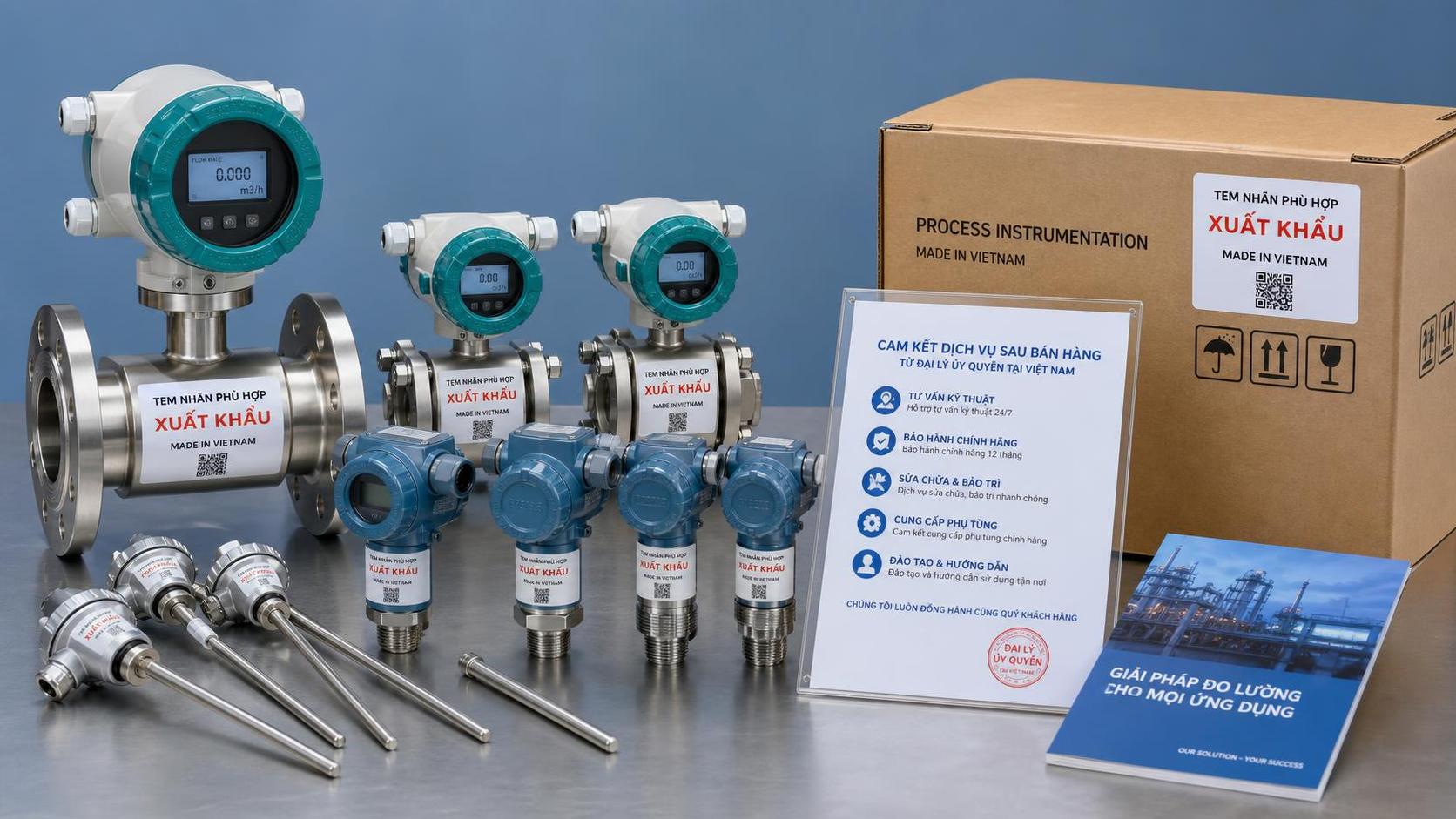
 Vietnam Rule Takes Effect Sept. 1: Imported Industrial Instruments Need Vietnamese Labels and Local After-Sales CommitmentVietnam’s Sept. 1 rule requires Vietnamese labels and local after-sales support for imported industrial instruments. See what HS 9026/9028 exporters and buyers must do now.
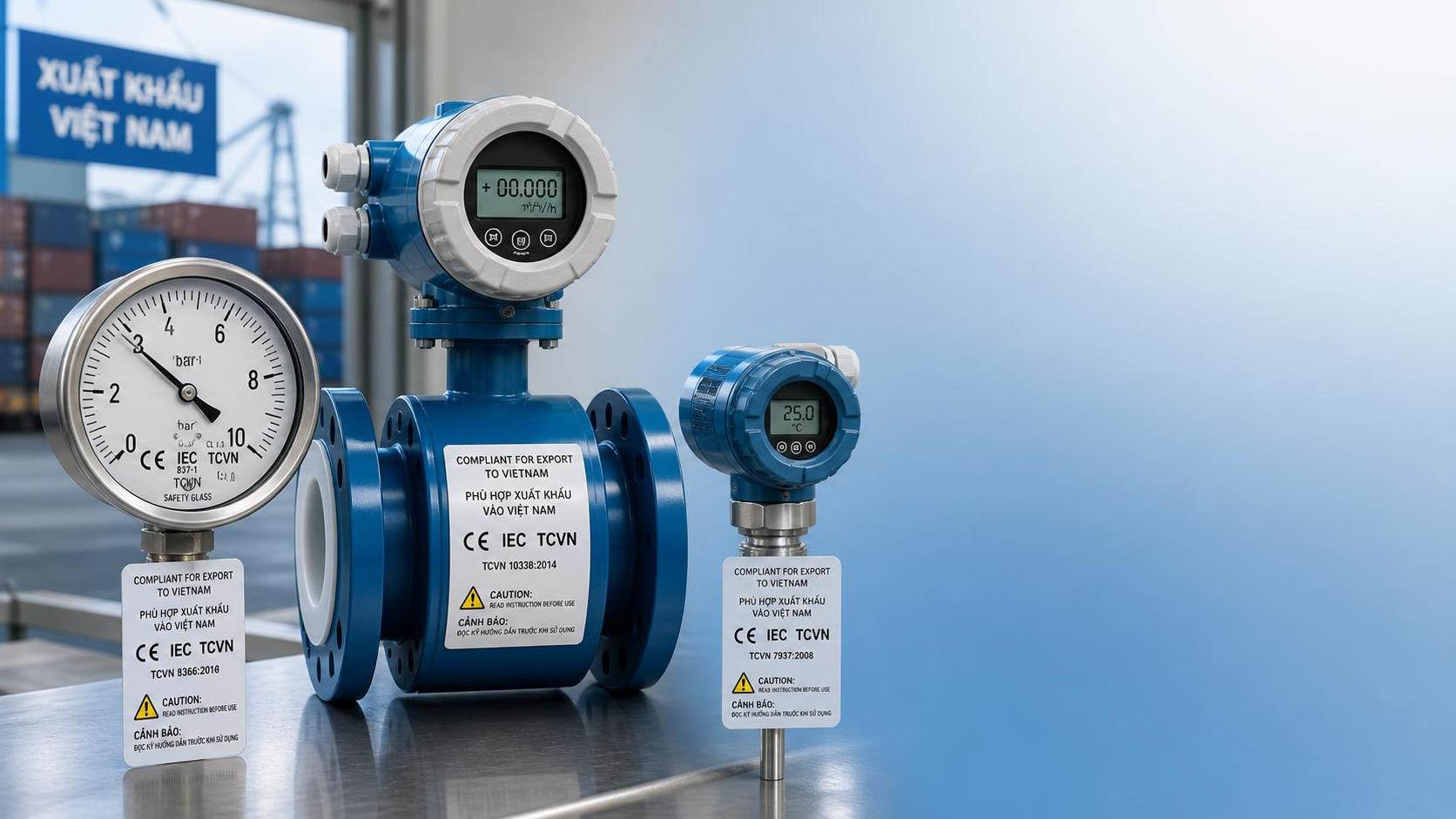
 Vietnam MOIT Rule Tightens Labeling for Imported Industrial InstrumentsVietnam MOIT Rule Tightens Labeling for Imported Industrial Instruments: learn how new Vietnamese label, CE/IEC/TCVN, and local service contact rules affect customs clearance and market access.
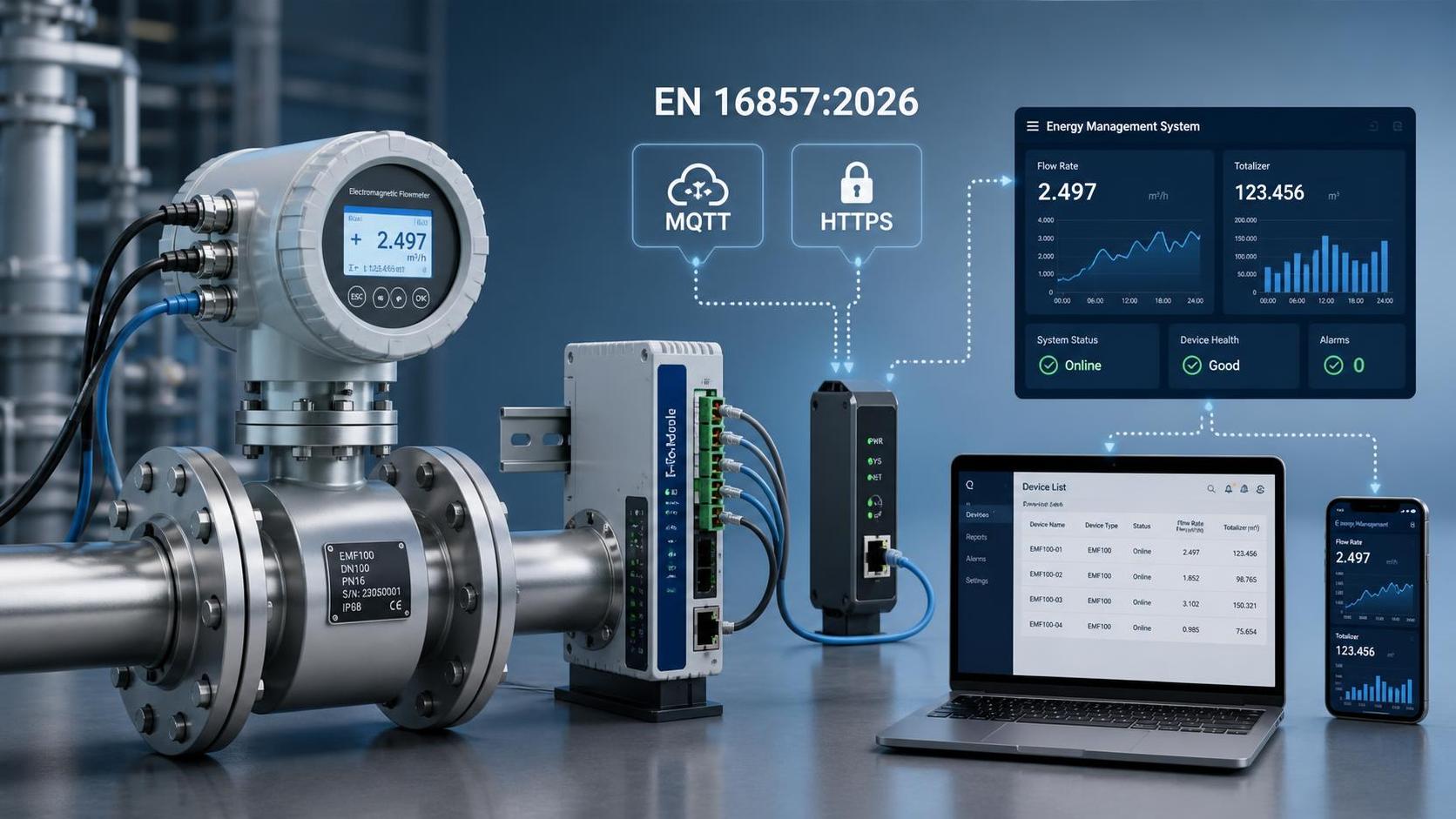
 EU Energy Rule Takes Effect: Flow Meters Need Data InterfacesEU energy rule now requires industrial flow meters with data interfaces. Learn how EN 16857:2026, MQTT/HTTPS, and updated compliance affect exports, customs, and buying decisions.
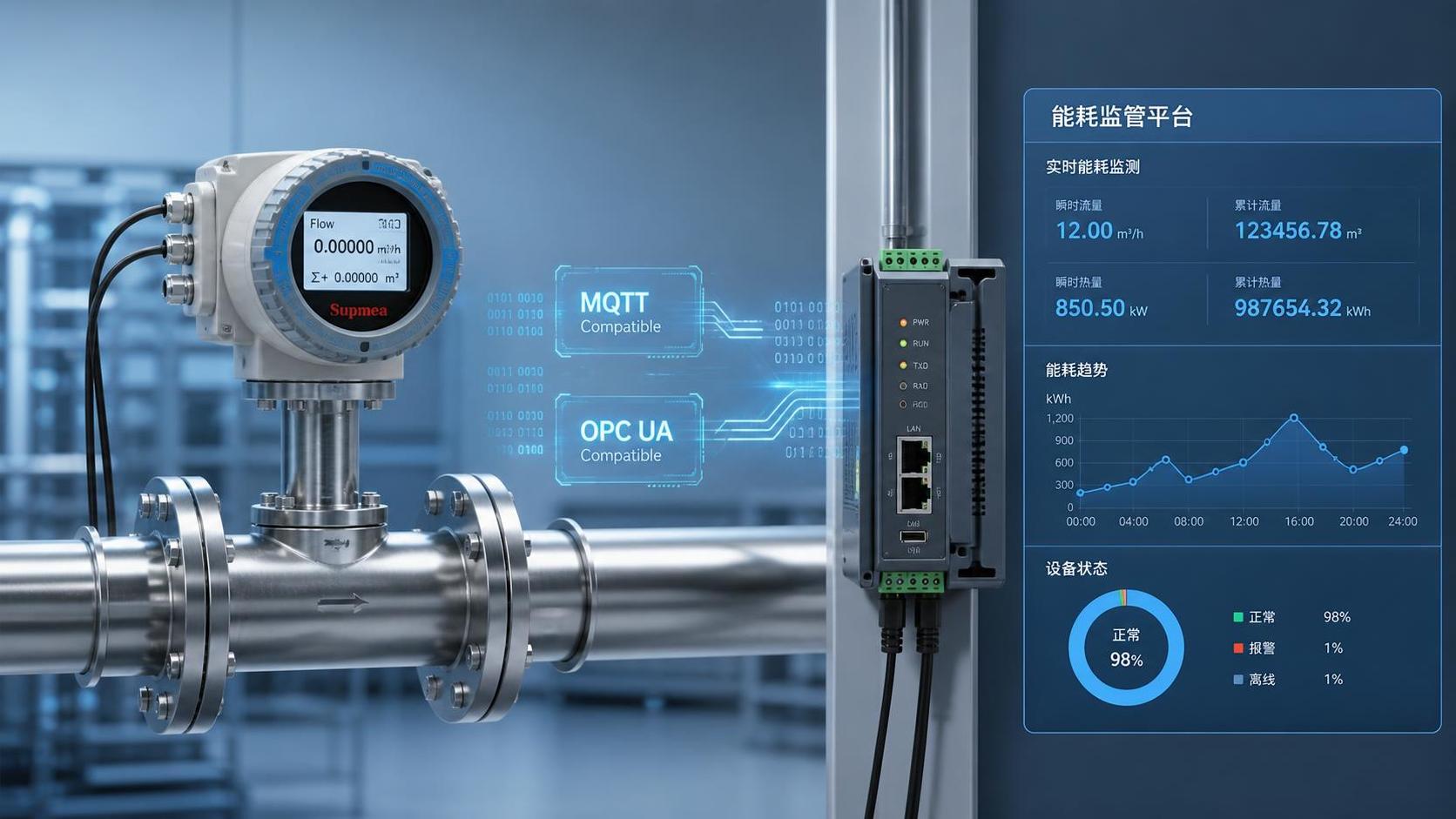
 EU Efficiency Rule Adds Data Interface Mandate for FlowmetersFlowmeters face a major EU compliance shift: from Sept. 1, 2026, new models must support MQTT or OPC UA and direct energy-data reporting. See how this rule impacts design, CE documents, and EU exports.
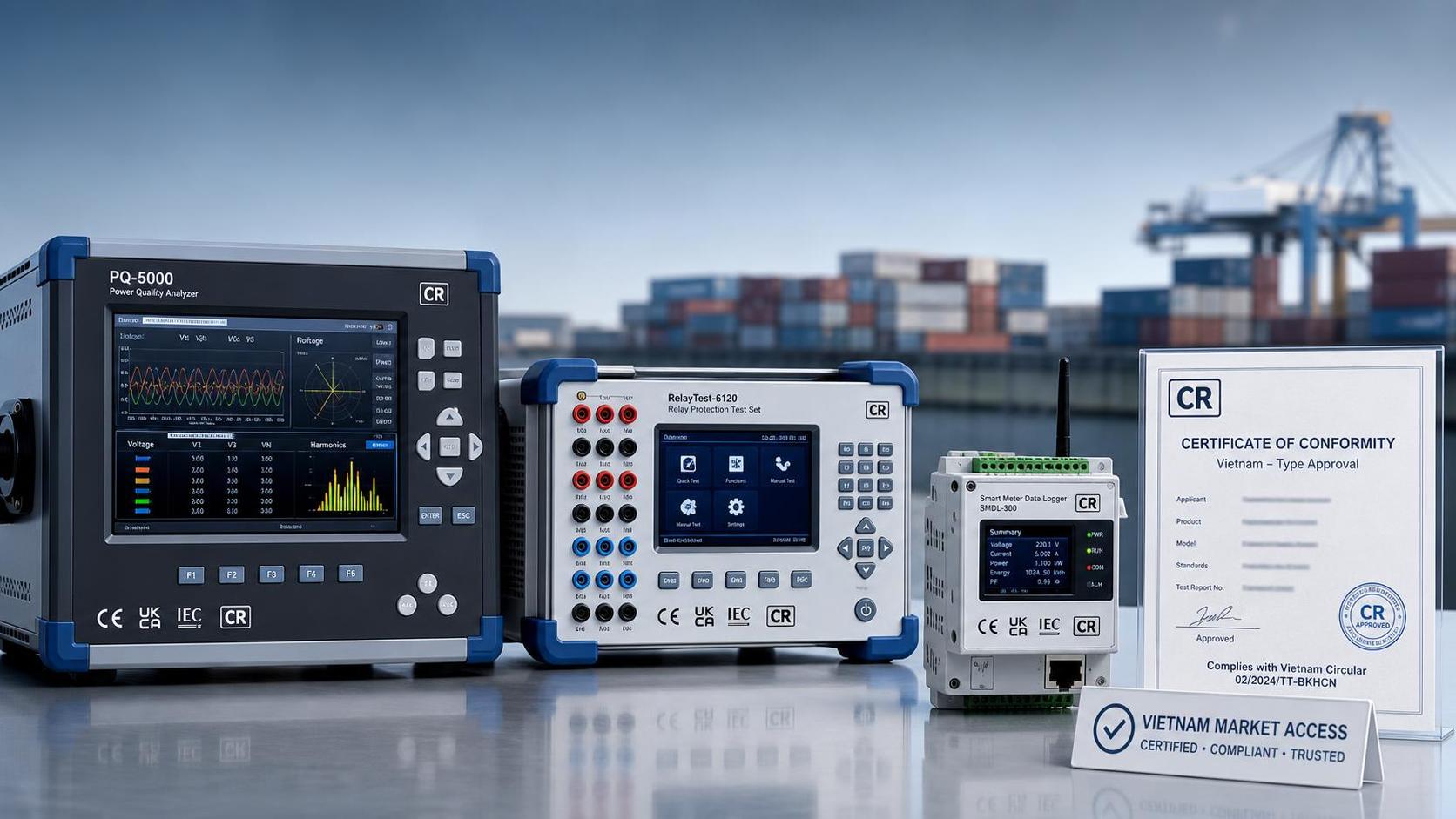
 Vietnam MOIT Makes QCVN 112:2026 MandatoryVietnam MOIT Makes QCVN 112:2026 Mandatory for imported power monitoring instruments from Sept 1, 2026. Learn certification, CR mark, and supply-chain impacts now.
 IEC 62053-22:2026 Mandates Secure OTA for Class 1 MetersIEC 62053-22:2026 mandates secure OTA for Class 1 meters, reshaping smart meter compliance, procurement, and market access. Learn what manufacturers and buyers must prepare now.
Chat Online