


On June 27, 2026, the IEC published PAS 63397, a new specification focused on interoperability, data security, and model validation for AI-based predictive maintenance functions used in smart power meters and substation condition-monitoring sensors. Because buyers in international tenders, particularly in the EU, South Korea, and Australia, are already asking suppliers to provide PAS 63397 alignment statements, this development is no longer just a technical standards update; it has become a practical procurement and compliance signal for equipment makers, exporters, integrators, and service providers involved in grid sensing and condition monitoring.
What the IEC publication confirms
The confirmed facts are limited but commercially significant. The IEC has issued Publicly Available Specification PAS 63397 as the first global standard aimed at AI-driven predictive maintenance in power grid sensors. The specification covers three core areas: interoperability, data security, and model validation. Its scope includes AI-powered predictive maintenance modules embedded in smart electric power meters and substation condition-monitoring sensors.
The summary provided also states that the specification takes effect immediately as a de facto benchmark in international tenders. In particular, buyers in the EU, South Korea, and Australia are now requiring suppliers to submit PAS 63397 alignment statements as part of tender-related documentation.
Where the commercial impact is likely to appear first
Bid documentation is becoming more technical
For manufacturers and exporters supplying smart meters, substation monitoring devices, or embedded AI modules, the immediate pressure point is likely to be tender participation. If purchasers now ask for PAS 63397 alignment statements, suppliers may need to prepare clearer technical descriptions showing how their products address interoperability, data security, and model validation requirements. The effect is likely to be felt first in pre-qualification, technical bid review, and document submission stages.
Procurement teams may tighten supplier screening
For buyers, EPC participants, and system integrators, the rule change may translate into a more formal screening process for component and equipment suppliers. Where tenders reference PAS 63397 alignment, procurement teams may need to verify whether upstream vendors can provide supporting technical files, consistency statements, or related compliance materials. This could affect supplier selection, bid comparison, and contract preparation.
Testing and compliance support may gain a larger role
For conformity, testing, and technical service providers, the specification may create demand for document review, gap analysis, and evidence preparation linked to AI functions in power-grid sensing equipment. Analysis shows that even where no separate certification pathway is stated in the provided information, the need to demonstrate alignment can still increase the importance of third-party technical support in tender preparation and customer audits.
Delivery and after-sales records may face closer review
For suppliers already active in cross-border projects, the practical impact may extend beyond the bid stage. Where predictive maintenance functions are part of the delivered system, customers may pay closer attention to technical consistency between product claims, security design, model behavior, and field documentation. From an industry perspective, this can influence delivery files, post-delivery support records, and quality traceability expectations, even if the exact execution approach is not yet defined in the provided information.
What companies should review now
Check whether current tender files need an alignment statement
Companies bidding into the affected markets should first review whether existing or upcoming tenders already reference PAS 63397 or request equivalent statements of compliance or alignment. What deserves closer attention is not only the presence of the standard name itself, but also whether technical schedules, annexes, or bidder declarations now expect specific responses tied to interoperability, data security, or model validation.
Re-examine technical files for AI-related claims
Suppliers using AI-driven predictive maintenance functions should review how those functions are described in product dossiers, data sheets, bid attachments, and supporting engineering materials. Observably, where a standard emphasizes model validation and secure data handling, loosely described AI claims may create avoidable tender questions. This does not confirm a new mandatory certification regime, but it does suggest that documentation quality may become a more visible compliance factor.
Coordinate procurement, engineering, and compliance teams
Where products depend on multiple suppliers or embedded modules, companies may need internal coordination across sourcing, engineering, regulatory, and sales teams. The reason is practical: a PAS 63397 alignment statement may depend on information spread across software design, sensor interfaces, cybersecurity controls, and validation records. If those materials are fragmented, response time in tender cycles may become a problem.
Track wording changes in customer and market requirements
The provided information confirms immediate benchmark value in tenders, but it does not define how different buyers will phrase or verify their requirements. Analysis shows that companies should watch for evolving language in tender notices, technical specifications, supplier questionnaires, and customer audit requests. That is especially relevant for exporters and channel partners serving the EU, South Korea, and Australia.
Why this looks more like an execution signal than a distant policy trend
This section is analysis rather than confirmed fact. It is more appropriate to understand this development as an execution signal already entering procurement practice, not merely as a standards publication awaiting market attention. The reason is explicit in the provided summary: buyers in several key tender markets are already requiring PAS 63397 alignment statements.
At the same time, it would be premature to treat the current situation as a fully settled compliance regime across all projects and all buyers. The available information does not describe a unified certification route, a fixed enforcement method, or a single documentation format. From an industry perspective, the next phase to watch is how procurement bodies, project owners, and suppliers translate the standard into workable submission and verification expectations.
How this update is best understood today
The immediate significance of PAS 63397 lies in its movement from technical standardization into commercial gatekeeping. For companies involved in smart metering, substation sensing, embedded AI modules, and related export supply chains, the issue is not only whether the specification exists, but whether customers now use it to screen bids and compare suppliers.
A balanced reading is that this is already a meaningful market-access signal, especially in tender-driven business, while many practical execution details still need to be observed through procurement documents and market feedback. Current attention should therefore focus on readiness of technical documentation, internal compliance coordination, and monitoring of buyer-specific wording rather than on assumptions about a broader enforcement outcome that has not yet been provided in the source information.
Basis of this article and what still needs verification
This article is based on the user-provided news title, event date, and event summary concerning the IEC publication of PAS 63397 on June 27, 2026. It has been written as an industry analysis piece for publication use and does not rely on additional unverified facts beyond the provided input.
For developments of this type, source categories that are commonly relevant include official announcements, regulator publications, trade or customs authority notices, industry association communications, standards organization documents, and reporting by established professional media. A specific official source link was not provided in the input, so the exact primary publication path still needs to be verified.
What still warrants continued observation includes any further official wording around PAS 63397 implementation, alignment statement expectations in tenders, possible market-specific compliance interpretations, changes in technical bid documentation, and feedback from suppliers and buyers on how the requirement is being applied in practice.


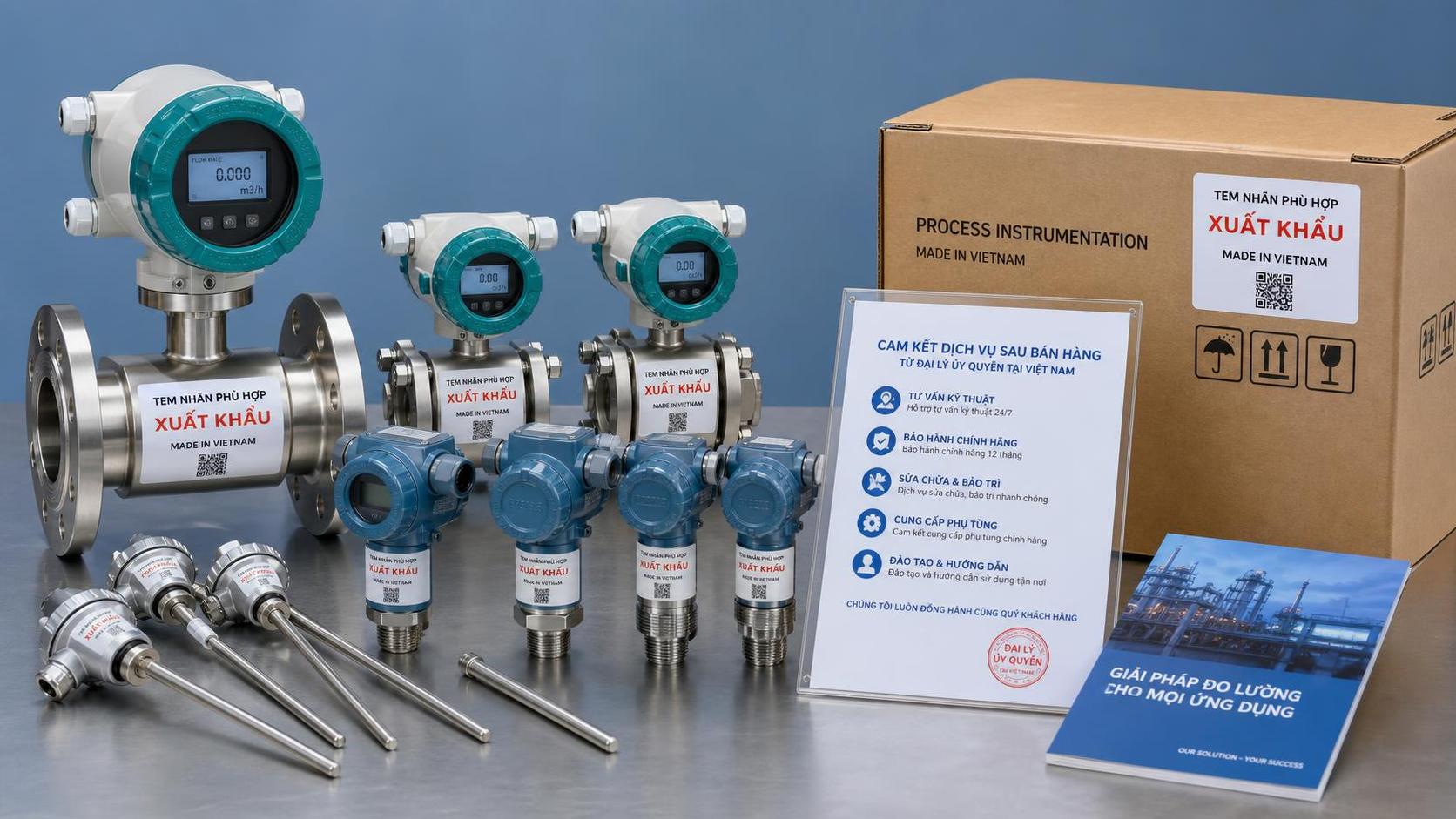
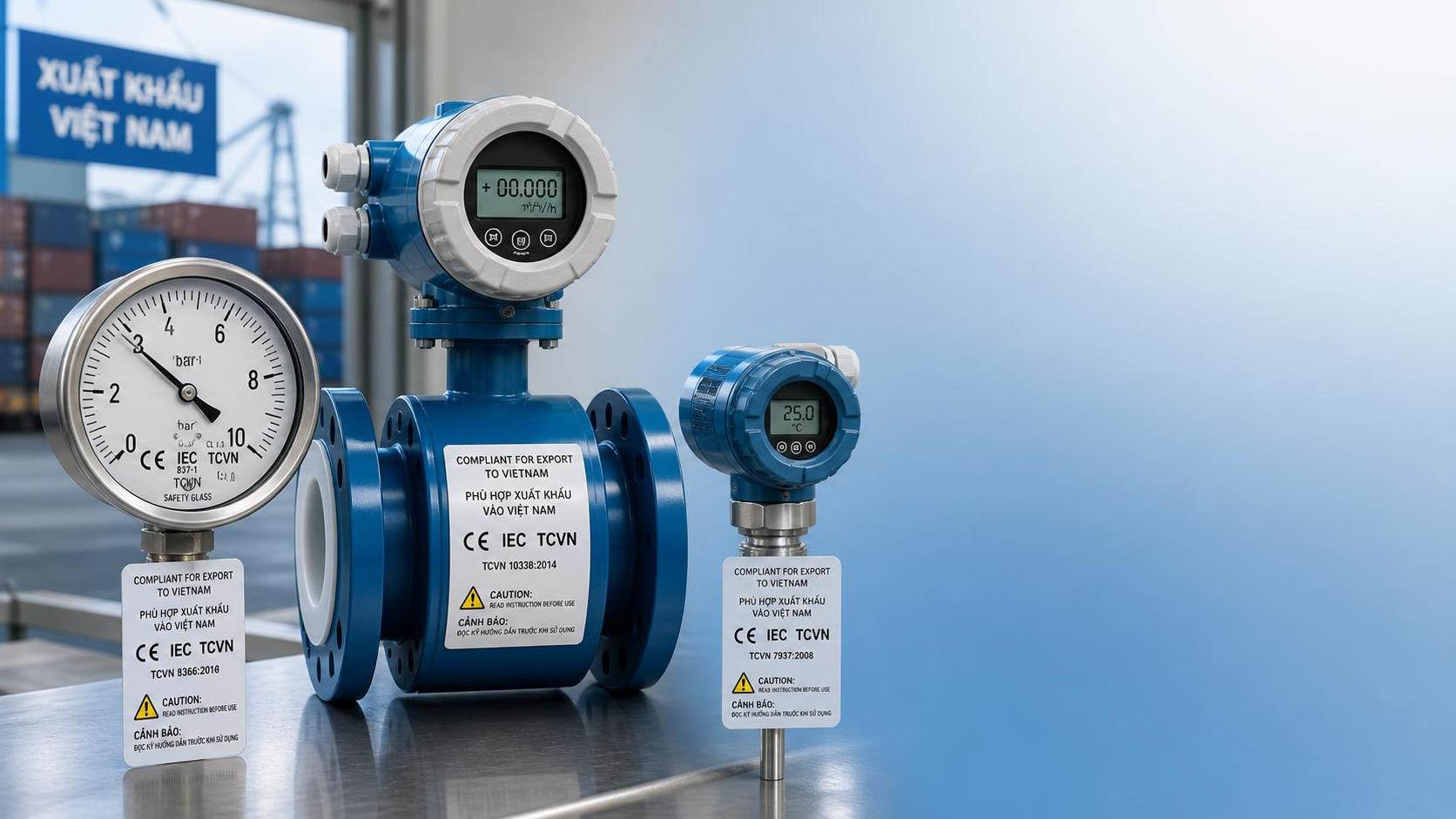
 Vietnam Rule Takes Effect Sept. 1: Imported Industrial Instruments Need Vietnamese Labels and Local After-Sales CommitmentVietnam’s Sept. 1 rule requires Vietnamese labels and local after-sales support for imported industrial instruments. See what HS 9026/9028 exporters and buyers must do now.
 Vietnam MOIT Rule Tightens Labeling for Imported Industrial InstrumentsVietnam MOIT Rule Tightens Labeling for Imported Industrial Instruments: learn how new Vietnamese label, CE/IEC/TCVN, and local service contact rules affect customs clearance and market access.
 EU Energy Rule Takes Effect: Flow Meters Need Data InterfacesEU energy rule now requires industrial flow meters with data interfaces. Learn how EN 16857:2026, MQTT/HTTPS, and updated compliance affect exports, customs, and buying decisions.
 EU Efficiency Rule Adds Data Interface Mandate for FlowmetersFlowmeters face a major EU compliance shift: from Sept. 1, 2026, new models must support MQTT or OPC UA and direct energy-data reporting. See how this rule impacts design, CE documents, and EU exports.
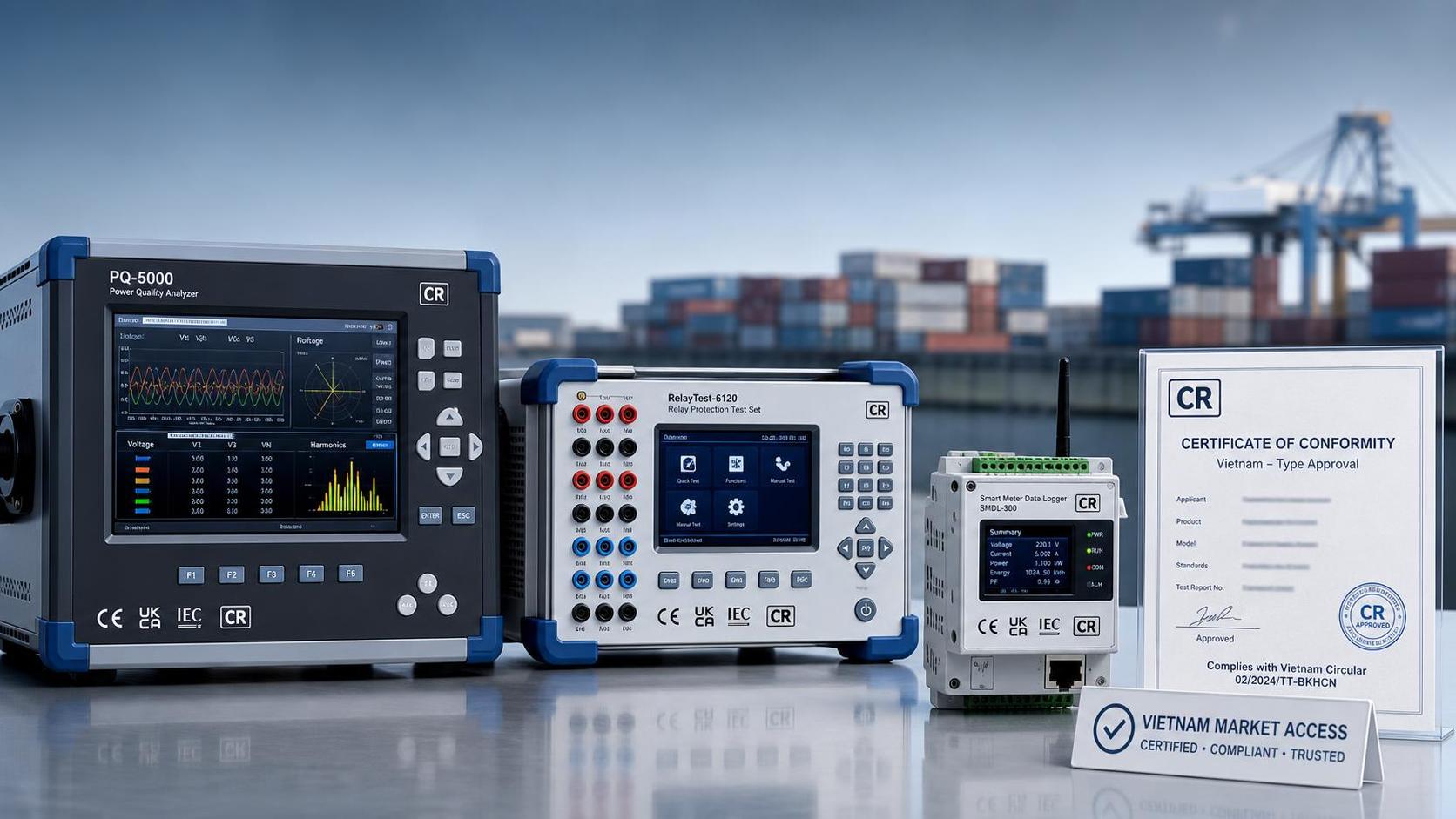
 Vietnam MOIT Makes QCVN 112:2026 MandatoryVietnam MOIT Makes QCVN 112:2026 Mandatory for imported power monitoring instruments from Sept 1, 2026. Learn certification, CR mark, and supply-chain impacts now.
 IEC 62053-22:2026 Mandates Secure OTA for Class 1 MetersIEC 62053-22:2026 mandates secure OTA for Class 1 meters, reshaping smart meter compliance, procurement, and market access. Learn what manufacturers and buyers must prepare now.



Chat Online