


The timing of the underlying event was not specified in the input, but a June 22, 2026 industry report has drawn attention to a practical shift in China-bound instrument imports: leading customs clearance providers with advanced AEO certification are reportedly moving imported instruments and meters through customs in an average of 2.1 days, about 25% faster than the industry average. For overseas buyers, distributors, and engineering procurement teams that rely on the China supply chain, this is worth watching because customs speed is no longer just an administrative metric; it directly affects delivery schedules, commissioning plans, and the risk of production stoppages tied to delayed industrial equipment.
What the report specifically confirms
According to the information provided, an authoritative industry report dated June 22, 2026 stated that leading customs clearance service providers holding China Customs advanced AEO certification, including Qingdao Kaihang as an example, achieved an average customs clearance time of 2.1 days for imported instruments and meters. This was described as 25% faster than the industry average.
The same report linked faster clearance capability to lower operational risk for overseas importers, noting that a one-day delay in industrial calibration equipment can cause losses of more than RMB 100,000. It also highlighted three operational capabilities behind this performance: coverage across multiple ports nationwide, rapid response for 3C exemption handling, and professional processing of metrology verification documentation.
Where the impact is likely to be felt first
Overseas distributors and engineering buyers face tighter delivery expectations
From an industry perspective, the most immediate impact is on overseas distributors and engineering procurement teams in Europe, Southeast Asia, and other markets that depend on Chinese supply arrangements for instruments and related equipment. Faster customs handling can affect inbound planning, customer delivery commitments, and installation timelines. What deserves closer attention is whether buyers begin to treat customs service capability as part of supplier selection rather than as a back-end logistics detail.
Import-dependent manufacturers are exposed at the production continuity level
For manufacturing users that need calibration devices or specialized instruments to keep operations running, the issue is not only transport speed but also downtime risk after cargo arrival. Analysis shows that when customs delays extend equipment availability, the effect may appear in maintenance schedules, line validation, and restart timing. The report's reference to potential daily losses gives this issue a direct operating-cost dimension.
Supply chain service providers may see higher scrutiny on specialization
Observably, the report does not frame customs efficiency as a generic logistics advantage. It points to specific execution areas, including multi-port operations, 3C exemption responsiveness, and document handling for metrology verification. That suggests freight, brokerage, and import support providers serving technical equipment may face greater scrutiny on category-specific compliance and documentation capability.
What companies should review now
Check whether customs partners have the right certification depth
Companies importing instruments into China may need to review not only whether a service provider handles customs clearance, but whether it has advanced AEO credentials and proven experience in instrument-related imports. The practical issue is service reliability under time-sensitive conditions, especially when delayed release can disrupt production or project schedules.
Prepare 3C exemption and technical files earlier
What deserves closer attention is the document chain behind speed. If 3C exemption handling and metrology-related paperwork are central to faster clearance, importers and procurement teams should review whether internal technical documents, product descriptions, and supporting files are being prepared early enough to avoid avoidable delays at declaration stage.
Align multi-port planning with actual shipment routes
The report highlighted nationwide multi-port coverage, which matters for businesses routing cargo through different entry points. Companies should focus on whether their current clearance arrangements can remain consistent across ports, rather than assuming that performance at one port will automatically translate to another.
Separate headline efficiency from day-to-day execution
Analysis shows that a reported average clearance time is useful, but it is not the same as a guaranteed outcome for every shipment. Buyers, importers, and project teams should distinguish between a strong service benchmark and the actual readiness of each shipment's classification, exemption status, and verification documents.
Why this looks more like a structural signal than a one-off data point
This development is more appropriate to understand as a meaningful operating signal rather than a complete market conclusion. The reason is that the report ties faster clearance not to a broad claim about all imports, but to concrete service capabilities in a technical product category. That makes the information relevant for companies managing specialized equipment flows, even if it does not by itself prove a uniform change across all ports or all customs scenarios.
Observably, the strongest takeaway is that customs performance in instrument imports is increasingly connected to professional handling of compliance details. That is a longer-term issue for cross-border buyers because it affects vendor selection, project planning, and risk control, not just transit time.
How the market should read this update
At this stage, the update should be read as evidence that advanced AEO-certified clearance capability can materially shorten the import cycle for instruments in China under certain operating conditions. It should not be overstated as a universal result for every importer or every shipment. A more balanced reading is that customs execution quality is becoming a visible factor in supply chain resilience for technical equipment buyers.
For the industry, the significance lies in the connection between customs efficiency and downstream operational continuity. For companies, the practical implication is to pay closer attention to partner qualifications, exemption responsiveness, and document readiness when planning instrument imports into China.
Basis of this article and what still needs verification
This article is based on the user-provided news title, event timing note, and event summary. The input did not provide a specific official source link, so any further use of this information should continue to be verified against source materials as they become available.
For this type of industry update, commonly relevant source categories may include official customs statements, company disclosures, industry association information, authoritative media coverage, and technical or standards-related documentation. If the topic continues to develop, the next points to watch are whether additional official wording, port-level implementation details, or more category-specific guidance emerge around instrument imports, 3C exemption processing, and metrology documentation handling.


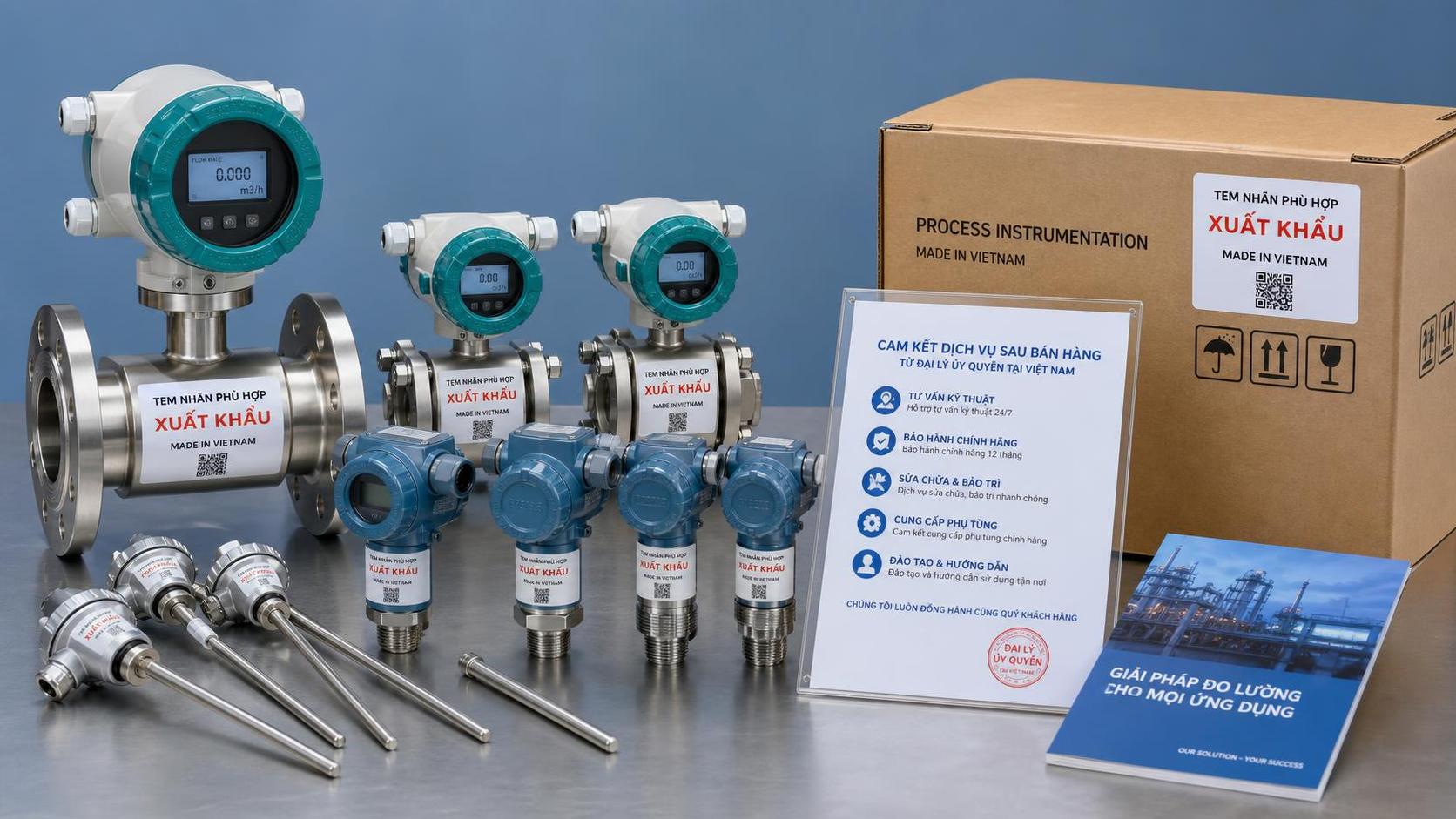
 Vietnam Rule Takes Effect Sept. 1: Imported Industrial Instruments Need Vietnamese Labels and Local After-Sales CommitmentVietnam’s Sept. 1 rule requires Vietnamese labels and local after-sales support for imported industrial instruments. See what HS 9026/9028 exporters and buyers must do now.
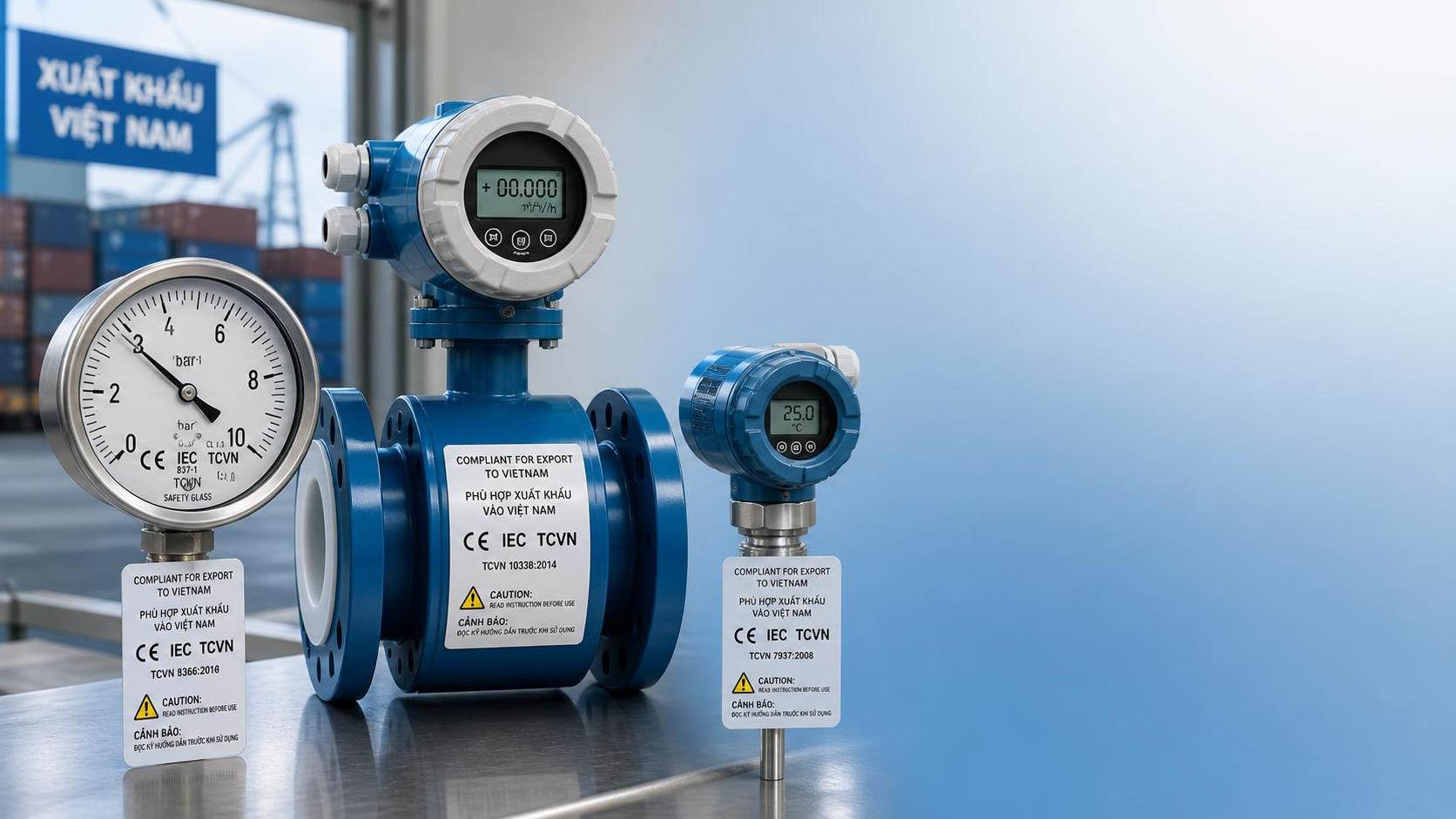
 Vietnam MOIT Rule Tightens Labeling for Imported Industrial InstrumentsVietnam MOIT Rule Tightens Labeling for Imported Industrial Instruments: learn how new Vietnamese label, CE/IEC/TCVN, and local service contact rules affect customs clearance and market access.
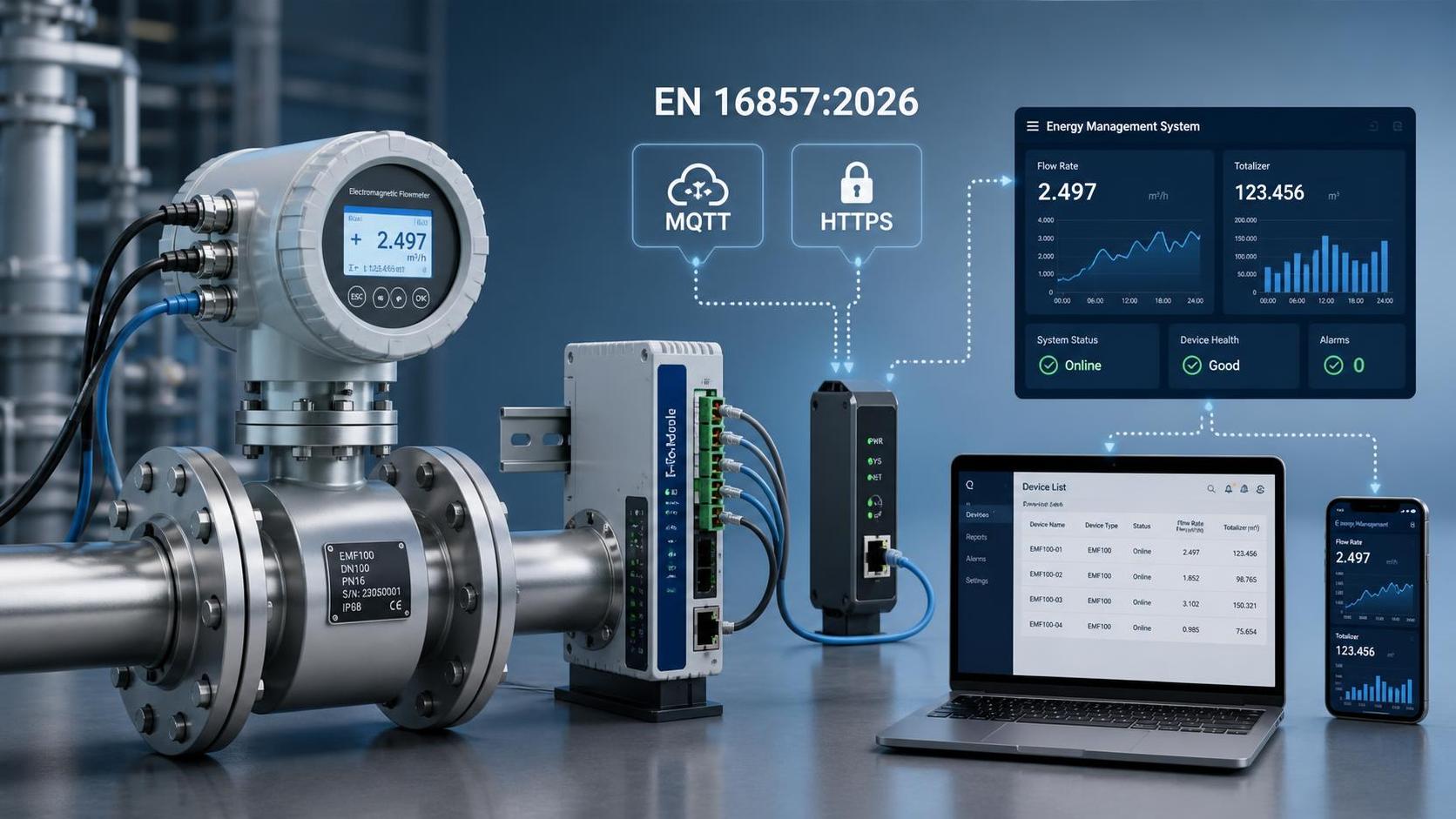
 EU Energy Rule Takes Effect: Flow Meters Need Data InterfacesEU energy rule now requires industrial flow meters with data interfaces. Learn how EN 16857:2026, MQTT/HTTPS, and updated compliance affect exports, customs, and buying decisions.
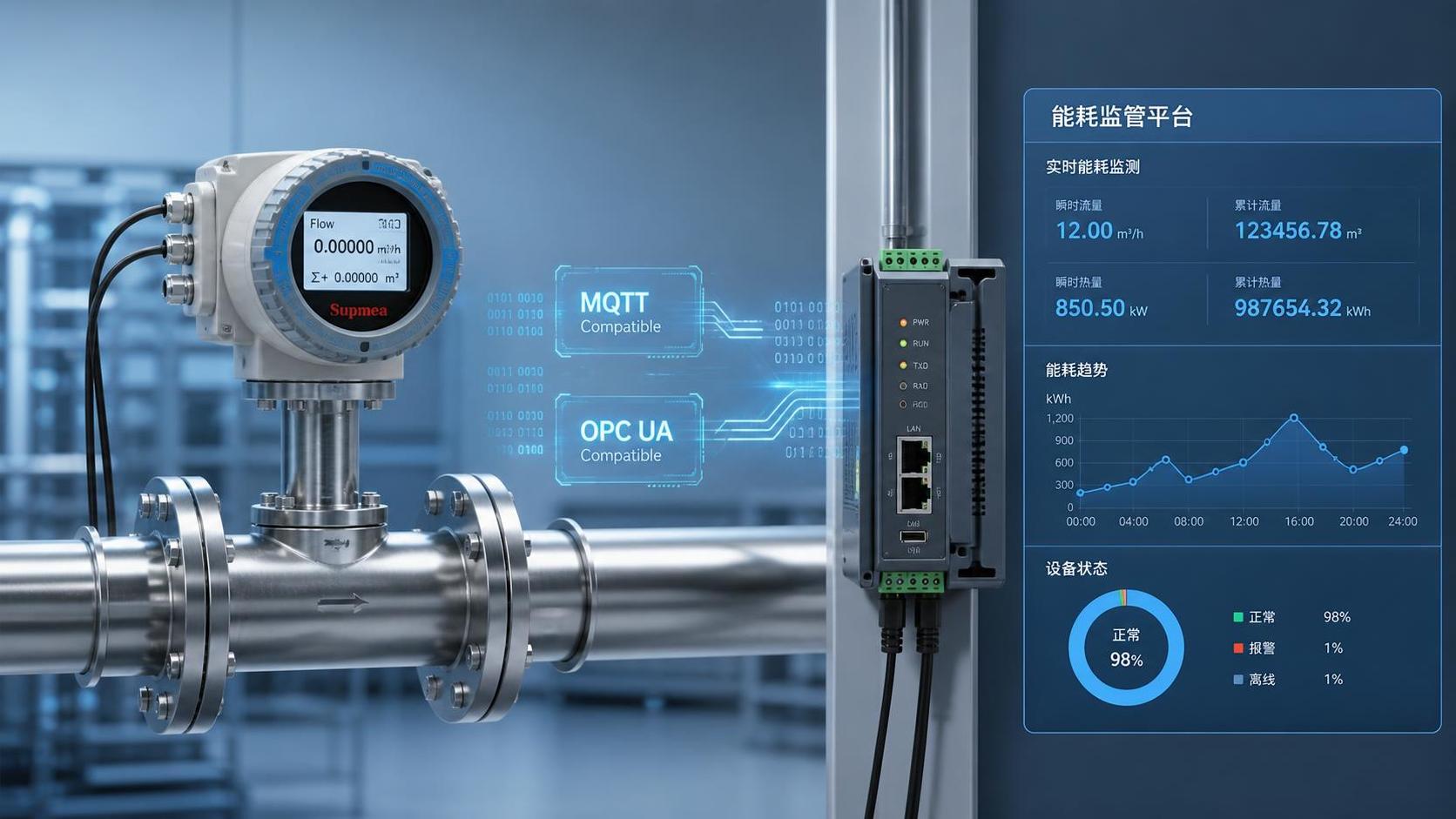
 EU Efficiency Rule Adds Data Interface Mandate for FlowmetersFlowmeters face a major EU compliance shift: from Sept. 1, 2026, new models must support MQTT or OPC UA and direct energy-data reporting. See how this rule impacts design, CE documents, and EU exports.
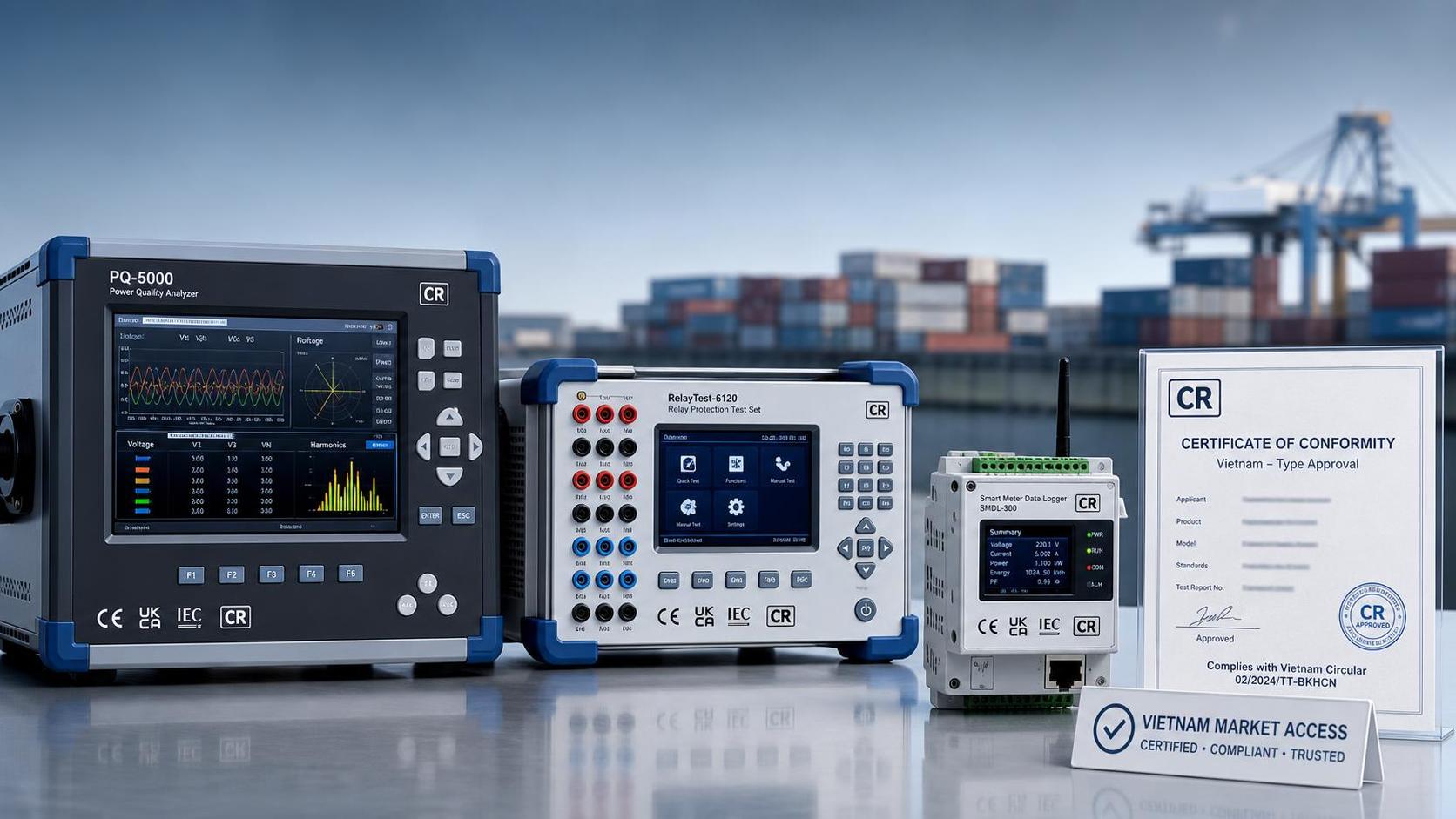
 Vietnam MOIT Makes QCVN 112:2026 MandatoryVietnam MOIT Makes QCVN 112:2026 Mandatory for imported power monitoring instruments from Sept 1, 2026. Learn certification, CR mark, and supply-chain impacts now.
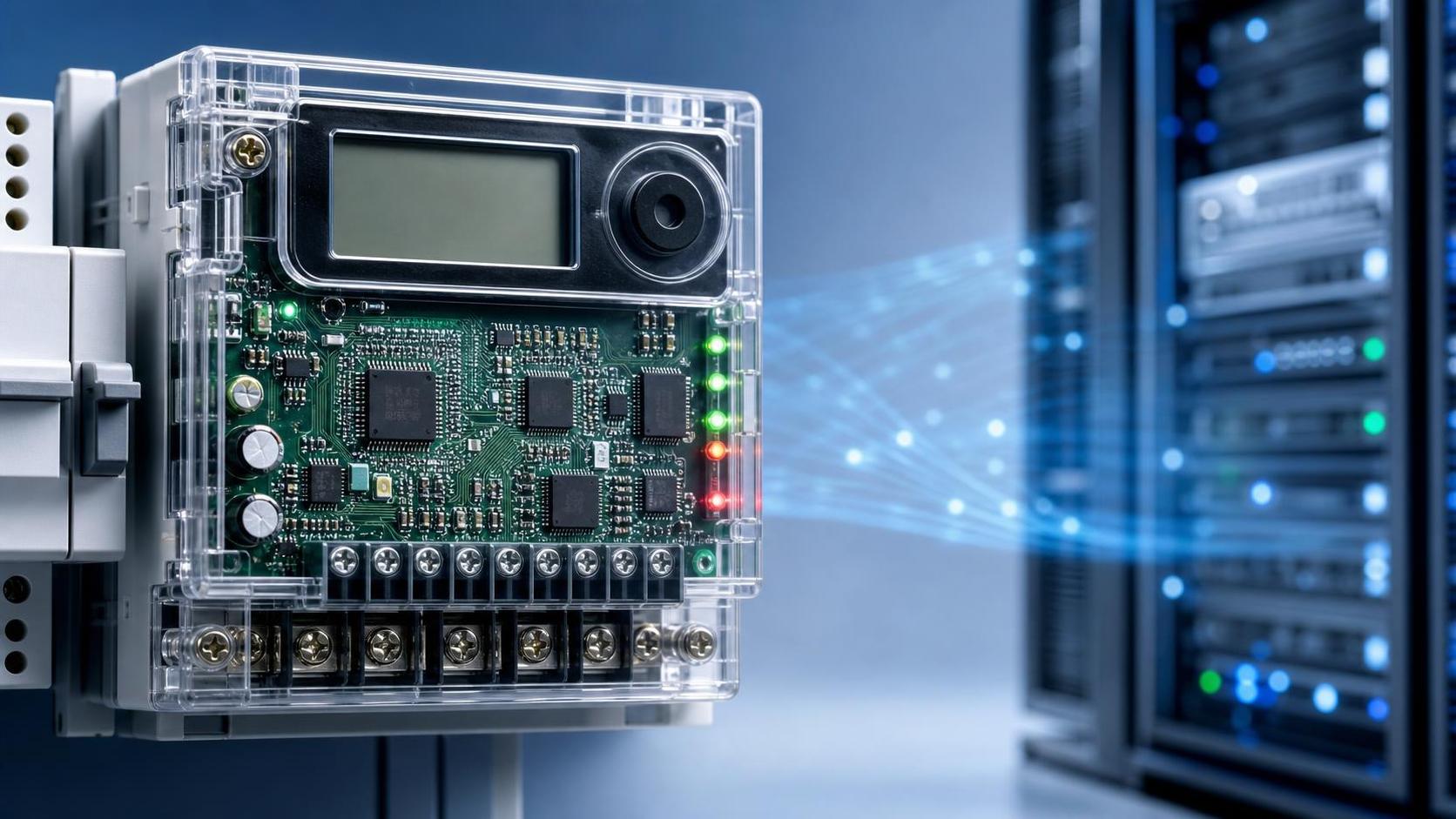
 IEC 62053-22:2026 Mandates Secure OTA for Class 1 MetersIEC 62053-22:2026 mandates secure OTA for Class 1 meters, reshaping smart meter compliance, procurement, and market access. Learn what manufacturers and buyers must prepare now.
Chat Online