


On June 1, 2026, the European Commission released a draft amendment to the 2026/EC Electromagnetic Compatibility Directive, proposing mandatory remote compliance self-test functions for industrial smart instruments imported into the European Union from the third quarter of 2026. The proposal is particularly relevant to manufacturers, exporters, firmware certification teams, and CE technical documentation managers involved in electricity meters, pressure transmitters, process analyzers, and related industrial instrumentation, because it may affect product design, firmware validation, and compliance document update cycles.
Event Overview
The European Commission published the draft amendment to the 2026/EC Electromagnetic Compatibility Directive on June 1, 2026. According to the released information, the draft proposes that, starting from the third quarter of 2026, industrial-grade smart instruments imported into the EU must integrate a remote compliance self-test function conforming to EN IEC 61000-4-35.
The affected product categories mentioned in the released information include electricity meters, pressure transmitters, and process analyzers. The draft also requires verifiable digitally signed logs related to the remote compliance self-test function.
The currently disclosed information indicates that the proposed requirement may directly affect product design, firmware certification, and the update cycle of CE technical documentation for Chinese export enterprises supplying the EU market.
Which Segments May Be Affected
Exporters Selling Industrial Smart Instruments to the EU
Exporters are directly affected because the draft requirement is linked to instruments imported into the European Union. For companies exporting electricity meters, pressure transmitters, process analyzers, or similar industrial smart instruments, the impact may appear in product eligibility, shipment planning, and customer communication.
Analysis shows that exporters may need to review whether existing product models can support the proposed remote compliance self-test function and whether digitally signed logs can be provided in a verifiable manner. If products are already scheduled for EU delivery around or after the proposed third-quarter 2026 timing, companies may also need to assess whether design changes or documentation updates could influence delivery commitments.
Instrument Manufacturers and Product Design Teams
Manufacturers may face the most direct technical impact because the draft requirement concerns built-in functionality. The proposed integration of a remote compliance self-test module is not only a documentation issue; it may involve hardware capability, embedded software design, firmware architecture, and test process alignment.
From an industry perspective, product design teams should pay attention to whether current instrument platforms can accommodate a remote self-test function that aligns with EN IEC 61000-4-35. The requirement for digitally signed logs may also place additional emphasis on firmware traceability, data integrity, and the ability to generate records that can be verified during compliance review.
Firmware Certification and Compliance Engineering Teams
Firmware certification teams may be affected because the draft requirement specifically connects compliance functionality with firmware behavior and log verification. The need for a remote compliance self-test function means that certification preparation may extend beyond conventional documentation review and may involve validation of the function itself.
Currently, what deserves closer attention is the relationship between firmware certification, test evidence, and CE technical documentation. If the draft proceeds into a binding requirement, companies may need to ensure that firmware versions, test logs, digital signatures, and compliance records remain consistent throughout the certification and product update process.
CE Technical Documentation and Regulatory Affairs Teams
The released information states that the new rule may directly affect CE technical documentation update cycles. This means regulatory affairs teams and documentation managers should monitor whether technical files need to be revised to include the remote self-test function, digitally signed log evidence, and conformity-related explanations.
Observably, the impact may be especially important for companies managing multiple instrument models or product variants. Any change in firmware, self-test capability, or log generation method may need to be reflected accurately in the relevant CE documentation once the requirement becomes applicable.
EU-Facing Supply Chain and Channel Partners
Channel partners, distributors, and supply chain service providers may also be affected because product compliance status can influence import readiness and market access. Although they may not design or certify the instruments themselves, they may need to obtain updated compliance information from manufacturers before placing products into the EU market.
Analysis shows that these parties may need clearer communication with suppliers on which product versions are covered by the proposed self-test capability, whether digitally signed logs can be provided, and whether CE documentation has been updated according to the latest regulatory direction.
Key Points to Watch and Practical Responses
Track the Final Wording and Implementation Timing
Companies should continue monitoring official EU communications related to the draft amendment. The currently disclosed information identifies a proposed start from the third quarter of 2026, but the final wording, scope, and implementation details remain important for business planning.
It is more appropriate to understand this stage as a regulatory proposal that requires close tracking rather than treating every operational detail as fully settled. Enterprises should avoid making assumptions beyond the published draft and should base compliance planning on official updates.
Map Affected Product Categories and EU-Bound Models
Companies should first identify whether their EU-bound products fall into the categories mentioned in the released information, including electricity meters, pressure transmitters, and process analyzers. If similar industrial smart instruments are exported to the EU, they should also be reviewed in relation to the draft requirement.
From an industry perspective, a practical first step is to create a product-level list showing current firmware versions, remote diagnostic or self-test capabilities, log generation methods, and CE documentation status. This can help determine which products may require redesign, firmware changes, or documentation updates.
Review Firmware, Digital Signature, and Log Verification Readiness
The draft requirement highlights remote compliance self-testing and verifiable digitally signed logs. Relevant teams should assess whether existing firmware can generate compliance-related logs, whether those logs can be digitally signed, and whether the verification process can be demonstrated during conformity assessment or customer review.
Analysis shows that this issue should not be left only to the final certification stage. Firmware design, testing, and documentation teams may need to work together early so that technical evidence and compliance records remain consistent.
Prepare CE Technical Documentation Update Plans
Because the released information specifically mentions the impact on CE technical documentation update cycles, companies should review their current documentation management process. If the remote self-test function becomes mandatory, technical files may need to describe the function, the applicable standard reference, firmware identification, log verification method, and supporting test evidence.
Currently, what deserves closer attention is the timing gap between product modification, firmware validation, and CE document revision. Exporters should avoid a situation in which hardware or firmware updates are completed but the related CE technical documentation remains outdated.
Editor’s View / Industry Observation
Observably, this draft is more than a routine compliance update for industrial smart instruments. It points to a stronger regulatory focus on remote verification, firmware-based compliance functions, and traceable digital evidence in the EU market.
Analysis shows that the draft currently functions as both a compliance signal and a potential future operational requirement. It has not merely raised a general expectation for better documentation; it specifically refers to remote compliance self-testing under EN IEC 61000-4-35 and verifiable digitally signed logs.
From an industry perspective, the main concern for exporters and manufacturers is not only whether products can pass electromagnetic compatibility requirements, but whether compliance evidence can be generated, preserved, and verified through the instrument’s own system. This may change how companies plan product design, firmware certification, and CE technical documentation updates for EU-bound industrial smart instruments.
Conclusion
The European Commission’s June 1, 2026 draft amendment to the EMC Directive may have a direct impact on industrial smart instruments exported to the EU, especially electricity meters, pressure transmitters, and process analyzers. Its significance lies in the proposed shift toward built-in remote compliance self-test functions and digitally signed compliance logs.
It is more appropriate to understand this development as a regulatory signal that may soon become a concrete market-access requirement. Companies should respond rationally by tracking official updates, reviewing affected product models, assessing firmware and log verification readiness, and preparing CE technical documentation update plans without overstating unconfirmed details.
Information Source Statement
Main source: European Commission, draft amendment to the 2026/EC Electromagnetic Compatibility Directive, released on June 1, 2026.
Items requiring continued observation: final regulatory wording, confirmed implementation schedule from the third quarter of 2026, detailed scope of affected industrial smart instruments, and specific documentation expectations related to EN IEC 61000-4-35 remote compliance self-test functions and digitally signed logs.


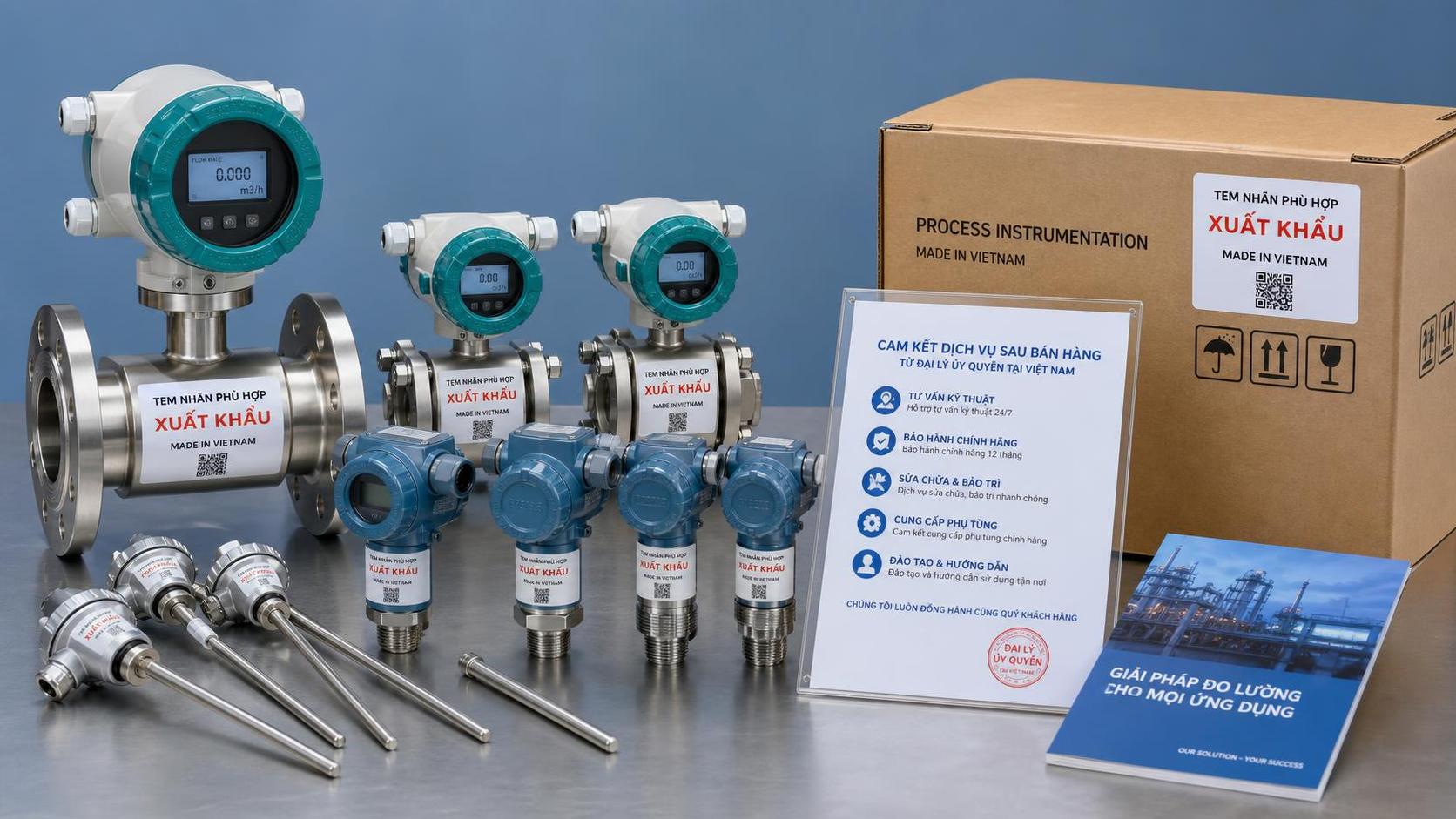
 Vietnam Rule Takes Effect Sept. 1: Imported Industrial Instruments Need Vietnamese Labels and Local After-Sales CommitmentVietnam’s Sept. 1 rule requires Vietnamese labels and local after-sales support for imported industrial instruments. See what HS 9026/9028 exporters and buyers must do now.
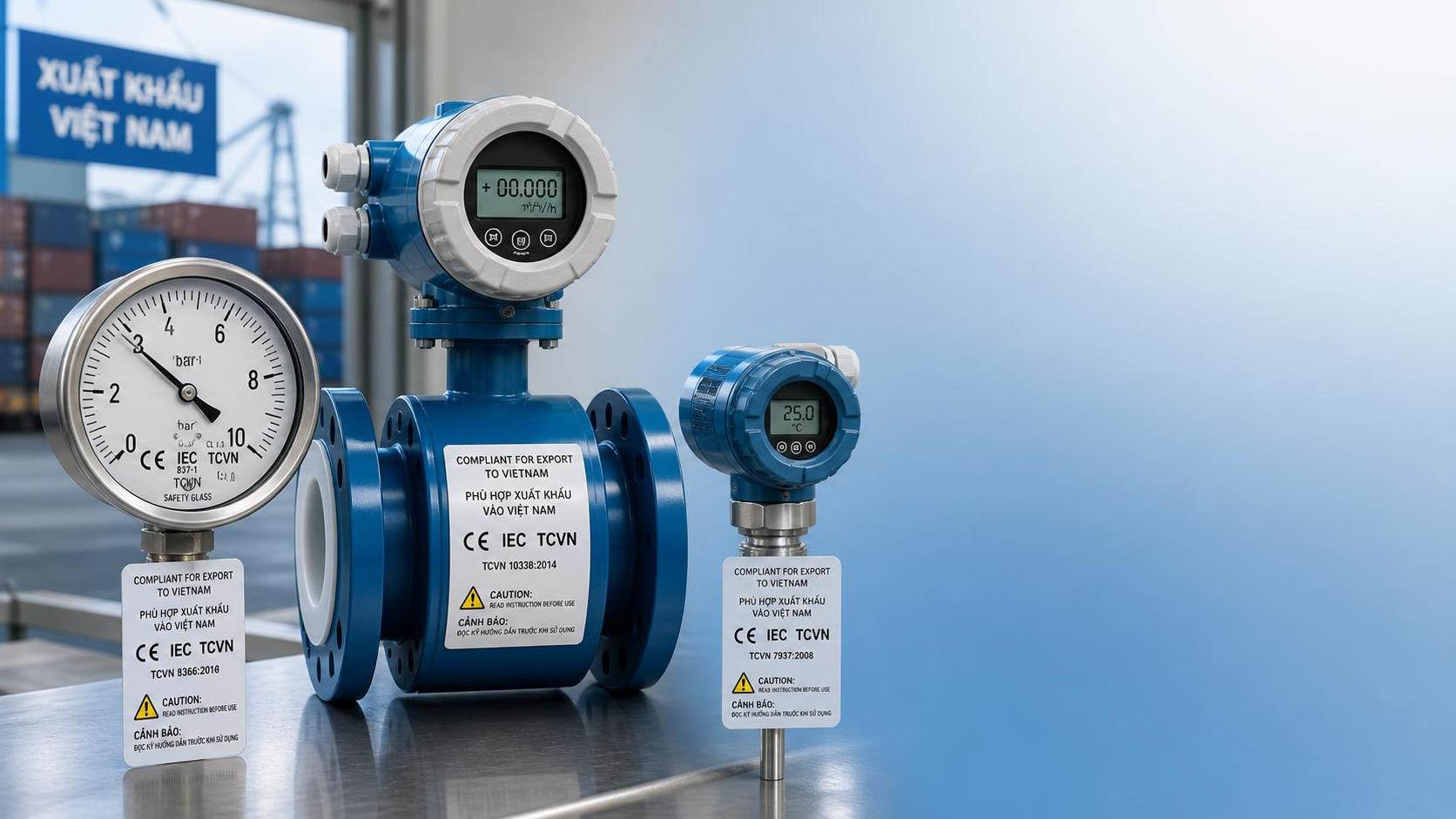
 Vietnam MOIT Rule Tightens Labeling for Imported Industrial InstrumentsVietnam MOIT Rule Tightens Labeling for Imported Industrial Instruments: learn how new Vietnamese label, CE/IEC/TCVN, and local service contact rules affect customs clearance and market access.
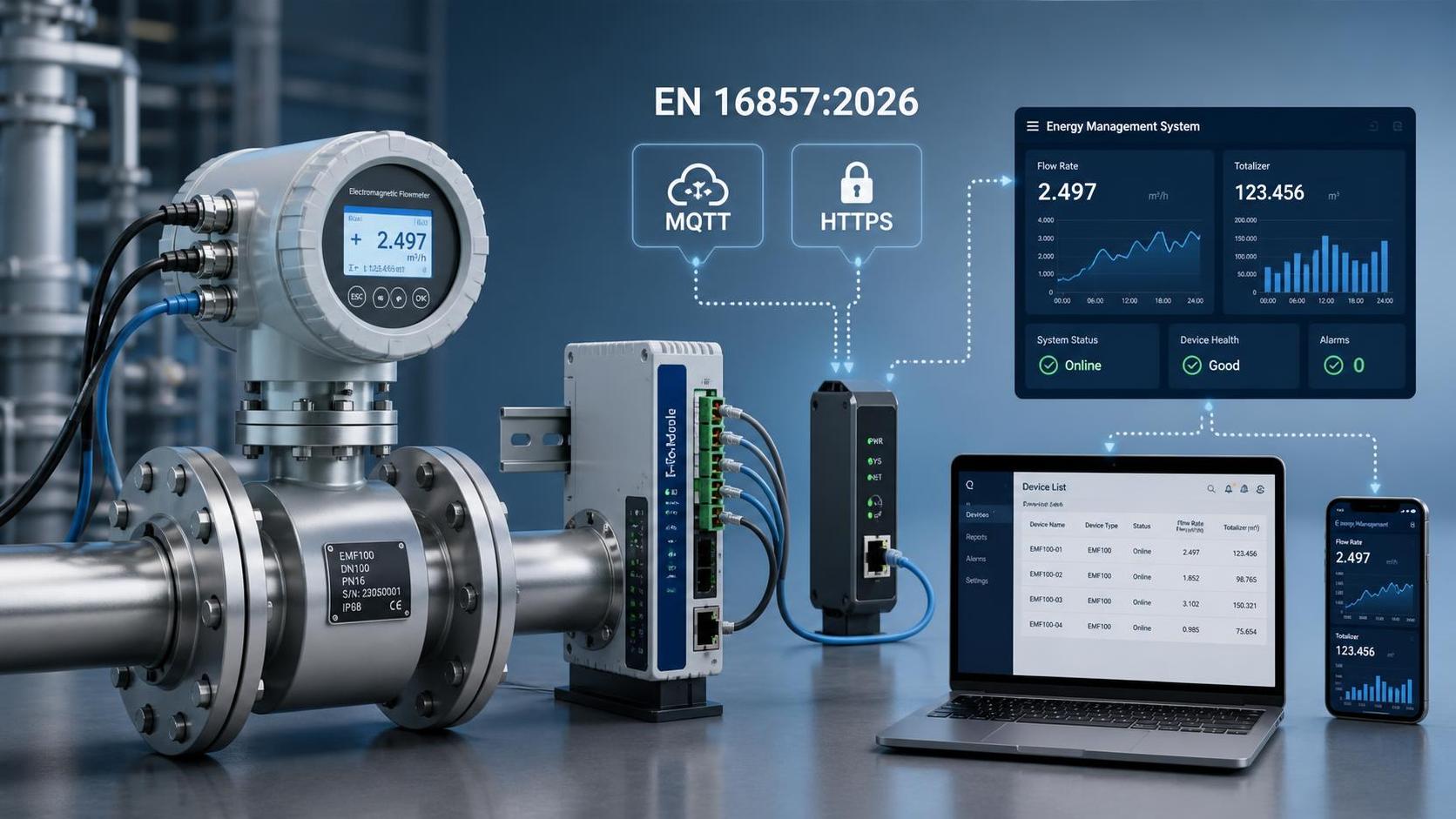
 EU Energy Rule Takes Effect: Flow Meters Need Data InterfacesEU energy rule now requires industrial flow meters with data interfaces. Learn how EN 16857:2026, MQTT/HTTPS, and updated compliance affect exports, customs, and buying decisions.
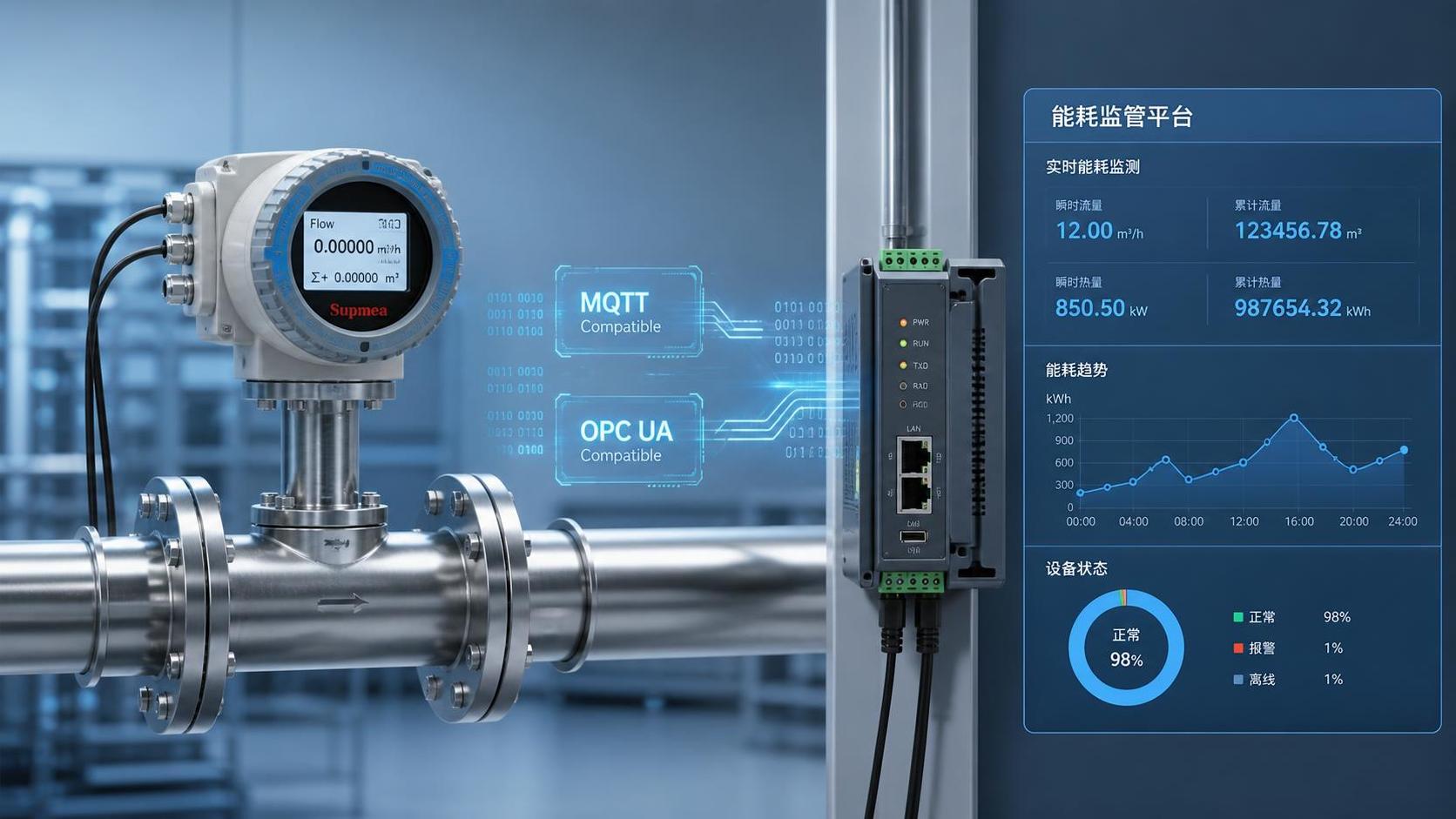
 EU Efficiency Rule Adds Data Interface Mandate for FlowmetersFlowmeters face a major EU compliance shift: from Sept. 1, 2026, new models must support MQTT or OPC UA and direct energy-data reporting. See how this rule impacts design, CE documents, and EU exports.
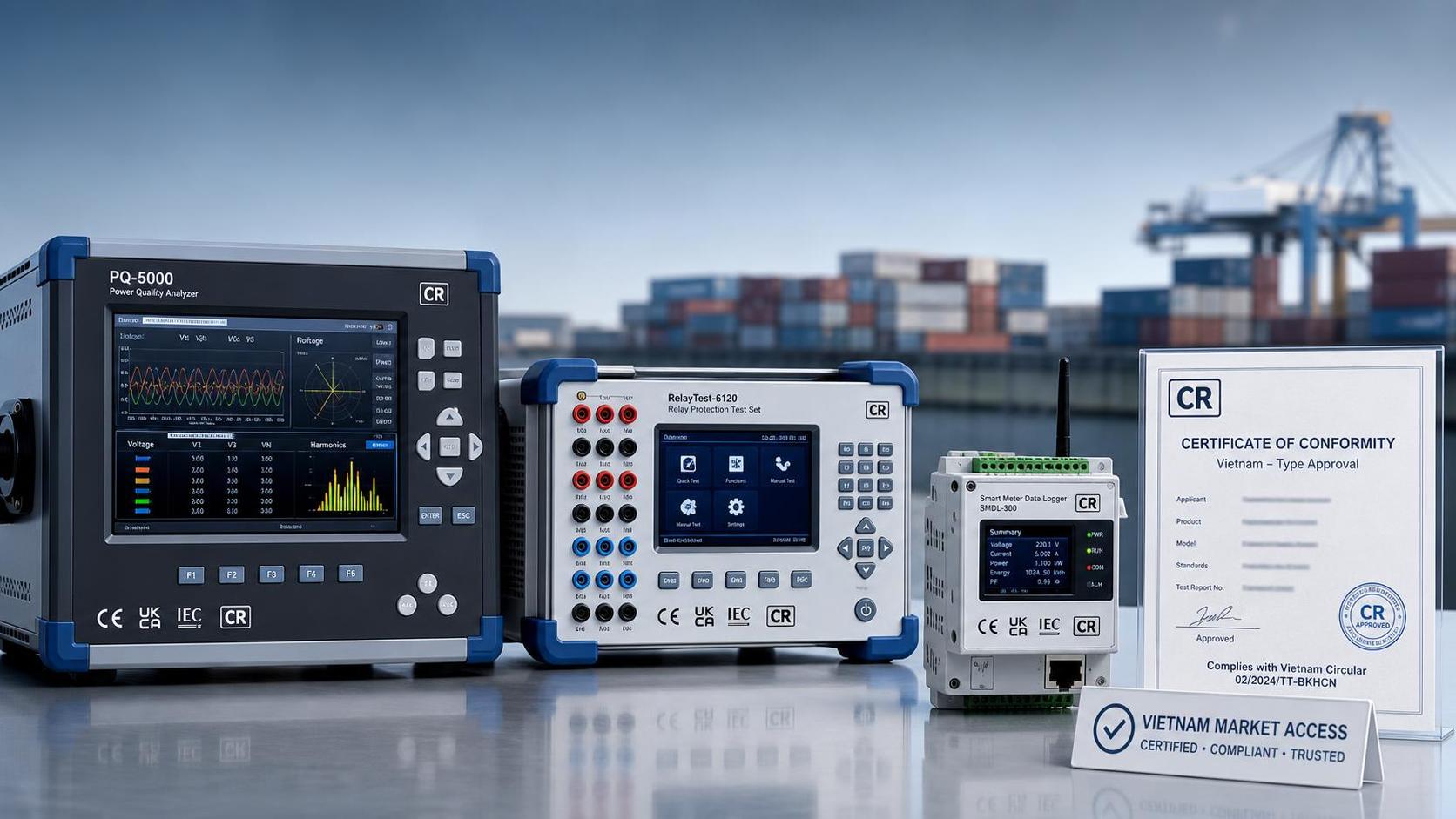
 Vietnam MOIT Makes QCVN 112:2026 MandatoryVietnam MOIT Makes QCVN 112:2026 Mandatory for imported power monitoring instruments from Sept 1, 2026. Learn certification, CR mark, and supply-chain impacts now.
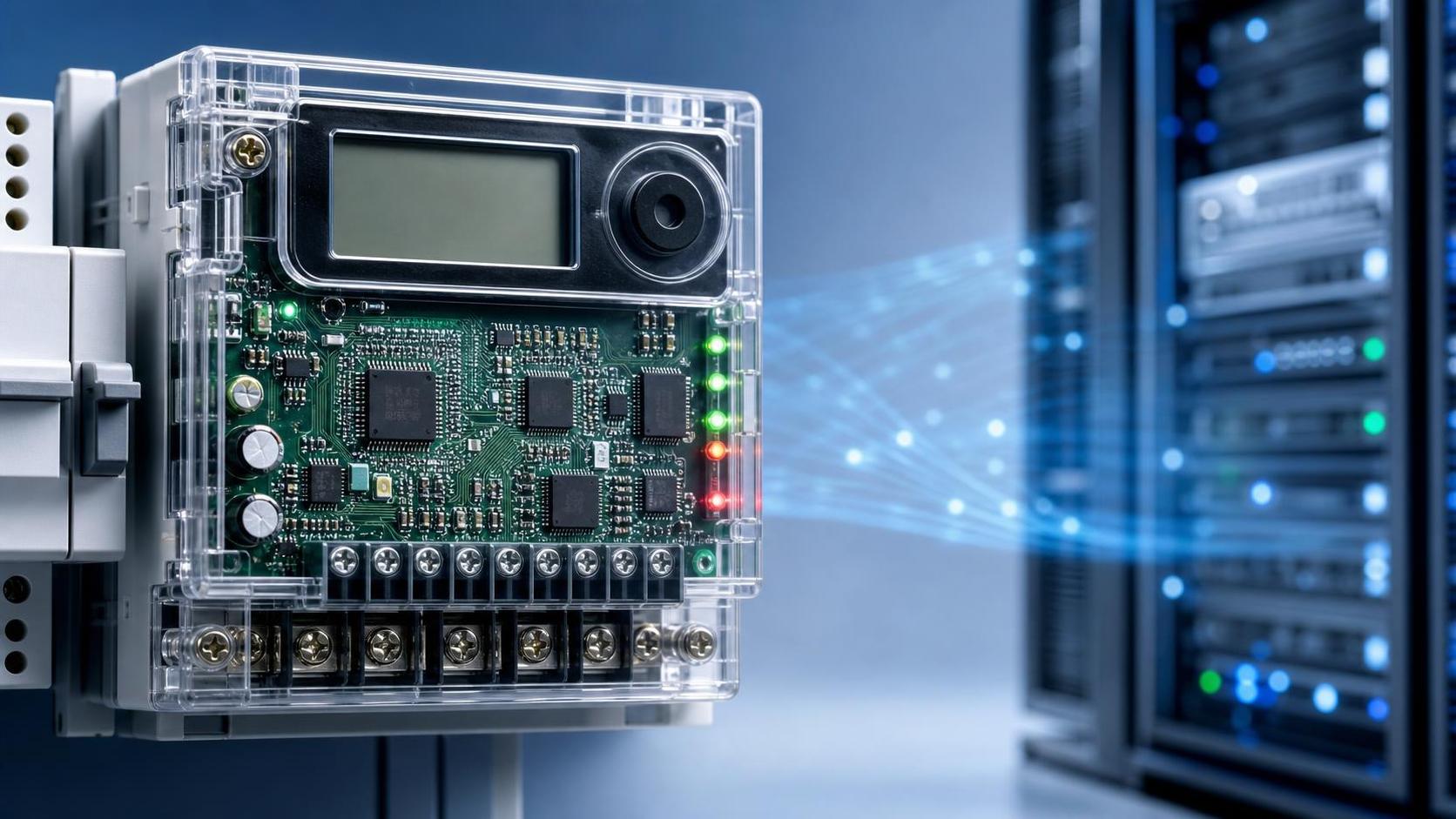
 IEC 62053-22:2026 Mandates Secure OTA for Class 1 MetersIEC 62053-22:2026 mandates secure OTA for Class 1 meters, reshaping smart meter compliance, procurement, and market access. Learn what manufacturers and buyers must prepare now.
Chat Online