


On September 1, 2026, industry attention remains focused on the U.S. Department of Energy’s updated cybersecurity guidance for advanced metering infrastructure, released on June 5, 2026. The revision introduces a clear procurement and deployment requirement starting in the third quarter of 2026: newly purchased and deployed smart meters, including related data collection terminals, must include an encryption audit module aligned with NIST IR 8401-2025. For smart meter exporters, power monitoring instrument suppliers, procurement teams, and cross-border supply chain participants, this matters because the change moves cybersecurity capability from a recommended feature into a concrete compliance point tied to product delivery.
What the DOE revision now requires
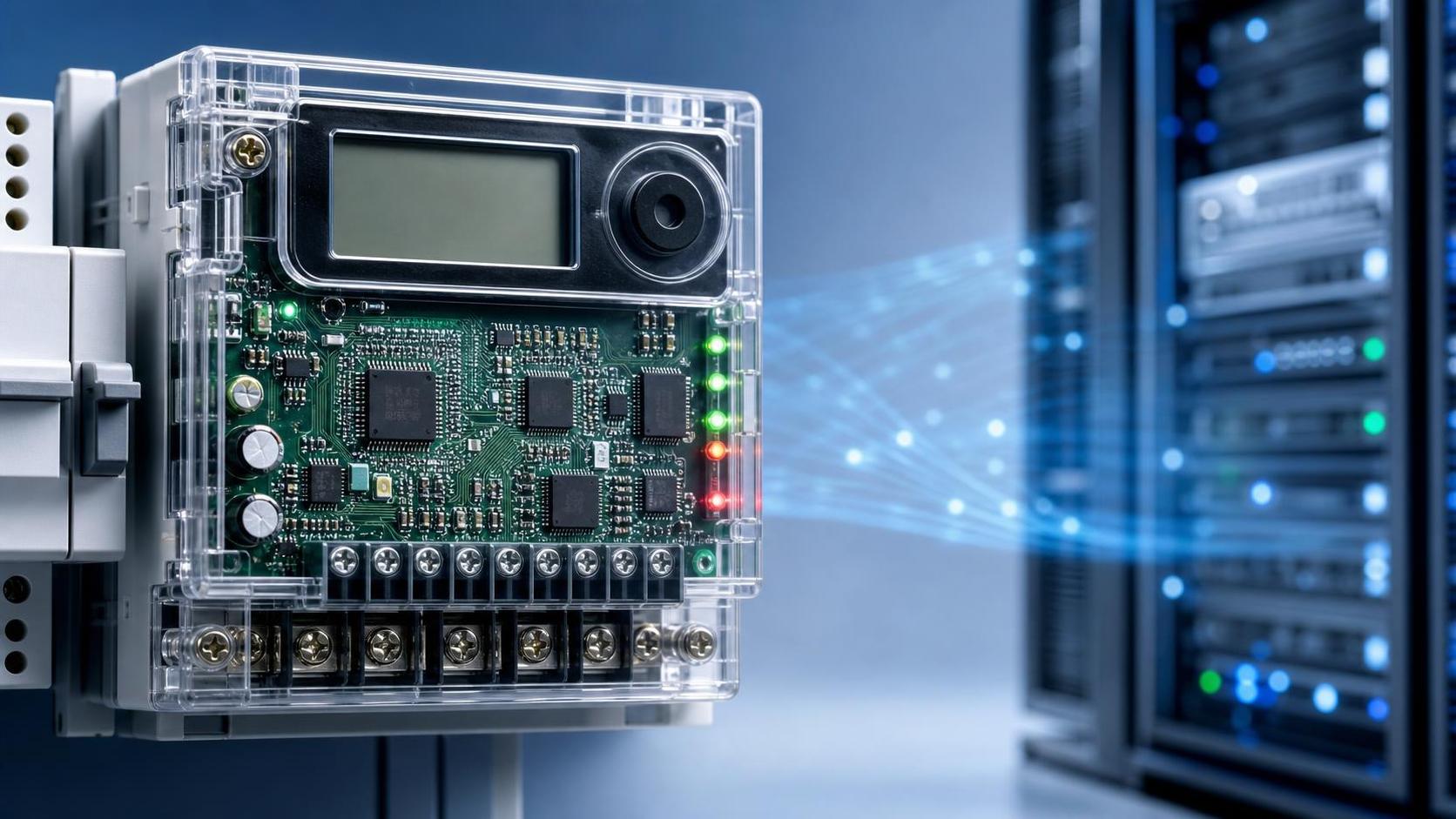
According to the provided information, the DOE issued a revised version of its Advanced Metering Infrastructure (AMI) Cybersecurity Guidelines on June 5, 2026. Under that revision, all newly procured and deployed smart meters, together with supporting data collection terminals, must from 2026 Q3 onward include an encryption audit module that complies with NIST IR 8401-2025.
The required module must support three stated functions: traceability across the key lifecycle, firmware signature verification, and remote export of audit logs. The information provided also indicates that this requirement will directly affect the export supply chain from China to the U.S. for smart meters and power monitoring instruments.
Where the pressure is likely to appear across the supply chain
Export-facing device manufacturers will face specification alignment issues
From an industry perspective, manufacturers selling smart meters and related monitoring devices into the U.S. market are likely to feel the impact first because the new requirement is tied to new procurement and deployment. The main pressure point is product specification alignment: whether existing models, related terminals, and supporting documentation can demonstrate the presence of the required encryption audit capabilities.
Procurement and project delivery teams may need to reassess acceptance conditions
Analysis shows that buyers, project contractors, and delivery teams may need to pay closer attention to technical acceptance language, especially where products are already in procurement cycles or close to deployment. The practical issue is not only whether a device functions as intended, but whether it can be presented as meeting the specified audit, signature verification, and remote log export requirements within the new timeframe.
Supply chain service providers may see more compliance-sensitive coordination
For supply chain service providers handling export coordination, documentation flow, and customer communication, the likely impact is procedural rather than purely technical. What deserves closer attention is whether product records, compliance materials, and shipment-related communications remain consistent with the revised requirements, particularly for goods intended for the U.S. market.
What companies should watch now
Track whether official wording is further clarified
Analysis shows that companies should continue to watch for any further official clarification around how the requirement is interpreted in practice, especially regarding the scope of covered devices and how the mandated module functions are expected to be presented during procurement or deployment review.
Review product and terminal coverage together
The provided information explicitly includes not only smart meters but also supporting data collection terminals. For that reason, companies should not isolate compliance review to the meter itself. What deserves closer attention is whether connected terminal products, bundled solutions, and supporting delivery configurations are being assessed under the same requirement set.
Prepare customer-facing compliance materials early
Observably, the requirement concerns functions that are often examined through technical descriptions, verification records, and audit-related documentation. Companies involved in export sales and project fulfillment should pay attention to whether customer communication, product files, and delivery documents clearly address key lifecycle traceability, firmware signature verification, and remote audit log export.
Separate policy signal from immediate business execution
It is more appropriate to understand this as both a live compliance requirement and a broader policy signal. In practical terms, companies should distinguish between what must already be addressed for new procurement and deployment from 2026 Q3, and what still requires continued observation because implementation details beyond the provided summary have not been supplied here.
Why this reads as more than a routine guideline update
As an editorial observation, this development is better understood as a concrete tightening of cybersecurity expectations in the AMI segment rather than a purely symbolic update. The reason is that the change is tied to specific module functions and a defined implementation window. At the same time, it should not be overstated as a complete reshaping of the market based solely on the information provided. The more cautious reading is that cybersecurity auditability is becoming a more explicit condition of market access for relevant equipment entering U.S.-linked procurement and deployment channels.
How to read the signal at this stage
At this stage, the update carries immediate relevance for companies connected to U.S.-bound smart meter and power monitoring instrument business, especially where procurement, product configuration, and delivery schedules are already active. Analysis shows that the news is best understood neither as a short-lived policy headline nor as a fully settled end-state. It is a clear operational compliance signal with longer-term implications that still warrant continued monitoring as market participants interpret and apply it.
Basis of this article
This article is generated from the user-provided news title, event date, and event summary. For this type of development, commonly relevant source categories may include official government notices, company statements, industry association updates, authoritative media coverage, and standards-related documents. No specific official source link was provided in the input, so the exact source document link still needs ongoing verification. Any later clarification on scope, enforcement interpretation, or downstream procurement practice should continue to be monitored.


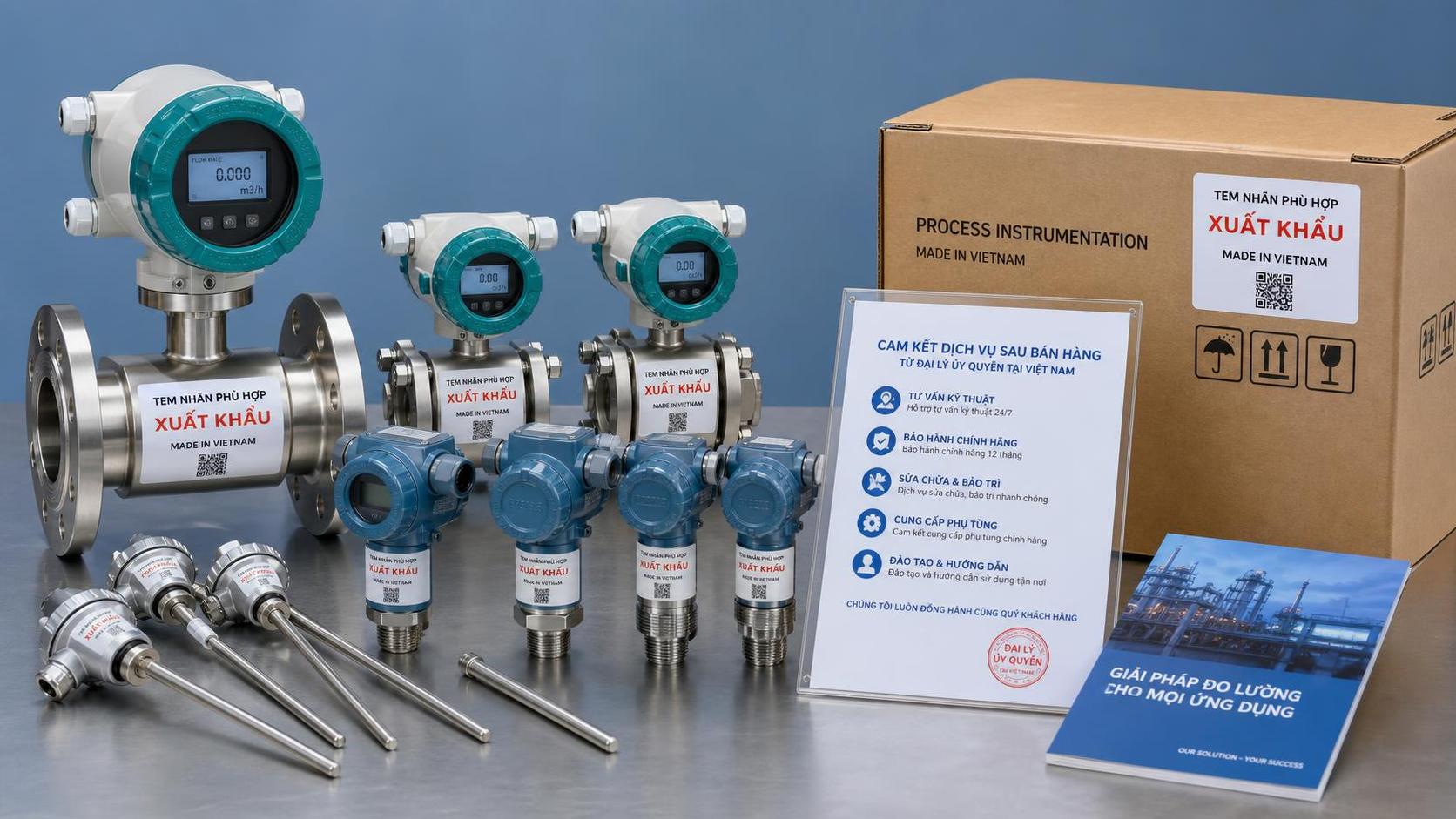
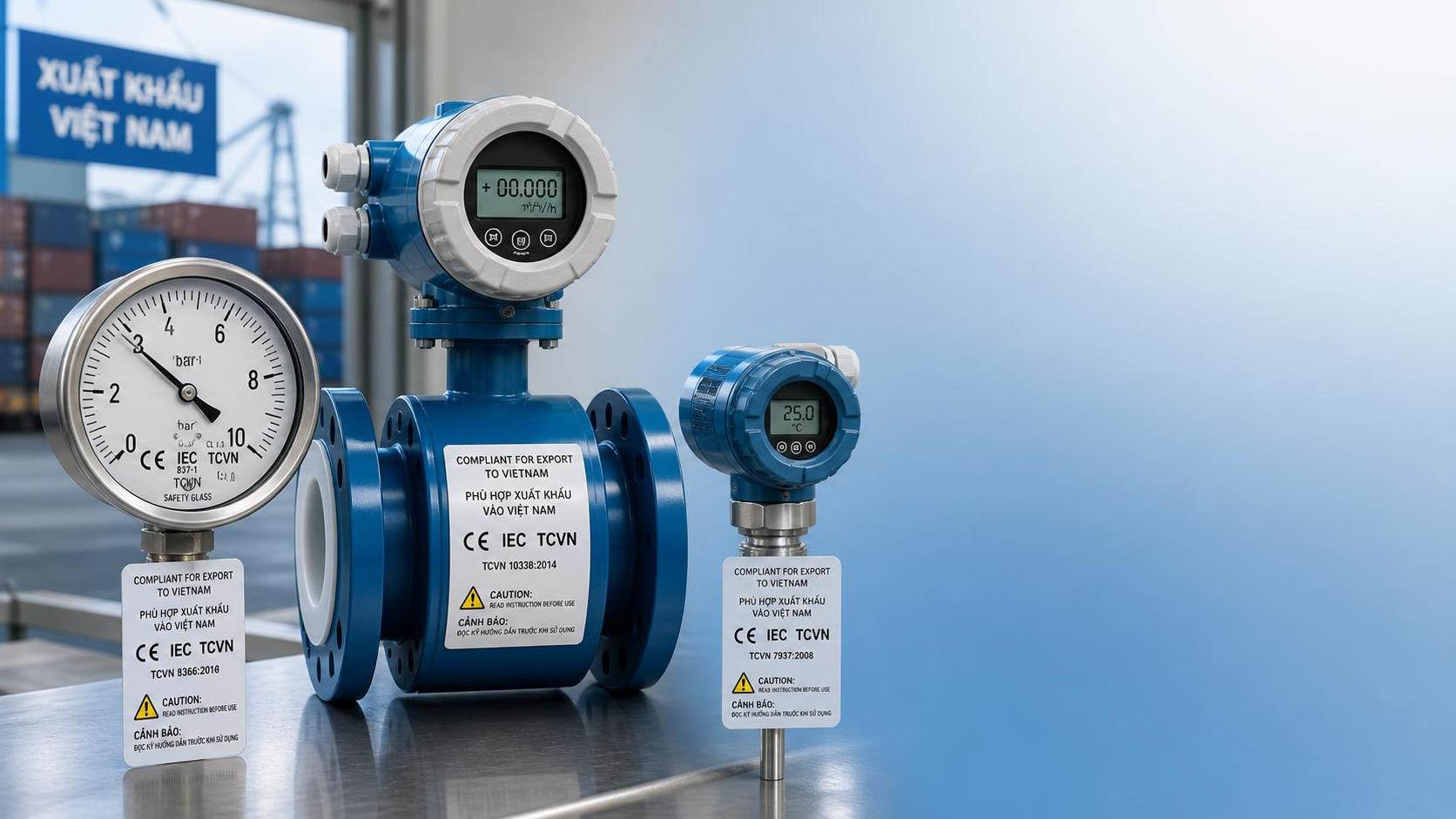
 Vietnam Rule Takes Effect Sept. 1: Imported Industrial Instruments Need Vietnamese Labels and Local After-Sales CommitmentVietnam’s Sept. 1 rule requires Vietnamese labels and local after-sales support for imported industrial instruments. See what HS 9026/9028 exporters and buyers must do now.
 Vietnam MOIT Rule Tightens Labeling for Imported Industrial InstrumentsVietnam MOIT Rule Tightens Labeling for Imported Industrial Instruments: learn how new Vietnamese label, CE/IEC/TCVN, and local service contact rules affect customs clearance and market access.
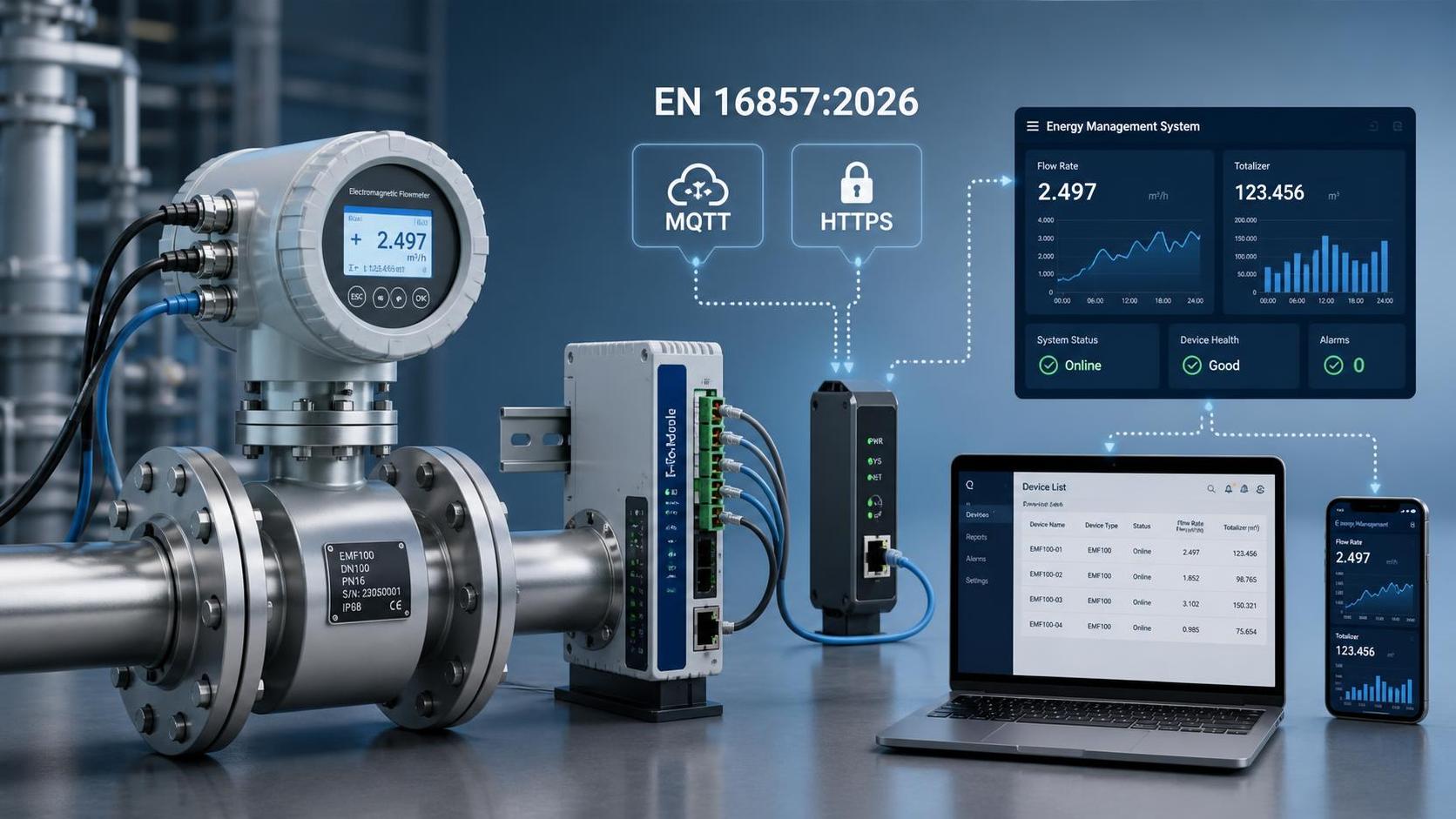
 EU Energy Rule Takes Effect: Flow Meters Need Data InterfacesEU energy rule now requires industrial flow meters with data interfaces. Learn how EN 16857:2026, MQTT/HTTPS, and updated compliance affect exports, customs, and buying decisions.
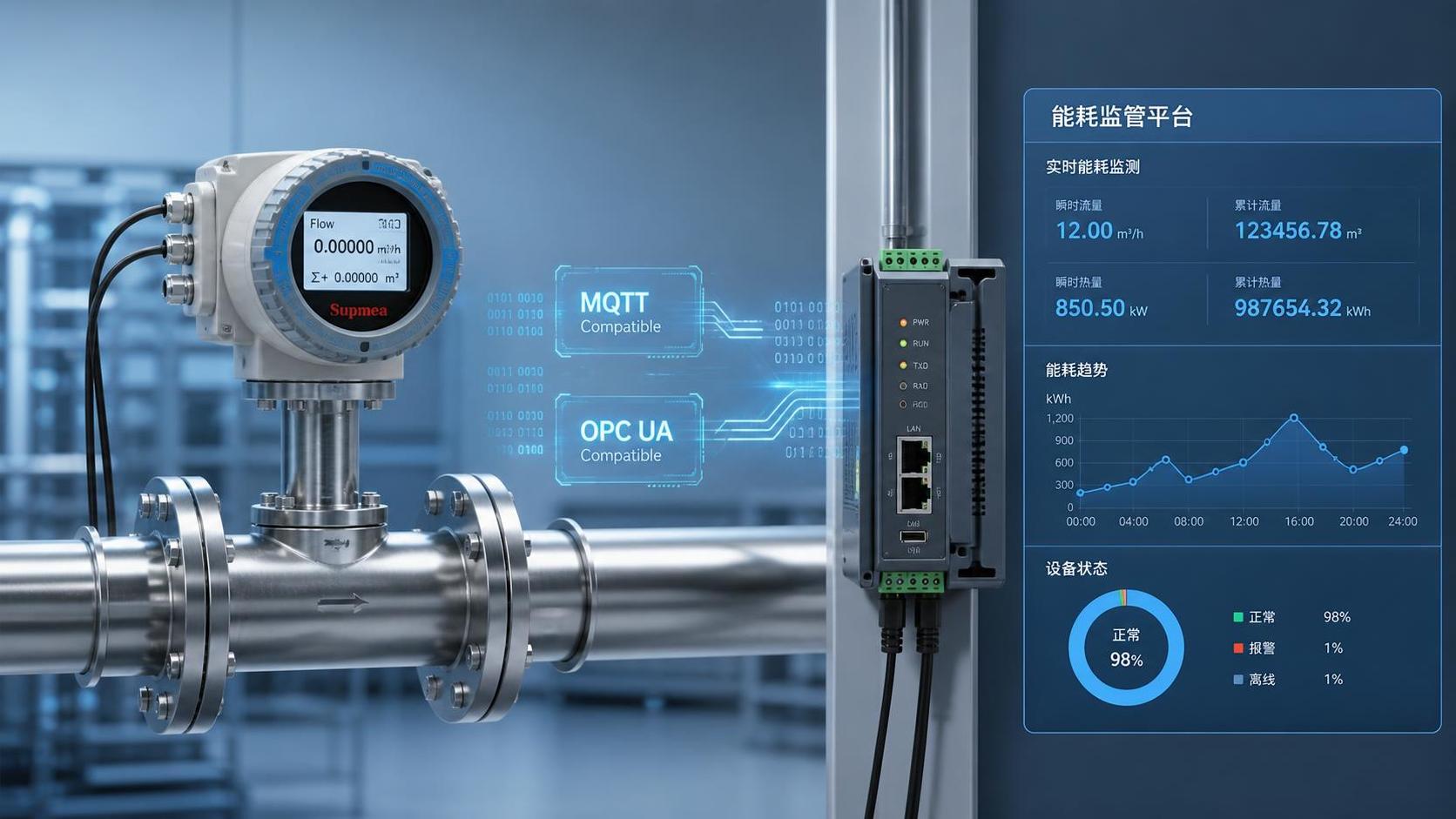
 EU Efficiency Rule Adds Data Interface Mandate for FlowmetersFlowmeters face a major EU compliance shift: from Sept. 1, 2026, new models must support MQTT or OPC UA and direct energy-data reporting. See how this rule impacts design, CE documents, and EU exports.
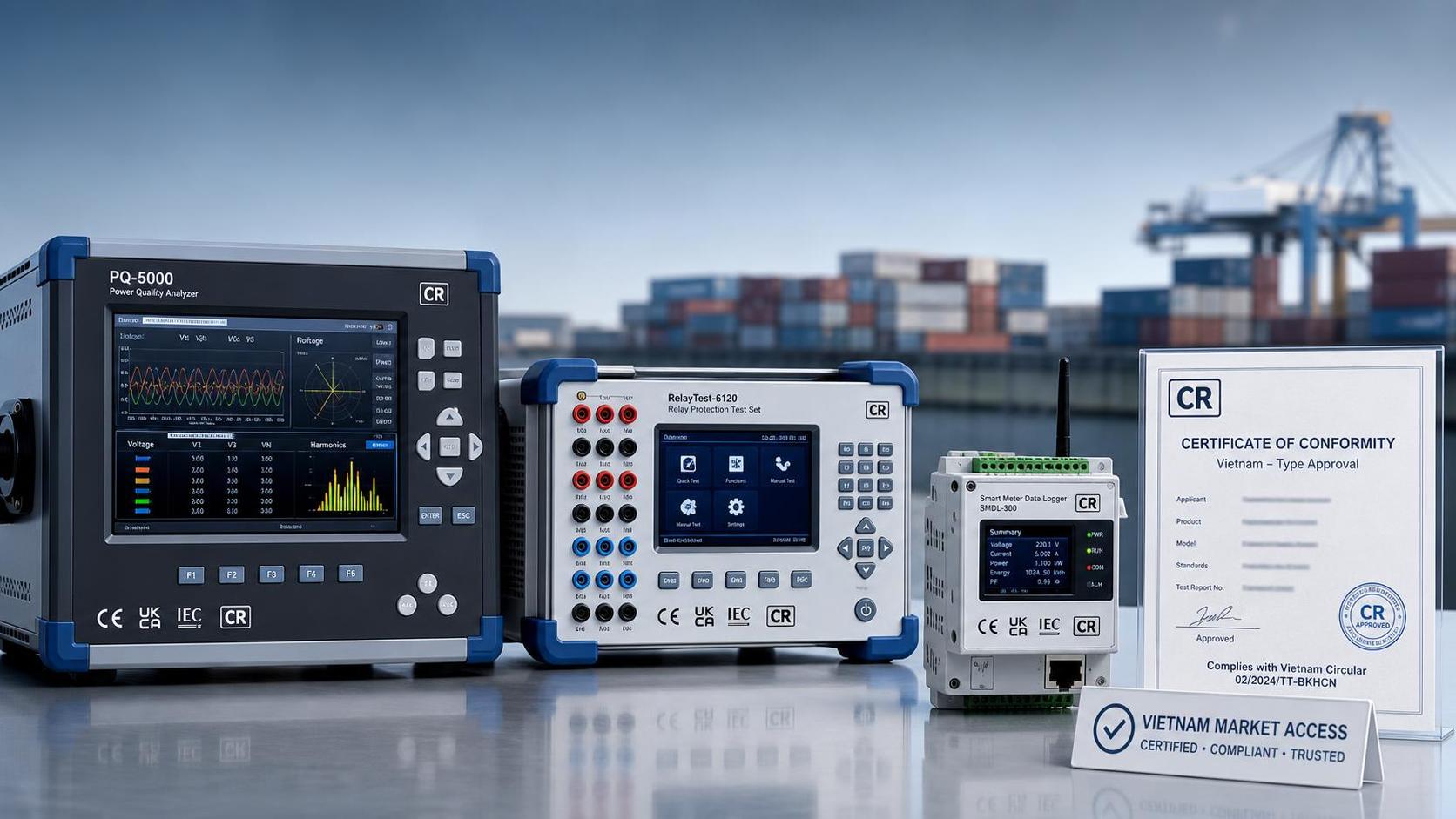
 Vietnam MOIT Makes QCVN 112:2026 MandatoryVietnam MOIT Makes QCVN 112:2026 Mandatory for imported power monitoring instruments from Sept 1, 2026. Learn certification, CR mark, and supply-chain impacts now.
 IEC 62053-22:2026 Mandates Secure OTA for Class 1 MetersIEC 62053-22:2026 mandates secure OTA for Class 1 meters, reshaping smart meter compliance, procurement, and market access. Learn what manufacturers and buyers must prepare now.
Chat Online