


On July 20, 2026, the U.S. Department of Energy updated its Advanced Metering Infrastructure Interoperability Guidelines, introducing a new compliance baseline for newly procured power quality analyzers and smart meters from January 2027 onward. The change matters because it links technical access to explicit cybersecurity and certification requirements, which directly affects suppliers selling into North American utility procurement programs, including Chinese exporters that serve this market.
What the revised guideline now requires
According to the provided information, the Department of Energy released a revised version of the Advanced Metering Infrastructure Interoperability Guidelines on July 20, 2026. The updated guideline states that, starting in January 2027, all newly procured power quality analyzers and smart meters must support NIST SP 800-171 Rev.3 encryption protocols and must also obtain FIPS 140-3 certification. The stated effect of this requirement is a direct increase in the technical entry requirements for Chinese power instrument exports to North American utility companies.
Where the pressure is likely to appear first
Export suppliers facing specification access risk
Manufacturers and exporters of smart meters and power quality analyzers are likely to feel the change first because access to utility procurement depends on whether products can meet the newly stated technical and certification conditions. From a business perspective, the immediate issue is no longer only product performance, but whether encryption capability and certification status can be aligned with tender and customer requirements before delivery commitments are made.
Utility procurement and bid qualification reviews
For procurement teams and project buyers, the rule change is likely to shift attention toward technical specification screening, bid document language, and pre-award qualification checks. What deserves closer attention is whether future procurement files, supplier qualification documents, and technical review processes begin to treat support for NIST SP 800-171 Rev.3 and FIPS 140-3 certification as mandatory rather than optional evaluation items.
Testing, certification, and compliance support functions
Certification-related service providers and compliance teams may also be affected because the new requirement ties market access more directly to documented conformity. In practice, this can increase attention on technical files, certification evidence, product documentation, and consistency between product claims and procurement submissions. For suppliers, the compliance burden may move earlier in the sales cycle, especially where utility buyers require proof before contract award.
Delivery planning and after-sales obligations
Supply chain and delivery teams should also watch the change closely. If customer requirements, technical submissions, and delivered configurations are expected to match the updated guideline, then shipment planning, model selection, and post-delivery support may all need tighter control. Observably, this is not only a market-entry issue; it may also affect how suppliers manage traceability and configuration consistency across export orders.
What companies should review now
Check whether current product configurations match the new baseline
Companies serving utility customers should review whether affected smart meters and power quality analyzers are able to support the required NIST SP 800-171 Rev.3 encryption protocols. Analysis shows that this is a practical starting point because product capability gaps can affect quotation strategy, technical bid alignment, and contract feasibility.
Reassess certification readiness and supporting documents
Firms should also review the status of FIPS 140-3 certification for relevant products and modules, as well as the completeness of supporting technical documents. Where certification status is incomplete or unclear, the immediate concern is not to assume acceptance. It is more appropriate to treat certification evidence, compliance statements, and technical documentation as core commercial materials for future utility-facing business.
Monitor procurement wording and execution practice
The provided information confirms the new requirement and its effective timing for new procurement, but it does not provide detailed execution procedures. For that reason, exporters, bid teams, and compliance managers should monitor how the requirement is reflected in procurement specifications, supplier qualification requests, and technical review language once implementation approaches.
Prepare for changes in order timing and customer communication
Companies with active North American utility business should pay attention to whether customers begin adjusting procurement schedules, qualification timelines, or product documentation requests ahead of January 2027. From an operational perspective, early communication with buyers and channel partners may become important where projects depend on confirming compliance status before award or shipment.
How this should be read at this stage
From an industry perspective, this update is more than a general policy signal because it introduces a stated future requirement tied to new procurement. At the same time, the available information does not describe detailed enforcement pathways, transitional treatment, or specific procurement interpretation. It is therefore more appropriate to understand this as a confirmed compliance direction with immediate commercial relevance, while still recognizing that execution details and market response need continued observation.
Why the market will keep watching this update
The main significance of the update is that cybersecurity capability and certification status are being positioned more directly within product access requirements for utility procurement. For exporters and supply-chain participants, the practical issue is not abstract regulatory change, but whether products, documents, certifications, and delivery plans can stay aligned with buyer expectations as the January 2027 date approaches. A balanced reading is that this is already a meaningful rule change, but its full commercial effect will depend on how procurement practice and compliance interpretation develop in the market.
Basis of this article and items still to verify
This article is based on the user-provided news title, event date, and event summary. For events of this kind, relevant source types would typically include official agency announcements, regulator publications, standard-setting documents, trade or customs authority information, industry association materials, and reporting by established professional media. No specific official source link was provided in the input, so the exact official link still needs to be verified. Continued attention should also be given to later implementation details, certification interpretation, procurement document changes, industry feedback, and how companies execute against the new requirement in practice.


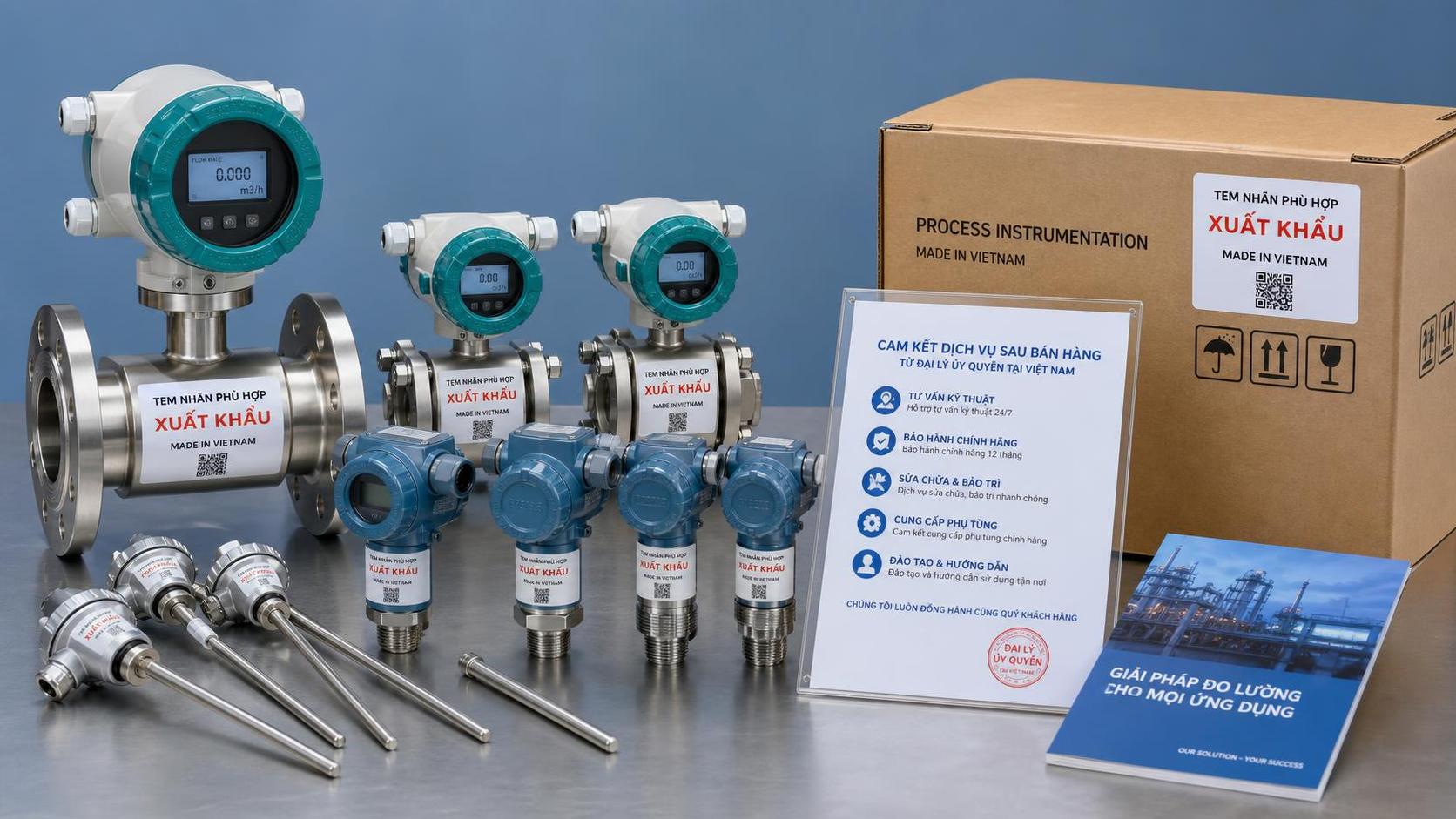
 Vietnam Rule Takes Effect Sept. 1: Imported Industrial Instruments Need Vietnamese Labels and Local After-Sales CommitmentVietnam’s Sept. 1 rule requires Vietnamese labels and local after-sales support for imported industrial instruments. See what HS 9026/9028 exporters and buyers must do now.
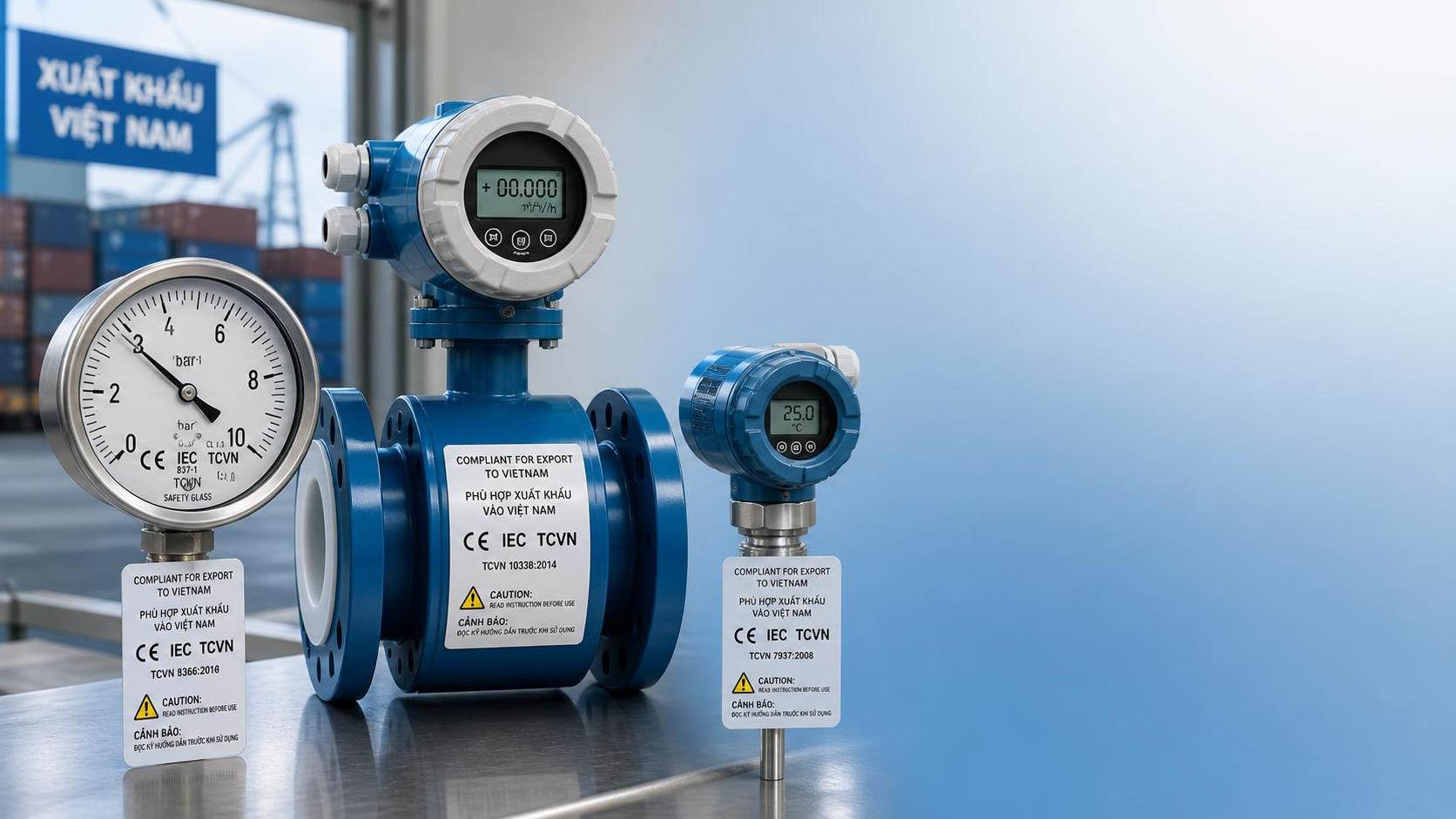
 Vietnam MOIT Rule Tightens Labeling for Imported Industrial InstrumentsVietnam MOIT Rule Tightens Labeling for Imported Industrial Instruments: learn how new Vietnamese label, CE/IEC/TCVN, and local service contact rules affect customs clearance and market access.
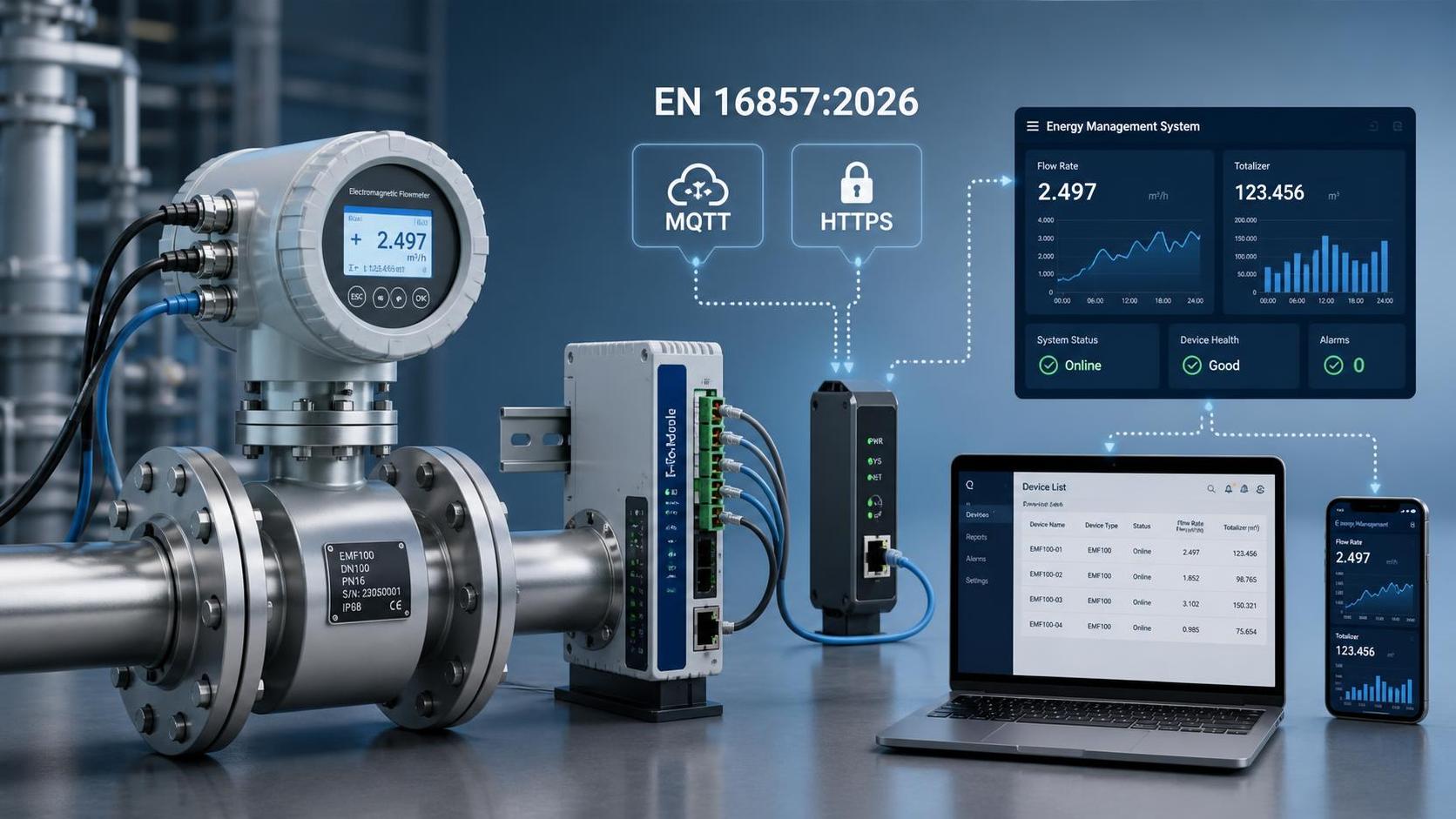
 EU Energy Rule Takes Effect: Flow Meters Need Data InterfacesEU energy rule now requires industrial flow meters with data interfaces. Learn how EN 16857:2026, MQTT/HTTPS, and updated compliance affect exports, customs, and buying decisions.
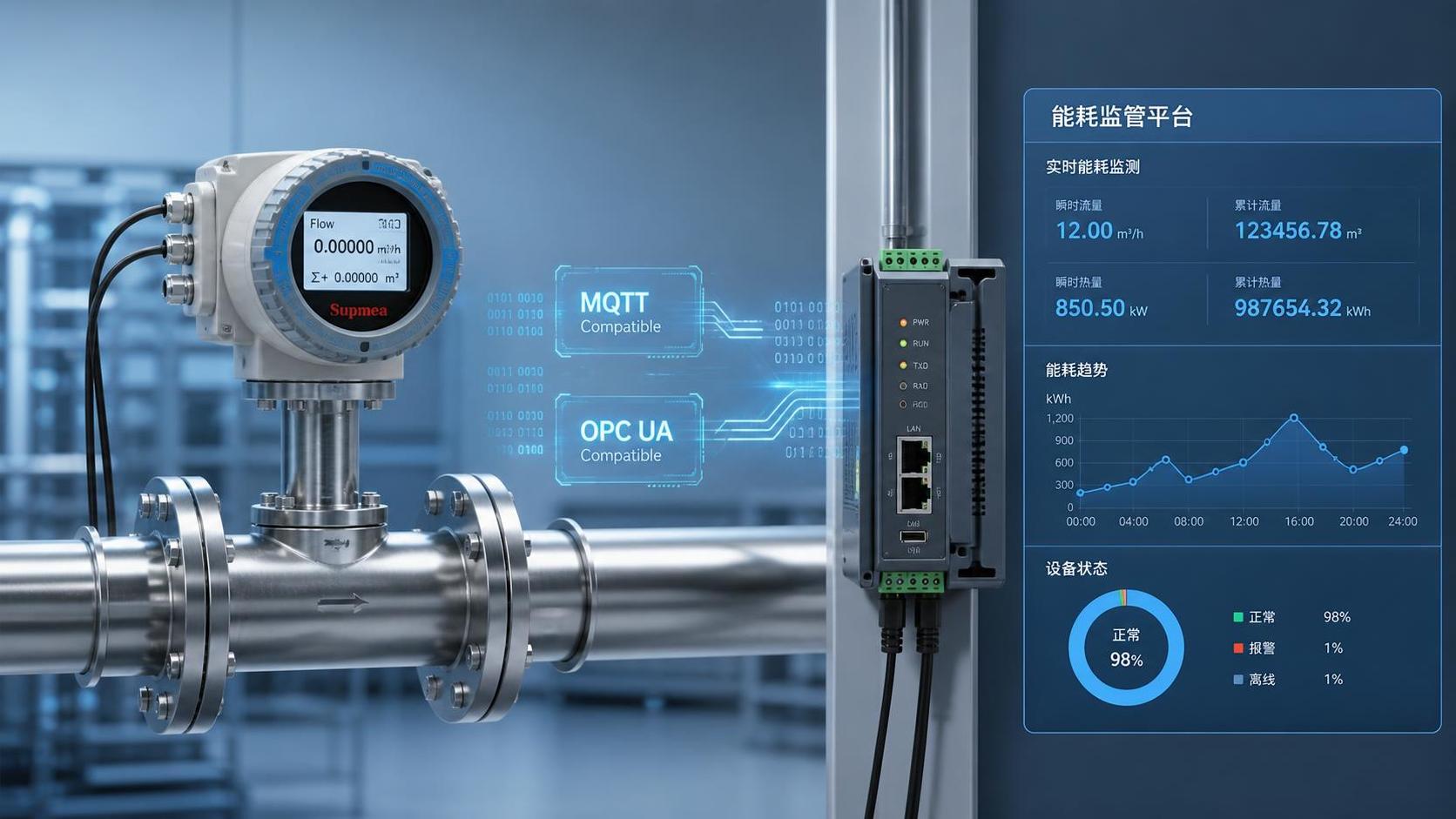
 EU Efficiency Rule Adds Data Interface Mandate for FlowmetersFlowmeters face a major EU compliance shift: from Sept. 1, 2026, new models must support MQTT or OPC UA and direct energy-data reporting. See how this rule impacts design, CE documents, and EU exports.
 Vietnam MOIT Makes QCVN 112:2026 MandatoryVietnam MOIT Makes QCVN 112:2026 Mandatory for imported power monitoring instruments from Sept 1, 2026. Learn certification, CR mark, and supply-chain impacts now.
 IEC 62053-22:2026 Mandates Secure OTA for Class 1 MetersIEC 62053-22:2026 mandates secure OTA for Class 1 meters, reshaping smart meter compliance, procurement, and market access. Learn what manufacturers and buyers must prepare now.
Chat Online