


The UK’s new regulatory requirements for medical devices—including mandatory Unique Device Identification (UDI) and electronic instructions for use—will take effect on 1 June 2027, significantly impacting exporters of medical device support equipment from China to the GB market.
Regulatory Update: G/TBT/N/GBR/120 Notification and the 2026 Amendment
On 8 May 2026, the United Kingdom issued notification G/TBT/N/GBR/120, introducing the Medical Devices (Amendment) Regulations 2026. The regulation mandates that all medical devices and in vitro diagnostic (IVD) products placed on the GB market from 1 June 2027 must bear a UDI and may provide instructions for use in electronic format instead of printed paper. This applies across device classes and includes associated support equipment.
Impact Across the Supply Chain
Exporters and Direct Trading Enterprises
Manufacturers exporting particle counters, cleanroom environmental monitors, and biological safety cabinet performance testers to the UK must now embed UDI at the unit and packaging levels and ensure traceability systems align with UK requirements. Non-compliant shipments risk customs rejection or market withdrawal post-implementation.
Manufacturing Enterprises
Device producers must revise labelling workflows, update technical documentation (e.g., EUA-equivalent conformity evidence, risk management files), and validate UDI assignment against GS1 or HIBCC standards. Internal quality systems must support UDI data submission to the UK’s future national database (if established).
Supply Chain Service Providers
Distributors and authorised representatives in GB will be responsible for verifying UDI system compatibility and completeness of technical documentation before placing devices on the market. Their due diligence obligations are heightened under the revised regime.
Procurement and Sourcing Entities
Importers and procurement teams must now assess supplier readiness—not only for UDI generation but also for maintaining version-controlled, accessible electronic instructions. Contractual terms should explicitly address compliance timelines and liability for non-conformance.
Key Compliance Priorities for Manufacturers
UDI System Integration and Data Submission
Companies must implement a UDI-compliant identification system aligned with ISO/IEC 15459 and assign device identifiers per GS1 Application Identifiers (e.g., GTIN, PI, DI). Data must be structured for potential submission to a UK-mandated repository, even if formal infrastructure is not yet live.
Technical Documentation Audit and Update
All technical files—including clinical evaluation summaries, sterilisation validation reports, and software lifecycle documentation—must reflect UDI integration and confirm that electronic instructions meet readability, accessibility, and versioning requirements under the 2026 Regulations.
Label and Packaging Redesign
Labels must include human-readable and AIDC (e.g., barcode or RFID) UDI elements. Packaging hierarchy (unit, shipping container, pallet) must support UDI assignment at each level, with clear linkage to product specifications and intended use.
Supplier Qualification and Traceability Alignment
For components sourced externally (e.g., sensors, calibration modules), manufacturers must verify that suppliers can provide UDI-ready subassemblies and maintain full traceability—especially where UDI data flows across tiered supply chains.
Industry Perspective: Beyond Compliance to Capability Building
Analysis shows this shift reflects a broader global convergence toward digital traceability and lifecycle transparency—not merely a UK-specific administrative hurdle. From an industry perspective, the six-month gap between notification (May 2026) and enforcement (June 2027) is tight for SMEs to overhaul labelling, IT systems, and documentation practices. What deserves closer attention is how UK regulators will interpret ‘electronic instructions’: whether offline-accessible formats (e.g., PDF on USB) qualify, or if cloud-based, authenticated access becomes the de facto standard. Observably, early adopters are treating UDI implementation as a catalyst for upgrading internal quality management systems—not just meeting a regulatory checkbox.
Taking Stock: Strategic Implications for Global Suppliers
This regulation signals a structural pivot—from static, paper-based conformity to dynamic, data-driven market access. For Chinese manufacturers of medical device support equipment, it underscores that regulatory agility is now a core export competency. Success hinges less on one-time certification and more on sustained system readiness: scalable UDI generation, modular technical documentation, and interoperable digital instruction platforms. The change does not raise absolute market entry barriers—but it elevates the operational baseline for sustained GB market participation.
Source Attribution and Ongoing Monitoring
This article is generated exclusively from the provided title, event date (1 June 2027), and summary. Specific official source links were not provided in the input and should be verified continuously. Stakeholders are advised to monitor updates from the UK Medicines and Healthcare products Regulatory Agency (MHRA), the Department for Business and Trade (DBT), and WTO TBT Enquiry Point notifications for final guidance, implementation clarifications, transitional arrangements, and sector-specific Q&As.


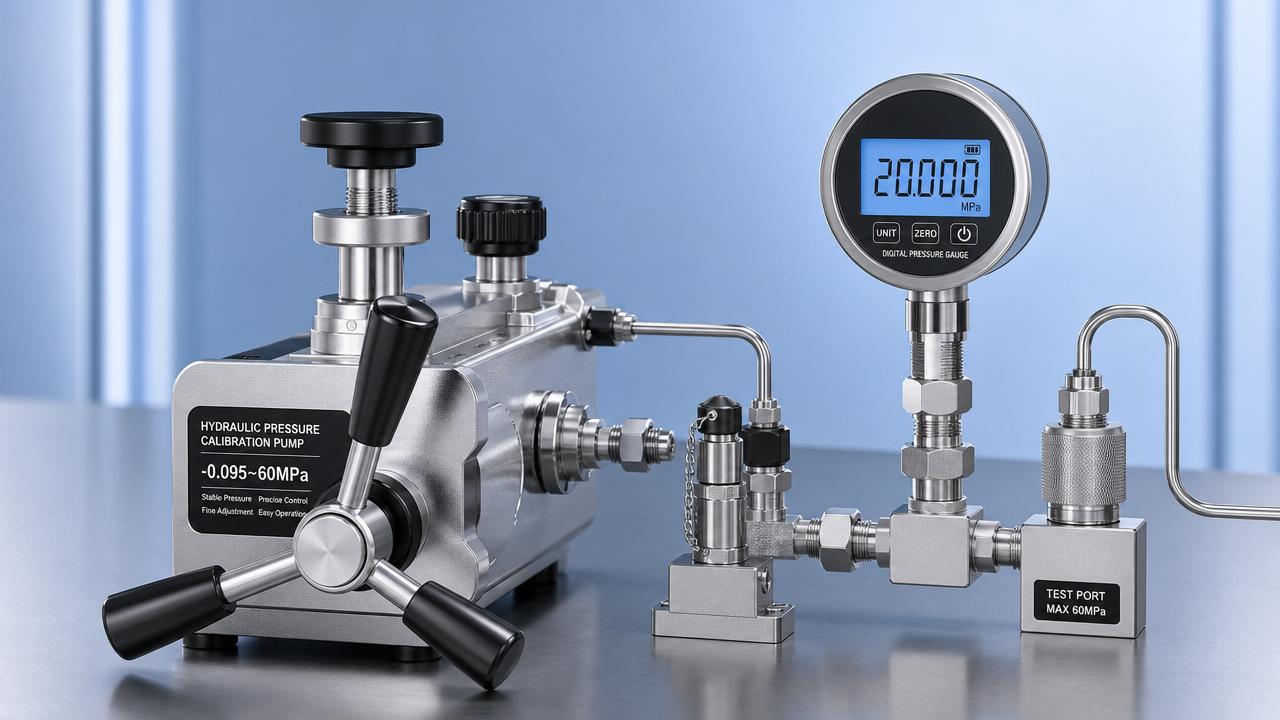
 How to Read Hydraulic Calibration Pump Specifications CorrectlyHydraulic calibration pump specifications explained clearly: learn how to assess pressure range, stability, fine control, and compatibility to choose the right pump with confidence.
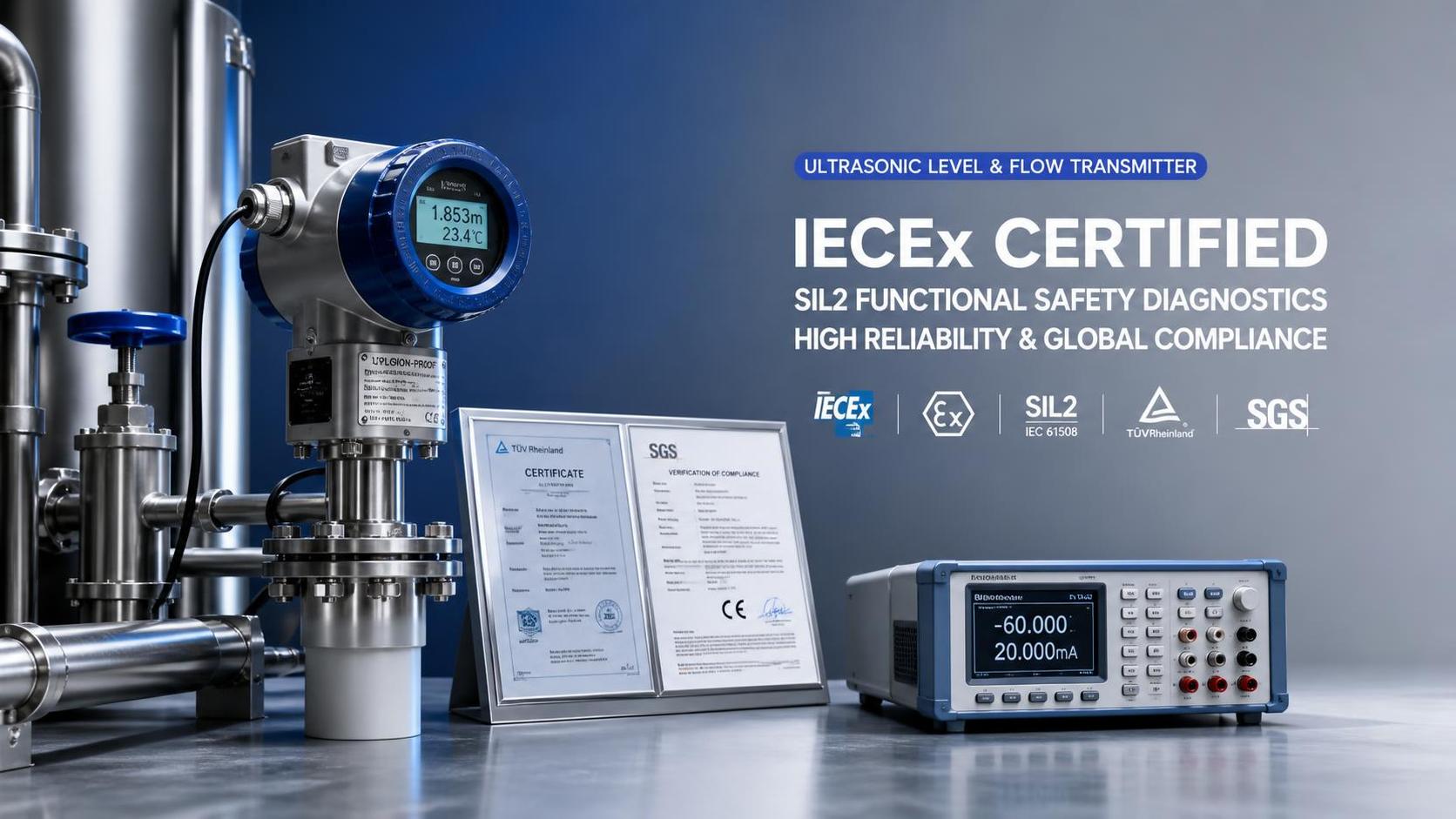
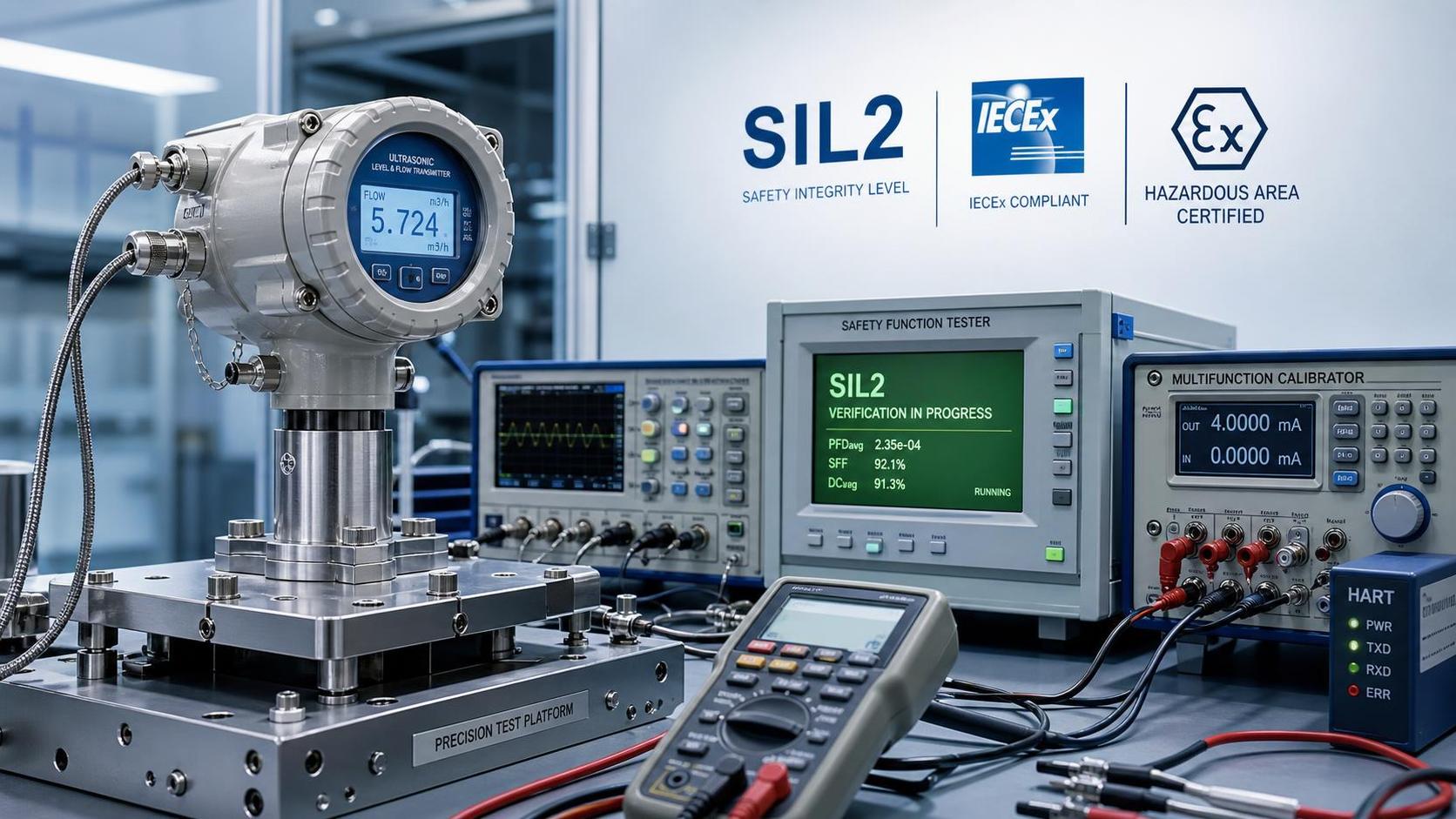
 New IECEx Rule Requires SIL2 Diagnostic Validation for Chinese Ultrasonic Transmitter ExportsIECEx rule update: SIL2 diagnostic validation is now required for Chinese ultrasonic transmitter exports. Learn how IEC 61508, 90% DC reports, and procurement risks affect bids and delivery.
 FDA Draft Guidance Raises Compliance Bar for Pharma Pressure and Flow InstrumentsFDA draft guidance tightens compliance for pharma pressure and flow instruments, raising USP<1058> qualification demands and market entry barriers for suppliers.
 China Tightens Export Controls on Instruments for New Energy Production LinesChina tightens export controls on instruments for new energy production lines, impacting high-purity gas flowmeters. Learn how 100% filing rules may affect compliance, delivery, and global sourcing.
 IECEx Rule Change Makes SIL2 Diagnostics Mandatory for Chinese Ultrasonic Transmitter ExportsIECEx now requires SIL2 diagnostics for Chinese ultrasonic transmitter exports, reshaping Ex d and Ex ia compliance. Learn what changes, who is affected, and how to stay ahead.
 China Tightens Export Controls on Flow Meters for New Energy Production LinesChina tightens export controls on flow meters and MFCs for new energy production lines. Learn how the 2026 filing rule may affect compliance, lead times, and global shipments.



Chat Online