


On July 1, 2026, a compliance change tied to REACH took practical effect for parts of the laboratory instrument trade: ECHA added four phthalate compounds to the SVHC Candidate List, with relevance for environmental monitoring, pharmaceutical, and chemical lab instruments that contain these plasticizers. For exporters, the immediate issue is not only product composition but also updated declarations and substance screening before shipment, while EU importers and distributors face a more direct verification burden ahead of customs clearance.
What Changed on July 1
The confirmed development is that the European Chemicals Agency (ECHA) added four phthalate compounds to the REACH Candidate List as Substances of Very High Concern (SVHC). The change affects laboratory instruments used in environmental monitoring, pharmaceutical, and chemical applications where these plasticizers may be present. The event date provided is July 1, 2026. The summary also makes clear that exporters are required to update declarations and carry out substance screening by that date, and that this is particularly important for EU importers and distributors checking compliance before customs clearance.
Where the Pressure Falls in the Supply Chain
Export documentation moves closer to product composition
For exporters of affected lab instruments, the change may create pressure at the interface between technical files and trade documents. The reason is straightforward: once declarations must be updated and screening is required, product statements can no longer be treated as a routine paperwork step. What deserves closer attention is whether exporters can connect material information from components, assemblies, or suppliers to the declarations used in EU-bound shipments.
Import and distribution checks become more operational
For EU importers and distributors, the main impact is likely to appear in compliance verification before customs clearance. From an industry perspective, this raises the practical importance of document review, consistency checks, and screening records tied to incoming products. The rule change therefore affects not only legal responsibility in principle, but also the timing of shipment acceptance, release decisions, and internal review workflows.
Procurement teams may need earlier supplier confirmation
For procurement functions involved in laboratory instruments or related assemblies, the relevance lies in supplier declarations and the availability of substance screening evidence. Analysis shows that purchasing decisions may be affected where material content is not clearly documented, especially if procurement schedules assume standard lead times but compliance review now needs to happen earlier in the order cycle.
Testing and compliance support services gain a larger gatekeeping role
For testing service providers and compliance support teams, the change may increase demand for substance screening and document validation connected to affected instruments. Observably, the business impact is less about headline regulation and more about whether screening outputs, declarations, and technical records can support importer and distributor checks in a form usable before customs clearance.
Practical Priorities for Companies Now
Recheck declarations against current product scope
Companies shipping laboratory instruments into the EU market should review whether existing declarations still match the products currently being sold, especially where plasticizers may be present in components or subassemblies. This should be understood as a practical compliance review point derived from the summary, not as confirmation of any broader enforcement outcome.
Screen products that may fall within the affected material profile
The summary explicitly points to substance screening by July 1, 2026. For that reason, businesses should pay closer attention to which instrument categories, configurations, or sourced parts may require screening support. Where internal visibility is weak, the compliance risk may appear first in delayed document readiness rather than in immediate product redesign.
Align shipping, customs, and internal review timing
Because EU importers and distributors are described as verifying compliance before customs clearance, companies should watch the sequencing between production completion, declaration updates, screening results, and shipment release. Analysis shows that even where product demand remains unchanged, delivery timing can still be affected if compliance files are assembled too late in the process.
Track how counterparties apply the requirement in transactions
What deserves closer attention is how importers, distributors, and procurement teams begin to reflect this change in purchase terms, product documentation requests, and acceptance conditions. The input does not provide execution detail, so this remains an area for continued monitoring rather than a confirmed shift in uniform market practice.
Why This Reads as an Execution Signal
From an industry perspective, this development is more useful as an execution signal than as a broad policy discussion. The confirmed facts already point to a dated compliance expectation: declarations must be updated and substance screening must be completed by July 1, 2026 for trade involving affected products. At the same time, it is more appropriate to understand this as a rule change whose market application still needs observation, especially in document review standards, customs-facing compliance expectations, and how distributors interpret verification responsibility in practice.
How the Market Is Most Likely to Read It
In practical terms, this update matters because it connects a chemicals compliance change directly to trade handling for certain lab instruments. The immediate significance is not limited to regulatory awareness; it reaches procurement preparation, exporter documentation, importer verification, and shipment readiness. A rational reading today is that this is an implemented compliance change with direct operational implications, while the finer points of market execution still require careful follow-up.
About the Information Basis
This article is based on the user-provided news title, event date, and event summary. For events of this type, commonly relevant source categories may include official regulatory notices, publications from supervisory agencies, customs or trade authority updates, industry association communications, standards-related documents, and reporting by established professional media. No specific official source link was provided in the input, so the exact primary publication path still needs to be verified. Continued attention should be given to later official wording, compliance interpretation, tender document changes, market feedback, and how companies implement the requirement in actual transactions.


 EU REACH Annex XVII Update Bars Imports of Instruments Using Nickel-Containing Seals from 2027EU REACH Annex XVII update will bar imports of instruments using nickel-containing seals from 2027. Learn how this affects pressure transmitters, control valves, analyzers, testing, and compliance planning.
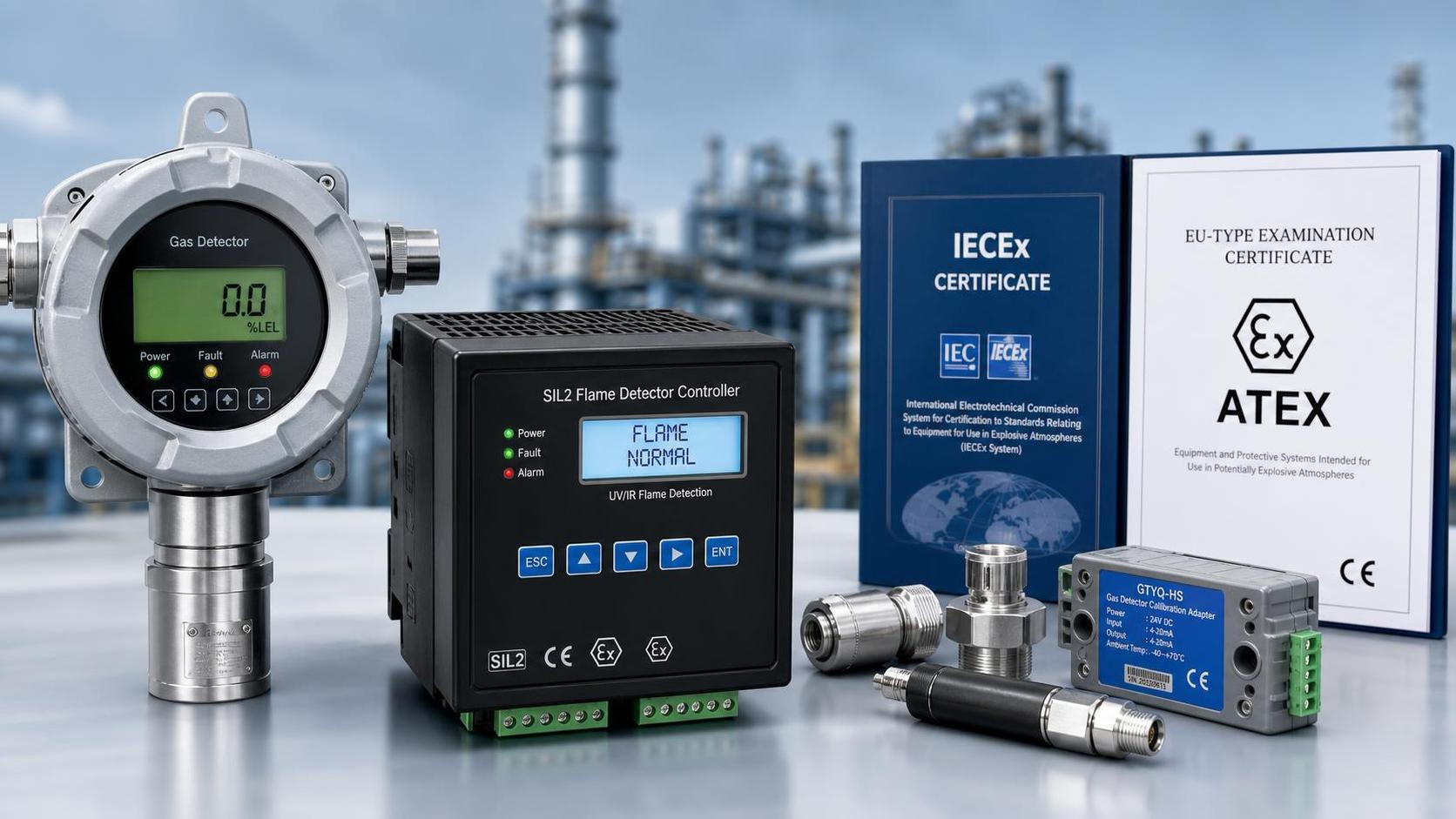
 MICONEX 2026 Signals Higher ATEX, IECEx ScrutinyMICONEX 2026 spotlights ATEX and IECEx scrutiny for gas detectors and SIL2 fire controllers, highlighting certification, calibration, and export-ready service needs.
 MICONEX 2026 Opens in Hefei as Chinese Safety Devices Draw Overseas BuyersMICONEX 2026 highlights Chinese industrial safety monitoring equipment as overseas buyers focus on IEC 61508 SIL2 intelligent gas detection systems for higher-end global projects.
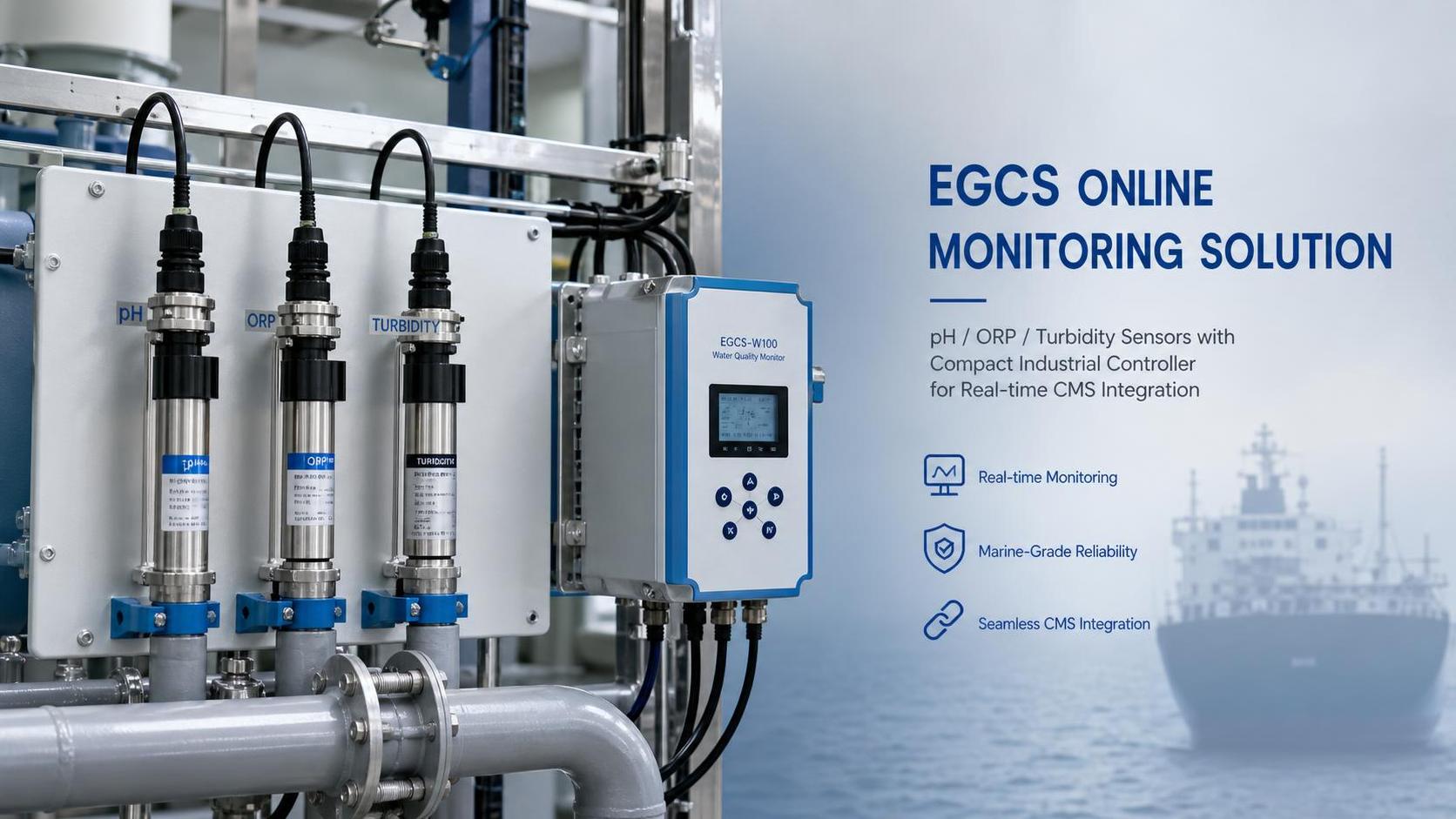
 IMO Updates EGCS Monitoring Guidance for 2026IMO updates EGCS monitoring guidance for 2026, highlighting pH, ORP and turbidity compliance, CMS connectivity, and ISO 17025 traceability for maritime buyers.
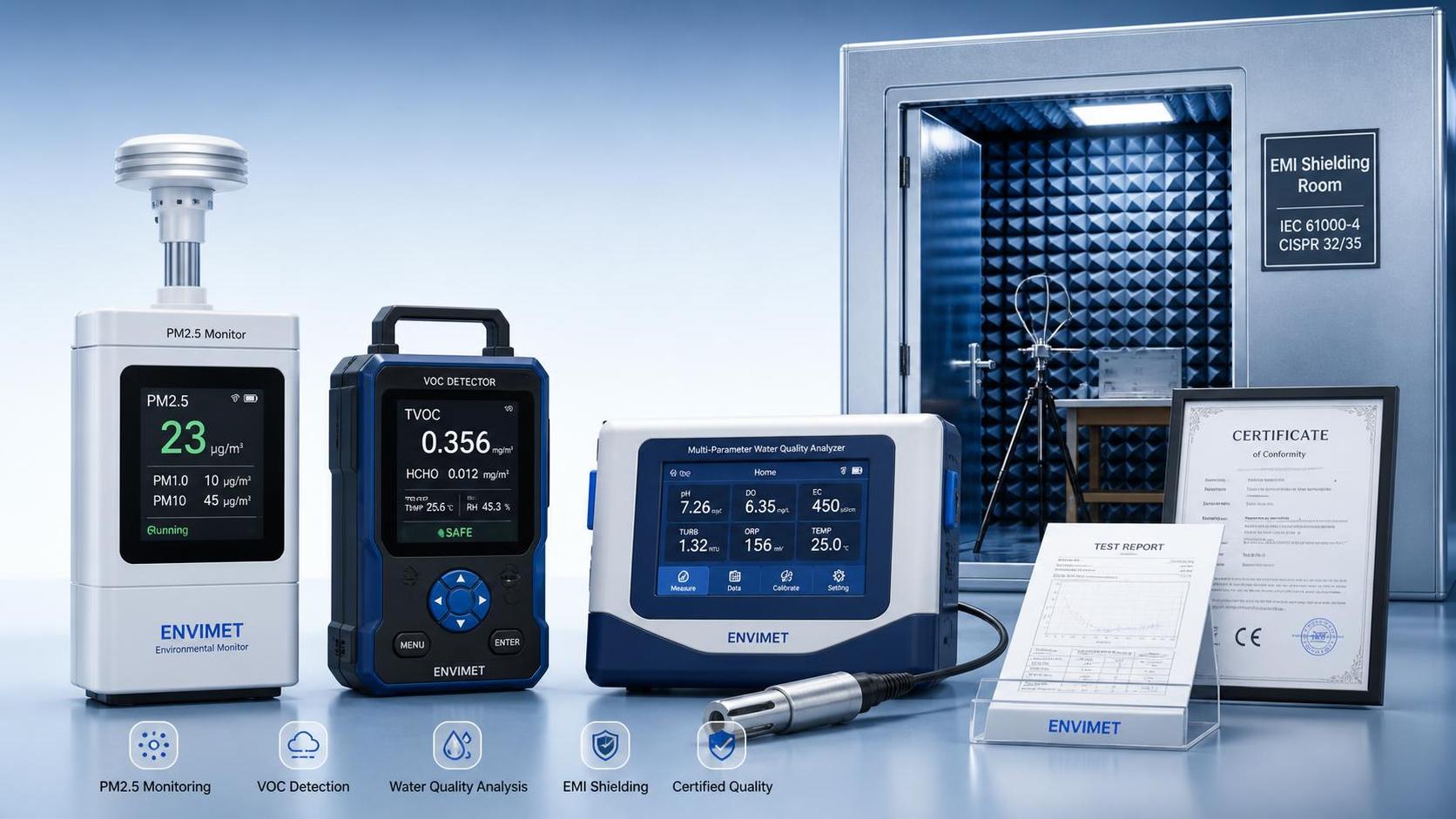
 Saudi SASO Rule Adds Arabic UI and EMI Test DutySaudi SASO rule update: Arabic UI and IEC 61326-2-3 EMI testing will become mandatory for environmental monitoring instruments from Nov 1, 2026. See key export and compliance impacts.
 SASO Tightens Cyber Rules for Monitoring ImportsSASO tightens cyber rules for monitoring imports in Saudi Arabia. Learn how IEC 62443-3-3 certification and SASO-recognized penetration testing will reshape environmental monitoring equipment access.

Chat Online