


On August 1, 2026, Vietnam’s Ministry of Health moved imported food testing instruments into a stricter compliance framework by requiring calibration labs to hold ISO/IEC 17025 accreditation. For importers bringing in instruments such as pH meters, moisture analyzers, and metal detectors, accredited calibration certificates must now be presented at customs entry. This is worth close attention not only for Vietnam-facing importers, but also for Chinese manufacturers and third-party calibration partners, because the documentation burden is now being pushed further upstream in the supply chain.
What the new requirement clearly changes
Based on the information provided, Vietnam’s Ministry of Health has made ISO/IEC 17025 accreditation mandatory for calibration laboratories supporting imported food safety instruments. The rule applies to instruments used in food-related testing and inspection, including examples such as pH meters, moisture analyzers, and metal detectors. From August 1, 2026, importers must submit calibration certificates issued under that accredited framework when the goods enter customs in Vietnam.
The confirmed change is therefore not limited to instrument performance itself; it also concerns the qualification status of the calibration laboratory behind the supporting certificate. The summary further indicates that this verification responsibility is shifting upstream to Chinese manufacturers and their third-party service partners.
Where pressure is likely to appear across the supply chain
For Vietnam-facing importers, customs readiness becomes the immediate issue
From an industry perspective, importers are the first business role likely to feel the operational impact, because the certificate must now be presented at customs entry. The main pressure point is document readiness at the time of shipment arrival rather than later-stage clarification. What deserves closer attention is whether importers have aligned their suppliers and calibration partners early enough to avoid document gaps at the border.
For Chinese manufacturers, compliance work moves closer to the point of shipment
Analysis shows that Chinese manufacturers supplying food testing instruments into Vietnam may face a more direct pre-delivery compliance role. The summary explicitly notes that the verification burden is moving upstream. In practice, that means manufacturers may need to pay closer attention to which calibration labs are used, how certificates are prepared, and whether supporting documents are consistent with customer import requirements.
For third-party calibration providers, accreditation status becomes commercially material
Third-party service partners supporting exporters are also likely to be affected, because the rule focuses on ISO/IEC 17025 accreditation for calibration labs. The immediate issue is not general service capability, but whether the calibration certificate used for import clearance is tied to an accredited laboratory. Observably, this may make accreditation status a more visible part of supplier selection and customer communication.
What companies should review now
Check whether current certificates match the new customs expectation
Companies involved in Vietnam-bound shipments should review whether the calibration certificates currently used for food testing instruments are issued under an ISO/IEC 17025 accredited setup. The key point is not to assume that an existing certificate will automatically satisfy the new customs-facing requirement.
Separate policy wording from operational execution
What deserves closer attention is the gap between the rule as announced and the way it is applied in day-to-day trade operations. Businesses should distinguish between the policy signal itself, which is already clear in principle, and the exact execution details that may affect document handling, timing, and coordination between exporter, calibration partner, and importer.
Review product lines most likely to be asked for supporting documents
The instruments specifically referenced in the provided information include pH meters, moisture analyzers, and metal detectors. Companies handling these categories should review active orders, pending shipments, and customer document lists first, because these are the product examples directly tied to the announced requirement.
Prepare customer and supplier communication in advance
Analysis shows that communication risk may rise when one side of the transaction assumes the other is responsible for calibration documentation. Importers, manufacturers, and third-party partners should clarify who secures the accredited certificate, who checks its completeness, and at what point in the shipment process the document is handed over.
Why this matters beyond a single customs document
Observably, this development is not just a paperwork update. It points to a stricter connection between instrument importation and the credibility of the calibration process behind it. Based on the information provided, it is more appropriate to understand this as a concrete compliance change that already affects transaction preparation from August 1, 2026, while still leaving room for further observation on how broadly and consistently it is enforced in actual trade workflows.
Analysis shows that the industry should pay attention for two reasons. First, the rule directly changes what importers need to present at customs. Second, it shifts commercial and procedural pressure onto upstream partners that may not previously have been the main focus of border-facing verification.
How this update is best understood at this stage
At this stage, the announcement is best read as an immediate operational compliance issue with longer-term signaling value. The immediate issue is clear: accredited calibration certificates are now required for relevant imported food testing instruments entering Vietnam. The longer-term signal, based on observation rather than confirmed expansion, is that qualification of supporting service providers may become a more visible part of cross-border instrument trade. That makes this a development to act on now, while continuing to watch for any further clarification in practical implementation.
Basis of this article and what still needs verification
This article is based on the user-provided news title, event date, and event summary. For this type of industry update, relevant source categories would typically include official government announcements, company notices, industry association releases, authoritative media reports, and standard-related documents. No specific official source link was provided in the input, so the exact original publication path still requires ongoing verification. Continued attention should focus on any further official wording, customs implementation details, and document-handling expectations affecting importers, manufacturers, and third-party calibration partners.


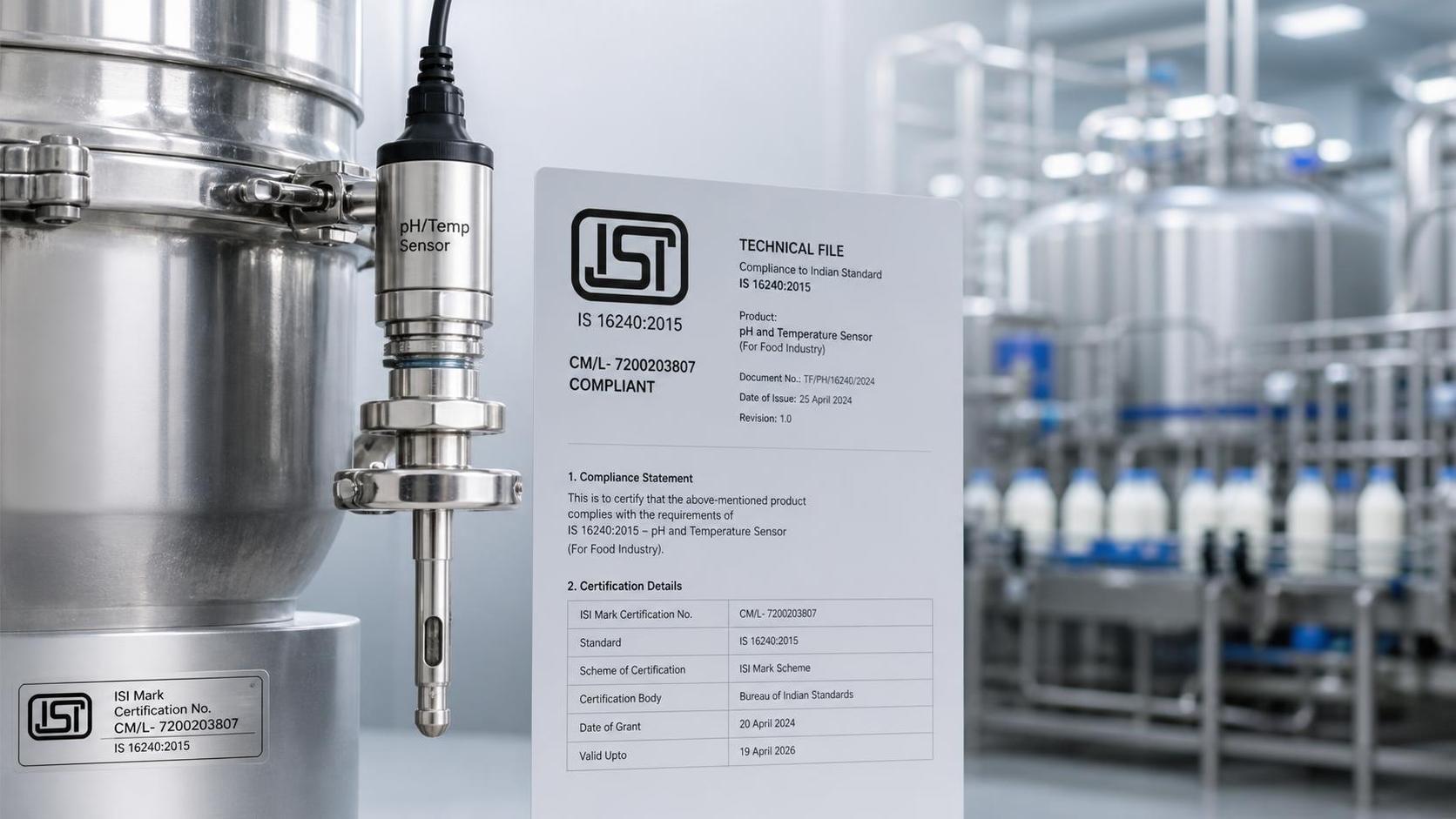
 India Starts BIS Certification for Food-Grade Combo SensorsIndia starts BIS certification for food-grade combo sensors from Dec 1, 2026. Learn how BIS, CRS, ISI mark and probe material rules affect imports, procurement and market access.
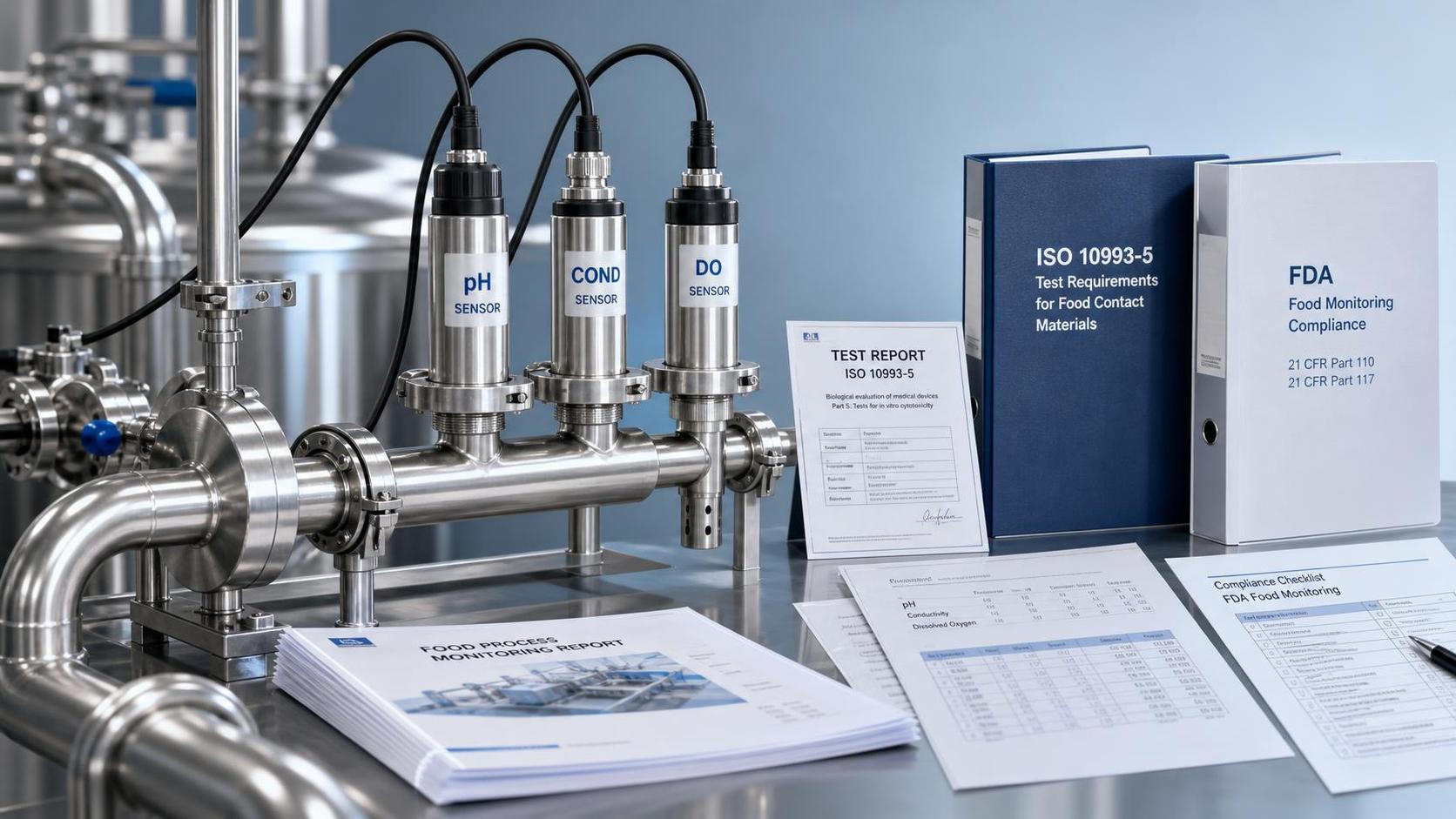
 FDA Sets ISO 10993-5 Test Rule for Food SensorsFDA Sets ISO 10993-5 Test Rule for Food Sensors: learn how the 2027 requirement affects pH, conductivity, and dissolved oxygen sensors, U.S. market access, and compliance planning.
 India Delays BIS Registration Deadline for Food Process AnalyzersIndia Delays BIS Registration Deadline for Food Process Analyzers to Dec 31, 2026. Learn how the new rule and import declaration requirement affect compliance, sourcing, and market access.
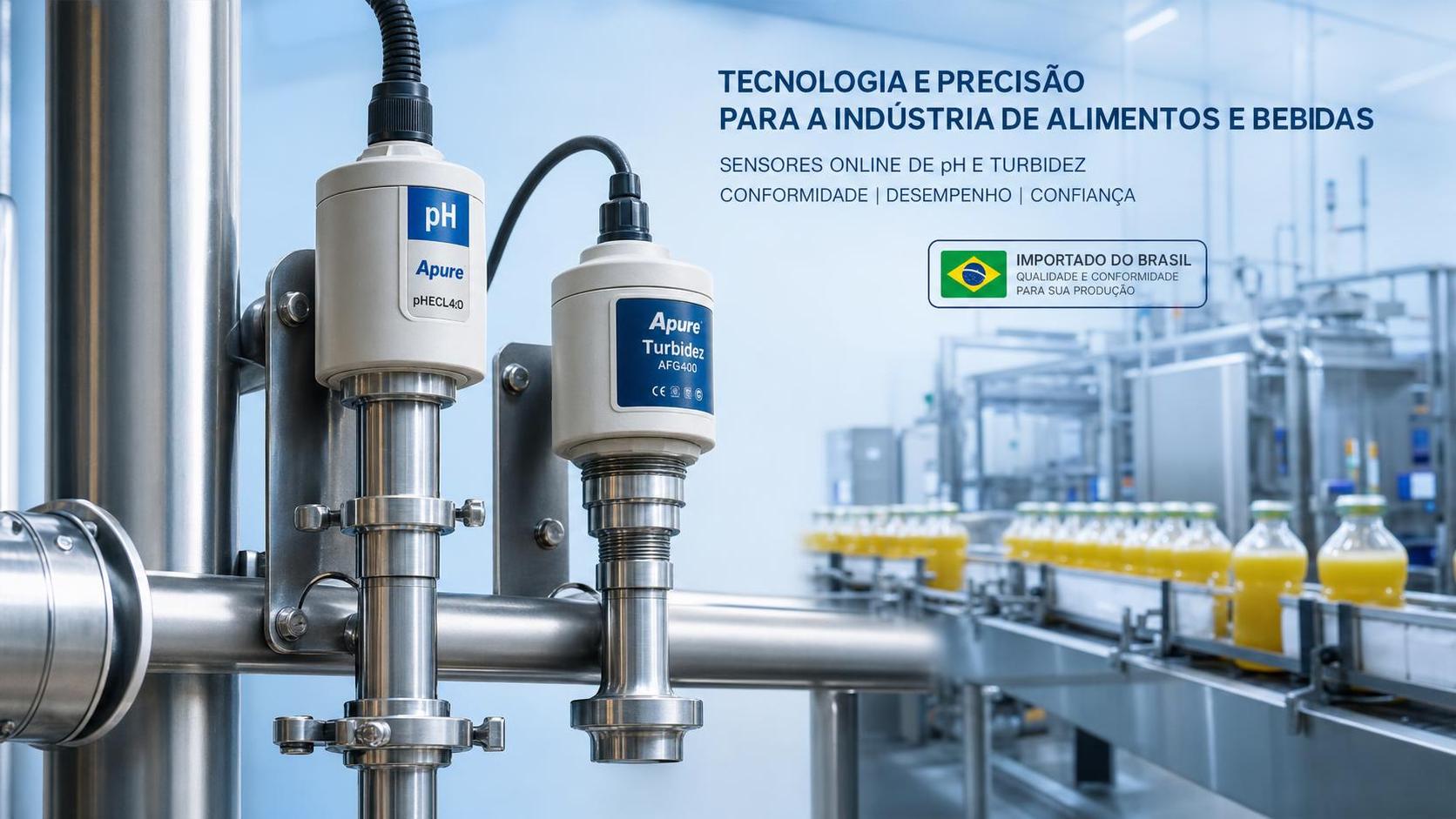
 Brazil ANVISA Rule Brings Food Line Sensors Under RDC 216/2026Brazil ANVISA Rule puts food line sensors under RDC 216/2026, making ANVISA registration essential for pH sensors and turbidimeters. Learn the compliance risks and trade impact.
 CAC Expands Migration Testing to Online pH/DO SensorsOnline pH/DO sensors now face stricter migration testing under revised CAC rules. Learn how ISO 21894:2025 affects food-grade analyzer exports, compliance, and certification.
 Vietnam Mandates VINAQ Certification for HACCP InstrumentsVietnam Mandates VINAQ Certification for HACCP Instruments: learn how new QR traceability and certification rules impact pH, DO, and conductivity analyzers for export food plants.
Chat Online