


On July 1, 2026, China Customs began a mandatory pilot at the ports of Shanghai and Ningbo that requires real-time electronic filing for certain chemical process analyzers and related instruments before export. The change covers specified technical documents and declarations for online gas chromatographs, pH/ORP analyzers, and explosion-proof flow meters used in chemical industry applications. For exporters, project suppliers, and chemical plant procurement teams, the issue is not only compliance itself but the direct effect on shipment timing, especially where projects in the Middle East and Southeast Asia depend on tightly sequenced equipment delivery.
What the pilot program now requires
According to the information provided, the pilot took effect on July 1, 2026 and is mandatory for relevant export shipments moving through Shanghai and Ningbo ports. It requires real-time electronic submission of technical specifications, HS codes, and end-use declarations for exports of online gas chromatographs, pH/ORP analyzers, and explosion-proof flow meters intended for chemical industry use.
The same information also indicates that delays have already been observed in cases of non-compliant filings. The impact appears to be more visible for instruments that may fall under dual-use scrutiny or that are rated for hazardous-area applications.
Where the pressure may appear across the supply chain
Export execution is becoming more document-sensitive
From an industry perspective, exporters of covered instruments may be affected first at the shipment preparation stage. The reason is straightforward: the pilot links customs progress more closely to the quality and timing of technical specifications, HS code reporting, and end-use declarations. What deserves closer attention is whether internal export documentation can be prepared accurately enough to avoid preventable filing delays.
Project suppliers may face delivery coordination risks
Suppliers serving chemical plant projects may feel the effect through lead-time management rather than through product demand itself. Observably, when analyzers or explosion-proof instruments are part of larger project packages, any customs delay can disrupt installation sequencing, site planning, or client delivery commitments. This matters in the Middle East and Southeast Asia, where the provided information already points to project lead-time impact.
Procurement teams may need earlier compliance visibility
For buyers and procurement teams connected to chemical industry projects, the likely issue is not customs filing directly but schedule reliability. Analysis shows that covered instruments with dual-use sensitivity or hazardous-area ratings may require closer review before shipment. In practice, procurement teams may need to pay more attention to whether suppliers can provide complete technical and end-use documentation early enough to support customs clearance without additional back-and-forth.
Supply chain service providers may see more exceptions handling
Logistics coordinators, customs service providers, and related intermediaries may be affected through higher documentation review intensity. The operational pressure is likely to show up in pre-shipment checks, classification alignment, and communication between exporter, forwarder, and customer. What deserves closer attention is not just whether a shipment is booked, but whether the filing package is complete and consistent before cargo reaches the export gate.
What companies should watch in day-to-day operations
Accuracy of technical specifications and HS codes
The immediate practical issue is document accuracy. Companies involved in the covered product categories should pay close attention to whether technical specifications and HS codes are aligned across internal records, export filings, and customer-facing documents. For shipments involving more sensitive instrument types, small inconsistencies may matter more than before.
How end-use declarations are prepared
Because the pilot explicitly includes end-use declarations, companies should focus on how end-use information is collected, reviewed, and submitted. Analysis shows that this is especially relevant where the final application is tied to chemical plant operations and where the product category may attract closer scrutiny.
Communication with overseas project customers
Where delivery schedules are linked to active projects in the Middle East and Southeast Asia, exporters and suppliers may need to communicate more carefully about timeline assumptions. This is less about changing commercial terms in the abstract and more about setting realistic expectations when customs filing compliance could affect dispatch timing.
Ongoing review of rule interpretation
What deserves closer attention is the difference between the headline requirement and its operational interpretation. The current information confirms the launch of a mandatory pilot and observed delays for non-compliant filings, but companies should continue watching how the filing expectations are applied in practice to specific product configurations and shipment scenarios.
How this development is best understood at this stage
Observably, this is more than a routine paperwork update because it connects export documentation directly to time-sensitive project delivery for a defined group of industrial instruments. At the same time, it is still more appropriate to understand this as a live compliance and operations signal rather than as a fully settled long-term market outcome. The confirmed facts show procedural tightening and visible delay risk for non-compliant cases, but broader consequences still require continued observation.
A near-term compliance change with wider operational implications
For the industry, the main significance of this update lies in execution discipline. The confirmed change does not by itself prove a broader restructuring of export trade, but it does indicate that companies handling chemical process analyzers through Shanghai and Ningbo should treat customs data readiness as part of delivery planning. At this stage, it is more appropriate to understand the development as a short-term operational shift with possible longer-term significance if the pilot’s requirements, scope, or enforcement pattern continue to evolve.
Basis of this article and points for further verification
This article is based on the user-provided news title, event date, and event summary. For this kind of development, source types that are usually relevant include official customs notices, company compliance updates, industry association briefings, authoritative media reporting, and standards or regulatory documents where applicable.
No specific official source link was provided in the input, so the underlying official publication path still requires continued verification. Further attention should be given to any later clarification on filing practice, interpretation for dual-use or hazardous-area-rated instruments, and whether the pilot remains limited to the currently described ports and product categories.


 Vietnam Tightens Import Rules for Industrial Instruments From SeptemberVietnam tightens import rules for industrial instruments from September 2026. Learn how Vietnamese labeling and local after-sales commitments may affect customs clearance, costs, and exporter compliance.
 IECEx Rules Raise the Bar for Ultrasonic Transmitters in SIS ExportsIECEx rules now demand SIL2 diagnostic proof and third-party conformity reports for ultrasonic transmitters in SIS exports—learn how this impacts compliance, bidding, and market access.
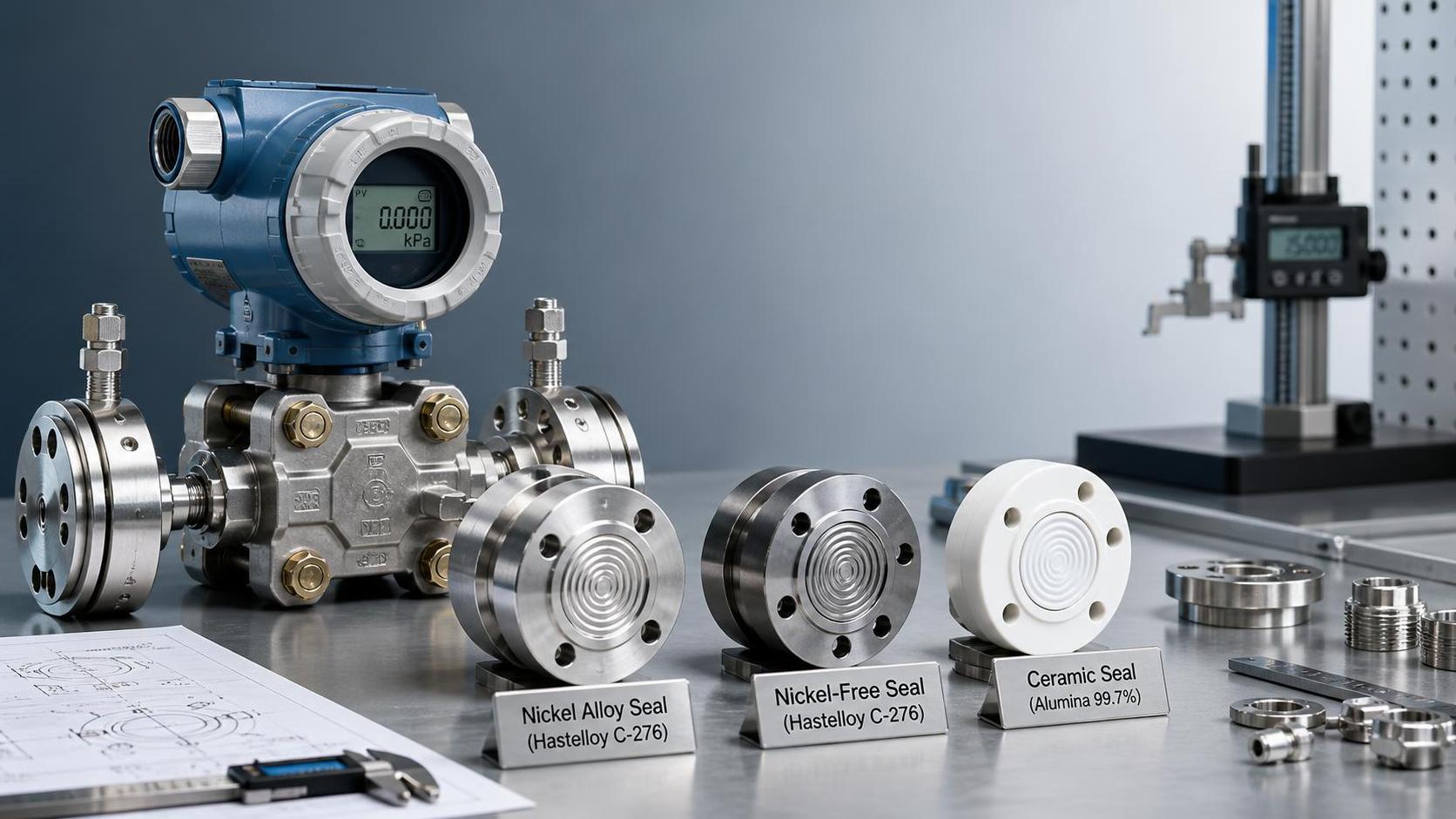
 EU REACH Annex XVII Targets Nickel SealsEU REACH Annex XVII now targets nickel seals in industrial instruments. Learn how pressure transmitters and flow meters must adapt before the 2027 enforcement deadline.
 China Flowmeter Export Prices Rise 9.3% in Q2 2026China flowmeter export prices rose 9.3% in Q2 2026 as Middle East petrochemical and Southeast Asia hydrogen demand lifted premium meter exports. See what it means for buyers and exporters.
 EU PFAS Ban Hits Chemical Instrument ImportsEU PFAS ban now impacts chemical instrument imports into the EU. Learn how REACH rules affect flow meters, transmitters, sourcing, compliance files, and delivery planning.
 EU REACH Adds Phthalate Ban for Process InstrumentsEU REACH adds a phthalate ban for process instruments from Sept 1, 2026. Learn how level gauges, pressure transmitters, and flow switches can meet EU compliance and documentation rules.



Chat Online