


On May 23, 2026, Thailand’s Ministry of Commerce updated its Dual-Use Items Export Control List (2026 Revision), introducing stricter licensing requirements for high-precision industrial measurement and inspection equipment exported to Thailand. The move directly affects Chinese manufacturers and exporters supplying advanced sensor-based quality assurance systems—particularly those serving electronics, automotive, and precision machinery sectors—amid growing global scrutiny of sensitive dual-use technologies.
Event Overview
On May 23, 2026, Thailand’s Ministry of Commerce issued the Dual-Use Items Export Control List (2026 Revision). Under the revision, displacement, pressure, and temperature sensors with resolution better than 0.1 μm; industrial visual inspection instruments integrated with AI edge algorithms; and automated quality inspection equipment incorporating such sensors are newly classified under ‘Class B–Advanced Measurement Systems’. Exporters based in China must now submit a Final User Commitment Letter and technical documentation to Thai authorities prior to shipment. Approval processing time has been extended to 15–20 working days.
Industries Affected
Direct Trading Enterprises: Chinese export-oriented instrumentation firms—including OEMs and branded suppliers of industrial vision systems and metrology hardware—are now subject to mandatory pre-shipment licensing. This introduces new administrative overhead, delays order fulfillment cycles, and increases compliance risk if end-user declarations are incomplete or inconsistent with actual deployment.
Raw Material & Component Procurement Enterprises: Firms sourcing high-precision sensors (e.g., MEMS-based displacement transducers or thermally stable pressure modules) from global Tier-1 suppliers—including those based in Japan, Germany, or the U.S.—must now verify whether their procurement contracts permit downstream integration into Class B-controlled systems destined for Thailand. Contractual liability and traceability obligations may extend upstream.
Contract Manufacturing & System Integration Enterprises: EMS providers and turnkey automation integrators assembling AI-enabled inspection lines for Thai clients face revised due diligence requirements. Even if they do not hold export licenses themselves, their role as technical implementers means they must ensure all embedded sensors and software meet the revised classification criteria—and that client-side end-use assurances are formally documented and retained.
Supply Chain Service Providers: Freight forwarders, customs brokers, and trade compliance consultants supporting China–Thailand equipment shipments must update internal screening protocols to flag Class B items at the HS code or technical specification level—not just by product name. Misclassification now carries higher penalties, including shipment detention and potential blacklisting of associated entities.
Key Points for Enterprises to Monitor and Address
Verify product-level classification against the new Class B definition
Manufacturers must conduct technical self-assessments—not rely solely on legacy export classifications—to determine whether resolution specs, AI inference capabilities, or system-level integration trigger Class B status. A device with 0.08 μm displacement resolution—even if marketed as ‘general-purpose’—falls within scope regardless of intended application.
Prepare and validate Final User Commitment Letters proactively
These letters must be signed by the Thai consignee and include verifiable corporate registration details, facility address, and explicit statement of non-military/non-restricted end use. Third-party verification (e.g., via Thai notary or chamber of commerce) is increasingly recommended to reduce rejection risk.
Re-evaluate lead times and contractual delivery terms
With approval windows now fixed at 15–20 working days—and no fast-track mechanism announced—exporters should revise Incoterms, adjust customer delivery schedules, and incorporate force majeure clauses covering regulatory approval delays in new contracts.
Editorial Perspective / Industry Observation
Analysis shows this revision reflects Thailand’s broader alignment with Wassenaar Arrangement best practices—notably its emerging emphasis on algorithmic capability as a control parameter, rather than hardware alone. Observably, the inclusion of ‘AI edge algorithms’ signals a shift toward functional control: it is not the presence of AI, but whether the algorithm performs real-time defect classification without cloud dependency that triggers scrutiny. From an industry perspective, this represents early-stage regulatory anticipation of embedded intelligence as a proliferation vector—distinct from traditional export controls focused on physical performance thresholds.
Conclusion
This policy update does not signal a blanket restriction on industrial equipment trade, but rather a calibrated recalibration toward outcome-aware regulation. For Chinese exporters, the change underscores that compliance is no longer about meeting static spec sheets—it demands dynamic technical documentation, traceable end-use governance, and cross-border coordination with Thai partners. The long-term implication is not reduced market access, but heightened operational maturity as a prerequisite for participation.
Source Attribution
Official source: Thailand Ministry of Commerce, Dual-Use Items Export Control List (2026 Revision), effective May 23, 2026. Published via the Thai National Export Control Authority (NECA) portal (www.neca.go.th). Note: Implementation guidelines, licensing application templates, and FAQs remain pending release; stakeholders are advised to monitor NECA updates through June 2026.


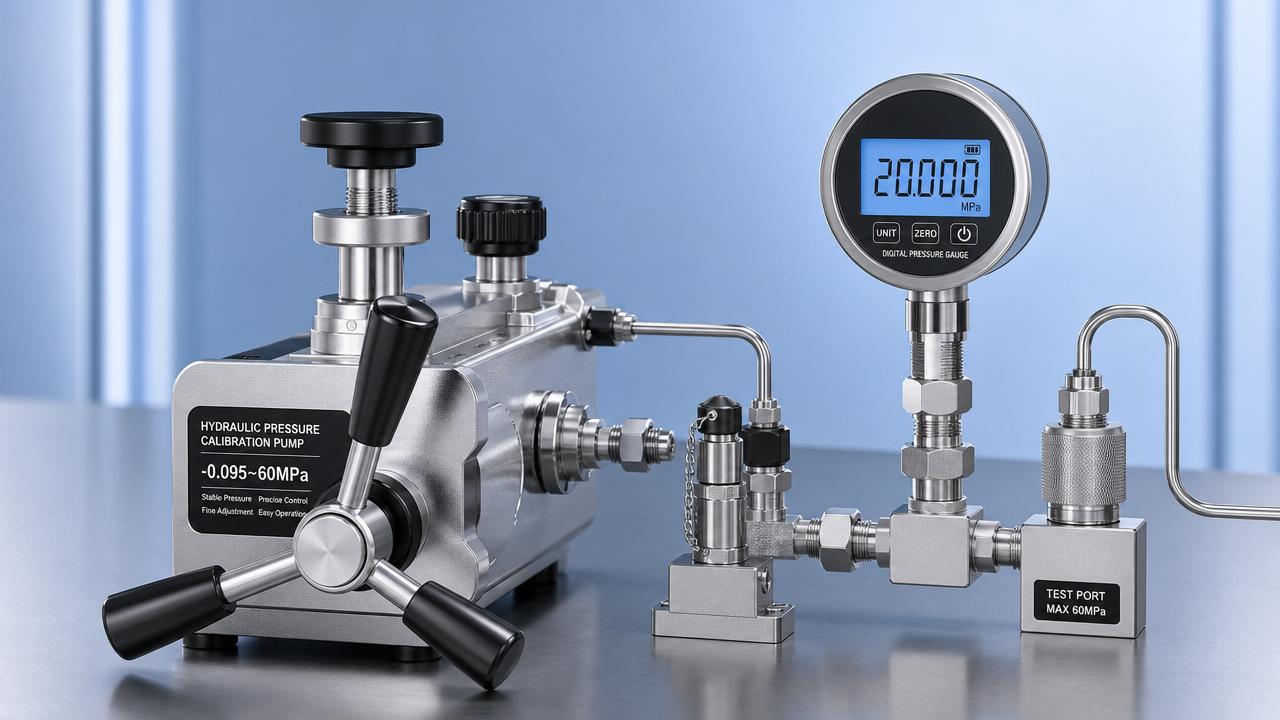
 How to Read Hydraulic Calibration Pump Specifications CorrectlyHydraulic calibration pump specifications explained clearly: learn how to assess pressure range, stability, fine control, and compatibility to choose the right pump with confidence.
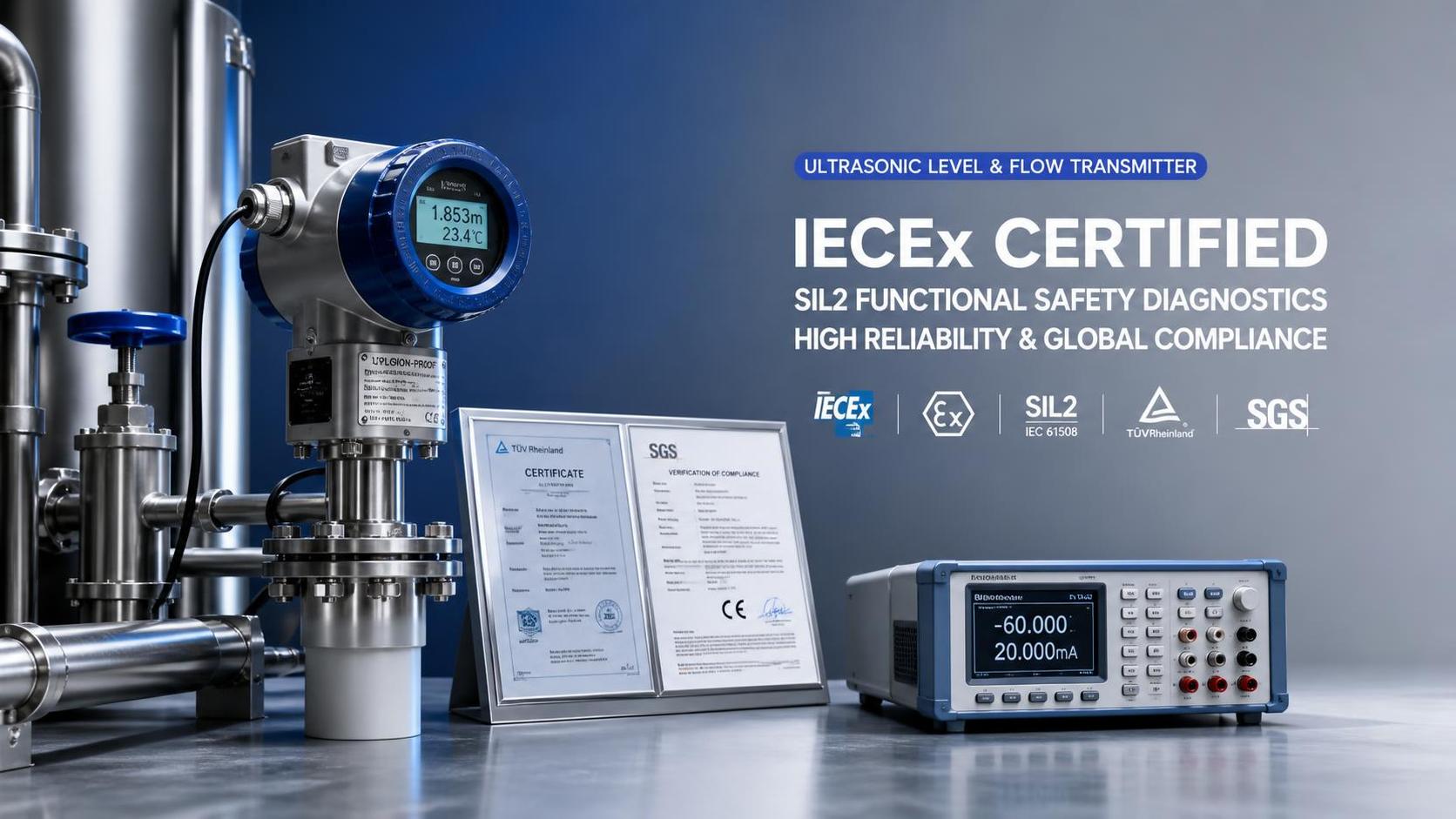
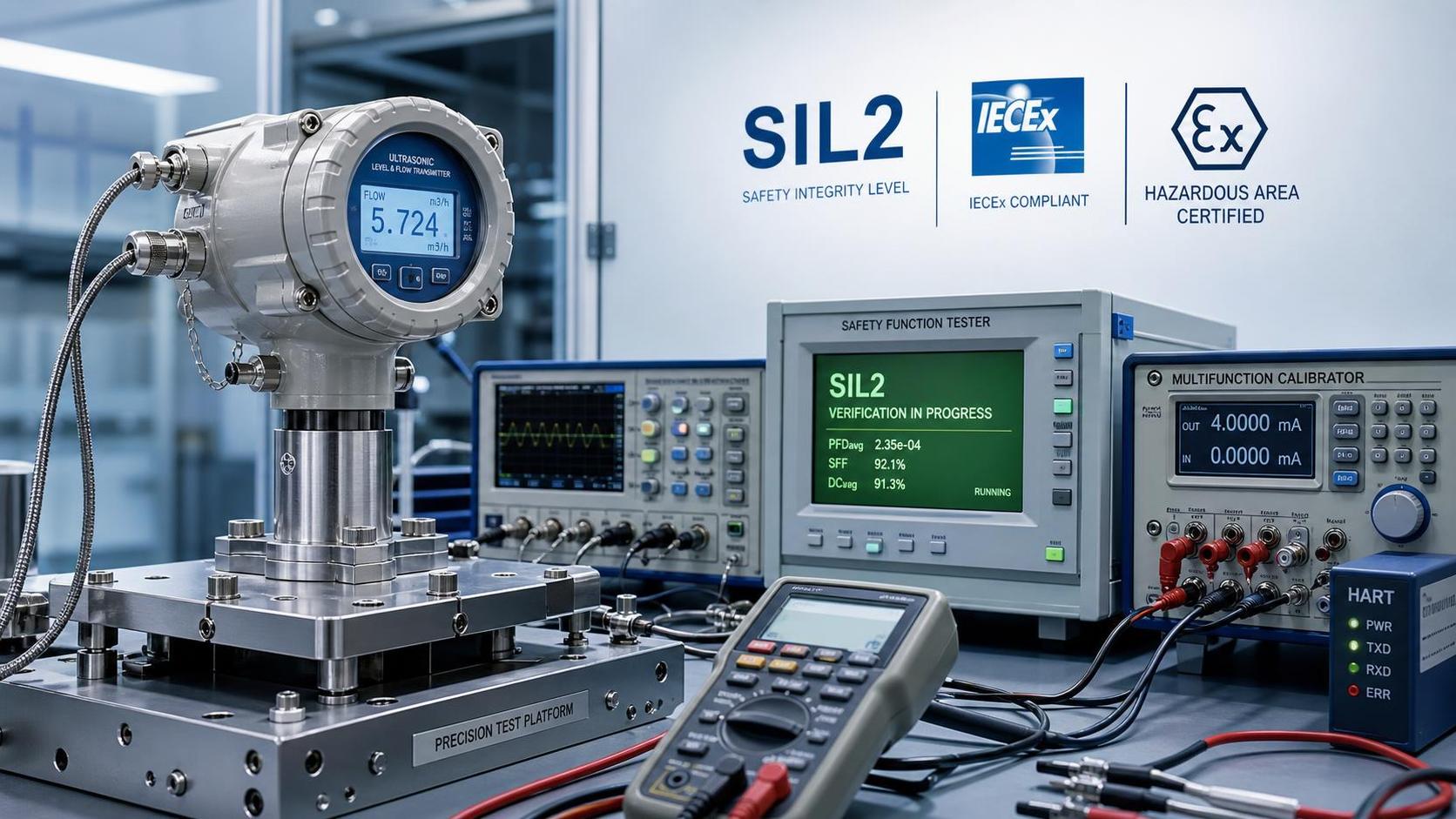
 New IECEx Rule Requires SIL2 Diagnostic Validation for Chinese Ultrasonic Transmitter ExportsIECEx rule update: SIL2 diagnostic validation is now required for Chinese ultrasonic transmitter exports. Learn how IEC 61508, 90% DC reports, and procurement risks affect bids and delivery.
 FDA Draft Guidance Raises Compliance Bar for Pharma Pressure and Flow InstrumentsFDA draft guidance tightens compliance for pharma pressure and flow instruments, raising USP<1058> qualification demands and market entry barriers for suppliers.
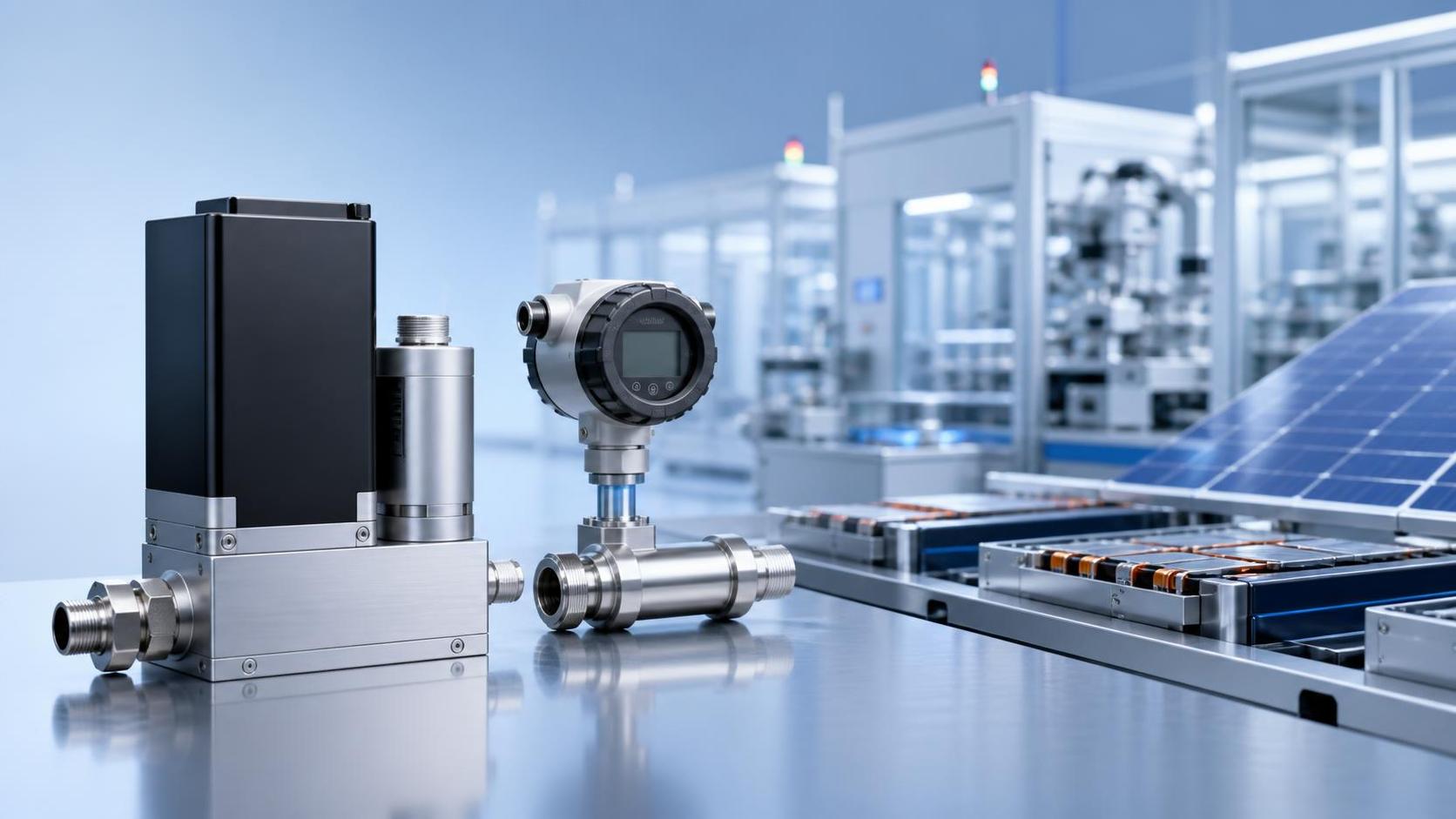
 China Tightens Export Controls on Instruments for New Energy Production LinesChina tightens export controls on instruments for new energy production lines, impacting high-purity gas flowmeters. Learn how 100% filing rules may affect compliance, delivery, and global sourcing.
 IECEx Rule Change Makes SIL2 Diagnostics Mandatory for Chinese Ultrasonic Transmitter ExportsIECEx now requires SIL2 diagnostics for Chinese ultrasonic transmitter exports, reshaping Ex d and Ex ia compliance. Learn what changes, who is affected, and how to stay ahead.
 China Tightens Export Controls on Flow Meters for New Energy Production LinesChina tightens export controls on flow meters and MFCs for new energy production lines. Learn how the 2026 filing rule may affect compliance, lead times, and global shipments.


Chat Online