


PMEC China 2026—the Laboratory Instruments & Equipment Exhibition—will take place from June 16–18, 2026 at the Shanghai New International Expo Centre. With over 330 domestic and international brands confirmed, including Agilent, Sartorius, and Elite (China), the event signals growing industry alignment with global environmental compliance frameworks. Life sciences, analytical instrumentation, and metrology sectors—particularly those engaged in export-oriented R&D, quality control, and regulatory submission—should monitor developments closely, as the exhibition introduces commercially viable green detection technologies and targeted compliance guidance.
Event Overview
PMEC China 2026 will be held from June 16 to 18, 2026 at the Shanghai New International Expo Centre. The exhibition covers nine technical domains, including life sciences, analytical instruments, and measurement equipment. Over 330 brands from China and abroad are confirmed participants. Elite (W15B01), Hanbang Technology (W5C02), and Haisi Instruments (W5A03) have announced plans to debut high-efficiency HPLC/GC systems featuring reduced solvent consumption, alongside intelligent calibration modules compatible with EU Green Deal requirements and U.S. EPA Method 8270E. Concurrently, an ‘Export Compliance Workshop’ will address key certification topics, including REACH, UKCA, and FDA 21 CFR Part 11.
Impact on Specific Industry Segments
Direct Exporters of Analytical Instruments and Lab Equipment
These companies face tightening regulatory expectations in target markets—especially the EU and U.S.—where environmental performance and data integrity are now embedded in conformity assessment. The introduction of low-solvent HPLC/GC platforms and validated calibration tools directly affects product positioning, technical documentation, and post-market surveillance obligations.
Raw Material and Consumables Suppliers
Suppliers of solvents, columns, standards, and calibration kits may experience shifting demand patterns. Lower solvent consumption per analysis—enabled by the new instrument architectures—could reduce per-unit consumables volume, while increasing requirements for traceable, certified reference materials aligned with EPA 8270E or ISO/IEC 17025.
Contract Testing Laboratories and CROs
Labs serving pharmaceutical, agrochemical, or environmental clients must assess whether newly launched instrumentation meets method validation requirements for regulated submissions. Compatibility with EPA 8270E and adherence to FDA 21 CFR Part 11—especially regarding audit trails and electronic signatures—may influence platform selection during upcoming equipment refresh cycles.
Regulatory Affairs and Quality Assurance Teams
These functions bear primary responsibility for interpreting how green instrumentation claims intersect with existing compliance frameworks. The workshop’s focus on REACH, UKCA, and FDA 21 CFR Part 11 suggests that internal alignment between sustainability initiatives and regulatory strategy is becoming operationally necessary—not merely aspirational.
What Relevant Companies or Practitioners Should Focus On
Monitor official updates on method equivalency and validation pathways
The announced compatibility with EPA Method 8270E and EU Green Deal principles remains a vendor claim at this stage. Practitioners should track whether supporting validation reports, inter-laboratory studies, or third-party verification (e.g., via ILAC-accredited bodies) become publicly available ahead of the event—or shortly thereafter.
Assess instrument specifications against current and anticipated regulatory thresholds
Low-solvent operation alone does not guarantee compliance. Users should evaluate whether proposed systems meet full method requirements—including detection limits, reproducibility, and data handling safeguards—under actual operational conditions, not just manufacturer benchmarks.
Distinguish between policy signaling and near-term operational impact
The presence of green detection solutions at PMEC China 2026 reflects market responsiveness to regulatory trends—but does not indicate immediate mandatory adoption. For most labs, this represents a capability upgrade path rather than an urgent replacement mandate. Prioritization should align with scheduled capital expenditure cycles and upcoming audit timelines.
Prepare cross-functional alignment ahead of procurement decisions
Procurement, QA, IT, and regulatory teams should jointly review technical documentation for new platforms—particularly around electronic record integrity, cybersecurity controls, and audit trail functionality—to avoid post-deployment compliance gaps under FDA 21 CFR Part 11 or UKCA software requirements.
Editorial Perspective / Industry Observation
Observably, PMEC China 2026’s emphasis on green detection solutions marks a structural shift: environmental criteria are no longer peripheral to lab instrumentation design but are entering core technical specifications and commercial messaging. Analysis shows this is less about isolated product launches and more about converging pressure points—EU sustainability legislation, U.S. method modernization efforts, and domestic industrial upgrading policies—all reinforcing similar technical expectations. It is currently best understood as a coordinated signal, not yet a binding outcome: vendors are responding to anticipated demand, not enforcing new rules. However, because regulatory timelines (e.g., REACH SVHC reviews, EPA method revisions) operate on multi-year cycles, early technical alignment—especially in calibration, data management, and solvent use—carries tangible strategic value for exporters and service providers.
Conclusion
PMEC China 2026 serves as a timely indicator of how environmental compliance is being operationally translated into laboratory instrumentation capabilities. Its significance lies not in immediate regulatory enforcement, but in the consolidation of technical pathways—low-solvent analysis, intelligent calibration, and Part 11–ready software—that are increasingly treated as baseline expectations by leading suppliers and key markets. For industry stakeholders, this event is better interpreted as a technical horizon scan than a compliance deadline: it clarifies where infrastructure investments may yield longer-term regulatory resilience, particularly for organizations serving multiple jurisdictions with divergent but overlapping sustainability and data integrity mandates.
Source Attribution
Main source: Official PMEC China 2026 exhibition announcement (confirmed exhibitor list and session agenda, as of public release).
Points requiring ongoing observation: Independent verification of method equivalency claims (EPA 8270E, EU Green Deal alignment); availability of third-party validation reports prior to or during the event; post-event updates on workshop outcomes or published guidance documents from participating regulators or standardization bodies.


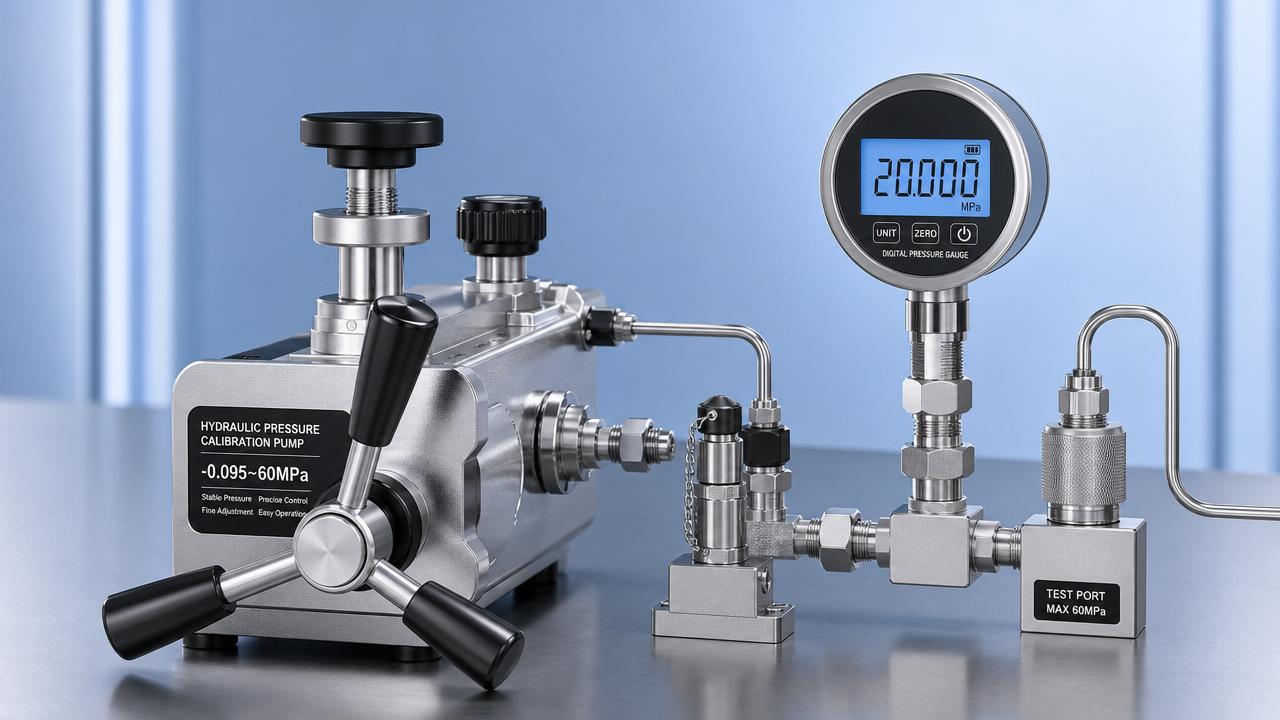
 How to Read Hydraulic Calibration Pump Specifications CorrectlyHydraulic calibration pump specifications explained clearly: learn how to assess pressure range, stability, fine control, and compatibility to choose the right pump with confidence.
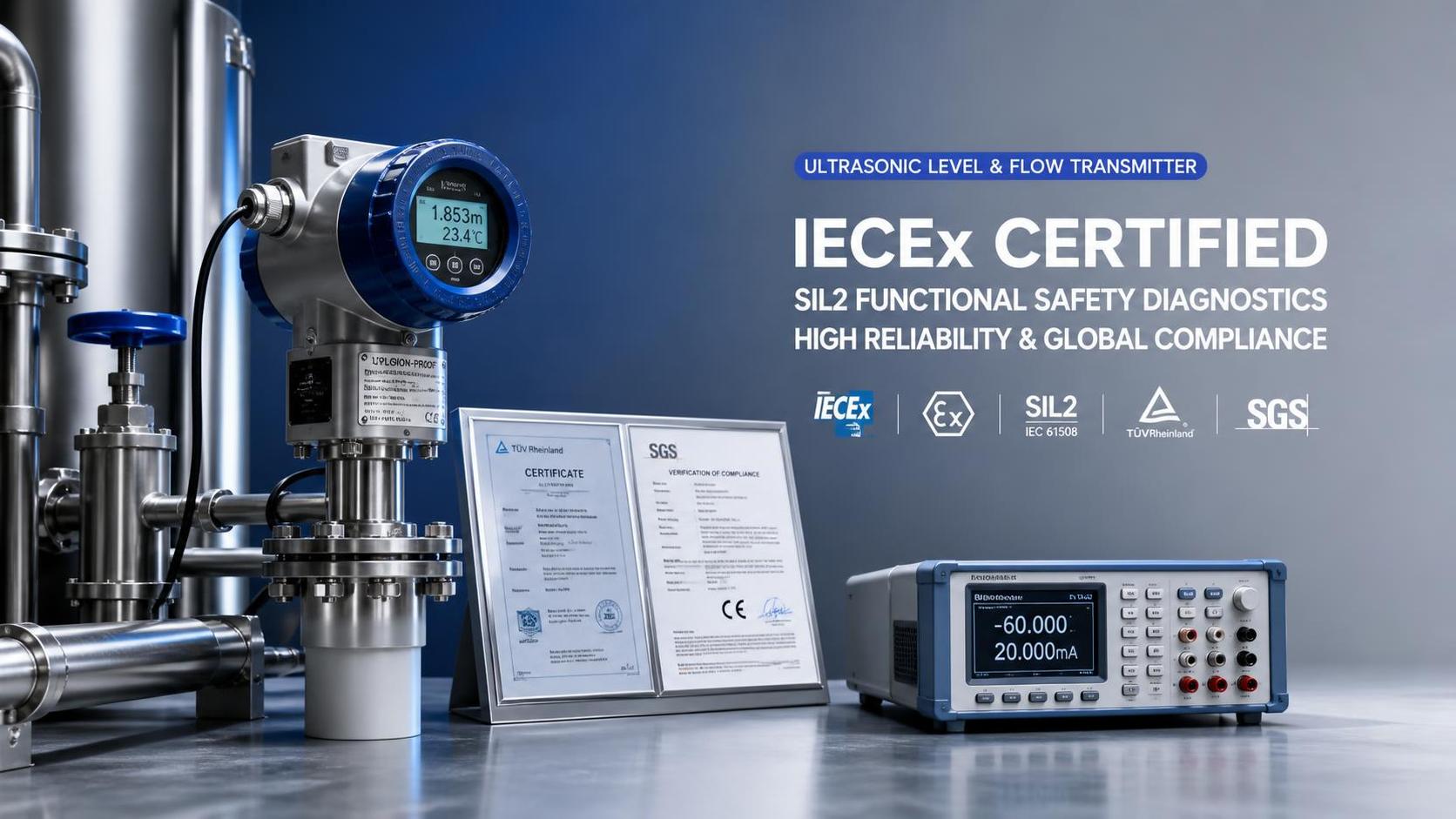
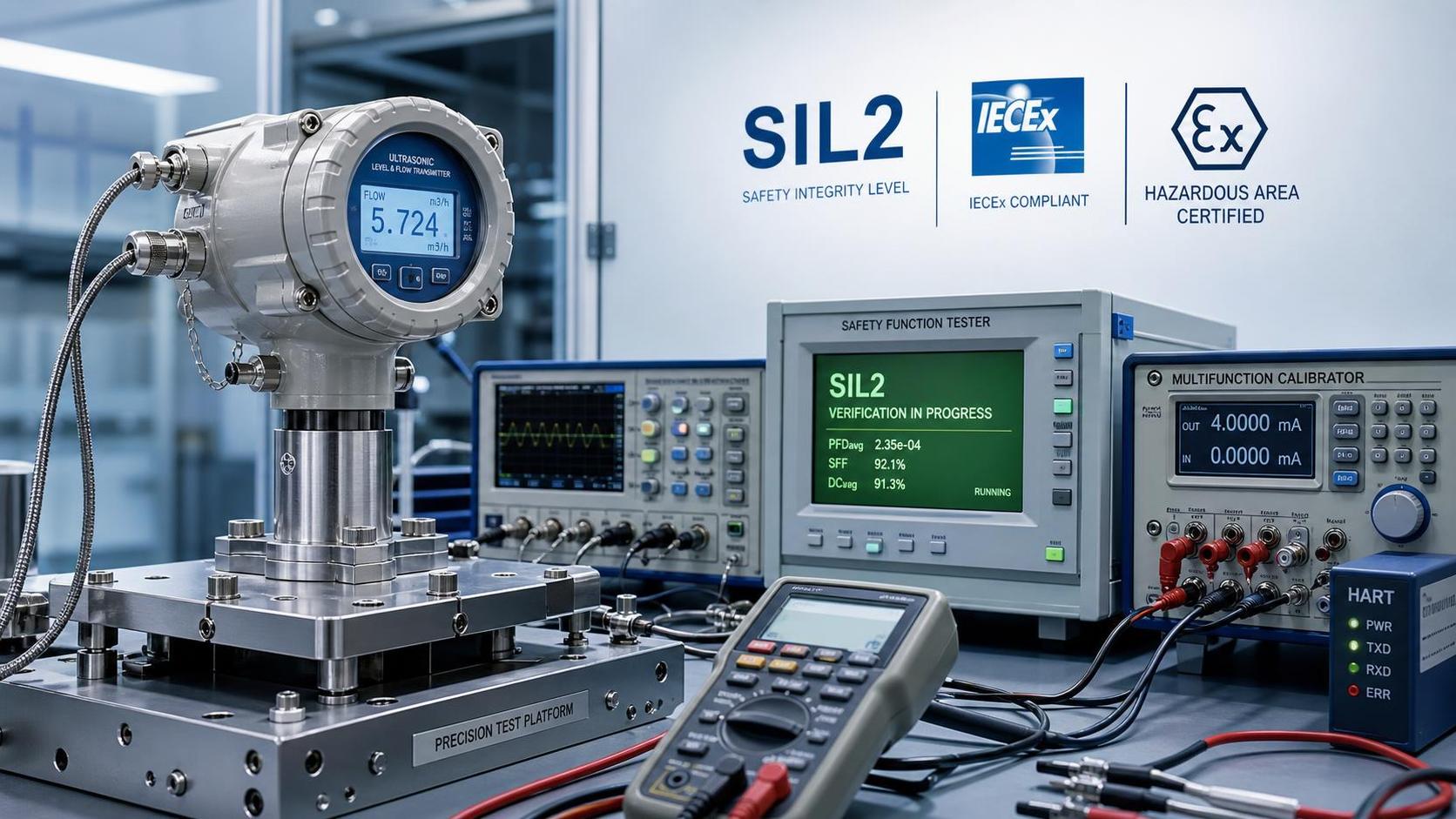
 New IECEx Rule Requires SIL2 Diagnostic Validation for Chinese Ultrasonic Transmitter ExportsIECEx rule update: SIL2 diagnostic validation is now required for Chinese ultrasonic transmitter exports. Learn how IEC 61508, 90% DC reports, and procurement risks affect bids and delivery.
 FDA Draft Guidance Raises Compliance Bar for Pharma Pressure and Flow InstrumentsFDA draft guidance tightens compliance for pharma pressure and flow instruments, raising USP<1058> qualification demands and market entry barriers for suppliers.
 China Tightens Export Controls on Instruments for New Energy Production LinesChina tightens export controls on instruments for new energy production lines, impacting high-purity gas flowmeters. Learn how 100% filing rules may affect compliance, delivery, and global sourcing.
 IECEx Rule Change Makes SIL2 Diagnostics Mandatory for Chinese Ultrasonic Transmitter ExportsIECEx now requires SIL2 diagnostics for Chinese ultrasonic transmitter exports, reshaping Ex d and Ex ia compliance. Learn what changes, who is affected, and how to stay ahead.
 China Tightens Export Controls on Flow Meters for New Energy Production LinesChina tightens export controls on flow meters and MFCs for new energy production lines. Learn how the 2026 filing rule may affect compliance, lead times, and global shipments.



Chat Online