


On 25 May 2026, the European Union updated Annex XVII of the REACH Regulation to restrict four phthalate substances—including DEHP and BBP—in plastic laboratory consumables such as connectors, seals, and septa. This regulatory change directly affects manufacturers and exporters supplying these items to the EU market, requiring immediate compliance with new SVHC notification and SDS revision obligations.
New REACH Restrictions Take Effect Immediately
Effective 25 May 2026, the European Commission amended Annex XVII of Regulation (EC) No 1907/2006 (REACH) to introduce a 0.1% concentration limit for DEHP, BBP, DBP, and DIBP in plastic components used in laboratory equipment—including tubing connectors, O-rings, and injection port septa. Exporters placing such items on the EU market must now submit Substance of Very High Concern (SVHC) notifications to the European Chemicals Agency (ECHA) and update Safety Data Sheets (SDS) accordingly. Non-compliant shipments will be denied entry into the EU customs territory.
Impact Across the Laboratory Supply Chain
Export-oriented trading companies
These entities face immediate customs clearance risks if shipments lack valid SVHC notifications and up-to-date SDS. Documentation verification is now mandatory at EU borders—delays or rejections may occur without proof of compliance prior to dispatch.
Raw material procurement specialists
Procurement teams must verify phthalate content in incoming polymers and additives used for lab-grade plastics. Supplier declarations and third-party test reports confirming ≤0.1% phthalate levels are now essential prerequisites for sourcing decisions.
Contract manufacturers and component fabricators
Fabricators producing plastic lab accessories must review formulations, adjust material specifications, and validate substitution alternatives (e.g., non-phthalate plasticizers). Process validation and batch-level testing become critical before releasing products for EU-bound consignments.
Supply chain service providers
Logistics, compliance consulting, and technical documentation support firms must expand their scope to include REACH-specific SDS authoring, ECHA notification filing, and pre-shipment compliance audits—especially for niche lab consumables previously exempt from stringent chemical controls.
Key Compliance Actions for Affected Enterprises
Immediate SVHC notification and SDS revision
Companies exporting affected components must file SVHC notifications via ECHA’s IUCLID platform and issue revised SDS reflecting the updated Annex XVII restrictions—no grandfathering applies; all shipments post-25 May 2026 require full documentation alignment.
Material composition verification and supplier engagement
Manufacturers must obtain certified analytical test reports (e.g., GC-MS) for each production lot, confirming compliance with the 0.1% threshold. Concurrently, formal communication with polymer and compound suppliers is needed to secure updated declarations of conformity.
Product labeling and traceability enhancement
While not mandated under this amendment, best practice now includes adding REACH compliance statements on packaging and product data sheets—and maintaining batch-level traceability to support rapid response to potential EU market surveillance queries.
Industry Perspective: A Shift Toward Proactive Chemical Stewardship
Analysis shows this amendment reflects a broader regulatory trend: the progressive extension of REACH controls beyond mass-market consumer goods into specialized industrial and scientific applications. Observably, laboratory consumables—long considered low-risk due to limited human exposure—now fall under stricter scrutiny as part of the EU’s ‘safe-by-design’ strategy. It is more appropriate to understand this as a signal that functional performance alone no longer suffices; chemical transparency and proactive substance management are becoming baseline expectations across the entire lab supply chain—not just for finished instruments, but for every replaceable plastic part.
Strategic Implications for Global Lab Equipment Suppliers
This restriction marks a pivotal shift in how chemical compliance intersects with precision instrumentation supply chains. Rather than representing an isolated regulatory update, it signals growing convergence between environmental health standards and technical procurement criteria. For global suppliers, integrating REACH readiness into early-stage R&D and supplier qualification—not just pre-shipment checks—is now a strategic necessity. The cost of non-compliance extends beyond customs rejection: it includes reputational risk, contract renegotiation pressure, and loss of access to EU public research tenders where chemical safety is increasingly weighted in evaluation criteria.
Source Information and Verification Guidance
This article was generated exclusively from the provided title, event date (25 May 2026), and summary text. Specific official source links were not provided in the input and should be verified continuously. Stakeholders are advised to monitor ECHA’s official guidance on Annex XVII updates, upcoming Q&A documents on lab-specific application scope, and national enforcement practices across EU Member States—particularly regarding interpretation of ‘laboratory use’ and verification timelines for legacy stock.


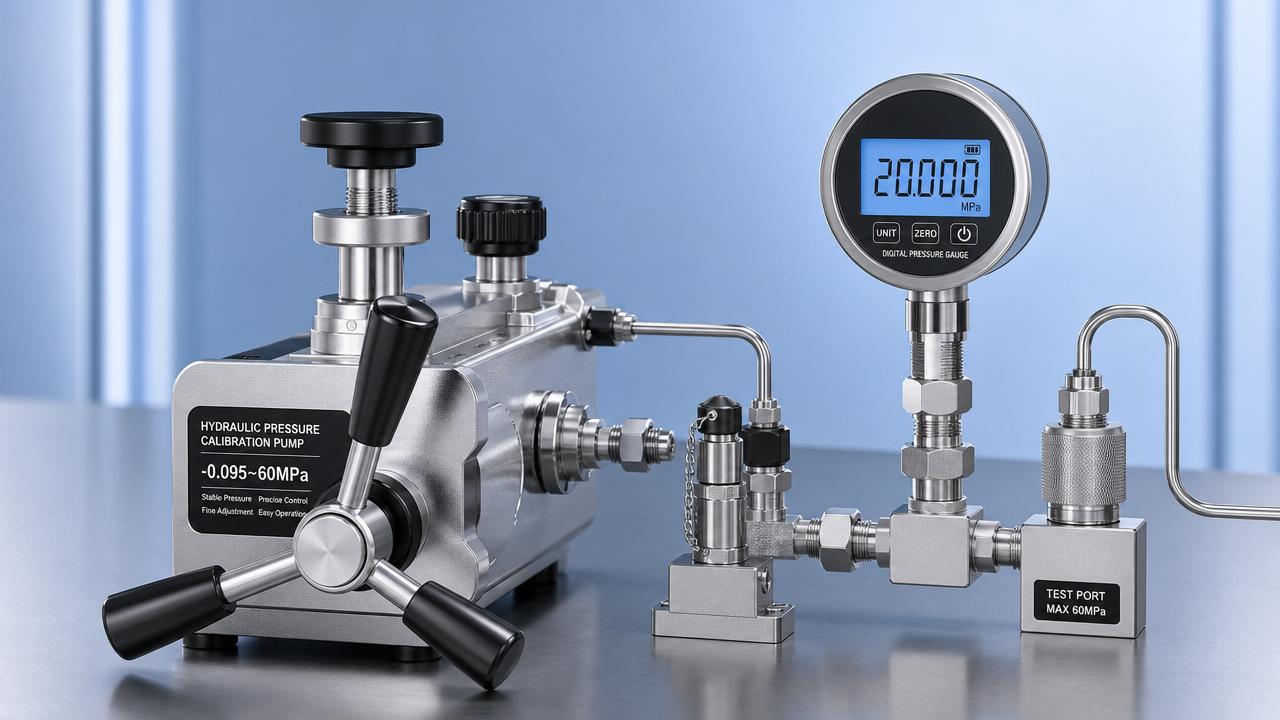
 How to Read Hydraulic Calibration Pump Specifications CorrectlyHydraulic calibration pump specifications explained clearly: learn how to assess pressure range, stability, fine control, and compatibility to choose the right pump with confidence.
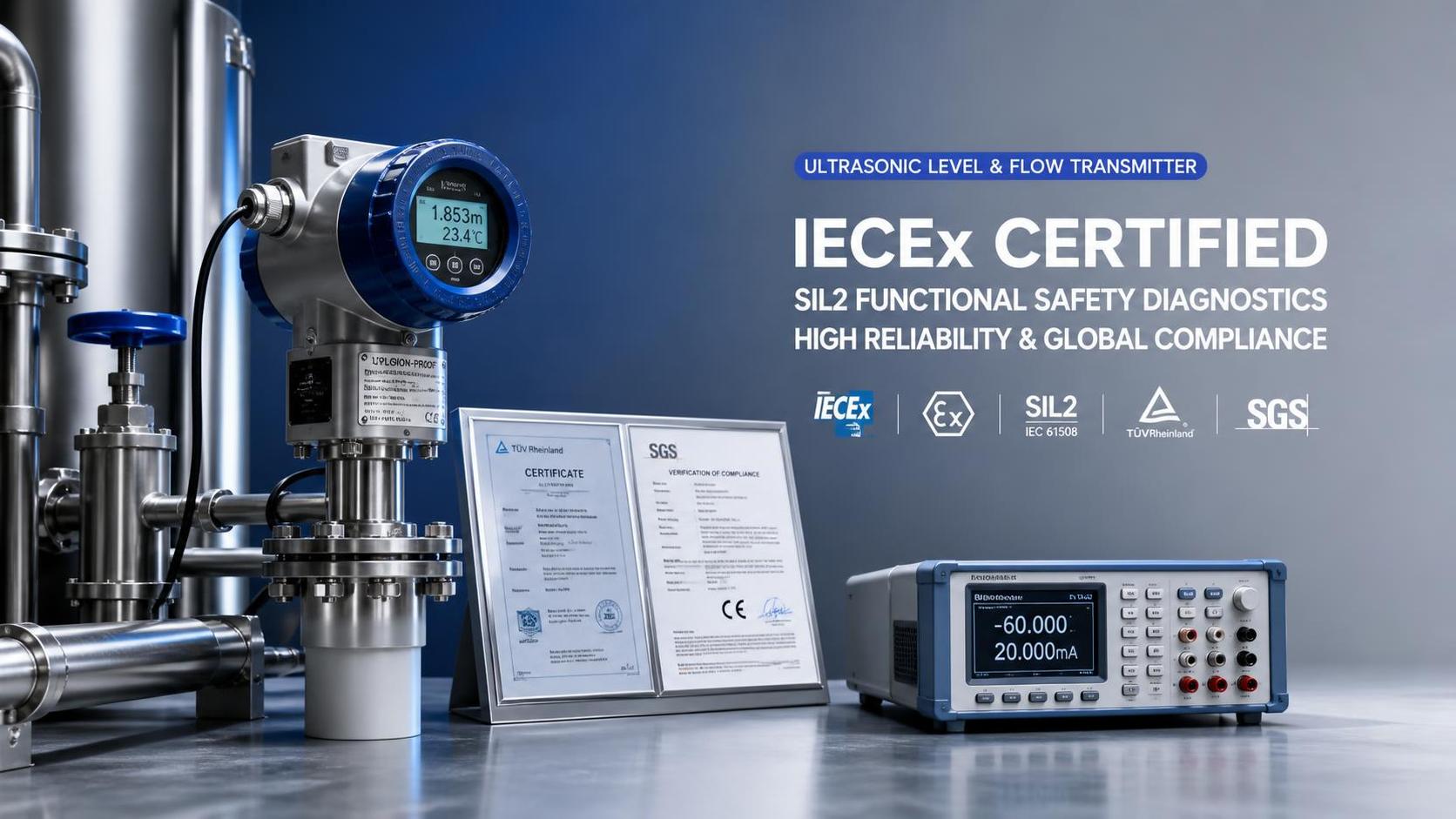
 New IECEx Rule Requires SIL2 Diagnostic Validation for Chinese Ultrasonic Transmitter ExportsIECEx rule update: SIL2 diagnostic validation is now required for Chinese ultrasonic transmitter exports. Learn how IEC 61508, 90% DC reports, and procurement risks affect bids and delivery.
 FDA Draft Guidance Raises Compliance Bar for Pharma Pressure and Flow InstrumentsFDA draft guidance tightens compliance for pharma pressure and flow instruments, raising USP<1058> qualification demands and market entry barriers for suppliers.
 China Tightens Export Controls on Instruments for New Energy Production LinesChina tightens export controls on instruments for new energy production lines, impacting high-purity gas flowmeters. Learn how 100% filing rules may affect compliance, delivery, and global sourcing.
 IECEx Rule Change Makes SIL2 Diagnostics Mandatory for Chinese Ultrasonic Transmitter ExportsIECEx now requires SIL2 diagnostics for Chinese ultrasonic transmitter exports, reshaping Ex d and Ex ia compliance. Learn what changes, who is affected, and how to stay ahead.
 China Tightens Export Controls on Flow Meters for New Energy Production LinesChina tightens export controls on flow meters and MFCs for new energy production lines. Learn how the 2026 filing rule may affect compliance, lead times, and global shipments.




Chat Online