


Effective May 1, 2026, China has implemented zero tariffs on 98% of tariff lines covering scientific instruments exported to all 53 African countries with which it maintains diplomatic relations. This policy directly affects exporters of analytical instruments, environmental monitoring equipment, and laboratory instrumentation—particularly those targeting public procurement, CDC tenders, and university lab construction projects in Kenya, South Africa, and Nigeria.
Event Overview
On May 1, 2026, China formally began applying zero tariff treatment to scientific instruments exported to all 53 African countries with which it has established diplomatic relations. The measure covers 98% of tariff headings under the scientific instruments category. According to official announcements, this results in a documented 12–18% reduction in export cost burden for affected products entering these markets.
Which Subsectors Are Affected
Direct Exporting Enterprises
Exporters of analytical instruments (e.g., spectrometers, chromatographs), environmental monitoring devices (e.g., air/water quality analyzers), and general laboratory equipment are directly impacted. The tariff elimination lowers landed costs, improving price competitiveness in government-led bidding processes—especially where tender evaluations weigh total cost of ownership or local price benchmarks.
Manufacturing Enterprises with Africa-Focused Product Lines
Domestic manufacturers whose production planning, certification pathways (e.g., CE, ISO 17025 alignment), or compliance documentation are calibrated specifically for African public-sector procurement will see reduced pressure on margin compression. However, the benefit is contingent on actual shipment volumes and customs classification accuracy at destination ports.
Distribution & Channel Partners Serving African Markets
Regional distributors, local agents, and value-added resellers operating in Kenya, South Africa, and Nigeria may experience improved order conversion rates due to more competitive end-user pricing. Their inventory planning and quotation cycles may shift as import cost predictability increases—but only if destination-country customs authorities consistently apply the zero-tariff treatment per Harmonized System (HS) codes.
Supply Chain & Compliance Support Providers
Third-party providers handling origin certification (e.g., Form A), HS code verification, or pre-shipment conformity assessments face adjusted demand patterns. Requests for Africa-specific certificate-of-origin support and tariff-line validation services are likely to rise, especially for newly prioritized product categories such as portable field analyzers and modular lab systems.
What Relevant Enterprises or Practitioners Should Focus On
Monitor official implementation guidance from Chinese and African customs authorities
The zero-tariff policy applies only upon proper documentation—including valid Certificate of Origin (Form A) issued by authorized Chinese chambers. Enterprises must verify whether their specific HS codes fall within the 98% coverage threshold and confirm that partner customs administrations in target countries have updated tariff schedules accordingly.
Track shifts in procurement behavior across priority markets
Early indicators may include increased tender activity for environmental monitoring equipment in South Africa’s Department of Health, or expanded lab infrastructure budgets in Nigeria’s Federal Ministry of Education. Firms should cross-reference national development plans (e.g., Kenya Vision 2030 health targets) to identify high-probability procurement windows—not assume automatic demand growth.
Distinguish between tariff removal and full market access
Zero tariffs reduce one cost component but do not resolve non-tariff barriers—such as local content requirements, mandatory type testing, or registration with national regulatory bodies (e.g., SAHPRA in South Africa or NAFDAC in Nigeria). Exporters must maintain parallel compliance roadmaps alongside tariff optimization.
Review and update internal classification and documentation workflows
Manufacturers and exporters should audit current HS code assignments for scientific instrument SKUs against the latest Chinese Customs Notice on Africa tariff treatment. Misclassification—even for closely related accessories or software bundles—may exclude items from zero-tariff eligibility. Internal training for export documentation staff is advisable ahead of Q3 2026 tender seasons.
Editorial Perspective / Industry Observation
Observably, this policy functions primarily as a trade facilitation signal rather than an immediate demand catalyst. It lowers structural cost friction for exporters already active—or preparing to enter—select African public-sector markets. Analysis shows the 12–18% cost reduction is calculated at the border clearance stage; it does not reflect logistics, duties levied by third parties, or VAT regimes, which remain unchanged. From an industry perspective, the move signals strengthened institutional coordination between China’s Ministry of Commerce and African trade ministries—but actual uptake will depend on how rapidly domestic exporters align product packaging, labeling, and after-sales service capacity with African procurement timelines and technical specifications.
Current more appropriate interpretation is that this is a foundational enabler—not a standalone growth driver. Its significance lies less in near-term revenue uplift and more in long-term positioning: firms using this window to deepen local partnerships, localize technical support, and accumulate tender-track records will be better placed for subsequent phases of regional integration initiatives, such as the African Continental Free Trade Area (AfCFTA) implementation roadmap.
Conclusion
This policy marks a targeted recalibration of China’s export cost structure for scientific instruments into Africa—not a broad-based market-opening event. Its practical impact remains conditional on accurate product classification, consistent customs application across 53 jurisdictions, and alignment with non-tariff procurement requirements. For industry participants, the most rational approach is to treat it as a margin-stabilizing mechanism for ongoing engagements, not as a trigger for large-scale market-entry investment without concurrent due diligence on regulatory and operational readiness.
Information Sources
Main source: Official announcement issued by China’s Ministry of Commerce and General Administration of Customs, effective May 1, 2026.
Note: Implementation consistency across all 53 African customs administrations remains subject to ongoing observation; no consolidated verification report has been published as of May 2026.


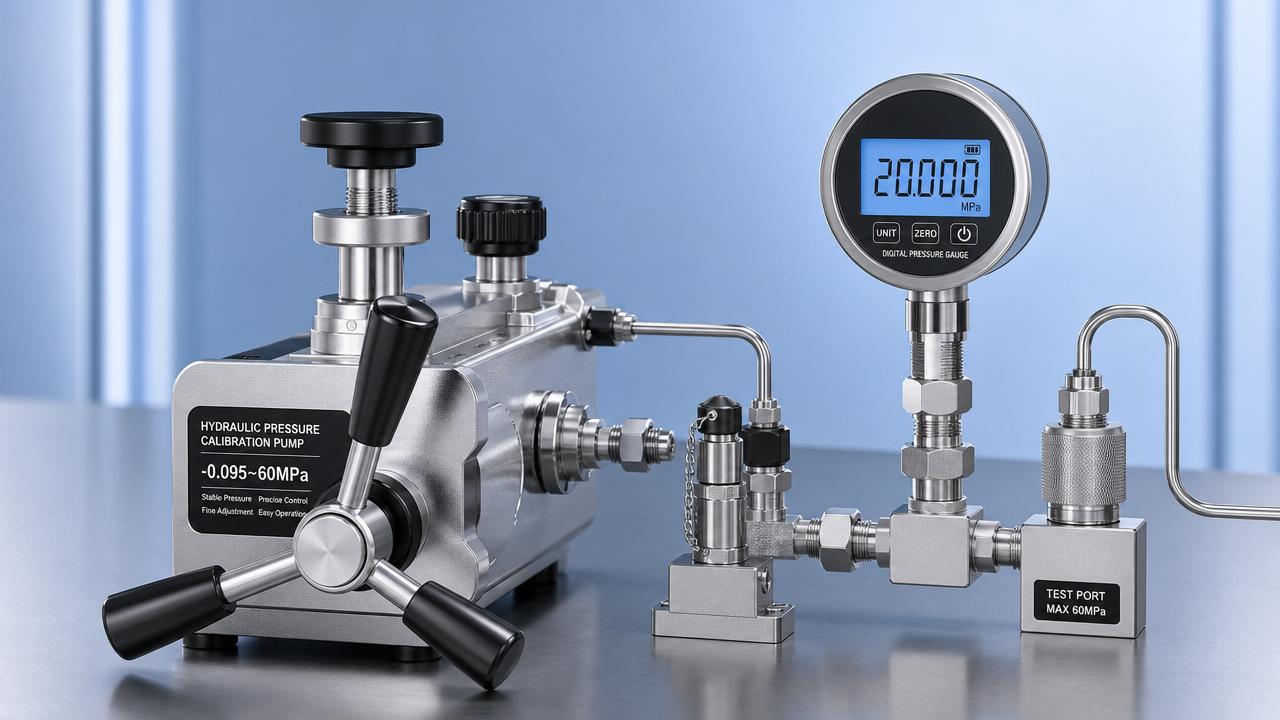
 How to Read Hydraulic Calibration Pump Specifications CorrectlyHydraulic calibration pump specifications explained clearly: learn how to assess pressure range, stability, fine control, and compatibility to choose the right pump with confidence.
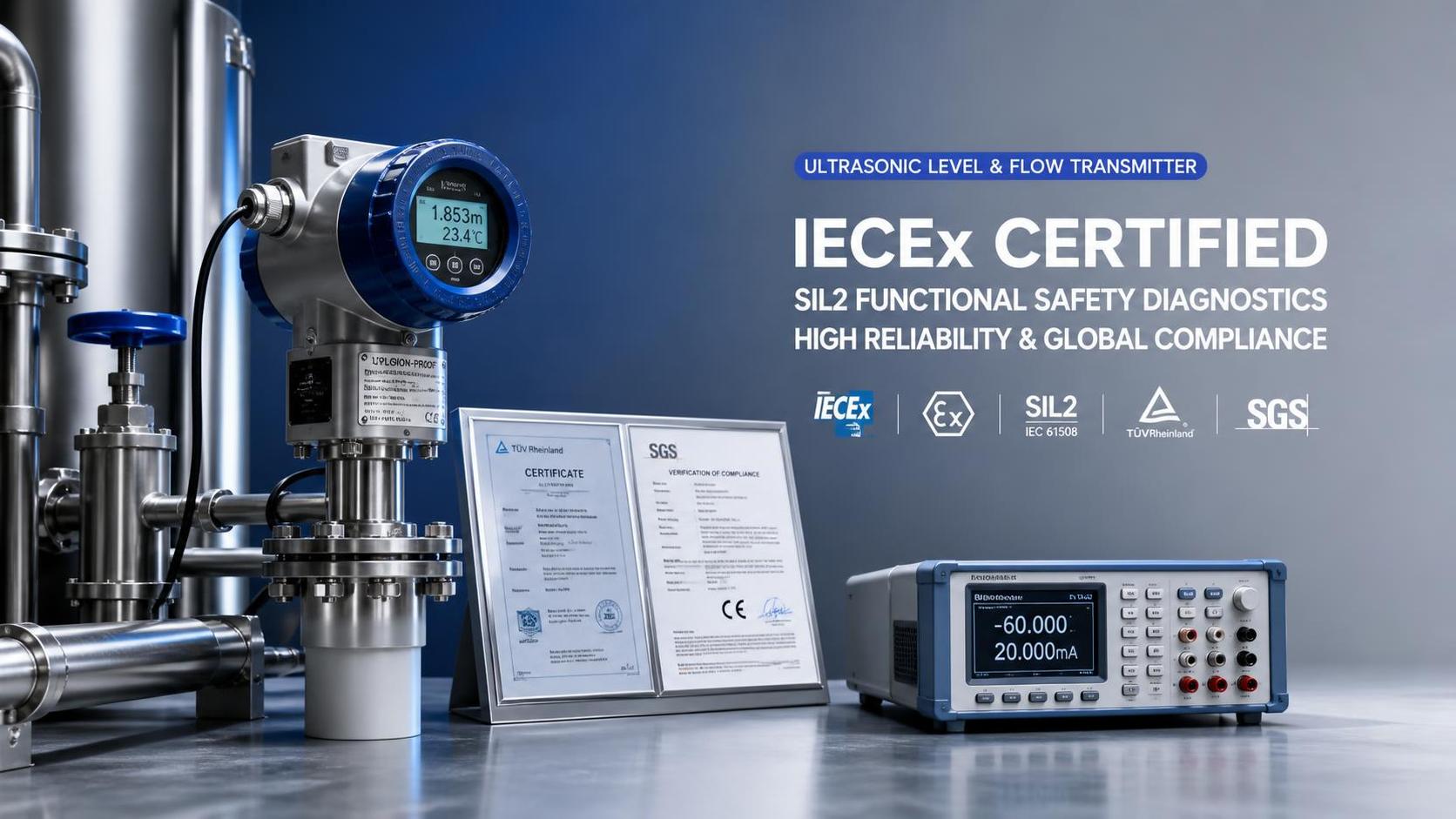
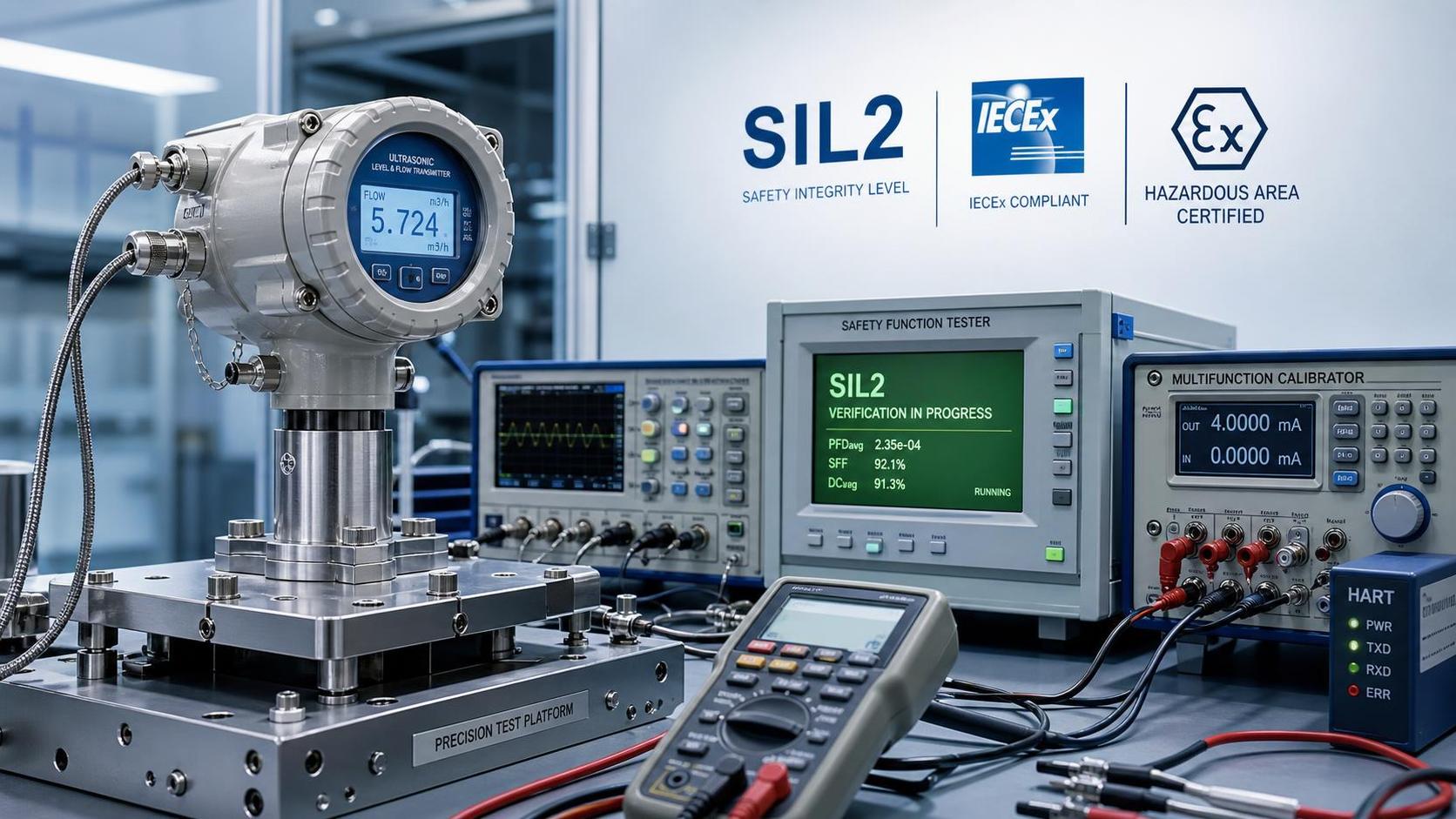
 New IECEx Rule Requires SIL2 Diagnostic Validation for Chinese Ultrasonic Transmitter ExportsIECEx rule update: SIL2 diagnostic validation is now required for Chinese ultrasonic transmitter exports. Learn how IEC 61508, 90% DC reports, and procurement risks affect bids and delivery.
 FDA Draft Guidance Raises Compliance Bar for Pharma Pressure and Flow InstrumentsFDA draft guidance tightens compliance for pharma pressure and flow instruments, raising USP<1058> qualification demands and market entry barriers for suppliers.
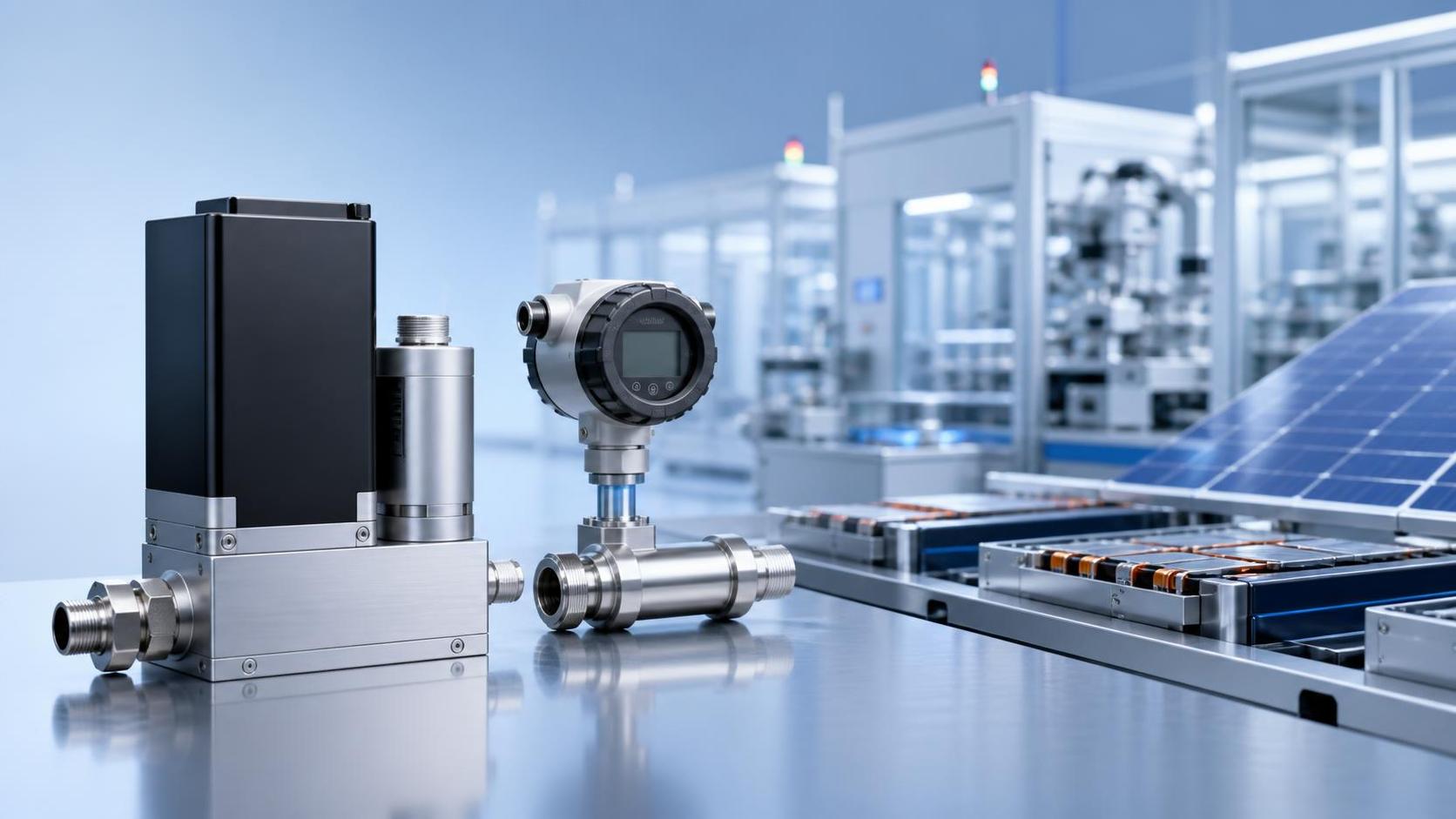
 China Tightens Export Controls on Instruments for New Energy Production LinesChina tightens export controls on instruments for new energy production lines, impacting high-purity gas flowmeters. Learn how 100% filing rules may affect compliance, delivery, and global sourcing.
 IECEx Rule Change Makes SIL2 Diagnostics Mandatory for Chinese Ultrasonic Transmitter ExportsIECEx now requires SIL2 diagnostics for Chinese ultrasonic transmitter exports, reshaping Ex d and Ex ia compliance. Learn what changes, who is affected, and how to stay ahead.
 China Tightens Export Controls on Flow Meters for New Energy Production LinesChina tightens export controls on flow meters and MFCs for new energy production lines. Learn how the 2026 filing rule may affect compliance, lead times, and global shipments.


Chat Online