


Effective May 1, 2026, China has implemented a zero-tariff regime for instrument and metering equipment imported from 20 African countries with which it maintains diplomatic relations—excluding least-developed countries. This policy directly affects the instrumentation sector, including laboratory analyzers, environmental monitoring devices, and industrial sensors, and introduces new compliance and sourcing considerations for exporters and distributors.
Policy Implementation Details
Starting May 1, 2026, China applies zero import tariffs on eligible instrumentation products originating from 20 African countries that have formal diplomatic ties with China—but excludes those classified as least-developed countries under UN criteria. Covered goods include laboratory analysis instruments, environmental monitoring equipment, and industrial sensors. Tariff exemption applies only within allocated quotas. To qualify, importers must submit an origin declaration and valid market access certifications such as EAC or CE, confirming conformity with destination-market regulatory requirements.
Impact Across Supply Chain Roles
Direct trading enterprises
Exporters and importers engaged in cross-border trade of instrumentation equipment face revised cost structures and documentation workflows. The zero-tariff benefit is conditional upon quota allocation and certification compliance—requiring closer coordination with customs agents and origin-certification authorities to ensure timely clearance.
Raw material and component procurement firms
Companies sourcing subassemblies or calibrated components from African suppliers may see reduced landed costs for finished instruments—but only if their supply chain meets origin traceability standards. Any deviation from declared origin or incomplete certification packages risks tariff reinstatement or shipment delays.
Manufacturing enterprises
Instrument manufacturers integrating African-sourced modules into final products must verify whether such integration preserves origin eligibility under applicable rules of origin. Complex assembly processes may trigger reclassification or disqualify quota benefits unless origin declarations are supported by full production records.
Supply chain service providers
Logistics, customs brokerage, and compliance advisory firms must update internal protocols to validate EAC/CE documentation authenticity and align origin declarations with Harmonized System (HS) codes specific to instrumentation categories. Failure to verify certification validity could expose clients to post-clearance audits or duty recovery actions.
Key Compliance and Operational Priorities
Origin declaration preparation and verification
Eligible exporters must obtain and submit formally recognized origin declarations—not self-certified statements—to Chinese customs. Documentation must precisely match product descriptions, HS codes, and batch-level manufacturing evidence.
Market access certification alignment
EAC and CE certificates must remain valid at time of entry and cover the exact models and configurations being imported. Certificates issued for legacy versions or lacking scope clarity may invalidate zero-tariff eligibility—even if technically compliant with general safety requirements.
Quota utilization planning
As the zero-tariff benefit is quota-bound, importers should monitor real-time quota availability through official channels and adjust shipment schedules accordingly. Over-allocation or late filings may result in application of standard MFN tariff rates for excess volumes.
Supplier qualification and audit readiness
Distributors and OEMs relying on African partners must conduct due diligence on their suppliers’ capacity to maintain consistent origin documentation and certification validity. Internal audit checklists should now include origin traceability verification and certificate expiry tracking.
Industry Perspective: Beyond Immediate Cost Savings
Analysis shows this measure is less about broad market liberalization and more a targeted trade facilitation tool aligned with China’s broader cooperation framework with Africa. What deserves closer attention is how strictly origin rules will be enforced—particularly for multi-tiered supply chains involving third-country components. From an industry perspective, the requirement for EAC/CE certification suggests China is indirectly reinforcing adherence to internationally recognized technical and safety benchmarks, potentially raising the de facto compliance bar for African exporters. Observably, lead times for certification renewal and origin validation may become critical path items, especially for SMEs lacking dedicated trade compliance staff.
Strategic Implications for Instrumentation Markets
This policy marks a tangible step toward deepening technical trade linkages between China and select African economies—not as a unilateral concession, but as a calibrated incentive tied to verifiable regulatory alignment. Its long-term significance lies not in immediate tariff savings alone, but in signaling a shift toward conditionality: market access is increasingly linked to demonstrable conformity with international standards. For global instrumentation players, it underscores the growing importance of harmonized certification strategies across emerging markets.
Source Information and Verification Notes
This article was generated based solely on the user-provided title, event date (2026-05-01), and summary. Specific official source links were not provided in the input and should be verified continuously. Stakeholders are advised to monitor updates on quota administration procedures, detailed product coverage lists, customs implementation guidelines, and any subsequent clarifications on origin certification acceptance criteria issued by Chinese customs or relevant African trade authorities.


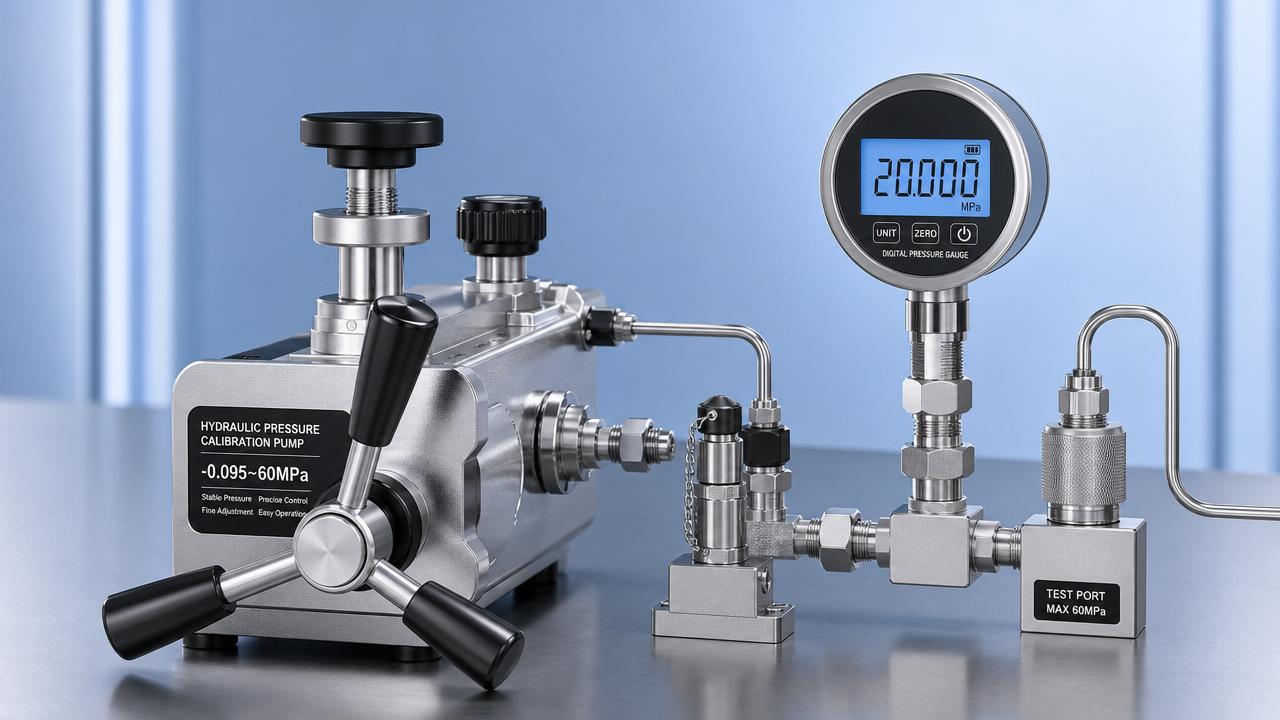
 How to Read Hydraulic Calibration Pump Specifications CorrectlyHydraulic calibration pump specifications explained clearly: learn how to assess pressure range, stability, fine control, and compatibility to choose the right pump with confidence.
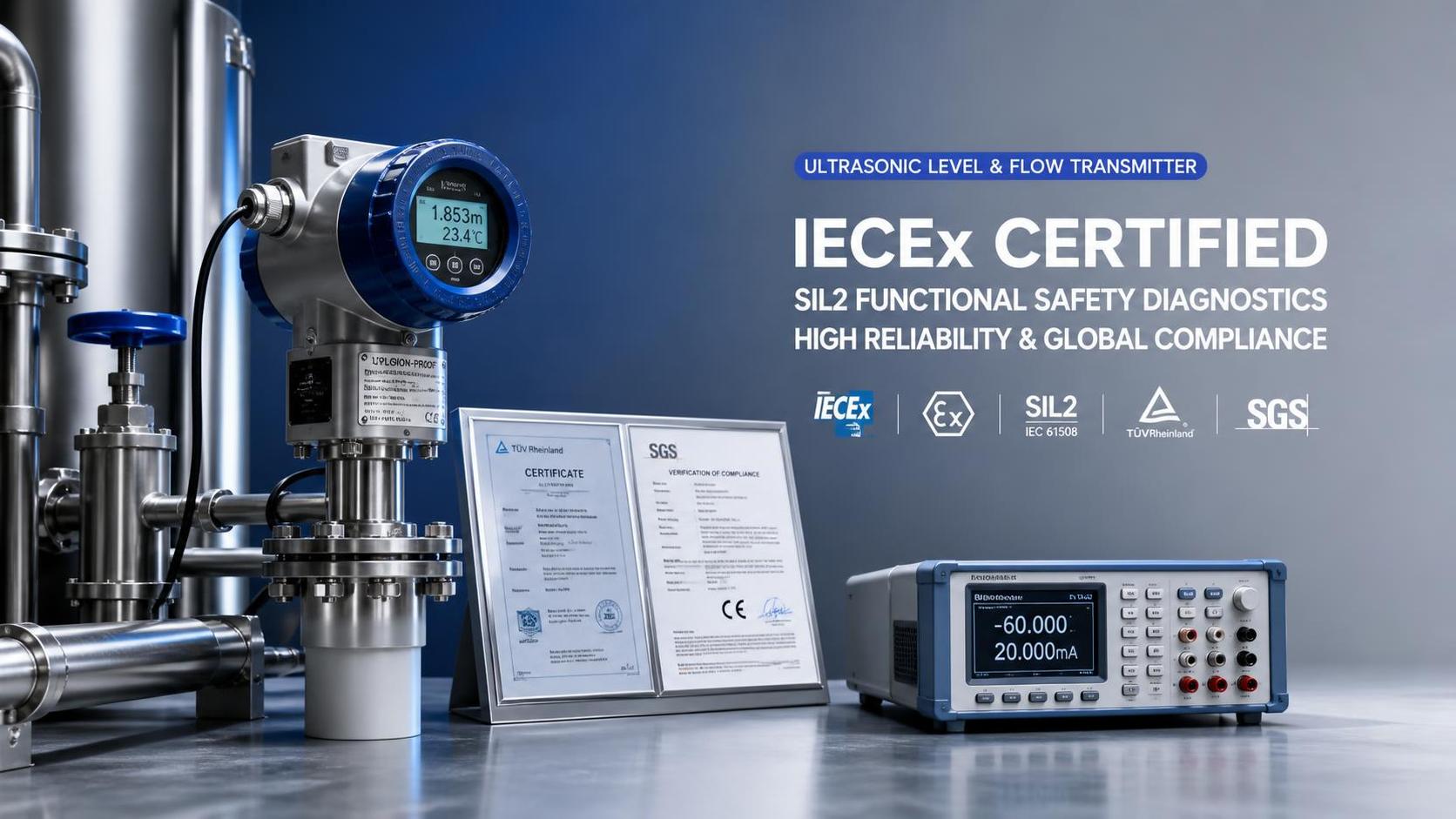
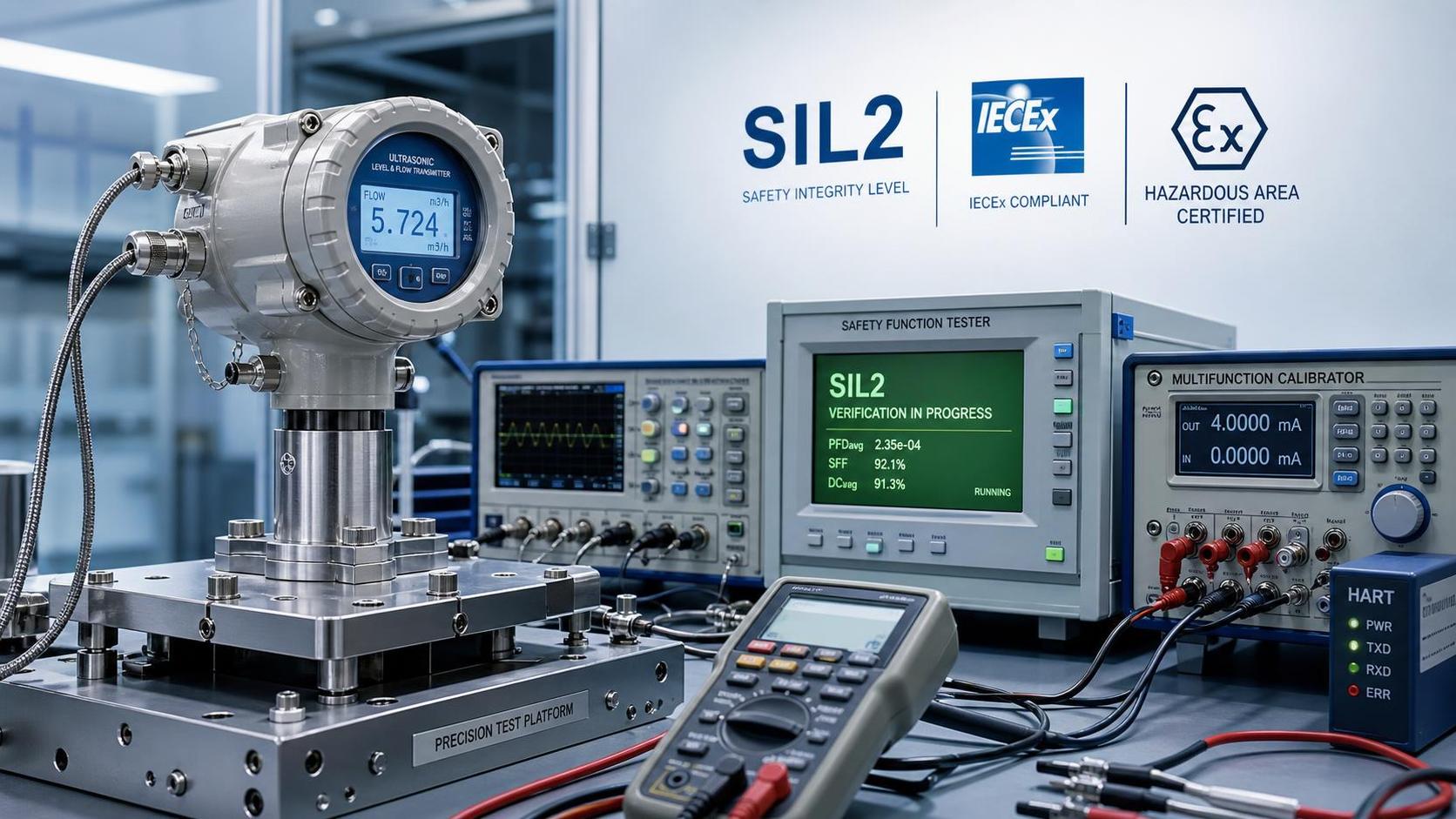
 New IECEx Rule Requires SIL2 Diagnostic Validation for Chinese Ultrasonic Transmitter ExportsIECEx rule update: SIL2 diagnostic validation is now required for Chinese ultrasonic transmitter exports. Learn how IEC 61508, 90% DC reports, and procurement risks affect bids and delivery.
 FDA Draft Guidance Raises Compliance Bar for Pharma Pressure and Flow InstrumentsFDA draft guidance tightens compliance for pharma pressure and flow instruments, raising USP<1058> qualification demands and market entry barriers for suppliers.
 China Tightens Export Controls on Instruments for New Energy Production LinesChina tightens export controls on instruments for new energy production lines, impacting high-purity gas flowmeters. Learn how 100% filing rules may affect compliance, delivery, and global sourcing.
 IECEx Rule Change Makes SIL2 Diagnostics Mandatory for Chinese Ultrasonic Transmitter ExportsIECEx now requires SIL2 diagnostics for Chinese ultrasonic transmitter exports, reshaping Ex d and Ex ia compliance. Learn what changes, who is affected, and how to stay ahead.
 China Tightens Export Controls on Flow Meters for New Energy Production LinesChina tightens export controls on flow meters and MFCs for new energy production lines. Learn how the 2026 filing rule may affect compliance, lead times, and global shipments.



Chat Online