


Image Placement Plan
No image placeholders are scheduled for this article because the required number is zero.
On June 1, 2026, the General Administration of Customs of China officially launched a new smart classification support system for instrument and meter exports, initially covering 12 categories of highly sensitive testing equipment. The change is relevant to analytical instruments, industrial measurement devices, export compliance teams, overseas importers, distributors, and OEM buyers because HS code pre-assessment, customs clearance efficiency, and classification-related risk control are directly linked to delivery reliability and supply chain planning.
Confirmed Update on Export Classification
The confirmed event is the official launch, on June 1, 2026, of a new smart classification support system for exports of instruments and meters by the General Administration of Customs of China.
The first pilot scope covers 12 categories of highly sensitive testing equipment, including mass spectrometers, online chromatographic analyzers, and Coriolis mass flow meters.
According to the provided event summary, the system is intended to improve the accuracy of HS code pre-assessment and customs clearance efficiency. It is also expected to reduce risks associated with incorrect classification, including return shipments, inspections, and compliance exposure.
For overseas importers, distributors, and OEM purchasing teams, the stated relevance lies in more stable delivery schedules, lower customs clearance uncertainty, and a more predictable supply chain response cycle.
How the Change May Affect Market Participants
Exporters and direct trading companies
Direct trading companies may be affected because HS code classification is a core step in export declaration and customs coordination. When a product falls within highly sensitive testing equipment categories, classification accuracy can influence document preparation, customs review, shipment release, and delivery commitments.
Business links that may require closer attention include export documentation, product description consistency, HS code pre-checking, and communication with overseas buyers. Companies may need to monitor whether internal classification records align with the new smart classification support process.
Raw material and component procurement teams
Raw material procurement enterprises and component sourcing teams may be indirectly affected when they support manufacturers of covered instruments or related equipment assemblies. Although the update focuses on export classification, procurement teams often provide technical descriptions, material specifications, and component information that can influence product identification.
The impact may appear in bill of materials review, supplier documentation collection, component traceability, and preparation of technical files used for export compliance. Procurement teams may need to pay closer attention to whether supplied parts and descriptions support clear product classification.
Processing and manufacturing enterprises
Processing and manufacturing enterprises producing or assembling mass spectrometers, online chromatographic analyzers, Coriolis mass flow meters, or other covered testing equipment may face stronger demand for accurate product descriptions and technical documentation.
Relevant business steps include production documentation, model identification, testing reports, technical parameter confirmation, and alignment between engineering data and export declaration materials. Manufacturers may need to ensure that product specifications can support consistent HS code pre-assessment.
Supply chain and logistics service providers
Supply chain service enterprises may be affected because the new system targets customs classification and clearance efficiency, both of which directly influence shipment scheduling and risk management. Freight forwarders, customs service providers, and logistics coordinators may need to adjust their review workflow for covered instruments.
The main points of attention include document completeness, declaration consistency, pre-clearance coordination, inspection response preparation, and delivery timeline communication with overseas customers.
Compliance Priorities for Companies
Strengthen HS code review before shipment
Companies handling covered instruments should treat HS code pre-assessment as an earlier-stage compliance task rather than a final declaration step. Product names, technical parameters, functions, and application descriptions should be reviewed before booking shipments to reduce the likelihood of classification discrepancies.
Keep technical documents aligned with product identity
For sensitive testing equipment, technical files can be essential for confirming product classification. Relevant materials may include specification sheets, operating descriptions, testing reports, model information, and functional explanations. These documents should be consistent across sales contracts, export declarations, tender documents, and after-sales records.
Recheck tender and OEM specification alignment
For overseas importers, distributors, and OEM buyers, the update may make specification alignment more important. Product descriptions in technical bids, purchasing documents, and OEM procurement files should match the information used for export classification so that customs clearance expectations and delivery schedules remain realistic.
Plan delivery cycles with classification risk in mind
The system is expected to reduce classification-related uncertainty, but companies should still keep room in procurement and delivery planning for documentation review and possible customs checks. Exporters and buyers may benefit from building more transparent communication around classification status, expected clearance steps, and shipment readiness.
Industry Observation: Classification Is Becoming a Supply Chain Variable
From an industry perspective, this update can be understood as a move toward more structured and technology-supported export compliance for high-sensitivity instruments. It does not simply concern customs declaration teams; it also affects engineering, procurement, sales, logistics, and after-sales documentation practices.
Analysis shows that companies with clearer product data and more consistent technical documentation may be better positioned to benefit from improved HS code pre-assessment. Conversely, companies with inconsistent model descriptions, incomplete specifications, or fragmented supplier records may still face delays or additional review even under a smarter classification environment.
What deserves closer attention is the way procurement rules and customer expectations may evolve. Overseas buyers, distributors, and OEM purchasers may increasingly request classification-ready documentation before confirming orders, especially when delivery reliability is a key commercial condition.
It is more appropriate to understand this change as a compliance-process upgrade rather than a guarantee of automatic clearance. The actual impact will depend on how enterprises prepare documentation, coordinate with service providers, and respond to customs classification requirements.
Conclusion: More Predictable Trade, but Not Less Compliance
The launch of the smart export classification support system marks a notable regulatory and trade-process development for instrument and meter exports. Its stated value lies in improving HS code pre-assessment accuracy, customs clearance efficiency, and risk control for sensitive testing equipment.
For the industry, the practical meaning is likely to be a stronger connection between technical documentation and delivery reliability. Companies should view the update as an opportunity to improve compliance management, supplier documentation, and shipment planning, while avoiding overreliance on system-based efficiency alone.
Source Note and Items to Monitor
This article is based on the user-provided news title, event date, and event summary. Specific official source links were not provided in the input and should be verified continuously.
For this type of regulatory and trade-process update, relevant source types may include official customs notices, customs classification guidance, export compliance instructions, certification-related documentation, and trade procedure updates from competent authorities.
Follow-up monitoring should focus on detailed implementation rules, classification execution practices, certification review requirements, changes in tender documents, customs service feedback, and industry responses from exporters, overseas importers, distributors, and OEM buyers.


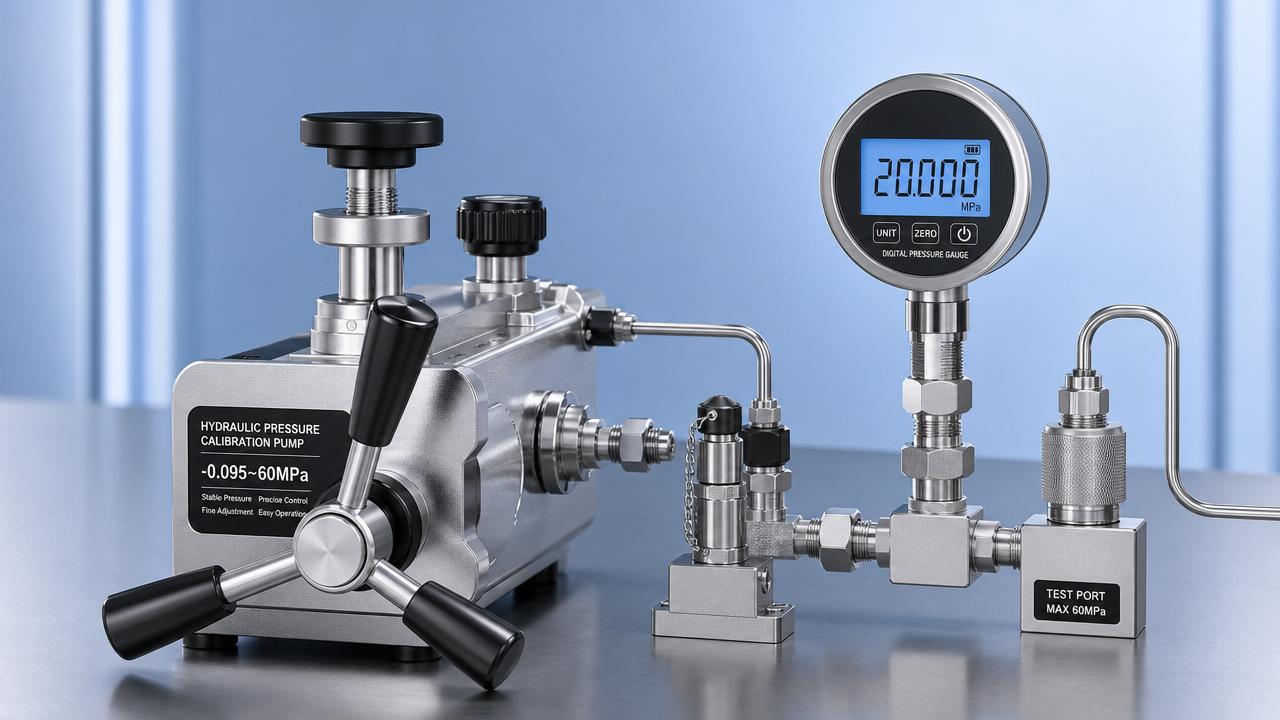
 How to Read Hydraulic Calibration Pump Specifications CorrectlyHydraulic calibration pump specifications explained clearly: learn how to assess pressure range, stability, fine control, and compatibility to choose the right pump with confidence.
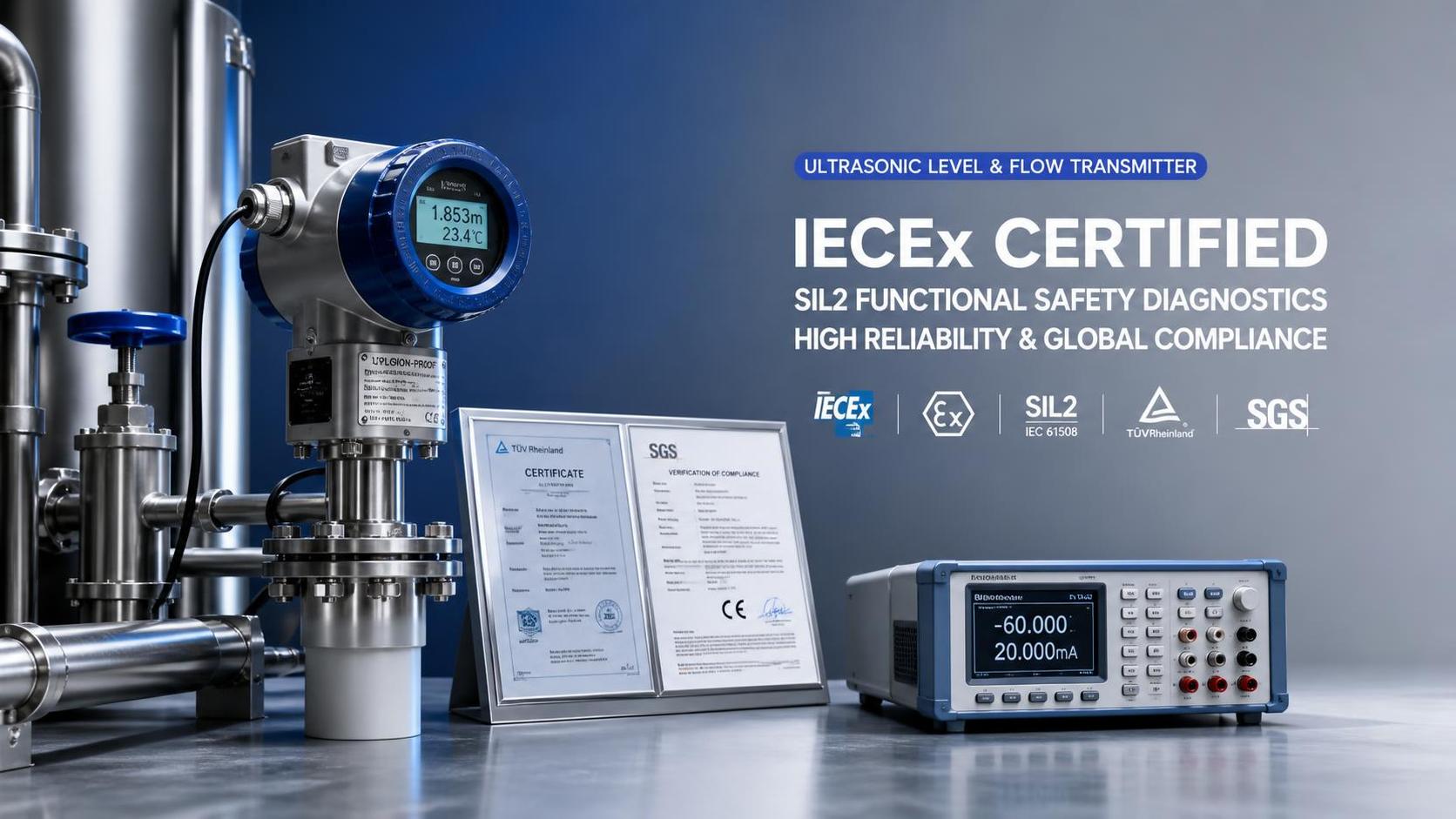
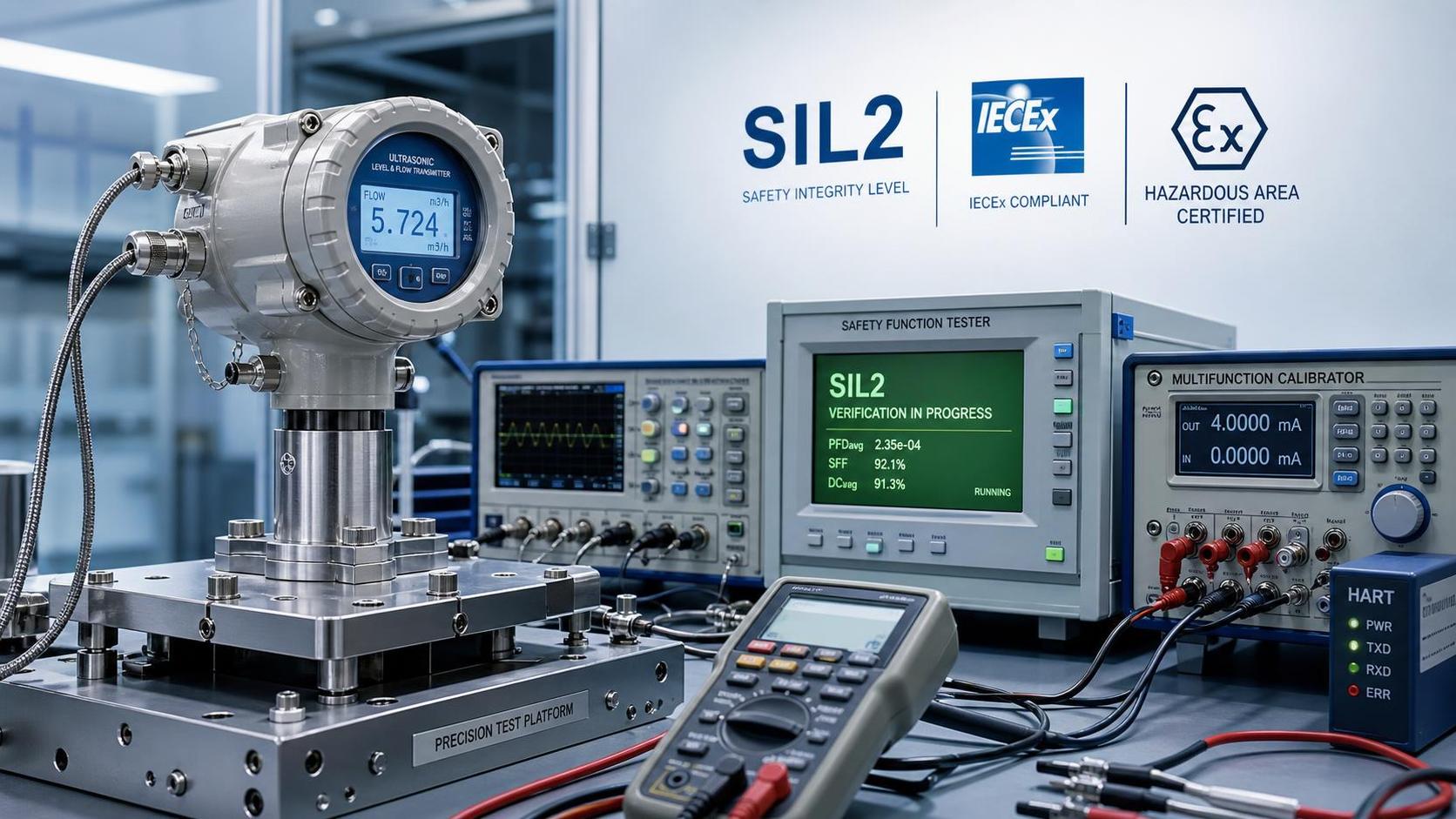
 New IECEx Rule Requires SIL2 Diagnostic Validation for Chinese Ultrasonic Transmitter ExportsIECEx rule update: SIL2 diagnostic validation is now required for Chinese ultrasonic transmitter exports. Learn how IEC 61508, 90% DC reports, and procurement risks affect bids and delivery.
 FDA Draft Guidance Raises Compliance Bar for Pharma Pressure and Flow InstrumentsFDA draft guidance tightens compliance for pharma pressure and flow instruments, raising USP<1058> qualification demands and market entry barriers for suppliers.
 China Tightens Export Controls on Instruments for New Energy Production LinesChina tightens export controls on instruments for new energy production lines, impacting high-purity gas flowmeters. Learn how 100% filing rules may affect compliance, delivery, and global sourcing.
 IECEx Rule Change Makes SIL2 Diagnostics Mandatory for Chinese Ultrasonic Transmitter ExportsIECEx now requires SIL2 diagnostics for Chinese ultrasonic transmitter exports, reshaping Ex d and Ex ia compliance. Learn what changes, who is affected, and how to stay ahead.
 China Tightens Export Controls on Flow Meters for New Energy Production LinesChina tightens export controls on flow meters and MFCs for new energy production lines. Learn how the 2026 filing rule may affect compliance, lead times, and global shipments.



Chat Online