


The 23rd China International Scientific Instrument & Laboratory Equipment Exhibition (CISILE 2026) opened on May 29, 2026, at the National Convention Center Phase II in Beijing. The event highlights how evolving regulatory expectations—particularly FDA and EMA compatibility requirements, CE IVDR certification pathways, and localized calibration support—are reshaping procurement behavior among international pharmaceutical companies, third-party testing laboratories, and distribution partners.
CISILE 2026 Launches with Focus on Regulatory-Ready AI Instruments
The exhibition occupied a 30,000-square-meter venue, hosting over 600 Chinese instrument manufacturers. They showcased AI-integrated products—including intelligent particle size analyzers, insoluble particle detection systems, and smart sensors—all designed and verified for compliance with key international regulatory frameworks. European and U.S. buyers engaged in intensive on-site technical discussions, prioritizing evidence of FDA/EMA-aligned design architecture, clarity on CE IVDR conformity assessment routes, and demonstrable capacity for local calibration service delivery.
Impact Across Supply Chain Roles
Export-Oriented Instrument Manufacturers
These enterprises face intensified scrutiny on regulatory documentation integrity and functional verification under real-world operating conditions. Product labeling, user manuals, software validation reports, and traceability of firmware versions must now align precisely with FDA 21 CFR Part 11 and EU IVDR Annex II requirements—not just as checklist items, but as embedded elements of product development lifecycle.
Raw Material and Component Suppliers
Suppliers of critical subsystems—such as optical modules, microfluidic chips, or certified reference materials—must provide updated declarations of conformity (DoC), material traceability records, and biocompatibility data compliant with ISO 10993 where applicable. Their documentation is increasingly treated as upstream input to the manufacturer’s IVDR technical file.
Contract Manufacturing and Assembly Firms
Firms engaged in final assembly, software integration, or calibration must maintain auditable records demonstrating adherence to ISO 13485:2016 and relevant IEC 62304 processes. The growing emphasis on AI model validation means that even non-software firms may need to document data provenance, training set representativeness, and bias mitigation steps for AI-driven analytics features.
Logistics and Regulatory Support Providers
Supply chain service providers are now expected to offer more than customs clearance—they must support post-market surveillance readiness, including UDI registration coordination, vigilance reporting infrastructure, and alignment with EU Responsible Person (RP) mandates. Local calibration network coverage has become a decisive differentiator in tender evaluations.
Key Compliance Priorities for Exporters
CE IVDR Certification Strategy Clarity
Buyers explicitly requested transparent timelines, notified body engagement status, and classification rationale (Class A–D) for each device. Vague references to ‘IVDR-ready’ were insufficient; documented conformity assessment routes—including whether self-declaration applies or Notified Body involvement is mandatory—were essential for procurement qualification.
FDA/EMA Design Alignment Verification
Procurement teams reviewed system architecture diagrams, cybersecurity risk assessments (per IEC 81001-5-1), and software update protocols. Demonstrated alignment with FDA’s AI/ML-Based Software as a Medical Device (SaMD) framework—and not just general ‘FDA-compliant’ claims—was a recurring evaluation criterion.
Local Calibration and Technical Support Capacity
Buyers assessed whether vendors maintained certified calibration labs within the EU or U.S., or had formalized partnerships with accredited third-party labs. Evidence of metrological traceability to NIST or EU NMIs—and availability of on-site technician deployment—directly influenced purchase intent and contract terms.
Industry Observation: Beyond Certification, Toward Embedded Compliance
Analysis shows a discernible shift from viewing regulatory compliance as a one-time pre-market hurdle to treating it as an operational capability woven into R&D, manufacturing, and service delivery. Observably, leading Chinese instrument firms are no longer outsourcing regulatory strategy to consultants alone—they are embedding regulatory affairs professionals within product management teams and integrating IVDR/FDA checklists into Agile sprints. It is more appropriate to understand this as a structural adaptation to buyer-side risk mitigation, rather than merely a response to new rules. What deserves closer attention is how this raises the effective entry threshold for smaller suppliers lacking integrated quality and regulatory infrastructure.
Strategic Implications for Global Market Access
This edition of CISILE signals that regulatory readiness is now a core commercial differentiator—not a supporting document. For exporters, success hinges less on technical performance alone and more on verifiable, auditable, and locally supported compliance execution. The convergence of AI functionality, medical device regulation, and laboratory-grade accuracy demands coordinated upgrades across engineering, quality, regulatory, and field service functions. Sustainable market access will depend on systematic capability building—not isolated certification projects.
Source Information and Verification Notes
This article was generated exclusively from the provided title, event date (May 29, 2026), and summary description. Specific official source links were not provided in the input and should be verified continuously. Stakeholders are advised to monitor updates from the European Commission’s IVDR implementation guidance, FDA’s Digital Health Center of Excellence publications, and national notified body announcements—particularly regarding transitional arrangements, classification interpretations, and post-market surveillance expectations. Ongoing observation of actual tender specifications, buyer feedback from CISILE 2026, and emerging industry consortia initiatives remains essential.


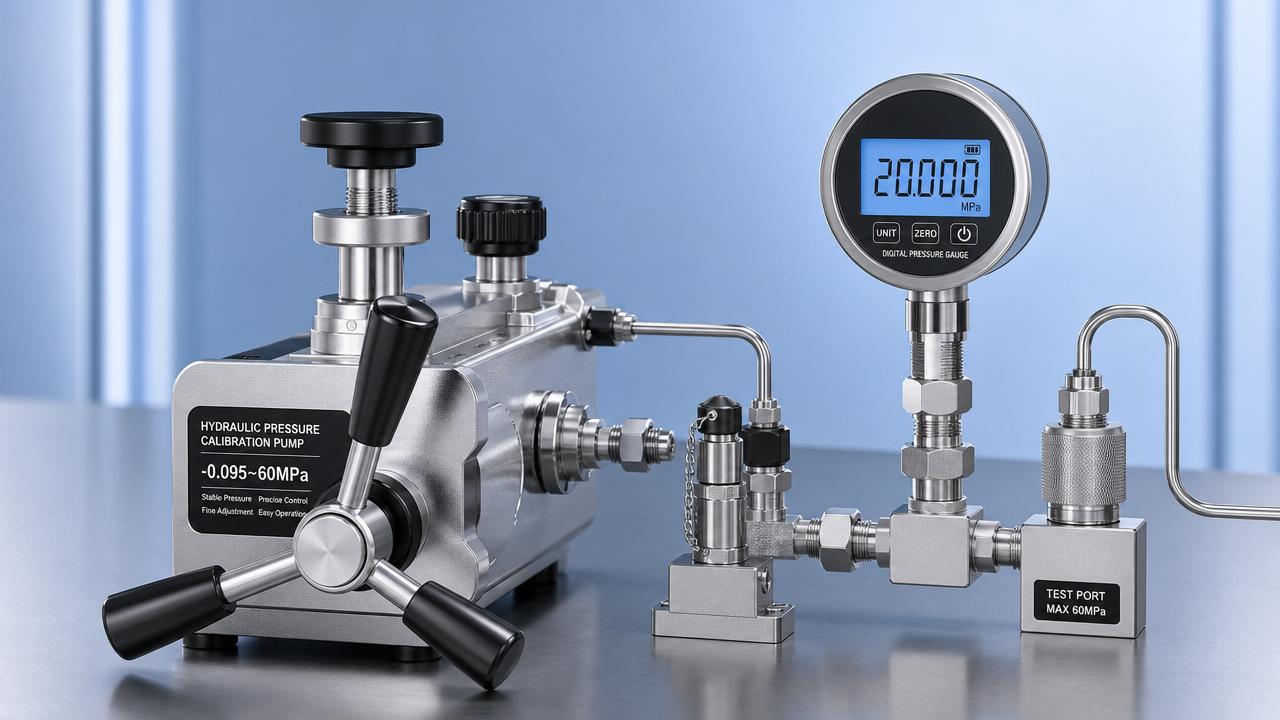
 How to Read Hydraulic Calibration Pump Specifications CorrectlyHydraulic calibration pump specifications explained clearly: learn how to assess pressure range, stability, fine control, and compatibility to choose the right pump with confidence.
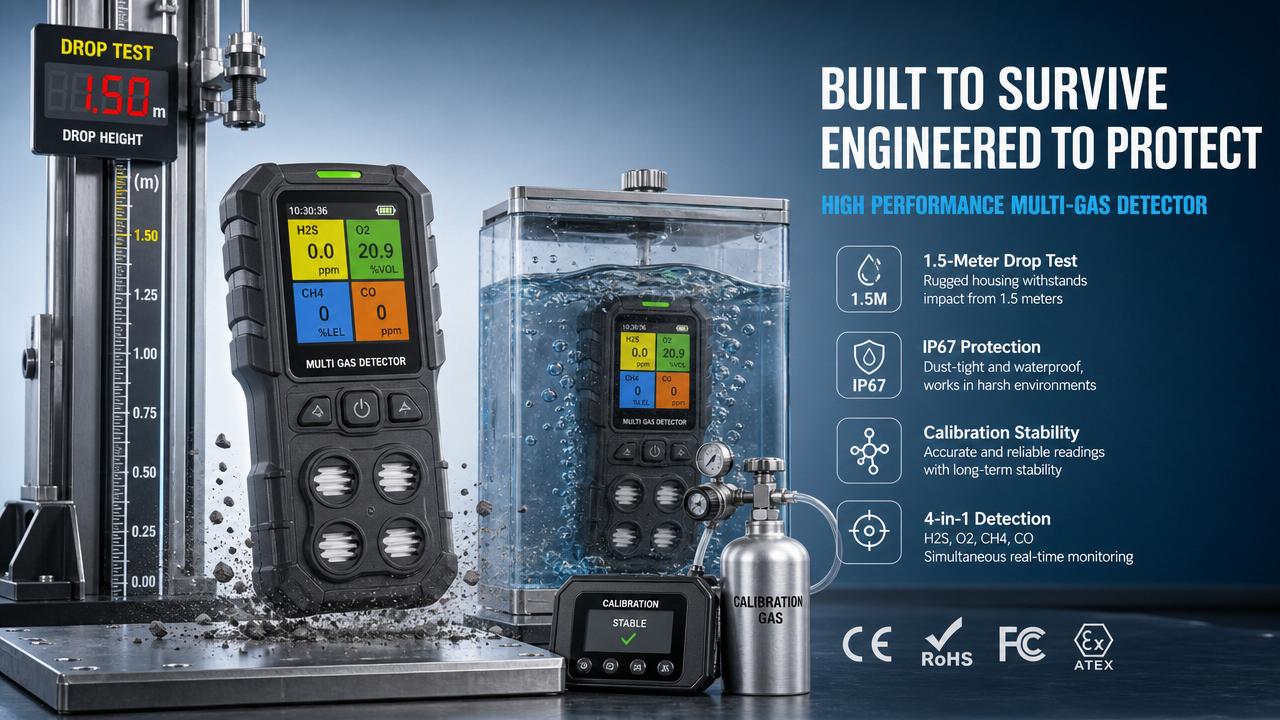
 IEC 62841-3-12 Raises Drop Test Bar for Handheld Gas DetectorsIEC 62841-3-12 sets a higher drop test standard for handheld gas detectors. Learn how the 1.5m drop, IP67, and calibration stability rules affect compliance, exports, and product upgrades before 2027.
 Battery Test Equipment Exports Face Longer Lead TimesBattery Test Equipment exports face longer lead times as overseas demand jumps. See how rising prices, 14–18 week delivery cycles, and urgent orders affect battery buyers and suppliers.
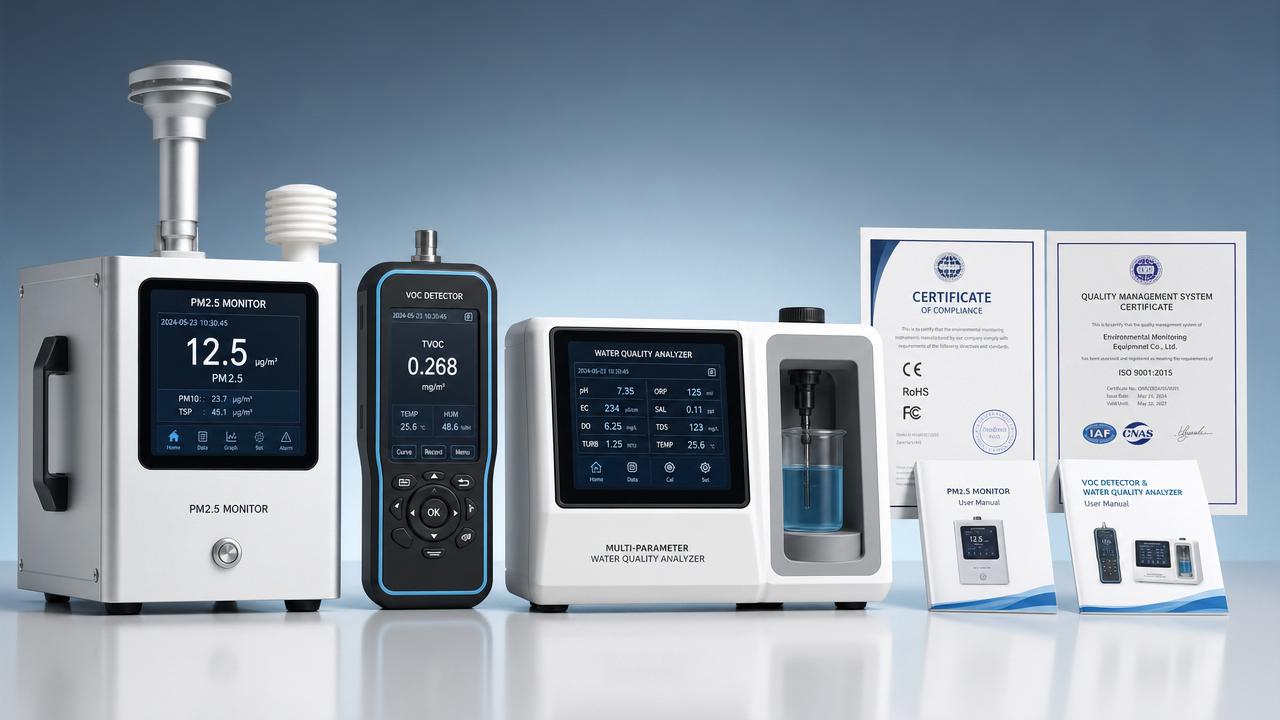
 GCC to Require Certification and Arabic Interface for Environmental Monitoring ImportsGCC environmental monitoring imports will require GCC type certification and an Arabic interface from Sept 1, 2026. Learn how PM2.5, VOCs, and water quality analyzer suppliers can avoid port rejection.
 DOE Tightens Smart Meter Security Rules for 2026DOE tightens smart meter security rules for 2026, requiring NIST-aligned encryption audit modules. Learn how instrument suppliers and exporters can prepare for U.S. compliance.
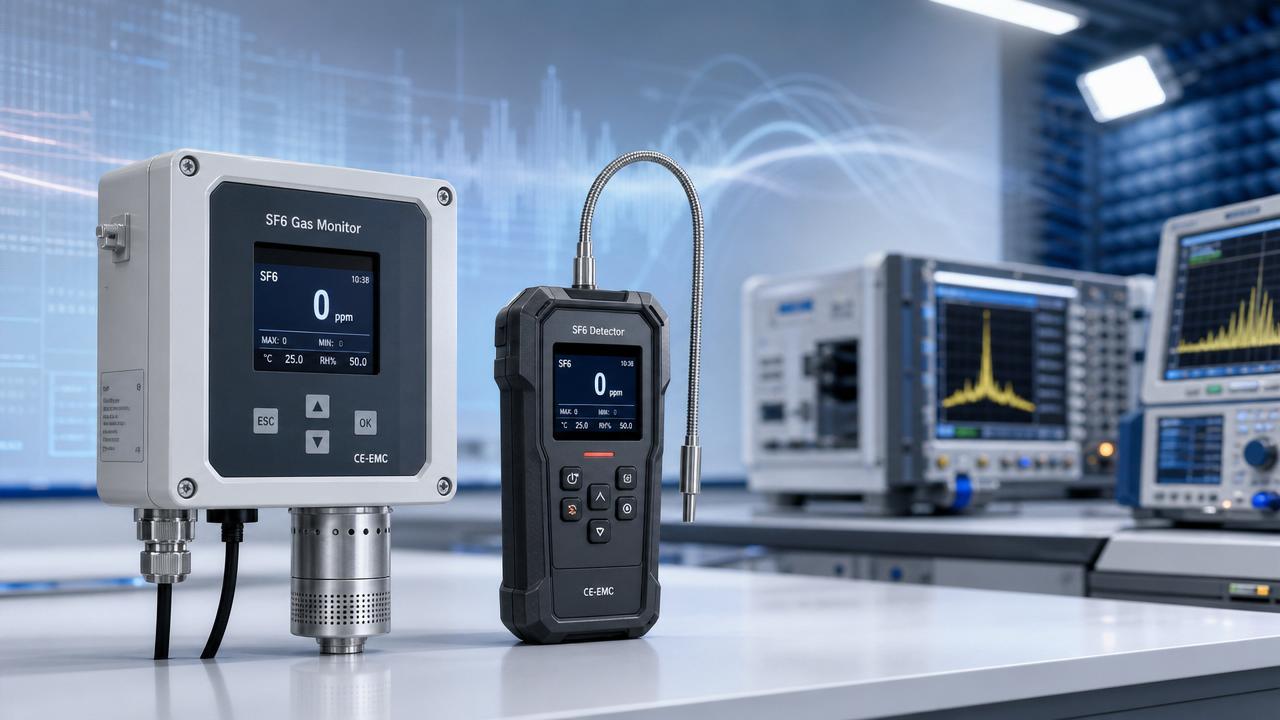
 EU EMC Rule Tightens for SF6 Detectors in 2026SF6 detectors entering the EU from July 1, 2026 must meet stricter EMC rules under EN 61000-6-4:2023. Learn the compliance impact, CE-EMC needs, and what exporters should review now.


Chat Online