


CISILE 2026 — the 23rd China International Scientific Instrument Exhibition — concluded on May 31, 2026, at the National Convention Center in Beijing. The event spotlighted AI-integrated fully automated laboratory solutions, drawing concentrated interest from procurement teams across Germany, France, the U.S., and Japan. Pharmaceutical, food safety, and environmental testing sectors are among those most directly affected — as these industries face growing pressure to modernize lab infrastructure while meeting stricter regulatory and throughput demands.
Event Overview
The 23rd China International Scientific Instrument Exhibition (CISILE 2026) took place from May 29 to May 31, 2026, in Beijing. During the exhibition, AI-driven fully automated laboratory solutions — including Guangzhou Ligong’s ‘Lidian D1’ humanoid robot and Interscience France’s real-time bacterial counting workstation — attracted procurement delegations from Europe and North America. Over $120 million in preliminary order intentions were registered, primarily targeting intelligent lab deployment across pharmaceutical, food, and environmental testing applications.
Impact on Specific Industry Segments
Direct Export-Oriented Instrument Manufacturers
These companies face heightened demand visibility for AI-enabled lab automation hardware and software-integrated systems. Impact manifests in longer sales cycles due to technical evaluation requirements, increased need for multilingual technical documentation, and tighter integration testing expectations from overseas buyers — especially in regulated markets like the EU and U.S.
Lab Consumables & Reagent Suppliers
Automated platforms often require proprietary or certified consumables. As AI-driven workflows gain traction, suppliers may see shifts in volume distribution — away from generic disposables toward platform-specific kits. Compatibility validation and co-certification with instrument vendors become more critical.
Contract Testing & Third-Party Lab Service Providers
Adoption of fully automated lab systems affects service pricing models, turnaround time commitments, and audit readiness. Labs investing in such platforms may seek differentiation through ISO/IEC 17025-compliant AI validation frameworks — raising the bar for operational transparency and data traceability.
Regulatory Affairs & Compliance Support Firms
AI-integrated instruments introduce new validation and documentation challenges — particularly around algorithm transparency, data integrity under ALCOA+ principles, and change control for embedded software updates. Demand is rising for consultants experienced in FDA 21 CFR Part 11 and EU Annex 11 assessments specific to AI-augmented lab environments.
What Relevant Enterprises or Practitioners Should Focus On Now
Monitor official post-show commercialization timelines
While $120M reflects intent, not binding contracts, follow-up announcements from participating vendors — especially regarding pilot deployments, certification progress, or supply chain ramp-up plans — will indicate near-term execution feasibility.
Track regulatory alignment signals in target markets
EU’s upcoming AI Act implementation timeline and U.S. FDA’s evolving guidance on AI/ML-based SaMD (Software as a Medical Device) in lab contexts may shape product design priorities and documentation scope — particularly for platforms used in GxP environments.
Distinguish between demonstration-stage capabilities and production-ready integration
Several showcased solutions — such as humanoid robots performing manual lab tasks — remain at prototype or limited-field-trial stage. Procurement and R&D teams should assess maturity via documented validation reports, not just live demos, before committing to long-term architecture decisions.
Prepare for cross-functional vendor coordination
AI-powered lab systems typically involve hardware, middleware, LIMS interfaces, and cloud analytics layers. Enterprises planning adoption should initiate internal alignment across IT, QA, operations, and procurement functions now — especially where legacy system interoperability remains unresolved.
Editorial Perspective / Industry Observation
Observably, CISILE 2026’s $120M in AI lab automation intent orders signals growing international recognition of China-originated automation capabilities — but it is best understood as a market validation milestone, not yet a scale-up inflection point. Analysis shows that the majority of intent orders relate to modular upgrades (e.g., automated sample prep modules integrated into existing workflows), rather than greenfield ‘lights-out lab’ deployments. From an industry perspective, this suggests current demand is driven less by full autonomy ambition and more by urgent needs for labor efficiency, reproducibility, and audit resilience — particularly in high-turnover or skill-constrained lab environments. Continued attention is warranted, not because the technology is fully mature, but because procurement behaviors are shifting toward solution-level evaluation — requiring vendors and users alike to deepen cross-domain expertise beyond traditional instrumentation knowledge.
This development underscores a broader transition: from selling discrete instruments to delivering validated, interoperable lab automation ecosystems. That shift redefines competitive advantage — moving it from hardware specs toward integration reliability, regulatory documentation rigor, and lifecycle support capability.
It is appropriate to conclude that CISILE 2026’s outcome reflects strengthening global interest in AI-augmented lab infrastructure — yet the path from intent to installation remains contingent on technical validation, regulatory acceptance, and supply chain readiness. For stakeholders, the current moment is better suited to strategic assessment and capability mapping than immediate capital commitment.
Source: Official CISILE 2026 exhibition summary (Beijing Science Instrument Association); confirmed participant announcements from Guangzhou Ligong and Interscience France; publicly reported buyer delegation statements.
Note: The $120M figure represents non-binding commercial intent, not executed contracts. Further verification of order conversion rates, delivery schedules, and regulatory compliance status is pending and requires ongoing observation.


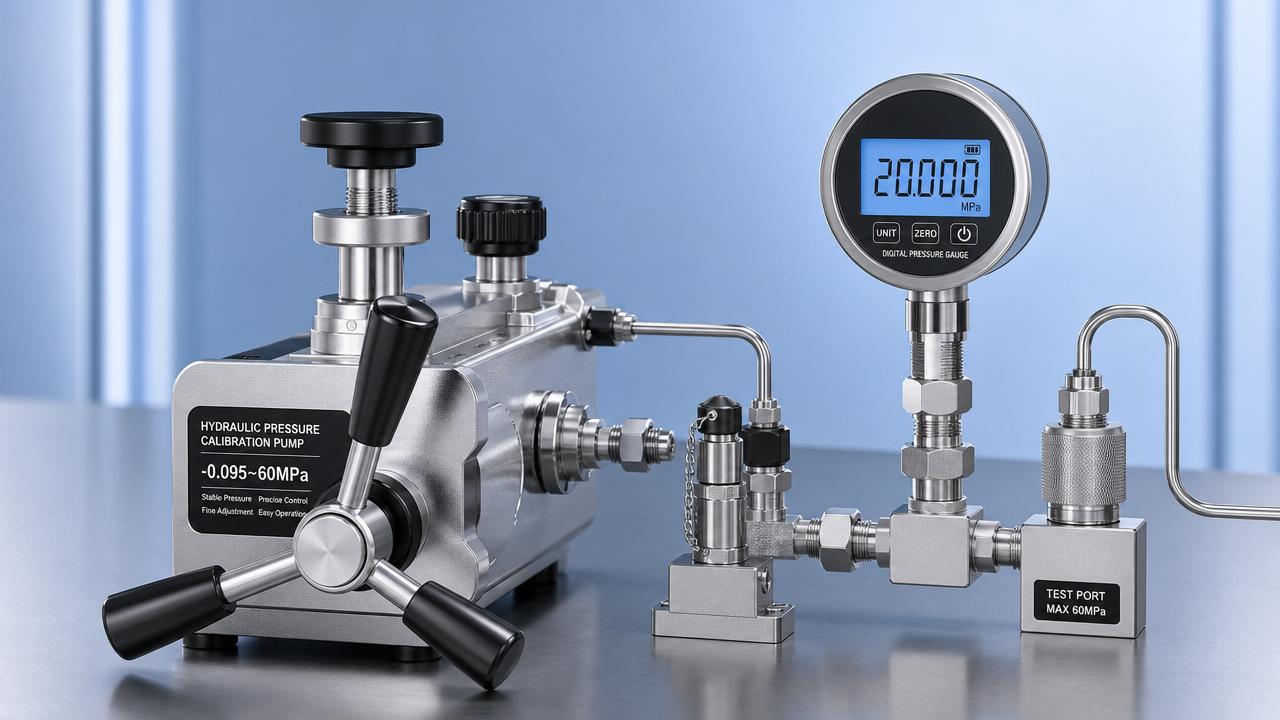
 How to Read Hydraulic Calibration Pump Specifications CorrectlyHydraulic calibration pump specifications explained clearly: learn how to assess pressure range, stability, fine control, and compatibility to choose the right pump with confidence.
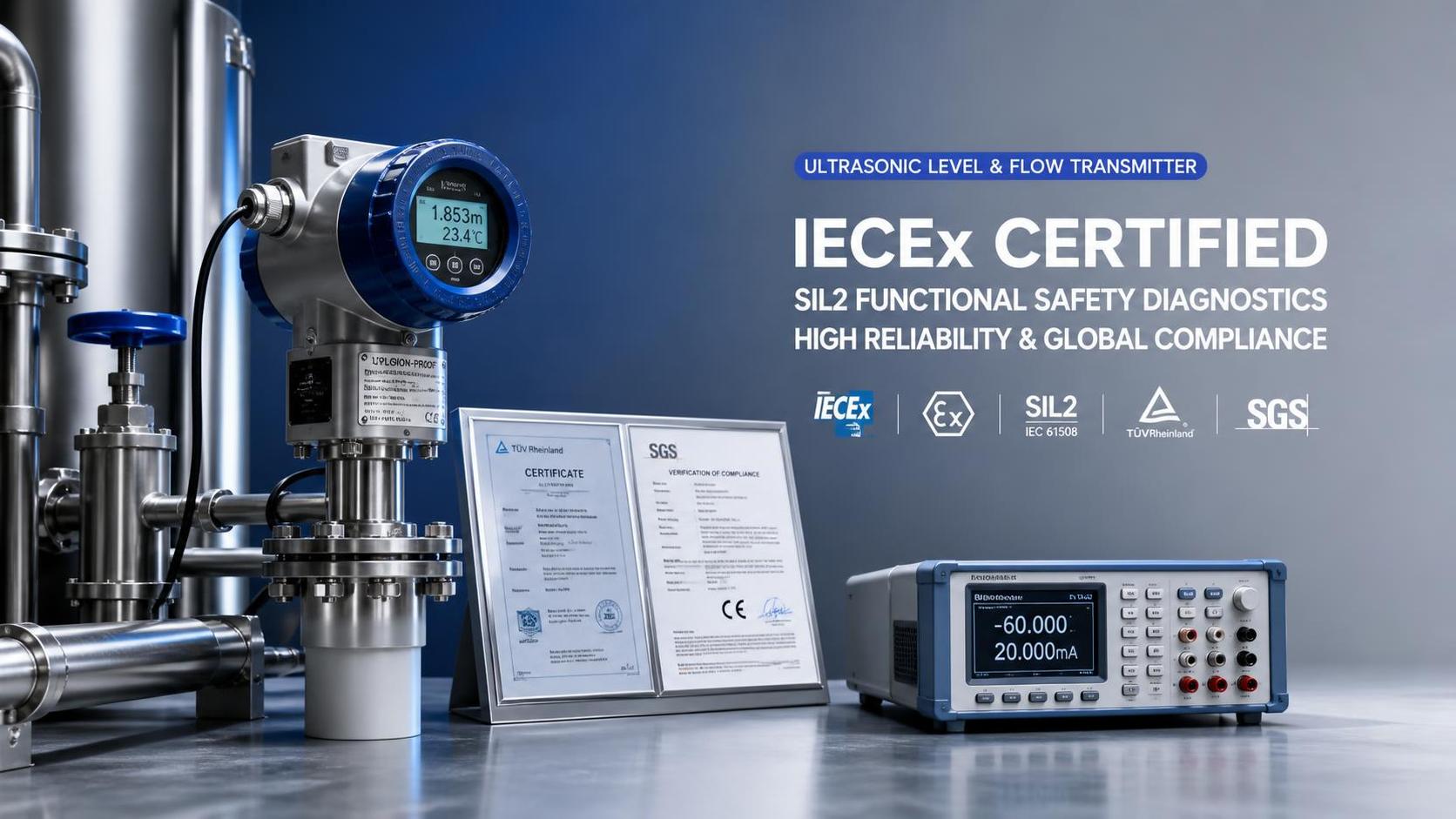
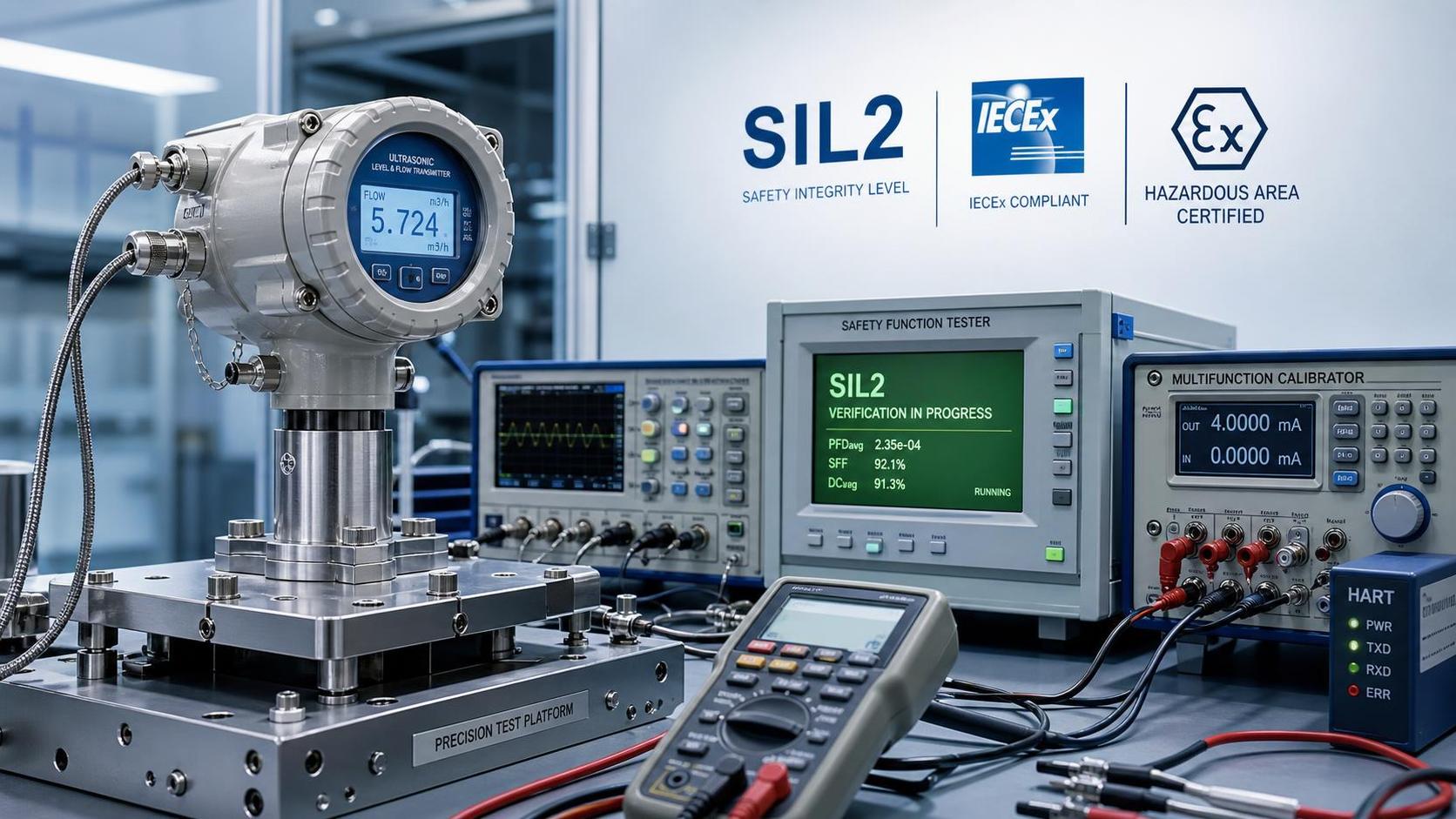
 New IECEx Rule Requires SIL2 Diagnostic Validation for Chinese Ultrasonic Transmitter ExportsIECEx rule update: SIL2 diagnostic validation is now required for Chinese ultrasonic transmitter exports. Learn how IEC 61508, 90% DC reports, and procurement risks affect bids and delivery.
 FDA Draft Guidance Raises Compliance Bar for Pharma Pressure and Flow InstrumentsFDA draft guidance tightens compliance for pharma pressure and flow instruments, raising USP<1058> qualification demands and market entry barriers for suppliers.
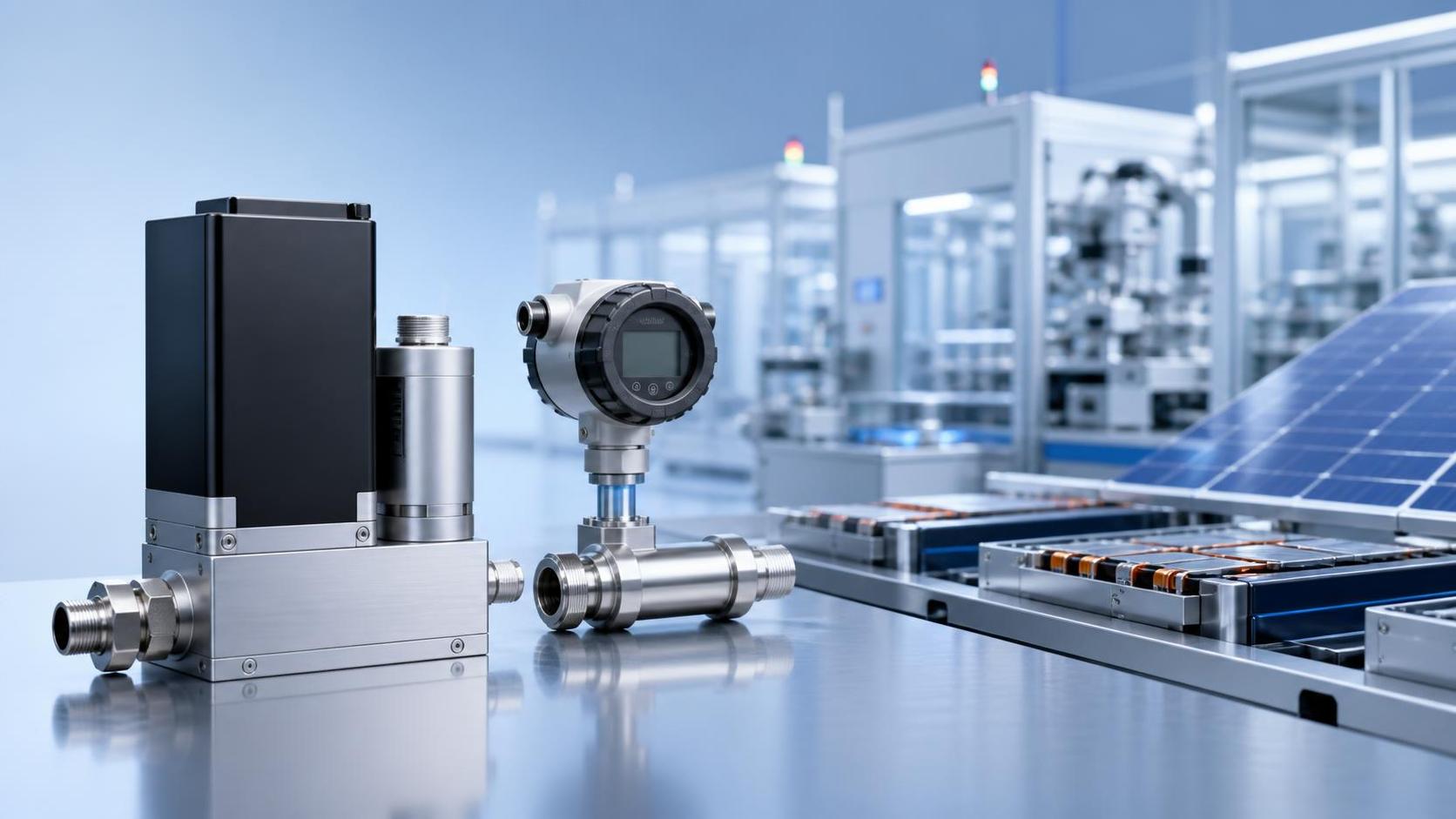
 China Tightens Export Controls on Instruments for New Energy Production LinesChina tightens export controls on instruments for new energy production lines, impacting high-purity gas flowmeters. Learn how 100% filing rules may affect compliance, delivery, and global sourcing.
 IECEx Rule Change Makes SIL2 Diagnostics Mandatory for Chinese Ultrasonic Transmitter ExportsIECEx now requires SIL2 diagnostics for Chinese ultrasonic transmitter exports, reshaping Ex d and Ex ia compliance. Learn what changes, who is affected, and how to stay ahead.
 China Tightens Export Controls on Flow Meters for New Energy Production LinesChina tightens export controls on flow meters and MFCs for new energy production lines. Learn how the 2026 filing rule may affect compliance, lead times, and global shipments.
Chat Online