


On May 20, 2026, the updated ASTM F2100-26 standard for medical face masks entered into force in the United States, introducing new real-time environmental particle concentration monitoring requirements for cleanrooms used in mask manufacturing — specifically for particles ≥0.3 μm with counting accuracy of ±5%. This regulatory shift is directly impacting manufacturers and suppliers of medical-grade airborne particle counters, particularly those based in China, and warrants close attention from exporters, cleanroom equipment distributors, and medical device contract manufacturers.
Event Overview
Effective May 20, 2026, the ASTM F2100-26 standard became enforceable. It newly mandates real-time monitoring of airborne particulate concentration (≥0.3 μm) in cleanrooms where medical masks are produced, requiring particle counting accuracy within ±5%. Publicly reported data indicates that Chinese manufacturers of medical particle counters experienced a 210% sequential increase in export orders following the standard’s implementation. Primary destinations include U.S.-based medical device contract manufacturers and nearshoring production facilities in Mexico. Current delivery lead times have extended to 8–10 weeks.
Industries Affected by This Change
Export-oriented instrumentation manufacturers: Chinese producers of medical-grade airborne particle counters are experiencing sharp demand growth due to compliance-driven procurement. The impact manifests as accelerated order volume, strained production capacity, and extended fulfillment timelines.
Medical device contract manufacturers (U.S. and nearshore): Facilities producing ASTM-compliant masks under U.S. FDA oversight must now validate and document cleanroom air quality per the updated standard. This triggers immediate procurement needs for calibrated, compliant particle counters — especially those meeting the ±5% accuracy threshold for ≥0.3 μm particles.
Cleanroom validation and QA service providers: Third-party auditors and certification bodies supporting medical device manufacturers face revised verification protocols. Their testing scope now explicitly includes real-time particle count traceability and instrument calibration documentation aligned with ASTM F2100-26 Annex requirements.
Supply chain logistics and customs intermediaries: Increased shipment volumes of precision measurement instruments — classified under HS code 9027.50 (particle counters) — are generating higher scrutiny at U.S. and Mexican customs checkpoints, particularly regarding technical specifications, calibration certificates, and conformity statements.
Key Considerations and Recommended Actions for Stakeholders
Monitor official interpretations and enforcement guidance
While ASTM F2100-26 is now effective, the U.S. FDA has not yet issued formal enforcement policy or inspection checklists referencing the new cleanroom monitoring clause. Stakeholders should track FDA communications and ASTM committee updates for clarification on acceptable methodologies, calibration frequency, and record retention expectations.
Verify instrument specifications against the ≥0.3 μm ±5% requirement
Not all commercially available particle counters meet the stated accuracy threshold for sub-micron particles. Buyers and exporters must confirm test reports and calibration certificates explicitly reference performance at ≥0.3 μm — not just broader ranges (e.g., 0.3–10 μm). Misalignment here may result in noncompliance during facility audits.
Distinguish between regulatory adoption and operational implementation
The standard’s entry into force does not equate to immediate, universal compliance across all U.S. mask producers. Some facilities may operate under existing FDA clearance pathways with grandfathered conditions. Analysis shows adoption pace will vary by manufacturer size, product portfolio, and audit schedule — meaning demand may remain uneven over the next 6–12 months.
Prepare for extended lead times and supply chain coordination
With current delivery windows stretched to 8–10 weeks, procurement teams at medical device contract manufacturers should initiate instrument acquisition planning ahead of scheduled cleanroom revalidations or new line setups. Exporters should also review component sourcing — especially for optical sensors and flow controllers — to assess potential bottlenecks affecting scalability.
Editorial Perspective / Industry Observation
Observably, this development functions less as an isolated regulatory update and more as a signal of tightening convergence between U.S. medical device manufacturing standards and environmental process control rigor. The inclusion of real-time particle monitoring reflects a broader trend toward data integrity and continuous verification in regulated production environments — similar to shifts seen in pharmaceutical aseptic processing (e.g., EU GMP Annex 1 revisions).
Analysis shows the export surge reflects early-stage market response rather than full-scale industry transformation. The 210% order increase is concentrated among vendors already certified to ISO 13485 and offering NIST-traceable calibration — suggesting barriers to entry remain high for smaller instrumentation suppliers.
From an industry perspective, this moment is best understood as a compliance inflection point: it confirms that environmental monitoring is no longer ancillary but integral to ASTM-compliant mask production — and that verification infrastructure must now match the precision of the end product.
This update underscores how downstream regulatory changes in mature markets can rapidly reshape upstream instrumentation demand — especially when tied to measurable, auditable technical thresholds. For stakeholders, the priority is not broad adaptation but targeted alignment: ensuring specific devices, documentation practices, and procurement timing correspond precisely to the newly codified requirement — not to generalized ‘cleanroom compliance’ concepts.
Information Source: Publicly reported effective date and specification details per ASTM International; export order and lead time data sourced from aggregated industry logistics reports and manufacturer press releases dated May 2026. Ongoing observation is recommended for FDA enforcement posture and potential harmonization with ISO 14644-1:2015 revisions.


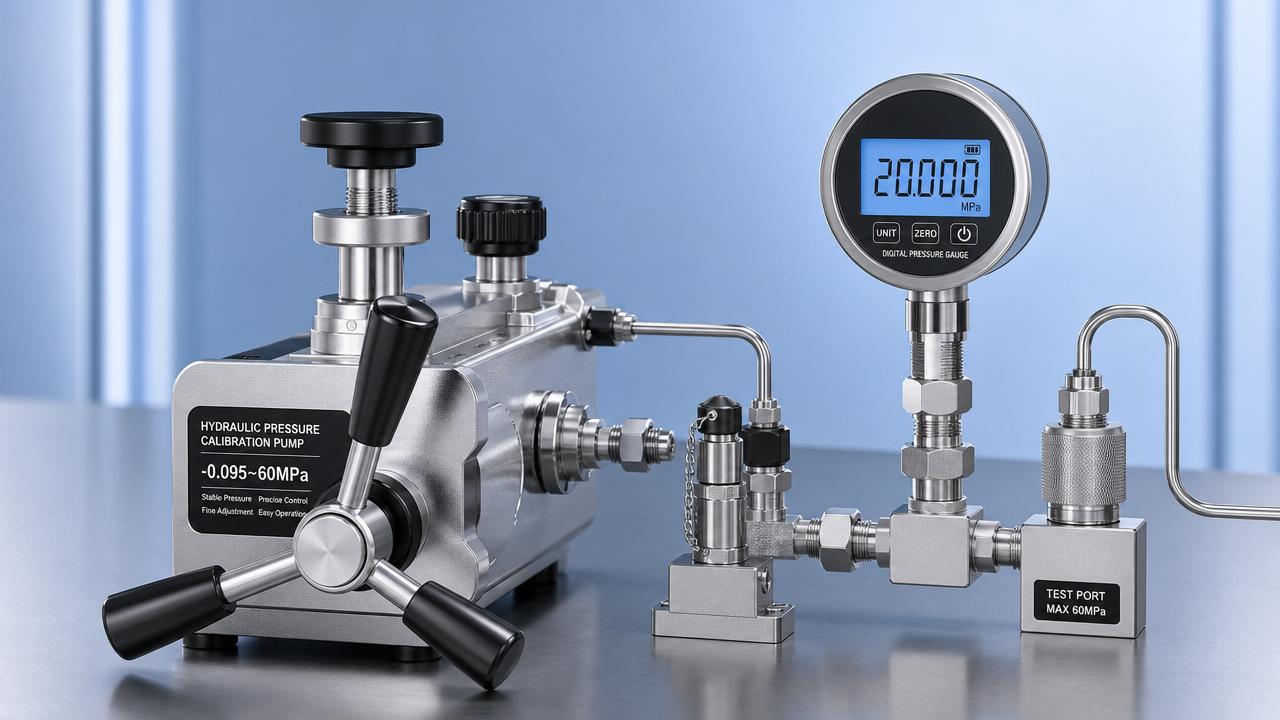
 How to Read Hydraulic Calibration Pump Specifications CorrectlyHydraulic calibration pump specifications explained clearly: learn how to assess pressure range, stability, fine control, and compatibility to choose the right pump with confidence.
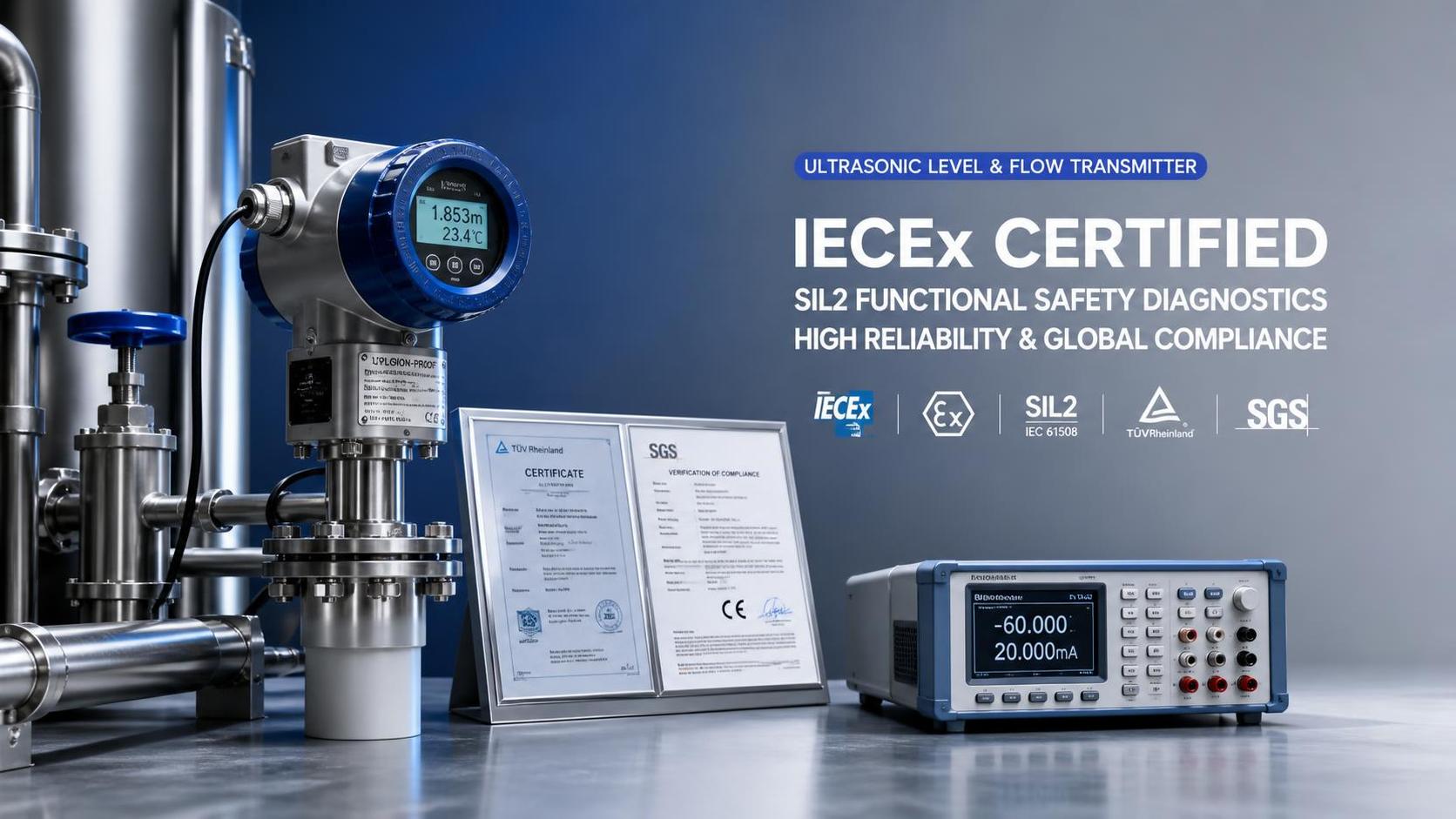
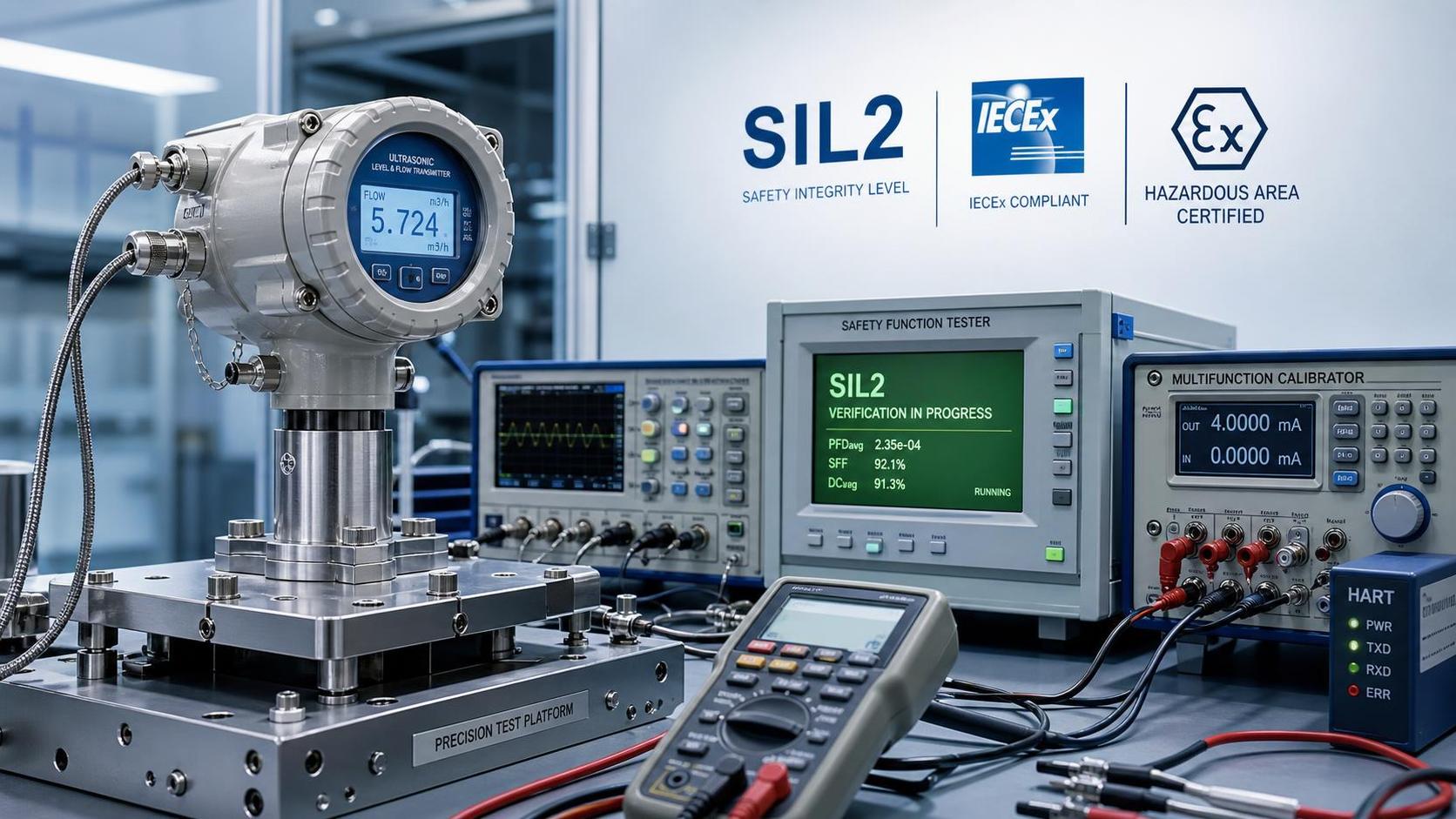
 New IECEx Rule Requires SIL2 Diagnostic Validation for Chinese Ultrasonic Transmitter ExportsIECEx rule update: SIL2 diagnostic validation is now required for Chinese ultrasonic transmitter exports. Learn how IEC 61508, 90% DC reports, and procurement risks affect bids and delivery.
 FDA Draft Guidance Raises Compliance Bar for Pharma Pressure and Flow InstrumentsFDA draft guidance tightens compliance for pharma pressure and flow instruments, raising USP<1058> qualification demands and market entry barriers for suppliers.
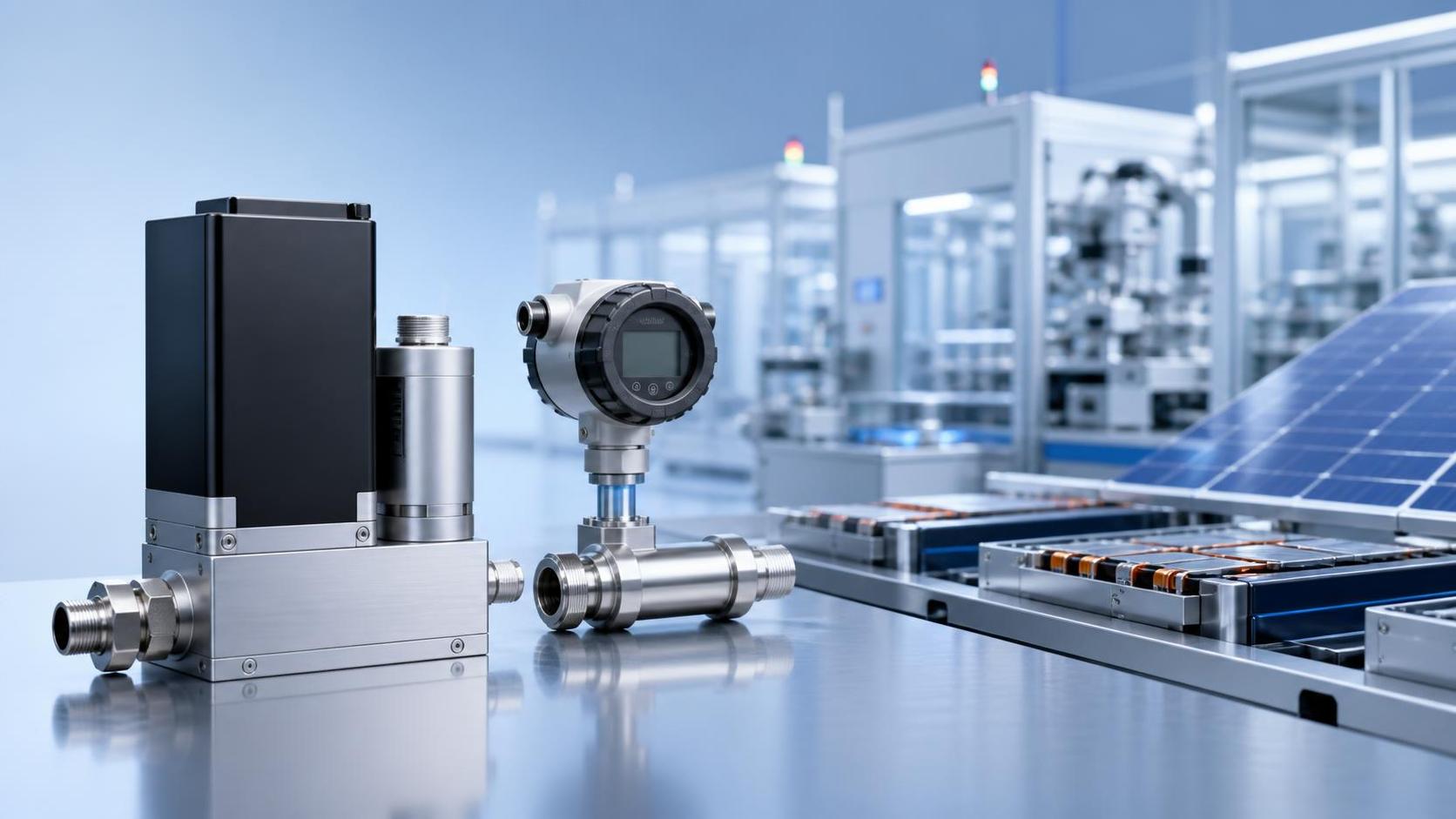
 China Tightens Export Controls on Instruments for New Energy Production LinesChina tightens export controls on instruments for new energy production lines, impacting high-purity gas flowmeters. Learn how 100% filing rules may affect compliance, delivery, and global sourcing.
 IECEx Rule Change Makes SIL2 Diagnostics Mandatory for Chinese Ultrasonic Transmitter ExportsIECEx now requires SIL2 diagnostics for Chinese ultrasonic transmitter exports, reshaping Ex d and Ex ia compliance. Learn what changes, who is affected, and how to stay ahead.
 China Tightens Export Controls on Flow Meters for New Energy Production LinesChina tightens export controls on flow meters and MFCs for new energy production lines. Learn how the 2026 filing rule may affect compliance, lead times, and global shipments.


Chat Online