


Digital pressure gauges measure the pressure within a system in a special manner. They convert the pressure to an electronic signal. The gauge shows the pressure using a digital display, furthermore the signal can be used to control equipment. Digital gauges in comparison with analog ones have a higher accuracy. Read our article on analog pressure gauges if you want to learn more about that type.
Working principle
Digital pressure gauges make use of pressure sensors in order to convert pressure to an electronic signal. Different types of pressure sensors exist, but the most commonly used is a piezoresistive pressure sensor. This sensor consists out of a diaphragm that is equipped with piezoresistive elements. The medium pressure causes the diaphragm to deflect, this deflection causes a change in cross-sectional area of the piezoresistive elements that is directly coupled to the electrical resistance. For a more in depth explanation please read our article on electronic pressure measurement principles.
Why choose a digital over an analogue pressure gauge?
Next to a higher level of measurement accuracy digital pressure gauges offer options that are not available for analogue ones. A few examples of possible options are:
- Backlighting: If pressure readouts are needed in dark conditions this options proves to be a great solution. Backlighting ensures that you are able to read the display in every lighting condition.
- Min/Max values: This option provides better analysis of the set pressure in a system.
- Bargraph display: The bargraph display shows the trend of the measured pressure. You can for example easily see if the pressure has an increasing, decreasing or steady trend.
- Battery powered: This ensures that the pressure can be read in case of power outage.
- Rotatability: Most digital pressure gauges allow for the display unit to be rotated to a large degree (e.g. 300°)
Read our selection tips for pressure gauges to learn more about this subject. For more information on various pressure gauges read our articles on bellows pressure gauges, diaphragm pressure gauges, or bourdon tube pressure gauges.
Digital pressure gauge accuracy
The accuracy of digital pressure gauges is expressed as a percentage of the measurement span. The accuracy of these gauges is combined from it’s non-linearity, hysteresis, End value deviation, zero offset and span error. For a detailed explanation please read our article on understanding pressure measurement accuracy.


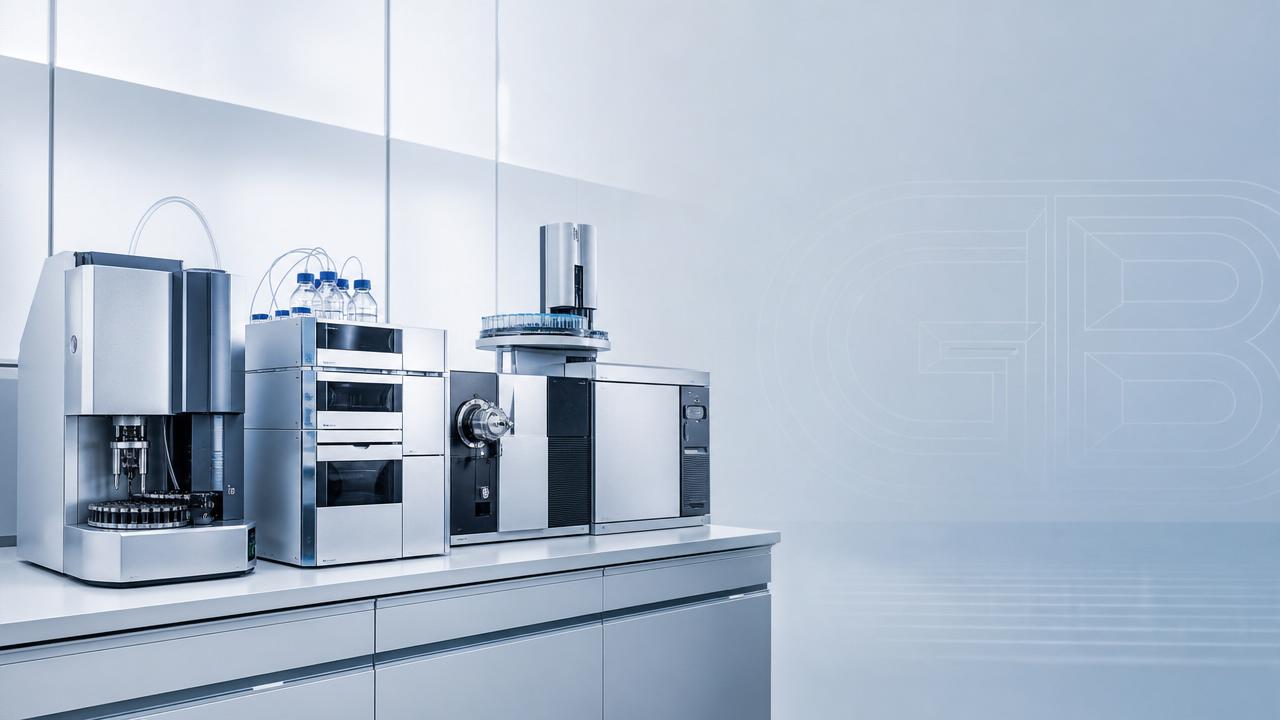
 1259 New National Standards Take Effect in May 20261259 new national standards effective May 2026 mandate GFAAS, LC-MS/MS & GC-MS for compliance—key for exporters, labs & instrument suppliers.
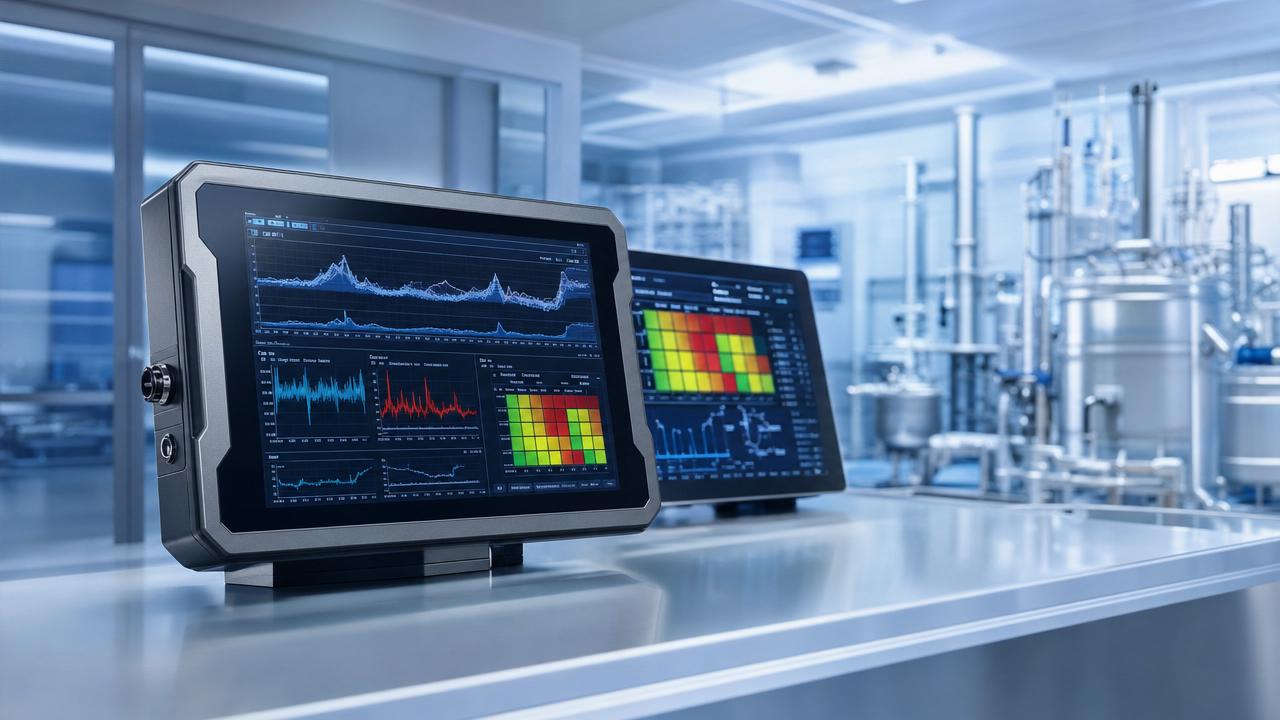
 GWM Patents AI-Driven Multi-Screen Quality Switching for Vehicle HMIsGWM's AI-driven multi-screen quality switching patent unlocks adaptive display tech for industrial HMIs, DCS stations & explosion-proof touchscreens — watch for certified deployments.
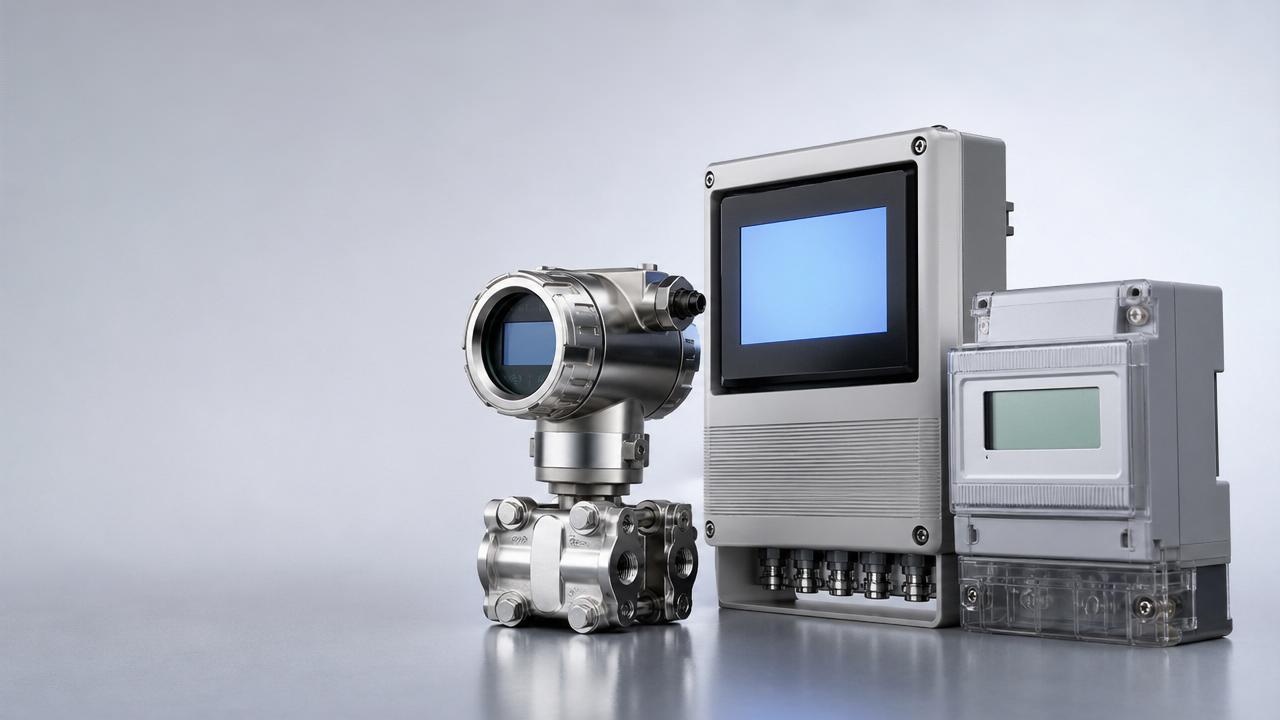
 US-China Tariffs Unified at 10% for InstrumentsUS-China tariffs on instruments unified at 10%—boosting cost efficiency for industrial process instruments, environmental monitoring equipment & energy meters. Act now.
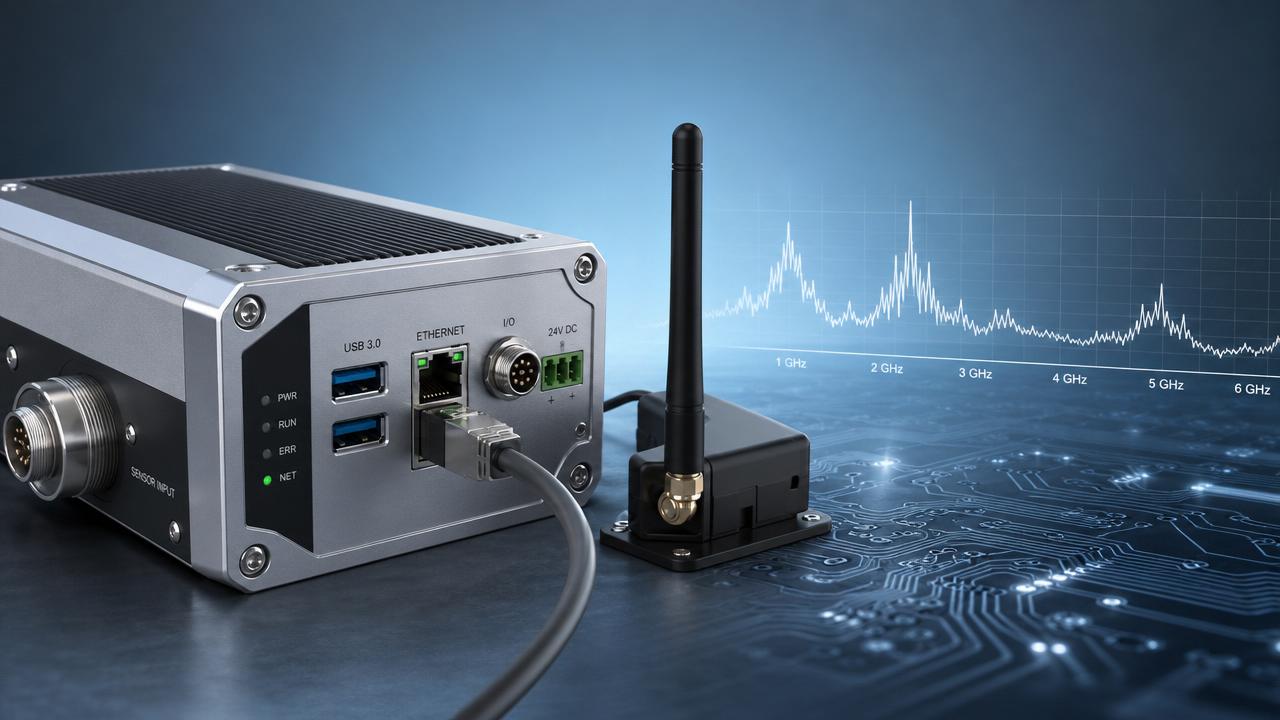
 EN 61000-6-4:2026 Enters Force for Industrial EMC ComplianceEN 61000-6-4:2026 is now mandatory for industrial EMC compliance — stricter 1–6 GHz emissions & dynamic AI-device testing. Act now to avoid EU market delays.
 New China Export Rules for Instruments Effective May 2026New China export rules for instruments require CNAS-issued CE/UKCA reports by May 2026 — ensure compliance now to avoid EU/UK shipment delays.
 EU CE-EPD Digital Compliance Label Mandatory from May 2026EU CE-EPD digital compliance label becomes mandatory for instrumentation exports from May 2026 — discover how Chinese OEMs, suppliers & EMS providers can prepare now.
Chat Online