


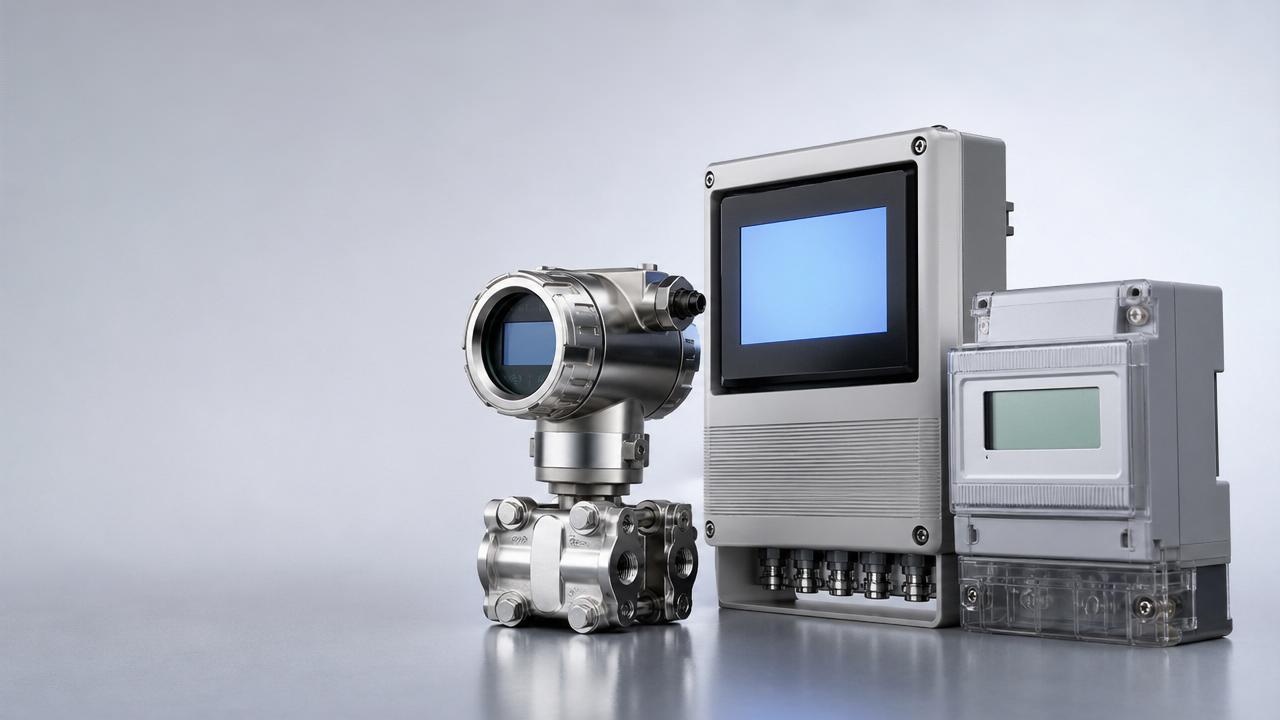
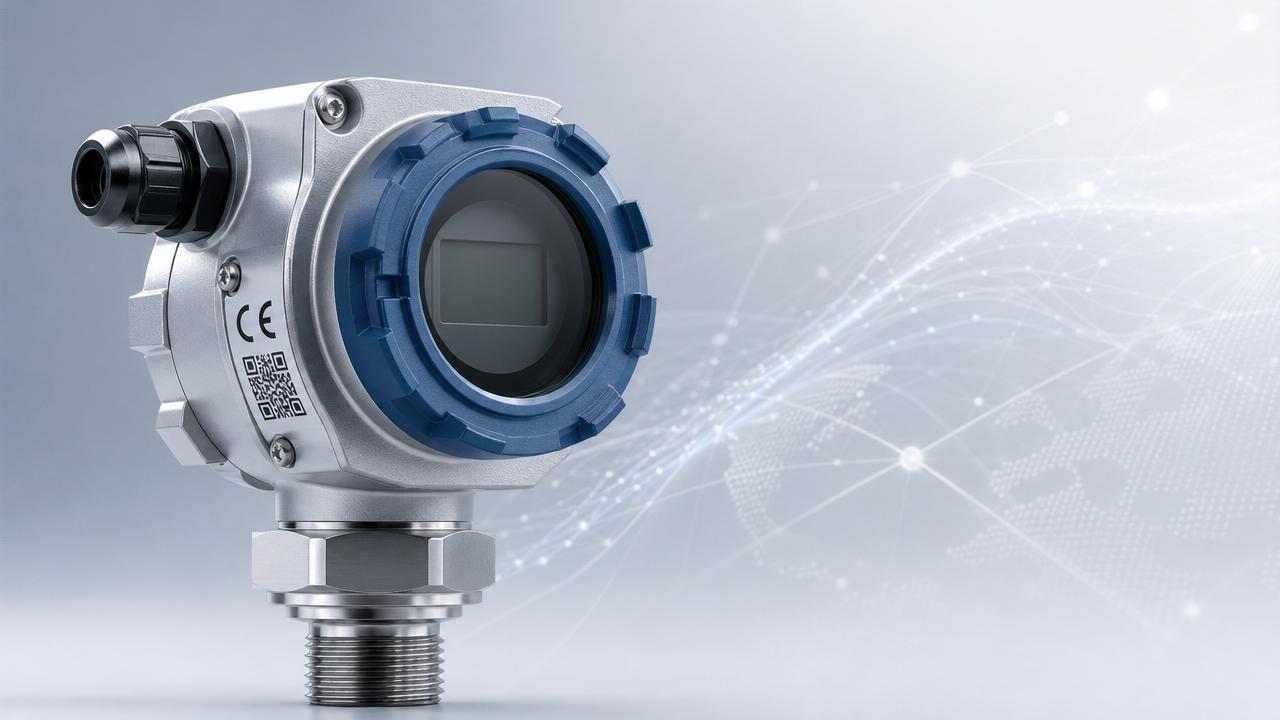
The 4G wireless liquid level transmitter adopts the fourth generation of wireless communication technology. Compared with ordinary liquid level meters, it eliminates the trouble of wiring and the need to monitor the site all the time. While greatly improving work efficiency and reducing labor costs, it can also obtain monitoring data anytime and anywhere.
Functional advantages of 4G wireless liquid level transmitter:
The use of submersible liquid level sensor can convert liquid level changes into 4G signals and upload them to the monitoring platform. The platform has an intelligent design and analyzes data through intelligent algorithms. It can automatically judge abnormal situations and issue alarm prompts, which improves the reliability and practicality of use.
Built-in battery power supply, battery life can reach 5 years, and the battery can be replaced.
The LCD display can directly display the current liquid level data, liquid level, signal quality, etc. The staff can directly read the monitoring data on site and can configure it through local buttons.
The storage function can ensure that the device automatically stores data when it is offline to prevent data loss.
High-quality TPU air-conducting cable, can be immersed in water all year round, die-cast alloy aluminum shell, epoxy spray on the surface, used for isolation and anti-corrosion, sealed design, IP68 protection level.
wireless liquid level transmitter has automatic temperature compensation function, which can automatically correct the drift of equipment data with temperature changes, eliminate the influence of temperature on the output signal, and ensure the accuracy of measurement results.
It is small in size and easy to install, and can meet the use needs of various occasions, such as fire trucks, water plants, sewage treatment plants, urban water supply, high-rise pools, wells, water towers, geothermal wells, mines, industrial pools, hydrogeology, reservoirs, rivers, oceans, water circulation, water treatment and other fields.


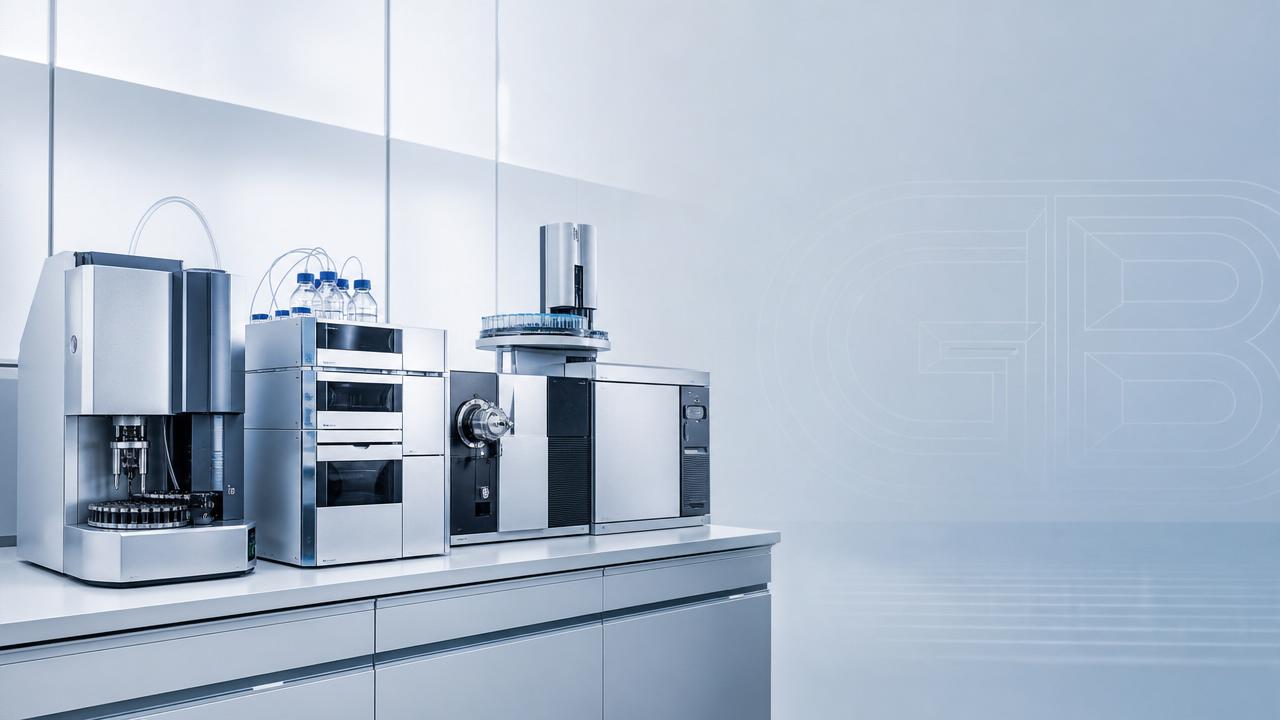
 1259 New National Standards Take Effect in May 20261259 new national standards effective May 2026 mandate GFAAS, LC-MS/MS & GC-MS for compliance—key for exporters, labs & instrument suppliers.
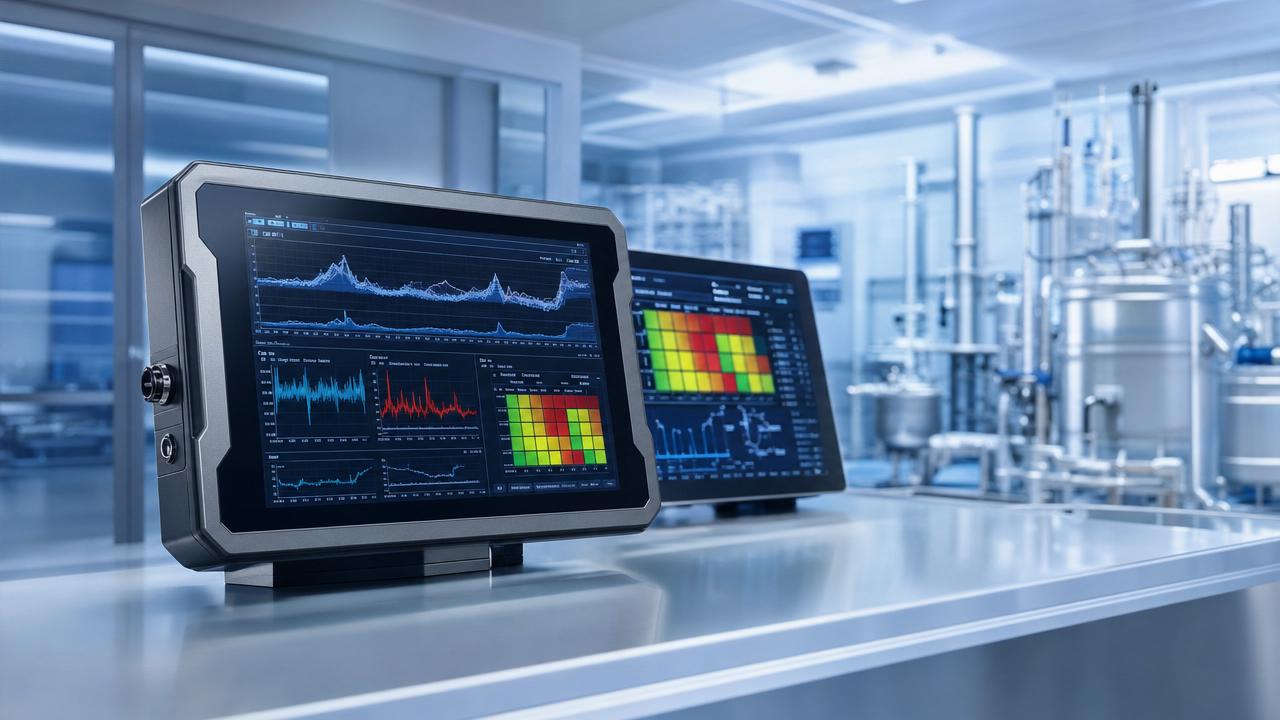
 GWM Patents AI-Driven Multi-Screen Quality Switching for Vehicle HMIsGWM's AI-driven multi-screen quality switching patent unlocks adaptive display tech for industrial HMIs, DCS stations & explosion-proof touchscreens — watch for certified deployments.
 US-China Tariffs Unified at 10% for InstrumentsUS-China tariffs on instruments unified at 10%—boosting cost efficiency for industrial process instruments, environmental monitoring equipment & energy meters. Act now.
 EN 61000-6-4:2026 Enters Force for Industrial EMC ComplianceEN 61000-6-4:2026 is now mandatory for industrial EMC compliance — stricter 1–6 GHz emissions & dynamic AI-device testing. Act now to avoid EU market delays.
 New China Export Rules for Instruments Effective May 2026New China export rules for instruments require CNAS-issued CE/UKCA reports by May 2026 — ensure compliance now to avoid EU/UK shipment delays.
 EU CE-EPD Digital Compliance Label Mandatory from May 2026EU CE-EPD digital compliance label becomes mandatory for instrumentation exports from May 2026 — discover how Chinese OEMs, suppliers & EMS providers can prepare now.
Chat Online