


On April 2, 2026, a joint statement from US-China economic and trade consultations announced the mutual reduction of applied tariffs on scientific instruments to 10%. This adjustment directly affects exporters and importers of analytical instruments, environmental monitoring equipment, and general-purpose laboratory instruments—making it especially relevant for manufacturers, OEM/ODM service providers, and distributors engaged in North American and Southeast Asian transshipment markets.
Event Overview
On April 2, 2026, the United States and China issued a joint statement confirming that tariffs previously imposed on each other’s goods—including scientific instruments such as analytical instruments, environmental monitoring devices, and general-purpose laboratory instruments—have been uniformly adjusted to 10%. The change applies to imports and exports covered under the agreed tariff categories. No further implementation details, effective dates beyond April 2, or product-specific exclusions were disclosed in the initial statement.
Industries Affected by This Adjustment
Direct Exporters and Importers
These entities face immediate changes in landed cost calculations and customs clearance timelines. With the tariff rate lowered from previous levels (unspecified in the source) to 10%, importers in the US and third-country markets will experience reduced duty liabilities, improving margin visibility for orders placed after April 2, 2026.
OEM/ODM Manufacturers Serving North America and Southeast Asia
For contract manufacturers producing scientific instruments under foreign brand names or specifications, the tariff reduction supports delivery stability—particularly where final assembly or labeling occurs in China before export to the US or onward shipment via Southeast Asian hubs. Lower duties reduce pressure on unit-level pricing negotiations and help maintain agreed-upon lead times.
Distribution and Channel Partners
Wholesalers and regional distributors handling scientific instrumentation in North America or ASEAN may revise inventory planning and reorder thresholds, as lower import costs could enable more competitive end-user pricing or improved working capital turnover—assuming no offsetting adjustments in logistics or compliance overhead.
What Relevant Enterprises or Practitioners Should Monitor and Do Now
Track official tariff classification updates and Harmonized System (HS) code confirmations
The joint statement confirms a 10% rate but does not specify which HS codes are included or whether prior exclusions remain valid. Companies should verify current HTSUS and China’s Customs Tariff Schedule entries for their specific products—especially for dual-use or calibration-sensitive instruments where classification ambiguity may persist.
Assess impact on key markets: prioritize US-bound shipments and Southeast Asian transshipment flows
Since the benefit is most direct for US importers and intermediaries routing through Vietnam, Malaysia, or Thailand, businesses should review recent order books and shipping manifests to identify high-volume SKUs affected—and determine whether revised cost structures justify repricing, promotional activity, or accelerated fulfillment cycles.
Distinguish between policy signal and operational reality
While the 10% rate is confirmed as of April 2, 2026, actual customs application depends on documentation accuracy, origin verification, and potential anti-circumvention scrutiny. Firms should ensure updated certificates of origin and commercial invoices reflect compliant country-of-origin declarations—particularly where components are sourced globally.
Update internal costing models and supplier communication protocols
Exporters should recalculate landed cost estimates using the new 10% duty assumption and share revised FOB or EXW terms with overseas partners where appropriate. Concurrently, procurement teams should confirm whether upstream component suppliers have adjusted their own pricing in anticipation of broader trade normalization.
Editorial Perspective / Industry Observation
Observably, this adjustment functions primarily as a calibrated de-escalation signal—not an immediate structural shift. It does not reinstate Most-Favored-Nation (MFN) treatment nor eliminate Section 301 or equivalent measures entirely. From an industry perspective, the move is better understood as a targeted recalibration aimed at stabilizing near-term supply chains for precision equipment, rather than signaling broad-based tariff rollback across all sectors. Continued monitoring is warranted, particularly for follow-up announcements on quota mechanisms, enforcement consistency, or possible linkage to broader technology governance discussions.
Concluding, this tariff alignment offers measurable, though bounded, relief for scientific instrument exporters and their global channel partners. It does not resolve underlying regulatory or standards-related friction, nor does it alter non-tariff barriers such as licensing requirements or data localization expectations. For now, it is more appropriately interpreted as a tactical adjustment supporting short-to-medium term commercial continuity—not a strategic reset.
Source: Joint Statement of the U.S.-China Economic and Trade Consultations, issued April 2, 2026. Note: Implementation scope, HS code coverage, and administrative guidance remain subject to official updates from U.S. Customs and Border Protection (CBP) and China’s General Administration of Customs (GACC).


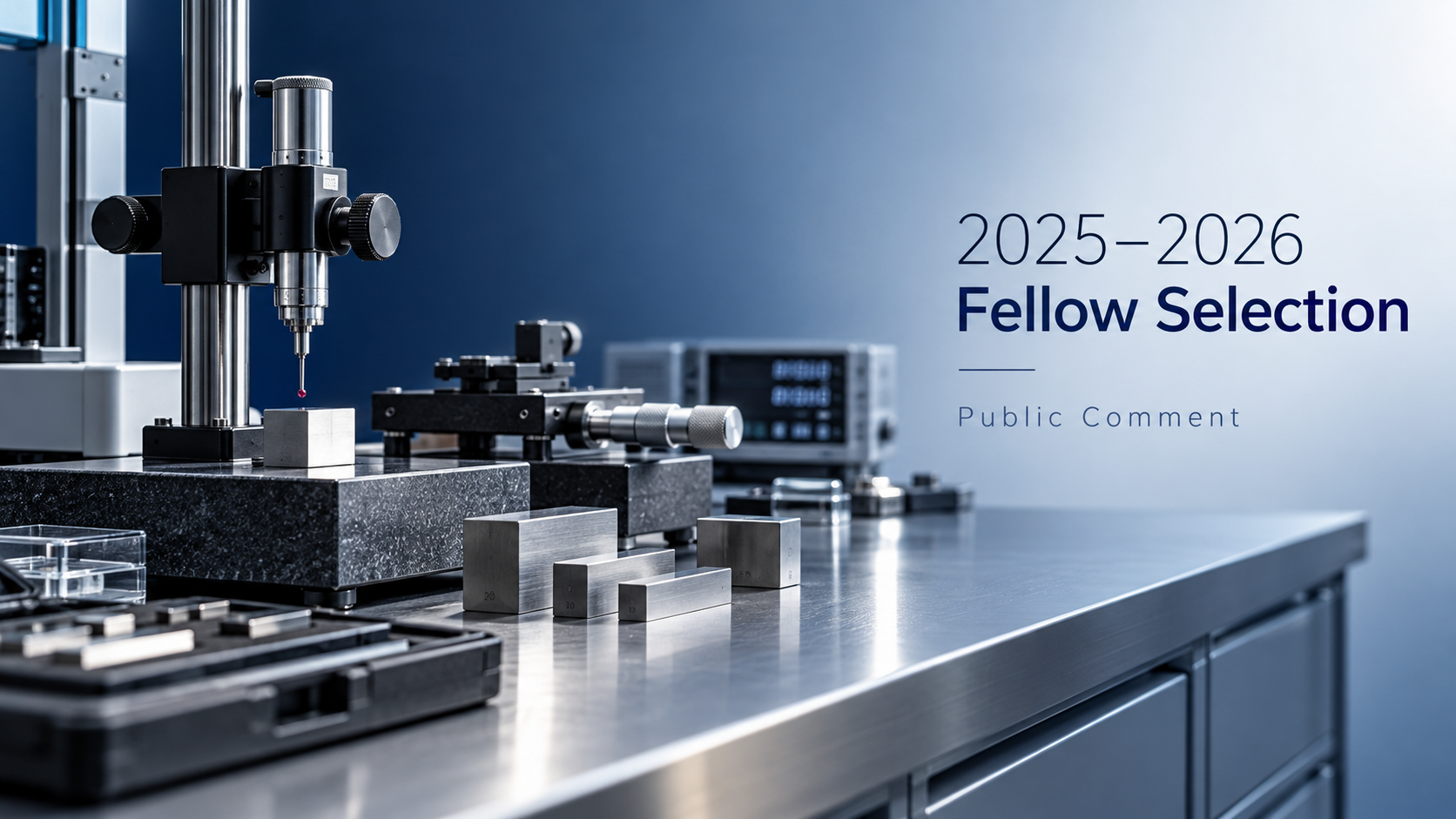
 China Instrument and Control Society Publishes 2025–2026 Fellow Selection ResultsChina Instrument and Control Society’s 2025–2026 Fellow selection results were released for public review. Discover the named experts, key dates and what comes next.
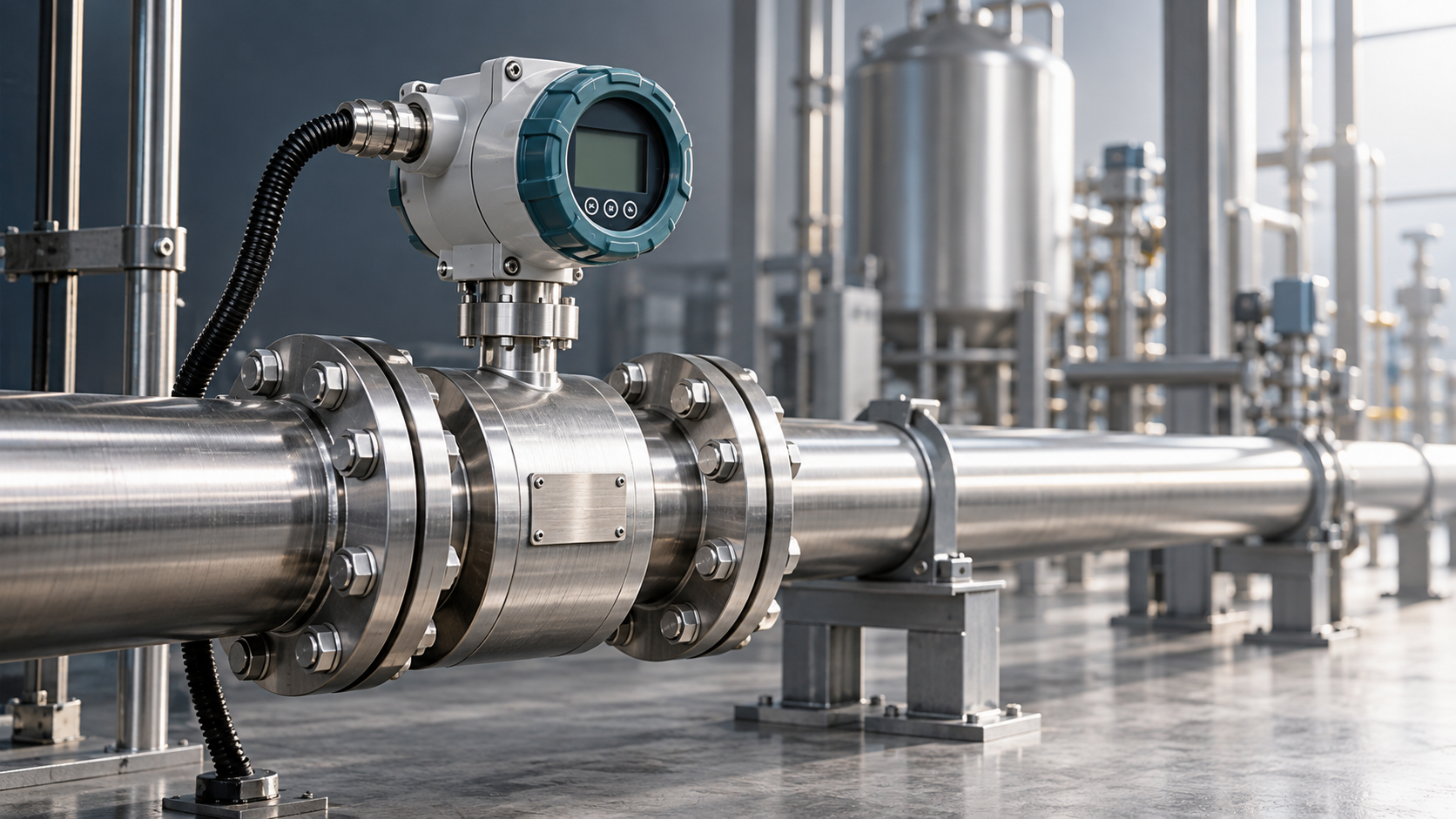
 KROHNE Supports NAMUR China 2026 on Milestones Toward Autonomous FactoriesKROHNE supports NAMUR China 2026 as experts explore autonomous factories. Discover insights on process instrumentation, AI safety and compliance to guide smarter automation decisions.
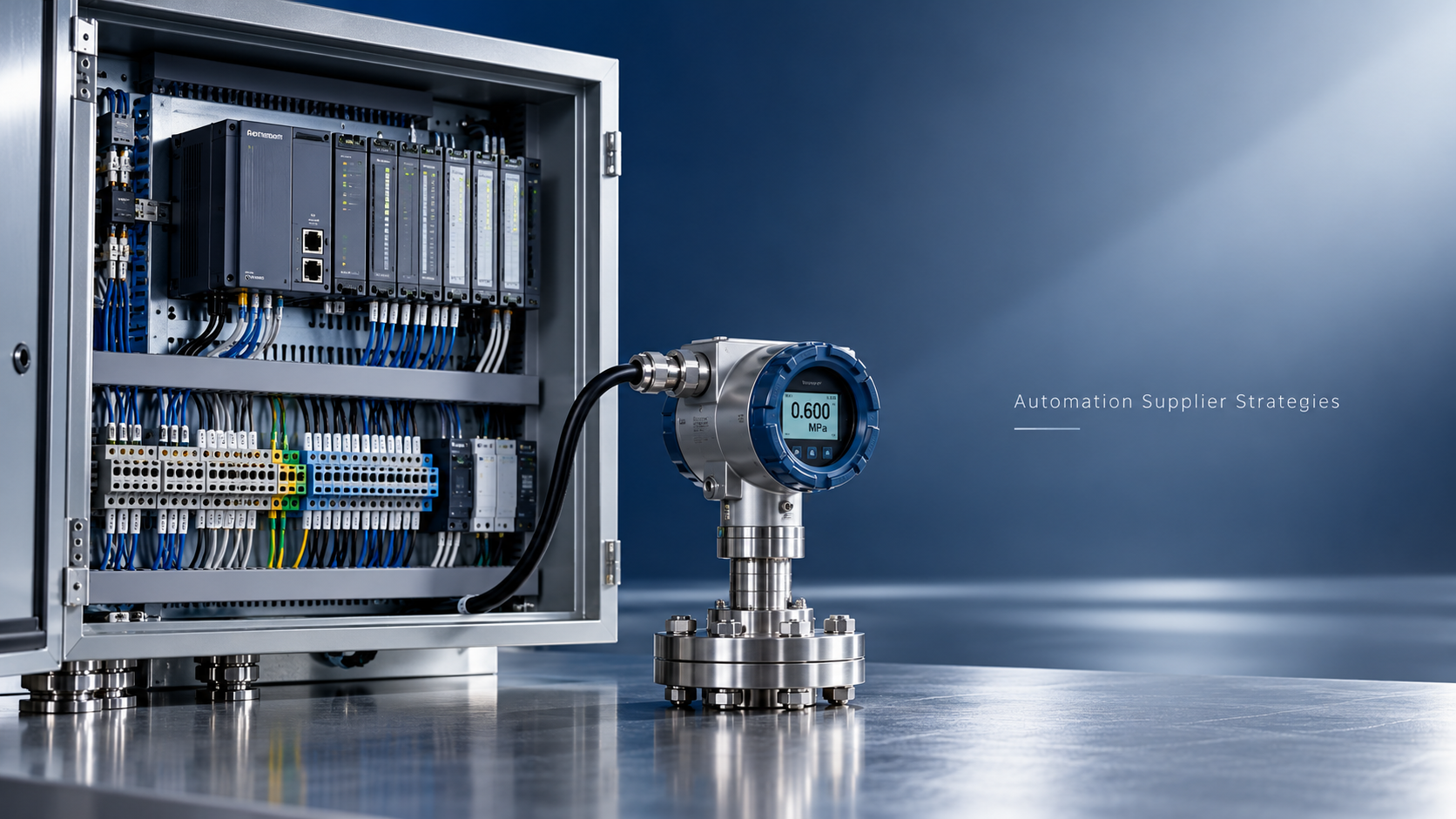
 ARC Report Examines Trends Reshaping the 2026 Global Top 50 Automation SuppliersARC's 2026 Global Top 50 Automation Suppliers report explores tariffs, supply risks, AI and digital twins. Discover key trends to guide smarter sourcing and procurement decisions.
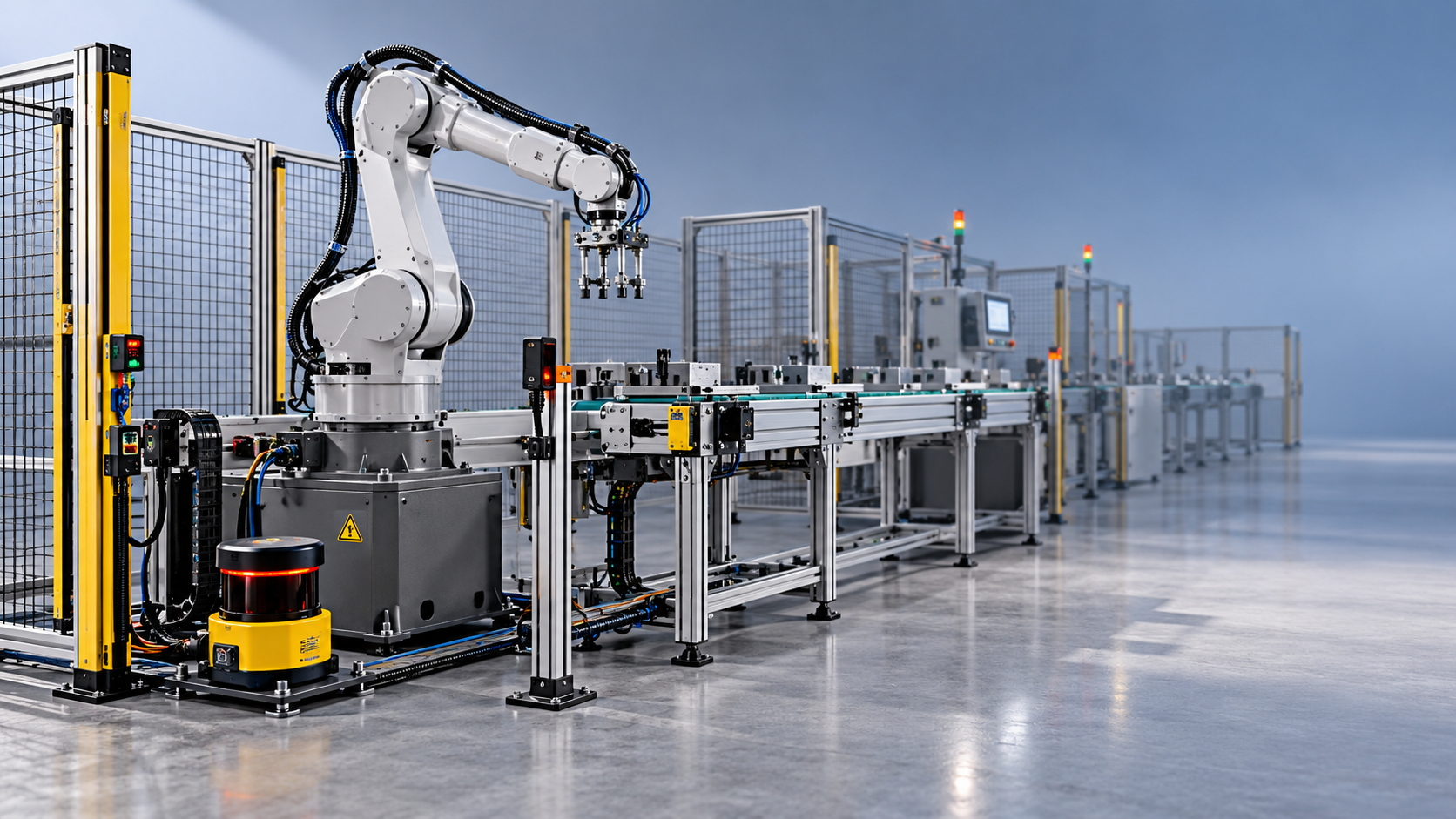
 TÜV SÜD and Accenture Showcase Physical AI Safety Certification ConceptExplore TÜV SÜD and Accenture’s Physical AI Safety Suite concept: how NVIDIA simulation could support safety certification and faster commissioning in factories and warehouses.
 Seventh MEMS Manufacturing Conference Opens in Suzhou, Highlighting Smart Sensing and Optical InterconnectsExplore Suzhou’s seventh MEMS Manufacturing Conference for insights on smart sensing, optical interconnects and standardization trends shaping supplier readiness and procurement decisions.
 China’s Instrumentation Industry Maintains High Growth in Q3 2026China’s instrumentation industry maintained high growth in Q3 2026. Explore manufacturing trends, potential supply chain impacts, and key signals for equipment makers and suppliers.

Chat Online