


The primary diferences in turbine meter technology are in the design of the rotor and bearings. The rotor is an assembly of upto 12 blades locked into a hub that rotates on a bearing(s). For light liquid applications that require viscosities of 5 cst or lessand specific gravities of less than 0.70, the rotor does not normally need a rim or shroud. For measuring more viscous liguidsand in larger size turbine meters (i.e. 200DN and above), a rim is fitted to ensure sufficient rigidity in the rotor. A rim also offersthe advantage of higher pulse resolution. With a bladed rotor, the number of pulses per revolution is limited to the number ofblades; in a rimmed rotor, the number of pulses per revolution corresponds to the number of buttons or slots in the rim.
For intermitent duties on light, clean hydrocarbons that may be found at tank truck terminals, ball bearings may be used for arotor bearing. Proper desian of rotors with ballbearinas will use two ball races and a short axle upon which the rotor is fitedWhere space is constrained, ball races may be fited directly into the rotor hub. This desian is particularly suited to low andvarying flow rate applications, and is utilized on the Series 1200 Liquid Turbine Flow Meter, designed primarily for distributionapplications such as load racks. In these installations, liquids are typically light, refined products.
Pipeline applications often require continuous operation at fixed flow rates, requiring the turbine meter to offer suficient longevlty to minimize malintenance intervals. in these applications, tungsten carbide journal bearings are used. As tungsten carbide isextremely hard wearing, these bearings are often applied in more demanding measurement applications such as crude oll.
An important point is limitations on viscosity are related to the rangeability of the turbine flow meter. As the viscosity of themeasured liguid increases, the K-factor variations at different flow rates increase. To maintain the linearity of the meter at therequired level as the viscosity of the measured liquid increases, the turndown or rangeability of the meter must be reduced.For typical pipeline applications where the flow meter will operate at just one flow rate (or a very limited range of flow rates), aturbine meter may be used to measure flows of high viscosity liquids. The Series 1500 Liquid Turbine flow Meter is designedfor pipeline applications and is equipped with robust internals suited to continuous measurement of a wide range of liquids.
There may be a single hanger or hangers upstream and downstream of the rotor. In the Series 1200 Meter, there is a singleupstream support for the rotor. in the Series 1500 Meter, there are both upstream and downstream hangers. Bearings may beeither ball or tungsten carbide journal bearings. Ball bearings are used to provide improved performance at low flow rates andon clean product. These bearings are a reliable, cost-effective solution. The Series 1200 Meter deploys a cantilevered twin ballbearing design. The meter is designed with a rotating shaft on two ball bearing units and is avalable in DN25 to DN100 (1-inchto 4-inch) line sizes. For more demanding applications, a tungsten carbide journal bearing assembly is available as an optionfor DN80 and DN100 (3-inch and 4-inch) line sizes only.
Lightweight bladed rotors of this type mounted on ball bearings are particularly well suited to the intermittent duty cyclestypical in loading rack applications. The design application is limited to clean refined products. in the event the turbine is usedon slightly dirty products, use of tunasten carbide iournal bearings is recommended. Tunasten carbide bearinas are extremelyhard wearing and used in turbine meters on a range of applications from LPGs to crude oils.


 1259 New National Standards Take Effect in May 20261259 new national standards effective May 2026 mandate GFAAS, LC-MS/MS & GC-MS for compliance—key for exporters, labs & instrument suppliers.
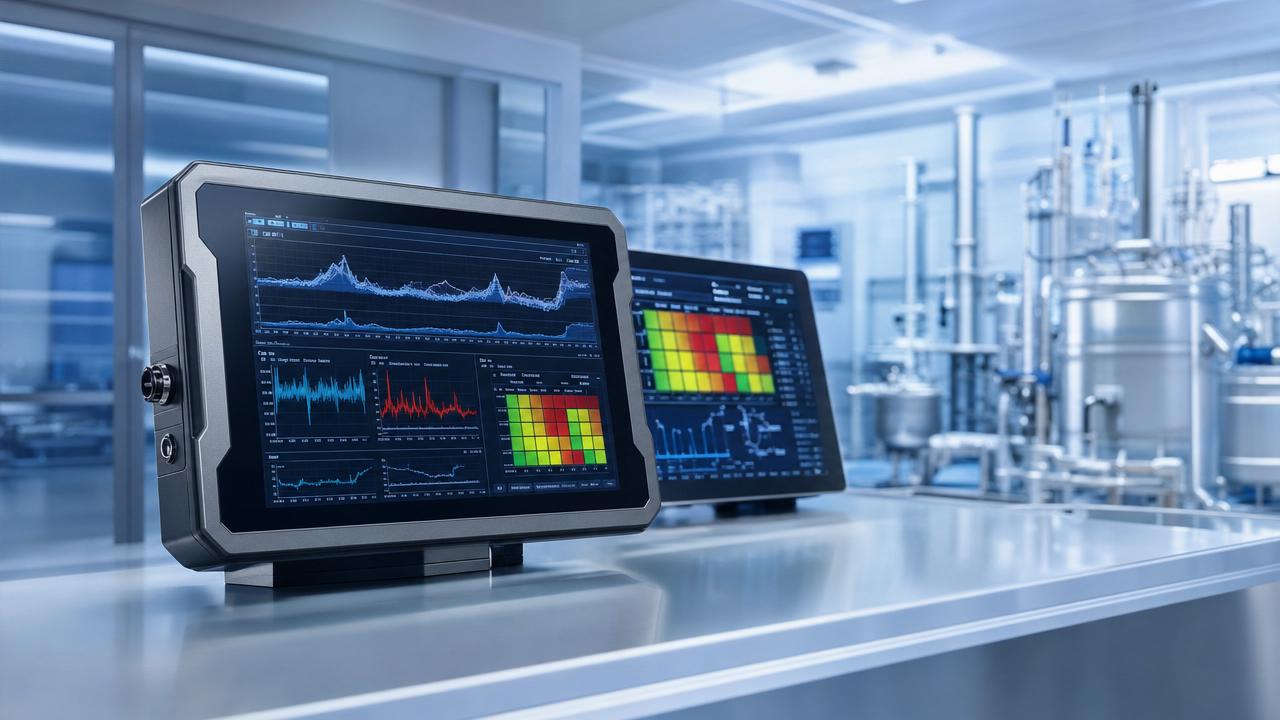
 GWM Patents AI-Driven Multi-Screen Quality Switching for Vehicle HMIsGWM's AI-driven multi-screen quality switching patent unlocks adaptive display tech for industrial HMIs, DCS stations & explosion-proof touchscreens — watch for certified deployments.
 US-China Tariffs Unified at 10% for InstrumentsUS-China tariffs on instruments unified at 10%—boosting cost efficiency for industrial process instruments, environmental monitoring equipment & energy meters. Act now.
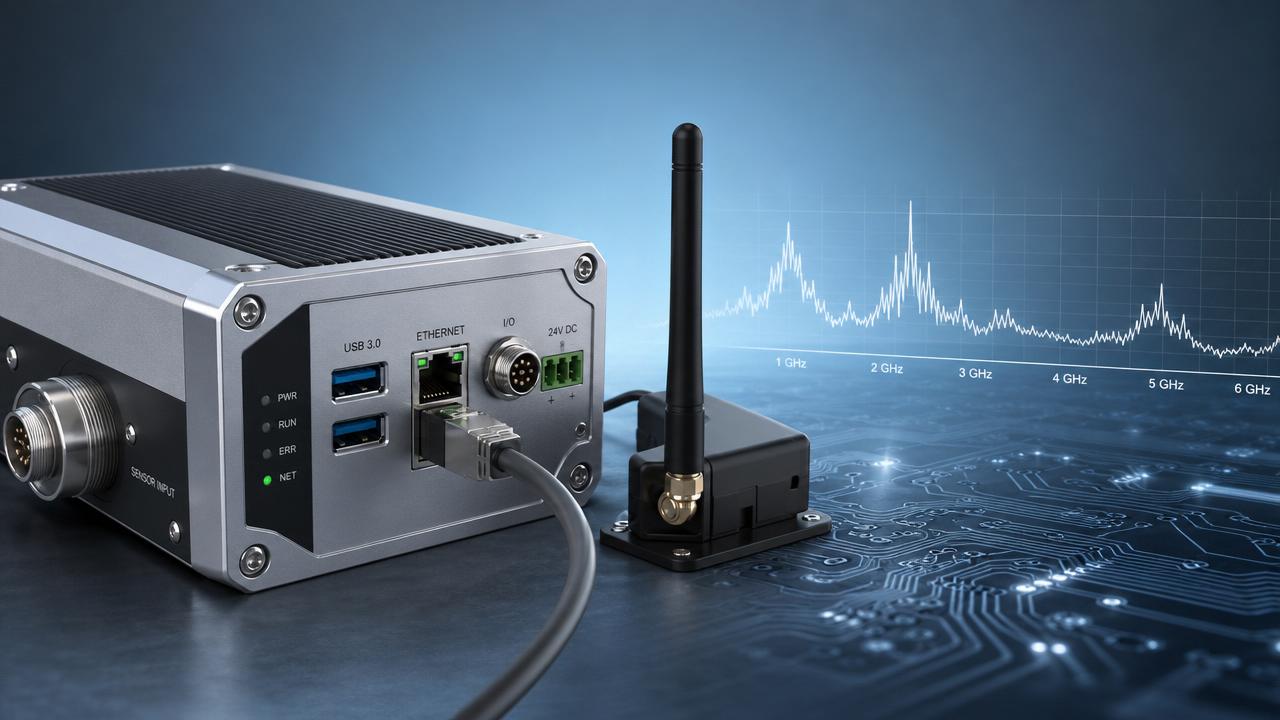
 EN 61000-6-4:2026 Enters Force for Industrial EMC ComplianceEN 61000-6-4:2026 is now mandatory for industrial EMC compliance — stricter 1–6 GHz emissions & dynamic AI-device testing. Act now to avoid EU market delays.
 New China Export Rules for Instruments Effective May 2026New China export rules for instruments require CNAS-issued CE/UKCA reports by May 2026 — ensure compliance now to avoid EU/UK shipment delays.
 EU CE-EPD Digital Compliance Label Mandatory from May 2026EU CE-EPD digital compliance label becomes mandatory for instrumentation exports from May 2026 — discover how Chinese OEMs, suppliers & EMS providers can prepare now.

Chat Online