


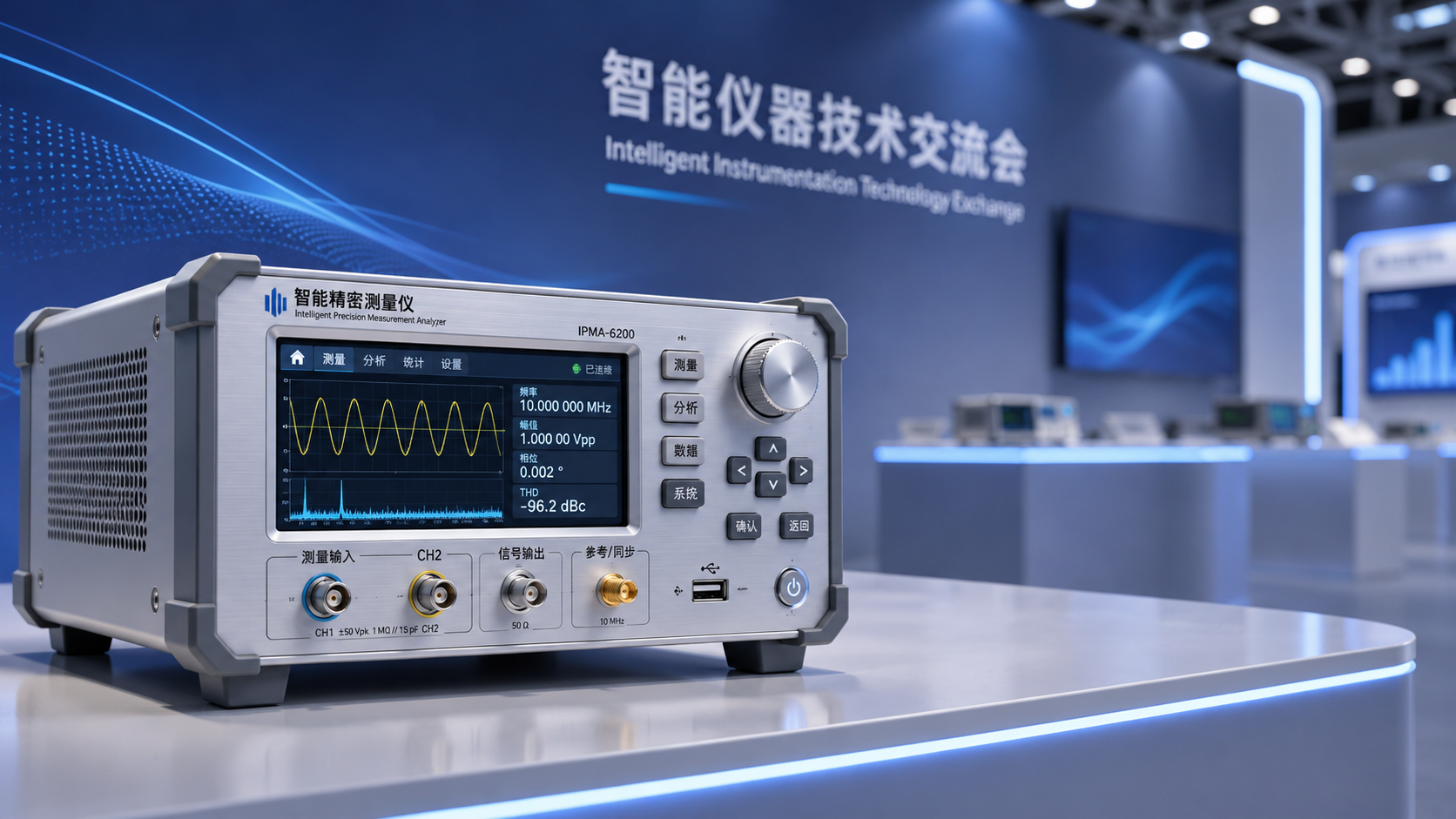
The AI and Instrumentation Industry Development Conference was held in Nanjing on November 20, 2026, as an industry event alongside the 2026 World Intelligent Manufacturing Conference. Centered on the integration of artificial intelligence with instrumentation, the event brought together experts and industry participants to discuss opportunities for high-end instruments and the application of technological innovation in real-world settings.
The conference placed two related questions in focus: how AI could be incorporated into instruments and how those capabilities could be translated into uses that serve industry. Bringing the two together gives the discussion a practical dimension. An AI capability may be technically promising, but its value in an instrument depends on how well it supports the measurement or operational task for which the equipment is used.
From AI capabilities to instrument applications
For instrumentation developers, the connection between AI and a specific application could shape decisions about product design. An instrument does more than produce a result: its output must be useful to the person or system relying on it. Adding AI therefore raises questions about how a new function relates to measurement, how its output can be interpreted and how it performs under the conditions in which the instrument is used.
For users considering such equipment, the relevant issue is whether an AI-enabled function improves a defined task. Depending on the application, that could involve helping interpret measurement information or supporting decisions based on instrument output. The benefit would depend on the quality of the underlying data and on whether the function performs consistently in the intended setting.
These are areas for evaluation rather than outcomes established by the conference. The event's stated focus on technological innovation and application does not, by itself, demonstrate that a particular instrument, method or deployment has achieved a measurable improvement.
What the event signals for the industry
The choice to discuss AI alongside high-end instrumentation highlights the relationship between digital capabilities and the equipment that generates measurement information. It also points to a potential link between instrument development and the needs of users seeking more intelligent manufacturing processes.
In the near term, the most direct significance lies in the exchange of ideas between experts and industry participants around those opportunities. Longer-term effects would depend on what follows: whether discussions lead to identifiable applications, how those applications are evaluated and whether they address requirements in actual use.
Further public information about applications, product capabilities and their performance would help clarify how the conference's themes translate into industrial practice. Until such details emerge, the event is best understood as a forum for discussing the direction of AI integration in instrumentation, rather than evidence of a specific commercial or technical result.



 AI and Instrumentation Industry Conference Held in NanjingAI and instrumentation take center stage in Nanjing as industry experts explore high-end instruments and practical applications for intelligent manufacturing.
 China Instrument and Control Society Forms Working Group for Space–Ground Radar StandardSpace–ground radar standards could improve precipitation data comparisons. Explore China’s new working group and its potential impact on severe weather monitoring.
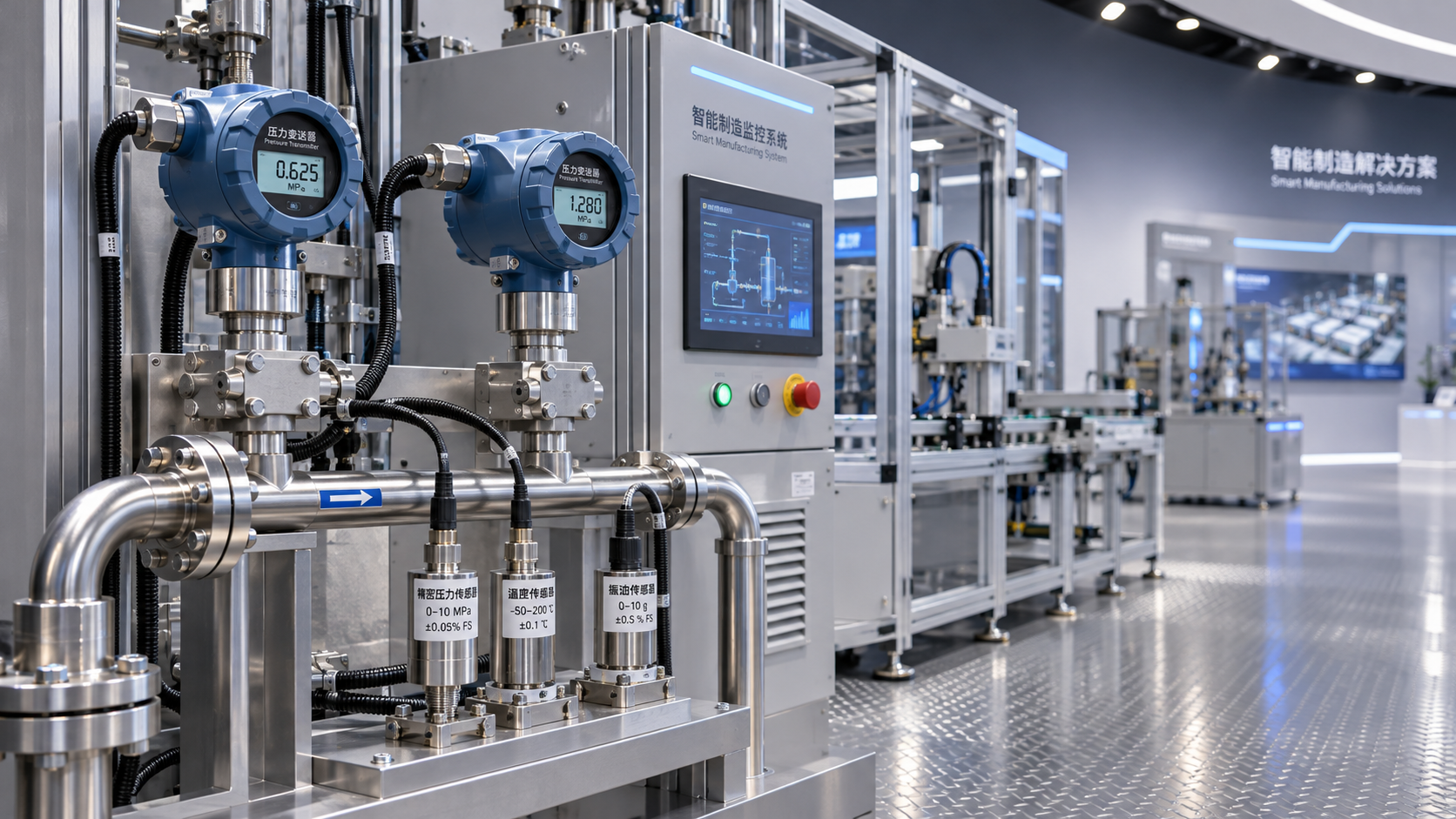
 World Intelligent Manufacturing Conference Opens in Nanjing, Unveils Top AdvancesExplore advances unveiled at the 2026 World Intelligent Manufacturing Conference in Nanjing, and discover what they could mean for automation buyers and suppliers.
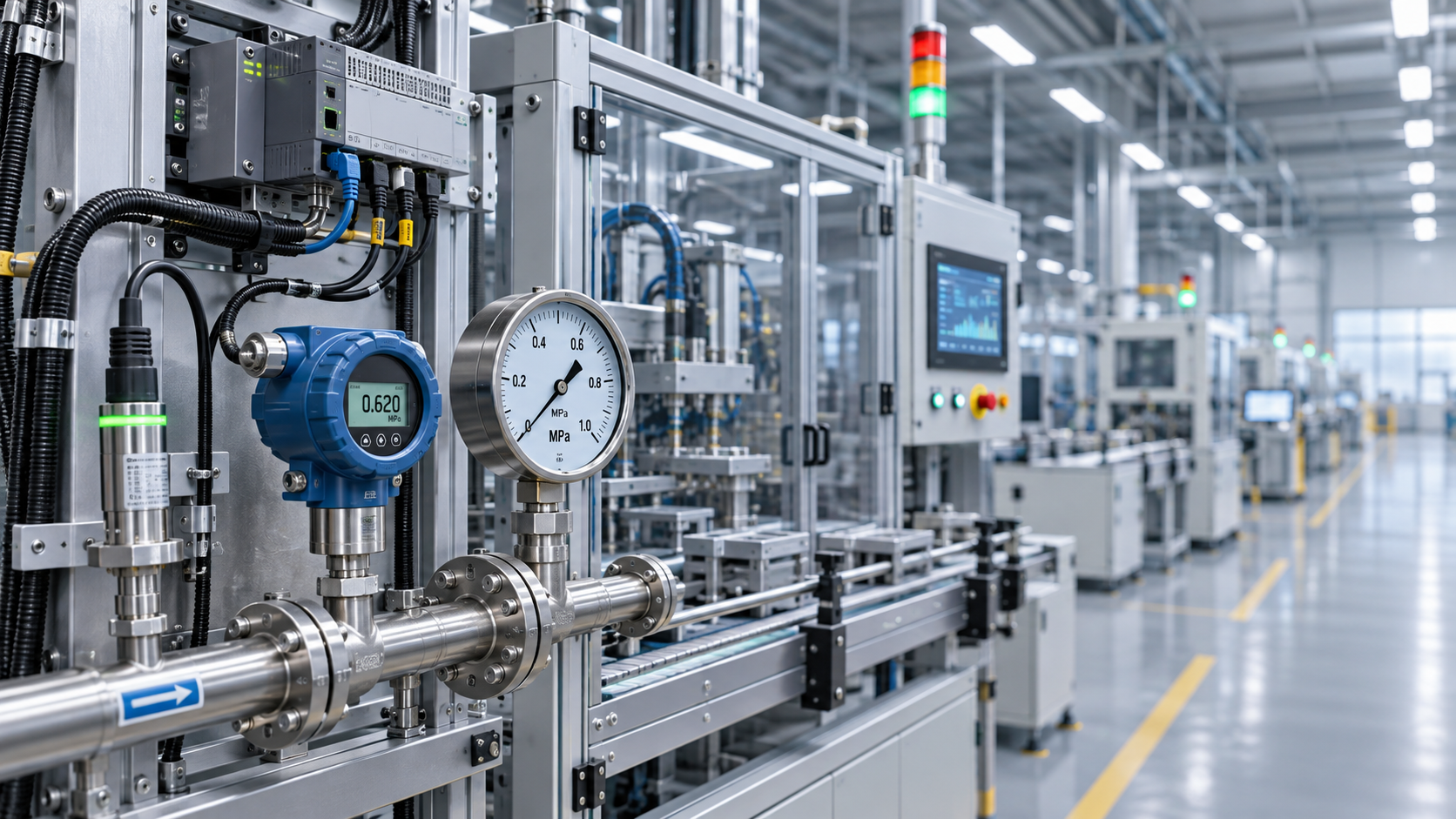
 Six Chinese Ministries Announce 34 Lighthouse Smart Factory CandidatesChina's 34 lighthouse smart factory candidates signal potential opportunities for automation, sensing and integration suppliers. Explore what to watch as projects develop.
 2026 World Intelligent Manufacturing Conference Opens in Nanjing on November 19Explore the 2026 World Intelligent Manufacturing Conference in Nanjing, featuring automation and instrumentation solutions and a leading-factory initiative.
 Sixth Measurement, Control and Instrumentation Conference Meets in XiamenMCAI & IMCA 2026 meets in Xiamen, November 13–15. Explore measurement, control and instrumentation trends and their potential business implications.
Chat Online