


The 2026 World Intelligent Manufacturing Conference opened in Nanjing on November 19, presenting leading technological advances and bringing together more than 400 exhibitors. Its focus on the next generation of intelligent manufacturing makes the event relevant to equipment suppliers, manufacturers, integrators and purchasers assessing how industrial automation may enter future specifications. The information provided does not identify a new policy, standard or certification requirement; the conference is best read as a signal to monitor potential changes in technical expectations and procurement practices.
Ten advances presented at the conference
The conference opened under the theme of advancing the next generation of intelligent manufacturing. At the event, the 2026 lists of the top ten global and Chinese technological advances in intelligent manufacturing were released. The results included the Eigen intelligent agent for industrial automation engineering.
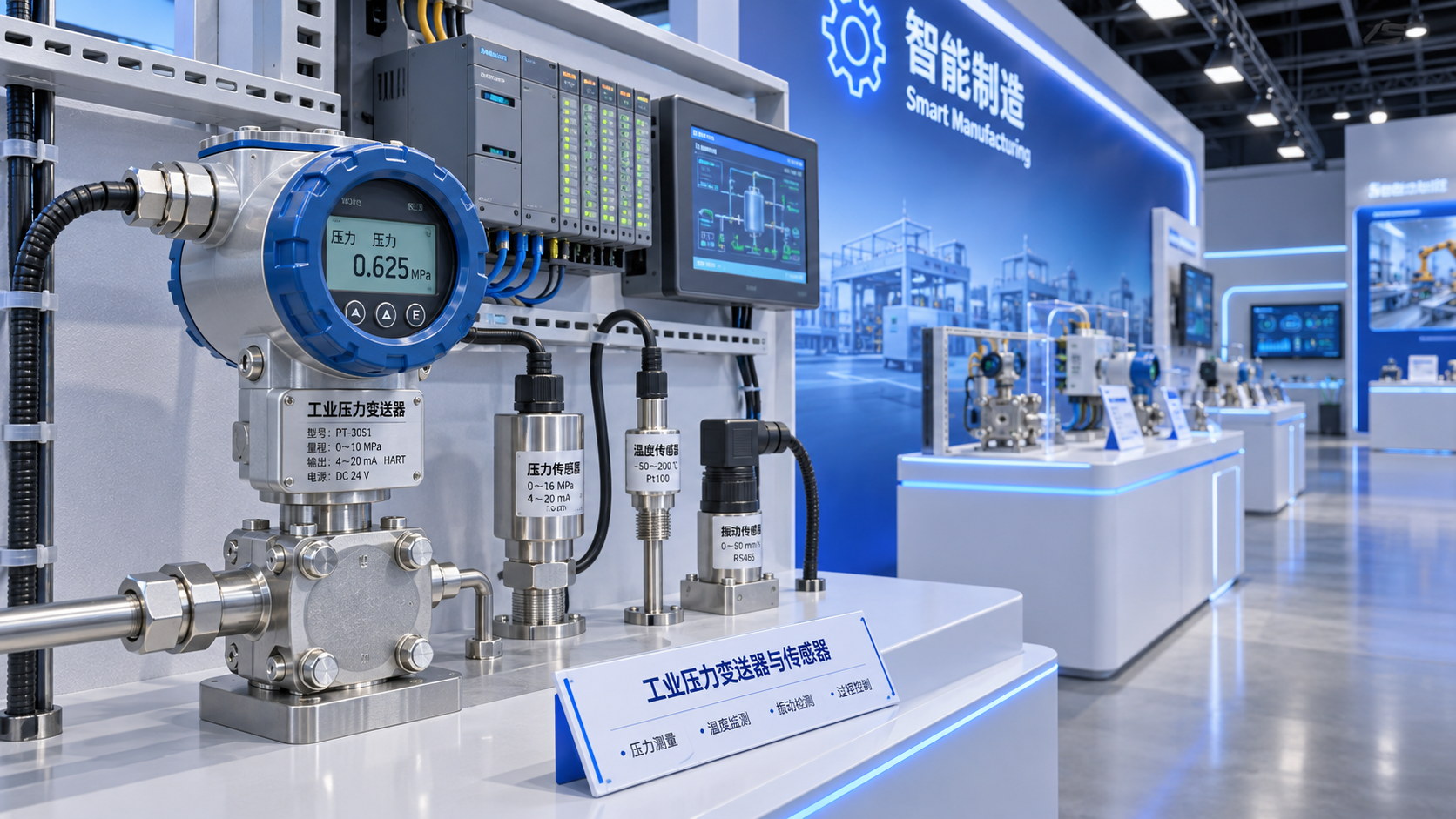
An exhibition held alongside the conference attracted more than 400 participating companies and presented developments in intelligent manufacturing technology.
Where new automation capabilities could enter commercial decisions
Manufacturers assessing engineering work
Analysis suggests that manufacturers may see the presentation of an intelligent agent for industrial automation engineering as a reason to examine specific engineering tasks where such capabilities could be useful. The immediate commercial question is whether a proposed tool can perform a defined task reliably within an existing production environment. The event information does not establish the capabilities, performance or availability of Eigen beyond its stated application area.
For a manufacturer considering any comparable offering, procurement discussions could focus on the work to be performed, the information needed to perform it and the way results will be checked. If a tool is proposed for configuring or modifying automation equipment, the purchaser may also wish to clarify who reviews its output and who authorizes changes. These are suggested evaluation questions, not requirements announced at the conference.
Integrators connecting equipment and software
From an industry perspective, equipment integrators and engineering contractors could be affected if customers begin asking for intelligent agents to be included in automation projects. Such requests may change how bidders describe interfaces, responsibilities and acceptance tests. A supplier may need to explain which parts of an engineering workflow use the proposed tool and which remain subject to human review.
Integration also raises practical delivery questions. A project specification could, for example, ask how an agent exchanges information with existing equipment, how its output is verified and how a defect is corrected before commissioning. The conference announcement does not state that these provisions have been adopted; their relevance would depend on the product and the contract.
Purchasers comparing competing claims
The exhibition may prompt purchasers to compare a range of intelligent manufacturing offerings, but the number of exhibitors alone does not establish their products, technical maturity or suitability for a particular site. Analysis suggests that buyers could benefit from distinguishing a demonstrated capability from a deliverable commitment. A demonstration may show what a system can do under selected conditions, while a purchase decision depends on performance under the buyer's own conditions.
Technical bids could therefore be compared against a common description of the intended task, equipment interfaces, testing method and support needs. Where evidence is available, buyers may ask suppliers to identify the configuration and conditions to which it applies. This would help make claims more comparable without assuming that any common conference-wide benchmark has been issued.
Suppliers responsible for delivery and support
Suppliers and service providers may need to address how intelligent automation tools are maintained after delivery, particularly if a customer proposes using them in engineering activities that can affect equipment configuration. Relevant commercial issues could include documentation, responsibility for updates, access to technical support and a process for reporting errors.
These issues are potential contract and service considerations, not evidence that new after-sales rules have taken effect. Their importance will vary with the application and the obligations agreed by the parties. The event information provides no basis for concluding that delivery times, warranty terms or service practices have already changed.
Questions to resolve before a technology becomes a requirement
Separate conference signals from binding rules
The release of technological advances is an indication of what was presented at the conference. It does not, on the information supplied, establish a regulation, a revised standard, a certification scheme or a mandatory purchasing requirement. Companies reviewing internal policies or customer requests should check the actual instrument or contract before treating any proposed condition as binding.
If subsequent announcements refer to particular technologies, an analysis should distinguish a general development objective from an enforceable obligation. The relevant questions would include who issued the document, whom it covers, what action it requires and when any provision takes effect. No such details are supplied for this event.
Define evidence for technical acceptance
For a project involving an intelligent agent or another advanced automation tool, a buyer and supplier could agree on a limited test using representative engineering tasks. The test might specify the inputs provided, the expected outputs, the conditions of use and the person responsible for reviewing the result. A documented method for handling incorrect or incomplete output would make the outcome more useful for procurement and delivery decisions.
Where a supplier presents test reports, certificates or technical documentation, purchasers may also verify their scope and applicability to the proposed configuration. The conference information does not identify a specific certification or test that applies to Eigen or to the exhibited technologies. Any assessment should therefore be based on the actual product, project and applicable requirements.
Clarify interfaces, data and responsibility
Analysis suggests that an automation project may encounter avoidable delays if the parties do not agree on what information a tool needs and how it connects to existing systems. Before purchase, a customer could ask for an interface description, identify any restrictions on access to engineering information and agree on a method for recording changes.
Contract discussions may also address who supplies the underlying information, who checks the agent's output and who is responsible for implementing an approved change. These questions are especially relevant when several parties contribute equipment, software or engineering services. They are proposed due diligence measures; the event summary does not prescribe a particular allocation of responsibility.
Keep alternatives and delivery plans reviewable
A buyer considering a new tool could retain a documented alternative for tasks that the proposed system cannot perform or verify. An implementation plan might also identify dependencies on supplier support, integration work and acceptance testing. This would allow the parties to assess whether a proposed delivery schedule is credible for their project.
Such planning should be proportionate to the purchase. The announcement does not establish that existing equipment must be replaced, that a specific tool must be purchased or that any transition period applies. Companies can reassess their plans if later documentation or customer specifications provide more detail.
What the conference signals, and what remains unconfirmed
The editorial assessment is that the event is currently a technology and market signal rather than evidence of a rule already in force. Its stated theme and the selection of advances direct attention to the next generation of intelligent manufacturing. The inclusion of an agent for industrial automation engineering also identifies a particular application area for closer scrutiny. Neither point, by itself, establishes how purchasers, regulators or standards bodies will respond.
What deserves closer attention is whether later documents translate broad interest into specific technical or commercial conditions. Those documents could include official policy details, standards materials, certification guidance or customer tender specifications. A change in a tender would need to be assessed according to that tender's scope; it would not automatically become a general industry rule. Likewise, any proposed certification condition would need verification against the relevant scheme and product.
Market feedback may be equally useful when assessing implementation. Evidence about how tools perform in defined engineering tasks, how suppliers support them and how purchasers evaluate results could help distinguish practical adoption from interest generated by a presentation. The supplied information contains no such performance or adoption evidence, so a conclusion about the speed or scale of uptake would be premature.
A measured response for manufacturing businesses
The conference offers a basis for reviewing intelligent manufacturing opportunities and the purchasing questions they may raise. For businesses, the most useful immediate response is to track verifiable follow-up information, examine relevant products against defined tasks and keep technical and contractual decisions tied to evidence. At this stage, the announcement is best treated as a development to monitor, with no new mandatory policy, certification or trade requirement established by the information provided.
Basis for this report and further verification
This article is based on the user-provided news title, event date and event summary. No specific official source link was provided in the input, so the event details and any subsequent developments require continued verification. Relevant materials to check may include official announcements, statements from regulatory authorities, industry association publications, standards documents and reporting by authoritative media.
Further review should focus on any policy details, certification guidance, changes to tender documents, trade implementation information and feedback from businesses. The existence or content of such follow-up materials has not been established by the supplied information.



 World Intelligent Manufacturing Conference Opens in Nanjing, Unveils Top AdvancesExplore advances unveiled at the 2026 World Intelligent Manufacturing Conference in Nanjing, and discover what they could mean for automation buyers and suppliers.
 Six Chinese Ministries Announce 34 Lighthouse Smart Factory CandidatesChina's 34 lighthouse smart factory candidates signal potential opportunities for automation, sensing and integration suppliers. Explore what to watch as projects develop.
 2026 World Intelligent Manufacturing Conference Opens in Nanjing on November 19Explore the 2026 World Intelligent Manufacturing Conference in Nanjing, featuring automation and instrumentation solutions and a leading-factory initiative.
 Sixth Measurement, Control and Instrumentation Conference Meets in XiamenMCAI & IMCA 2026 meets in Xiamen, November 13–15. Explore measurement, control and instrumentation trends and their potential business implications.
 October Flow Meter Tenders: Stable Industrial Demand Favors Domestic EquipmentFlow meter tenders signal stable industrial demand and a preference for domestic equipment. Explore what suppliers and buyers should check before bidding.
 analytica China 2026 Opens in ShanghaiExplore analytica China 2026 in Shanghai, where analytical instruments, laboratory technology and biotechnology take center stage. Discover practical supplier and procurement insights.




Chat Online