


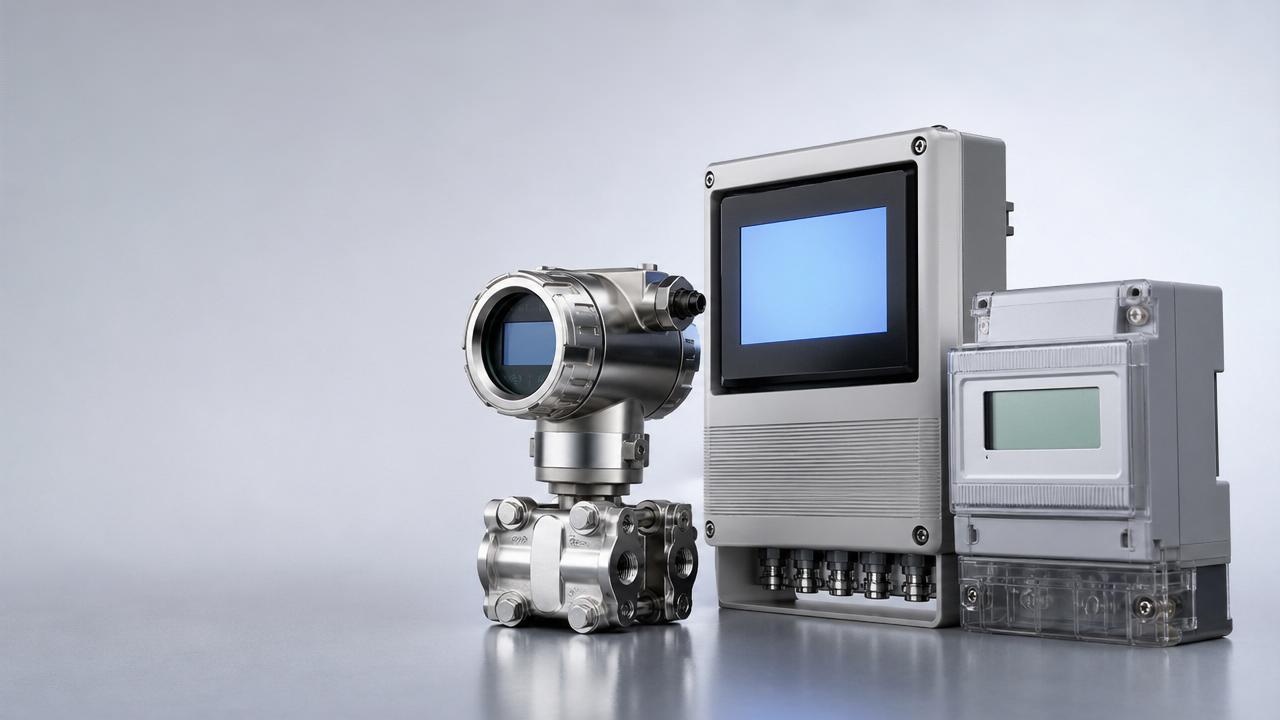
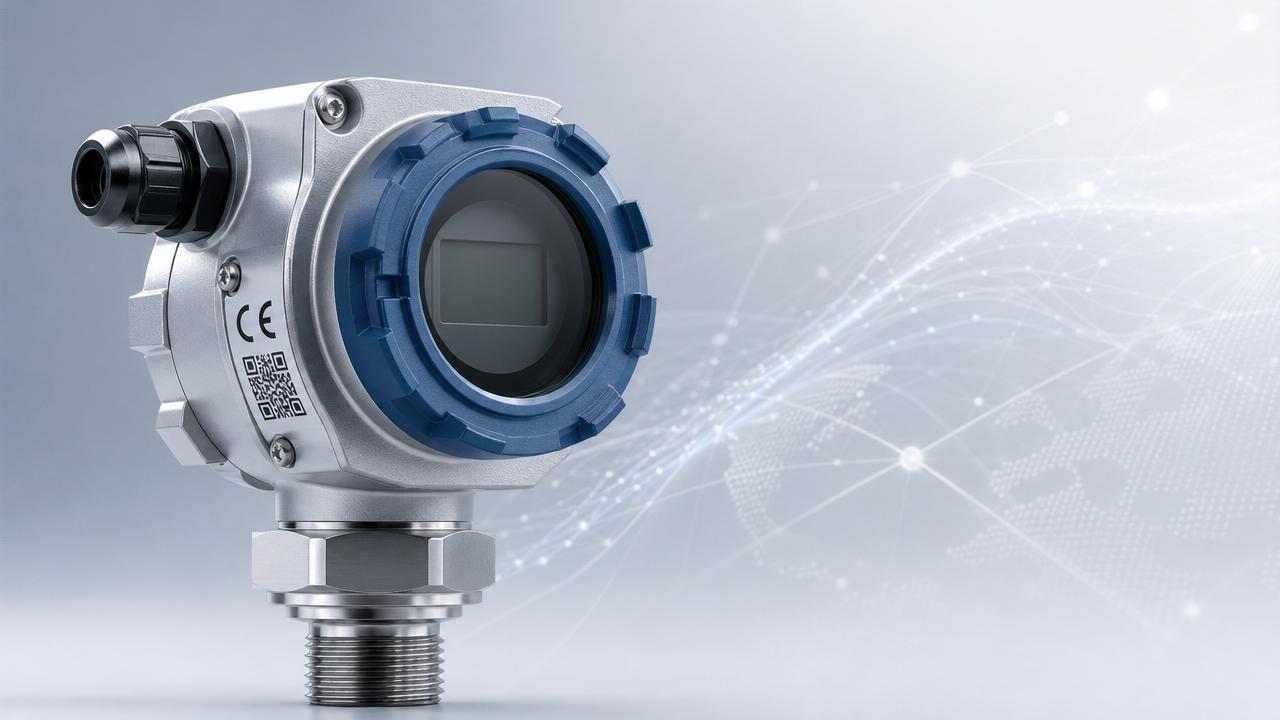
The wireless level transmitter can convert the change of liquid level into wireless signals and transmit them to the cloud or local platform. It is small and easy to carry and install. It uses a stainless steel shell for isolation and has strong anti-corrosion function. It can measure and contact various liquid media that are compatible with it.
In addition to the above, the wireless liquid level transmitter supports both power supply and battery power supply. The battery power consumption is very low. Under the default upload and collection interval, the continuous use time can be up to 5 years. If the battery needs to be replaced, you only need to open the back cover of the device to easily replace it. Its storage function is also very powerful. Even in an offline state, it can automatically store data to ensure the accuracy and integrity of the data. Moreover, the wireless liquid level transmitter has a display screen that can display the current liquid level data and liquid level in real time. Users only need to use USB to connect to the mobile phone software to easily configure the parameters, which is simple and convenient.
This wireless level transmitter is suitable for various occasions, using high-quality TPU air-conducting cable, die-cast alloy aluminum housing, epoxy spraying on the surface, sealed design, IP67 protection level, which makes this device highly dustproof and waterproof, allowing users to use it safely in various harsh environments. Such as fire trucks, water plants, sewage treatment plants, urban water supply, water wells, water towers, geothermal wells, mines, industrial pools, hydrogeology, reservoirs, rivers, oceans, water circulation, water treatment and other fields.


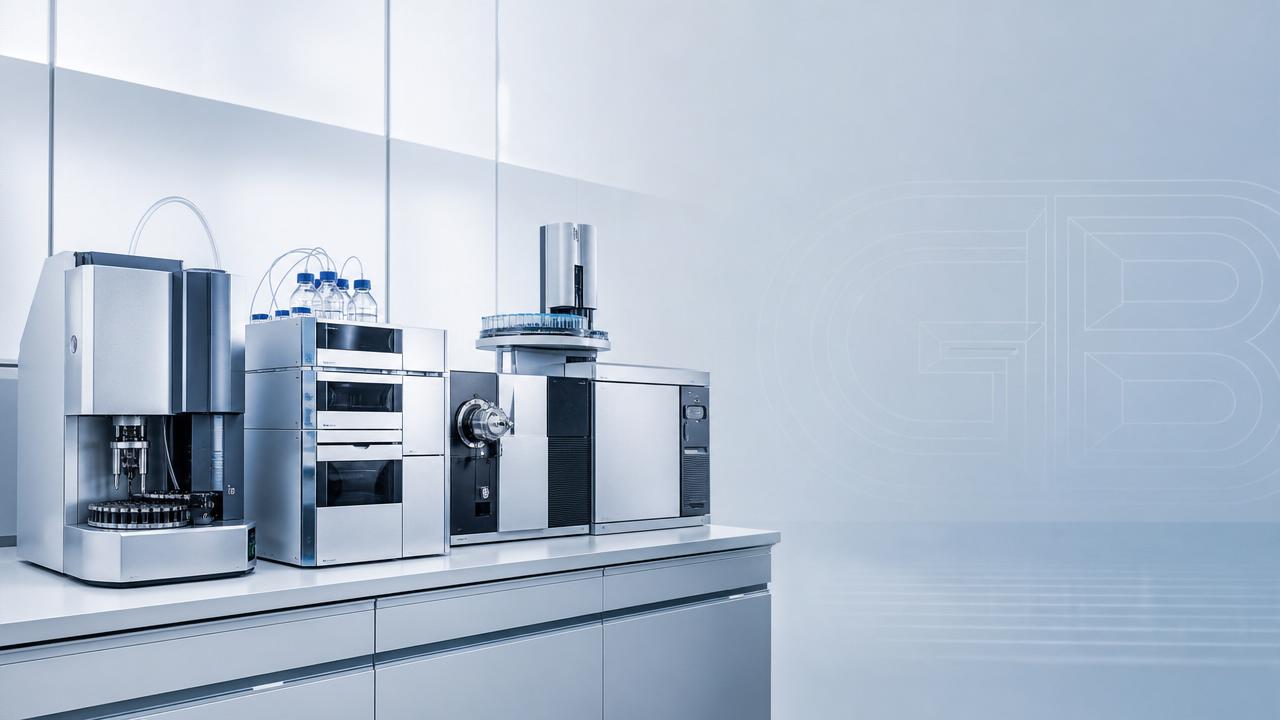
 1259 New National Standards Take Effect in May 20261259 new national standards effective May 2026 mandate GFAAS, LC-MS/MS & GC-MS for compliance—key for exporters, labs & instrument suppliers.
 GWM Patents AI-Driven Multi-Screen Quality Switching for Vehicle HMIsGWM's AI-driven multi-screen quality switching patent unlocks adaptive display tech for industrial HMIs, DCS stations & explosion-proof touchscreens — watch for certified deployments.
 US-China Tariffs Unified at 10% for InstrumentsUS-China tariffs on instruments unified at 10%—boosting cost efficiency for industrial process instruments, environmental monitoring equipment & energy meters. Act now.
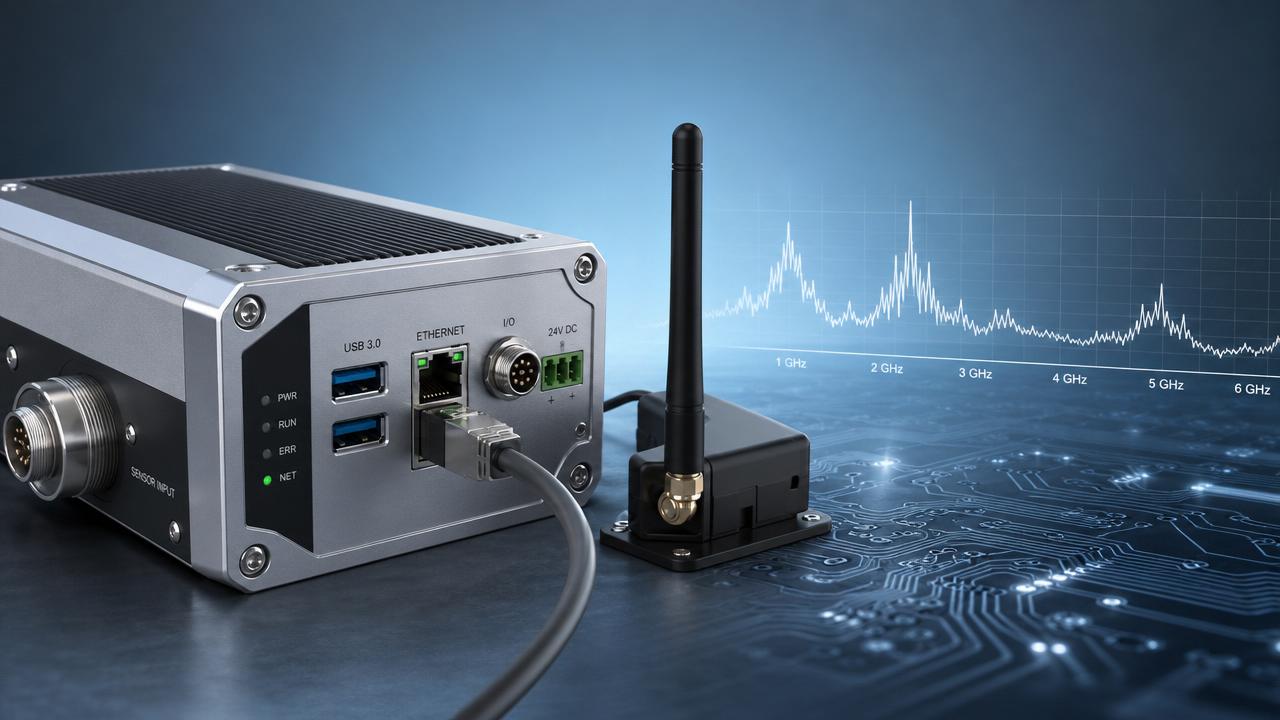
 EN 61000-6-4:2026 Enters Force for Industrial EMC ComplianceEN 61000-6-4:2026 is now mandatory for industrial EMC compliance — stricter 1–6 GHz emissions & dynamic AI-device testing. Act now to avoid EU market delays.
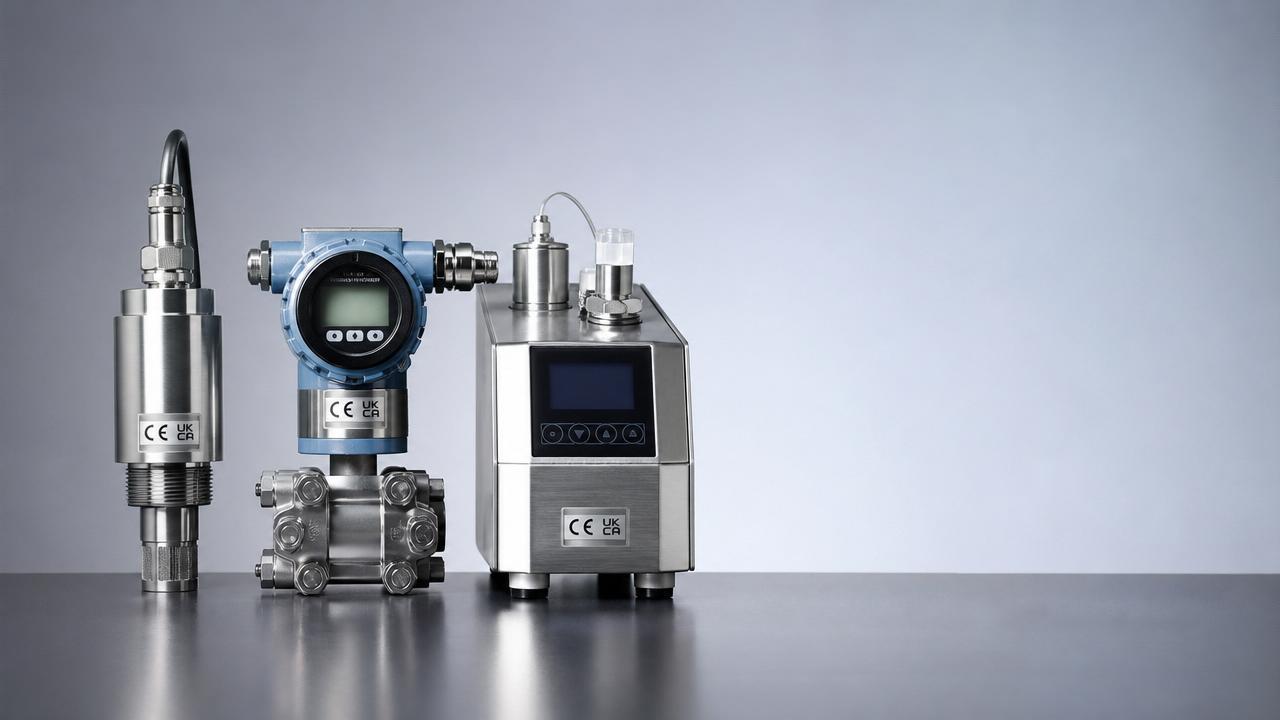
 New China Export Rules for Instruments Effective May 2026New China export rules for instruments require CNAS-issued CE/UKCA reports by May 2026 — ensure compliance now to avoid EU/UK shipment delays.
 EU CE-EPD Digital Compliance Label Mandatory from May 2026EU CE-EPD digital compliance label becomes mandatory for instrumentation exports from May 2026 — discover how Chinese OEMs, suppliers & EMS providers can prepare now.
Chat Online