


In the third quarter of 2026, China’s value added from industries above designated size increased by 5.1% year on year, according to the National Bureau of Statistics. Within equipment manufacturing, all eight sectors recorded growth. Electronics, instrumentation, railway and shipbuilding and aerospace, and special equipment manufacturing continued to post high growth, indicating improving momentum in the industrial economy.
For the instrumentation industry, the data signals that activity remained relatively strong within the broader equipment manufacturing sector during the quarter. The information does not provide a separate growth rate for instrumentation, but its inclusion among the sectors maintaining high growth highlights its contribution to the overall performance of equipment manufacturing.
Potential implications for the industry
In the short term, sustained growth in instrumentation manufacturing could support demand across related production and supply chain activities. Equipment makers and their suppliers may continue to focus on production scheduling, order fulfillment, and the stability of component and equipment supply as industrial activity remains steady.
The broader equipment manufacturing figures also suggest that the current momentum was spread across several sectors rather than being limited to a single category. However, the available information does not establish how this performance will affect individual companies, product segments, prices, or orders. Those effects will depend on whether the high growth in the relevant sectors continues and how demand develops in subsequent periods.
For now, the main signal is that instrumentation remained part of a group of equipment manufacturing industries showing comparatively strong growth in the third quarter. Further assessment will require continued attention to subsequent official industrial data and the performance of instrumentation-related businesses.


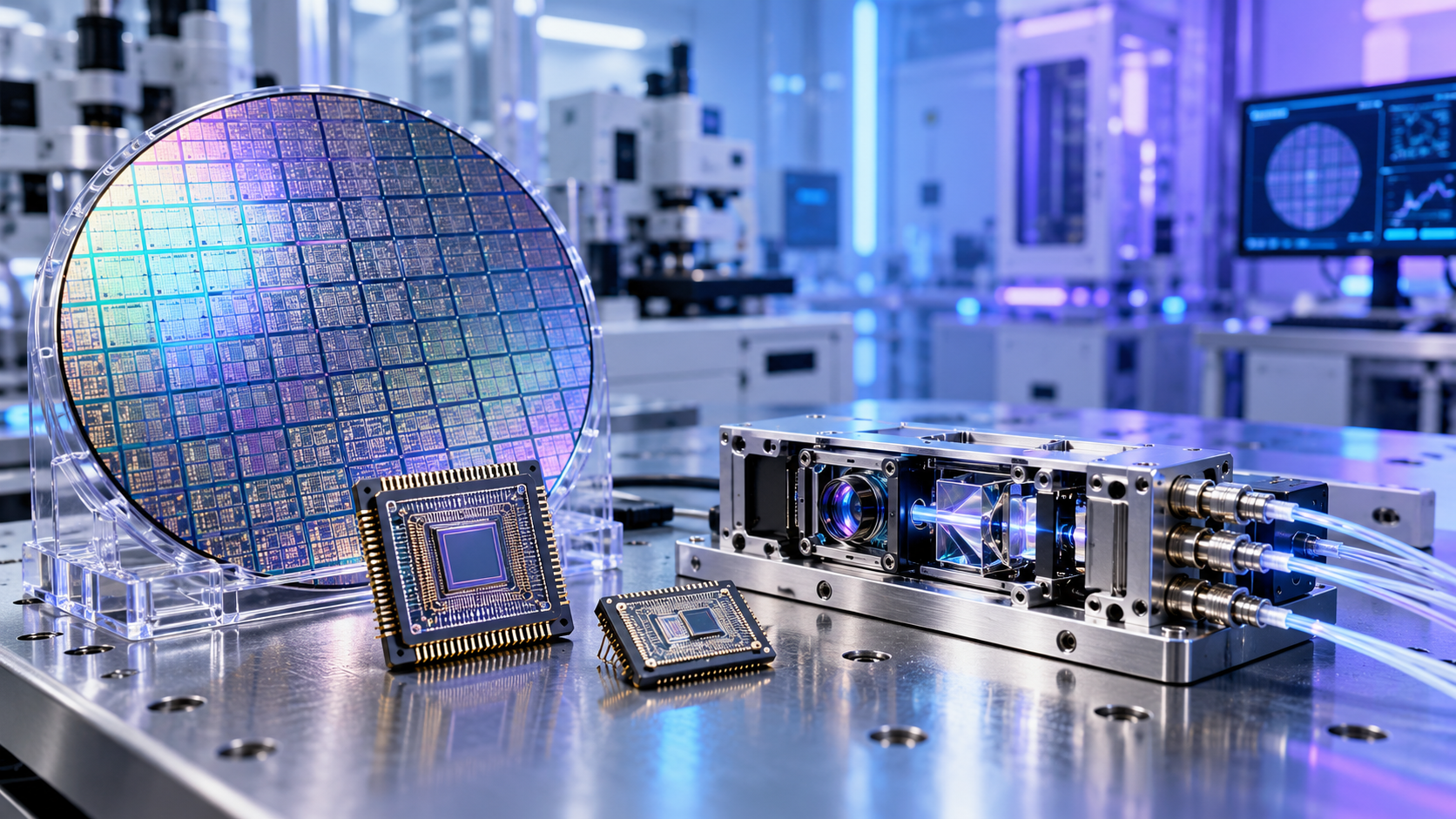
 Seventh MEMS Manufacturing Conference Opens in Suzhou, Highlighting Smart Sensing and Optical InterconnectsExplore Suzhou’s seventh MEMS Manufacturing Conference for insights on smart sensing, optical interconnects and standardization trends shaping supplier readiness and procurement decisions.
 China’s Instrumentation Industry Maintains High Growth in Q3 2026China’s instrumentation industry maintained high growth in Q3 2026. Explore manufacturing trends, potential supply chain impacts, and key signals for equipment makers and suppliers.
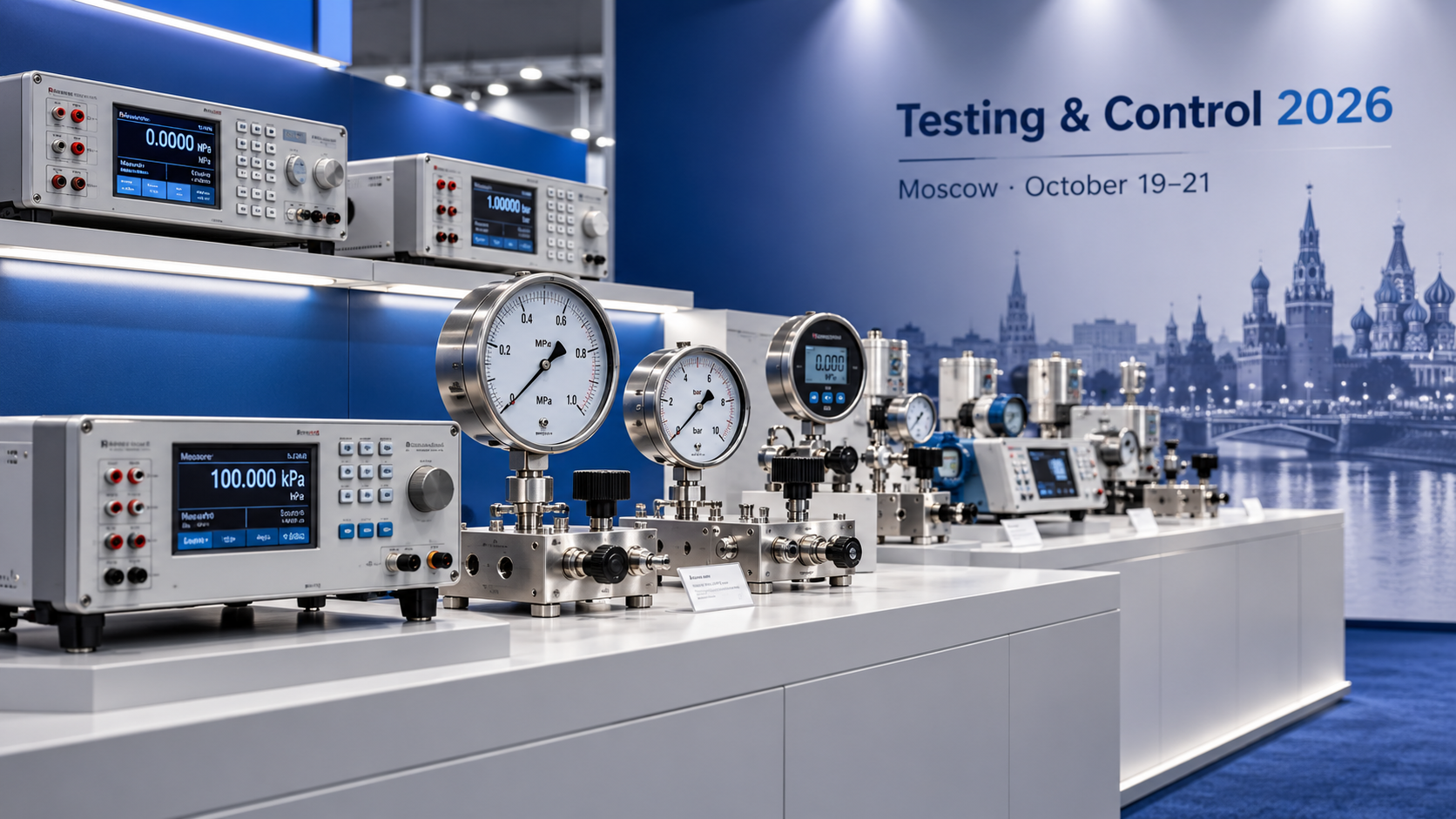
 Testing&Control 2026 Test, Measurement and Control Exhibition Opens Today in MoscowTesting&Control 2026 runs October 19–21 in Moscow. Explore test, measurement and control solutions, connect with suppliers, and clarify procurement and certification questions.
 Aging Valve Replacements to Support Manual Handwheel Operator Market Growth Through 2035Explore the manual handwheel operator market's projected 3.2% CAGR through 2035. Discover how aging valve replacements and safety certification needs could shape demand.
 Global Life Sciences Instruments Market Forecast to Reach $138.51 Billion by 2032Explore the global life sciences instruments market forecast to reach $138.51 billion by 2032, with insights into AI, automation and multi-omics trends shaping laboratory investment.
 1259 New National Standards Take Effect in May 20261259 new national standards effective May 2026 mandate GFAAS, LC-MS/MS & GC-MS for compliance—key for exporters, labs & instrument suppliers.




Chat Online