


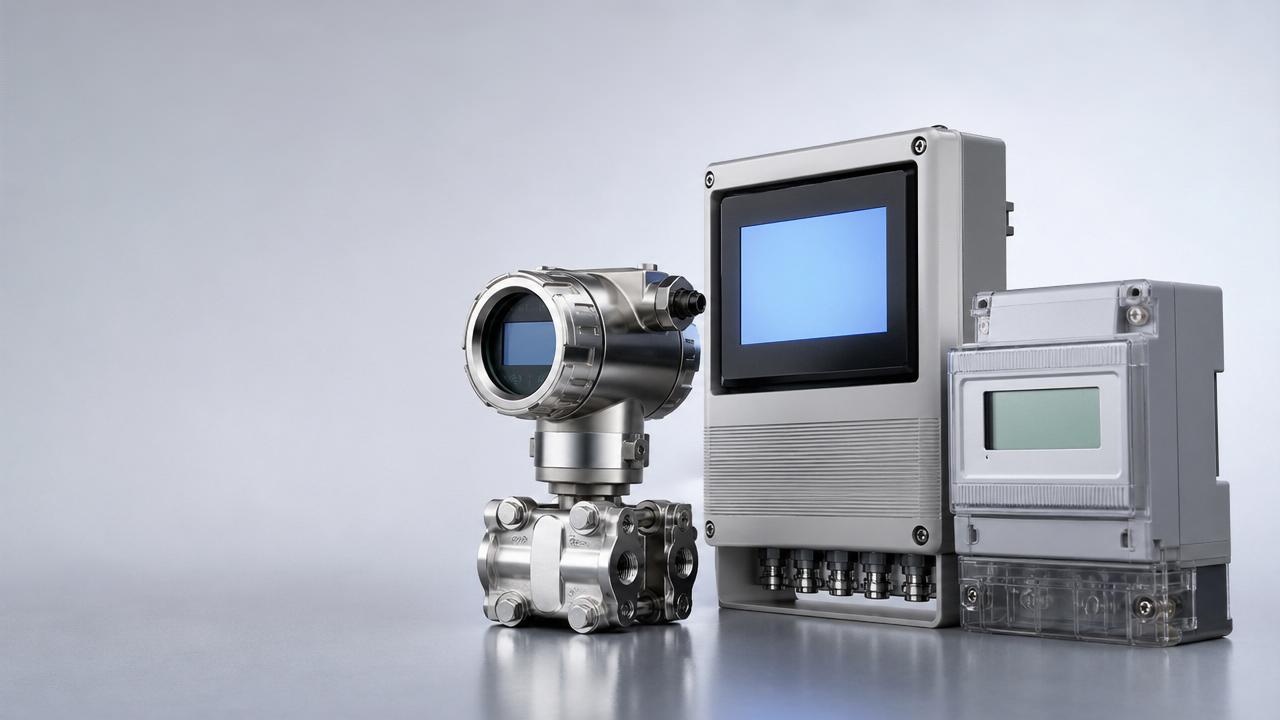
The working principle of a 4-20mA temperature transmitter mainly includes the following steps:
1. Sensor measurement: Temperature transmitters typically use platinum resistors (such as Pt100, Pt1000) as temperature sensors. When the temperature changes, the resistance value will also change accordingly. By measuring the change in resistance value, the change in temperature can be determined.
2. Signal conversion: The temperature transmitter converts the measured resistance value into a standard signal output, usually a 4-20mA current signal. In this way, the measured temperature signal can be transmitted to devices such as remote control rooms or data recorders.
3.Compensation: Due to the different temperature coefficients of the resistance elements, the temperature transmitter needs to perform corresponding temperature compensation to ensure the accuracy and stability of the output signal.
Characteristics and advantages of 4-20mA current signal:
Signal stability: 4-20mA current signal is not easily disturbed and suitable for long-distance transmission.
Safe and reliable: 4-20mA signal output is commonly used in industry because this signal output method is safe and reliable, and is not easily affected by interference
Application scenarios of 4-20mA temperature transmitter:
Industrial applications: In industrial processes, temperature transmitters are commonly used to measure the temperature value of the process medium. The sensor senses temperature changes, the transmitter converts the signal into a 4-20mA current signal, and the controller then translates the signal back into a specific temperature value to achieve control of the process terminal control components.
Contact


 1259 New National Standards Take Effect in May 20261259 new national standards effective May 2026 mandate GFAAS, LC-MS/MS & GC-MS for compliance—key for exporters, labs & instrument suppliers.
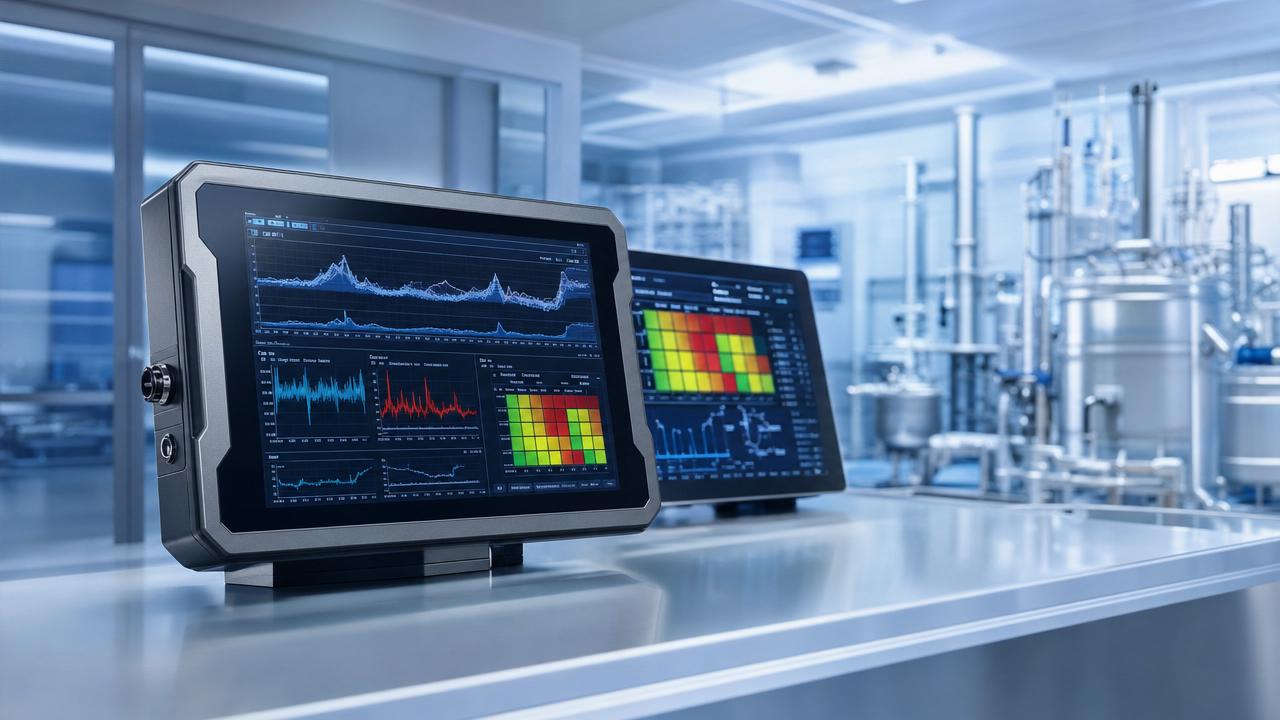
 GWM Patents AI-Driven Multi-Screen Quality Switching for Vehicle HMIsGWM's AI-driven multi-screen quality switching patent unlocks adaptive display tech for industrial HMIs, DCS stations & explosion-proof touchscreens — watch for certified deployments.
 US-China Tariffs Unified at 10% for InstrumentsUS-China tariffs on instruments unified at 10%—boosting cost efficiency for industrial process instruments, environmental monitoring equipment & energy meters. Act now.
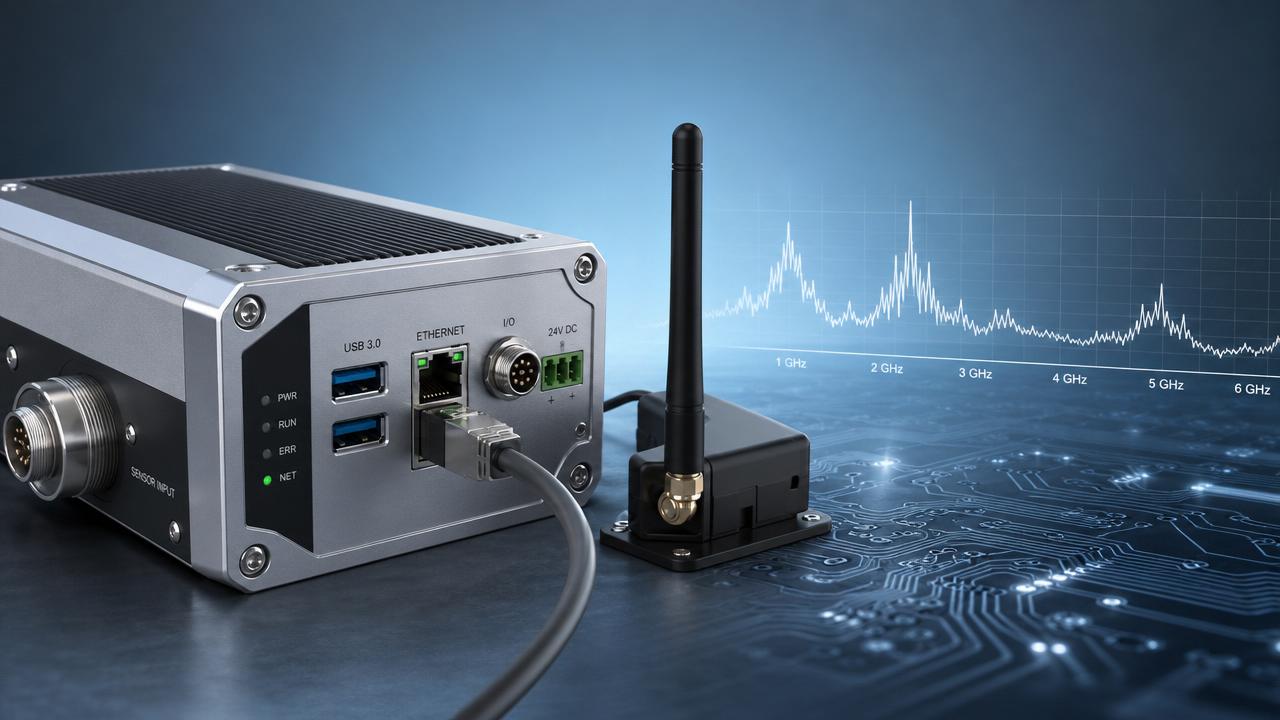
 EN 61000-6-4:2026 Enters Force for Industrial EMC ComplianceEN 61000-6-4:2026 is now mandatory for industrial EMC compliance — stricter 1–6 GHz emissions & dynamic AI-device testing. Act now to avoid EU market delays.
 New China Export Rules for Instruments Effective May 2026New China export rules for instruments require CNAS-issued CE/UKCA reports by May 2026 — ensure compliance now to avoid EU/UK shipment delays.
 EU CE-EPD Digital Compliance Label Mandatory from May 2026EU CE-EPD digital compliance label becomes mandatory for instrumentation exports from May 2026 — discover how Chinese OEMs, suppliers & EMS providers can prepare now.

Chat Online