


1.Installation and Measurement
The length of the protective tube immersed in the measured medium must be greater than the length of the temperature sensing element. Generally, the immersion length should be greater than 100mm. For thermometers with a range of 0-50 ℃, the immersion length is recommended to be greater than 150mm.
The installation position should accurately reflect the temperature of the measured medium, avoiding external interference and mechanical damage.
Select the appropriate type of bimetallic thermometer based on measurement requirements, such as axial, radial, or universal.
2. Operating environment
Bimetallic thermometers should operate normally within an ambient temperature range of -30 ℃ to 80 ℃. Exceeding this range may affect measurement accuracy and the lifespan of the thermometer.
Not suitable for measuring the temperature of media in open containers, as such environments can easily cause external interference or damage to the thermometer.
Avoid using bimetallic thermometers with live contacts in areas with high vibration to avoid affecting the reliability of the contact operation.
3. Operation and maintenance
Avoid directly twisting the thermometer head to avoid damaging internal components or affecting measurement accuracy.
Regularly inspect the thermometer, it is generally recommended to conduct an inspection every six months.
Avoid colliding with the protective tube of the thermometer and do not bend or deform it.
Regularly clean the casing and temperature sensing elements of the thermometer, keeping them dry and ventilated.
4.Other precautions
The temperature at which bimetallic thermometers often operate should be within the range of 1/2 to 3/4 of the dial scale to maintain measurement accuracy and stability.
When using, it is necessary to select a suitable temperature sensor installation boss to ensure that the thermometer is firmly installed in the measuring position.
Contact


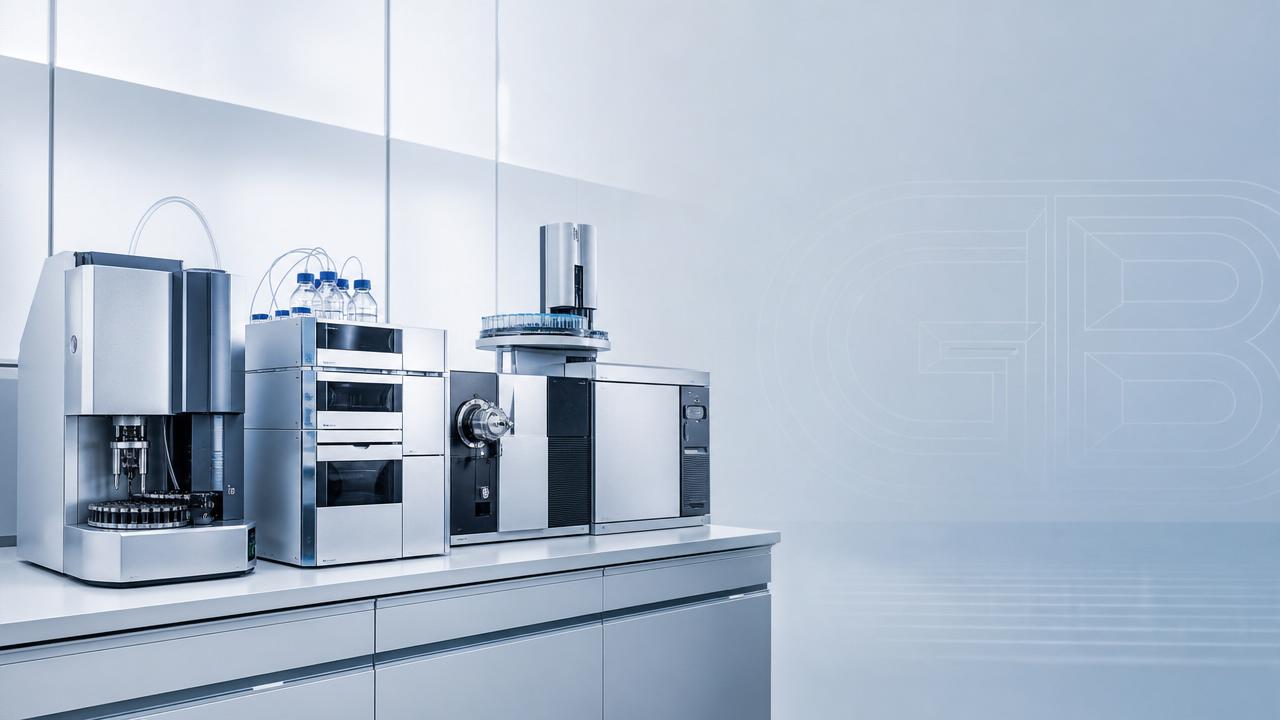
 1259 New National Standards Take Effect in May 20261259 new national standards effective May 2026 mandate GFAAS, LC-MS/MS & GC-MS for compliance—key for exporters, labs & instrument suppliers.
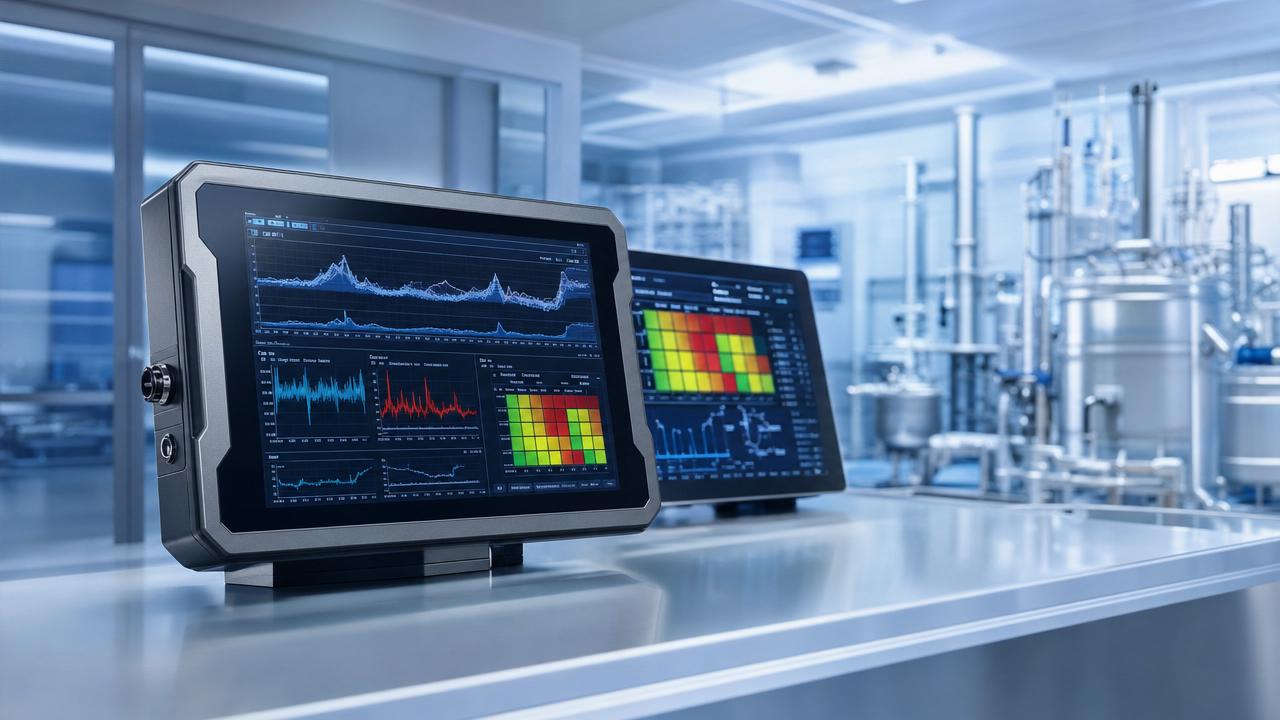
 GWM Patents AI-Driven Multi-Screen Quality Switching for Vehicle HMIsGWM's AI-driven multi-screen quality switching patent unlocks adaptive display tech for industrial HMIs, DCS stations & explosion-proof touchscreens — watch for certified deployments.
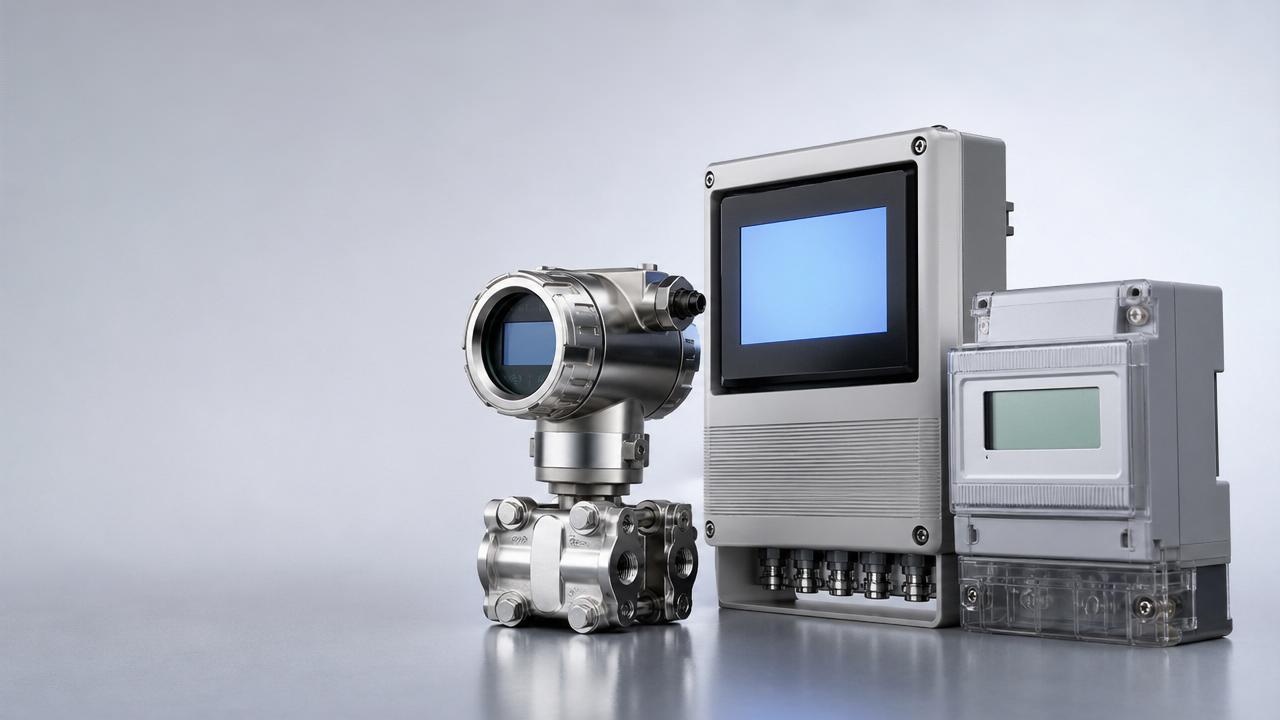
 US-China Tariffs Unified at 10% for InstrumentsUS-China tariffs on instruments unified at 10%—boosting cost efficiency for industrial process instruments, environmental monitoring equipment & energy meters. Act now.
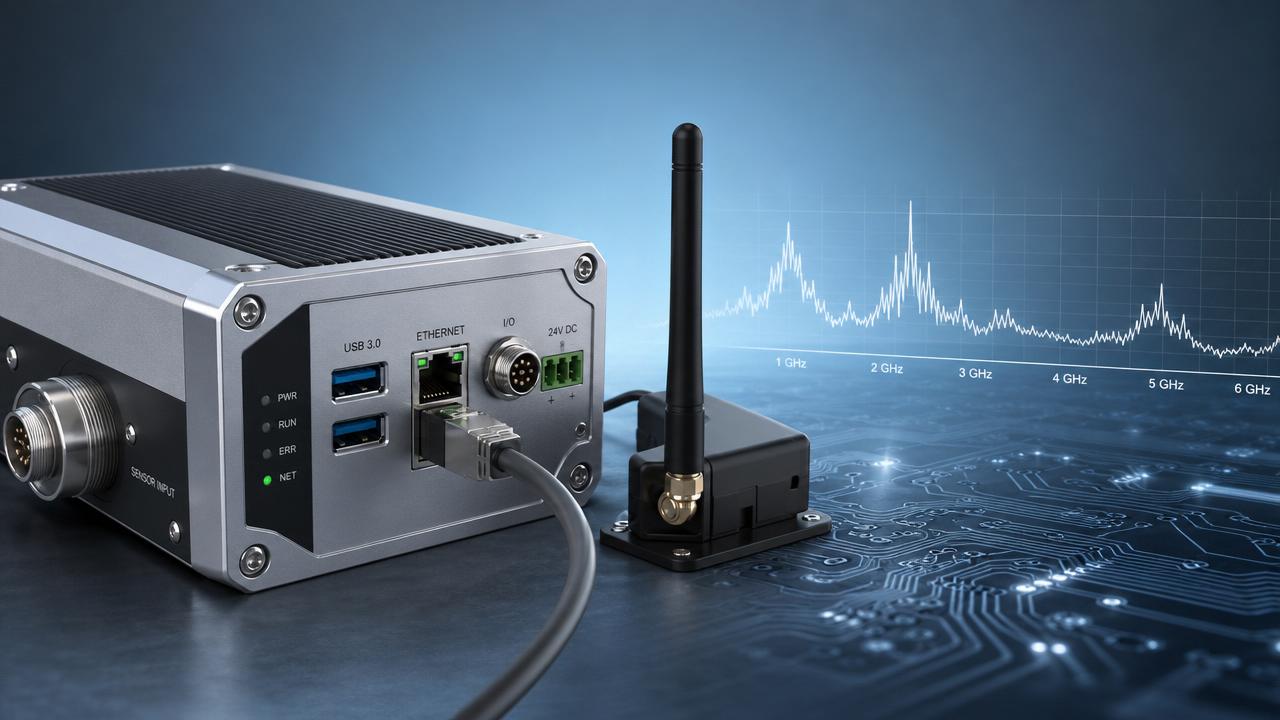
 EN 61000-6-4:2026 Enters Force for Industrial EMC ComplianceEN 61000-6-4:2026 is now mandatory for industrial EMC compliance — stricter 1–6 GHz emissions & dynamic AI-device testing. Act now to avoid EU market delays.
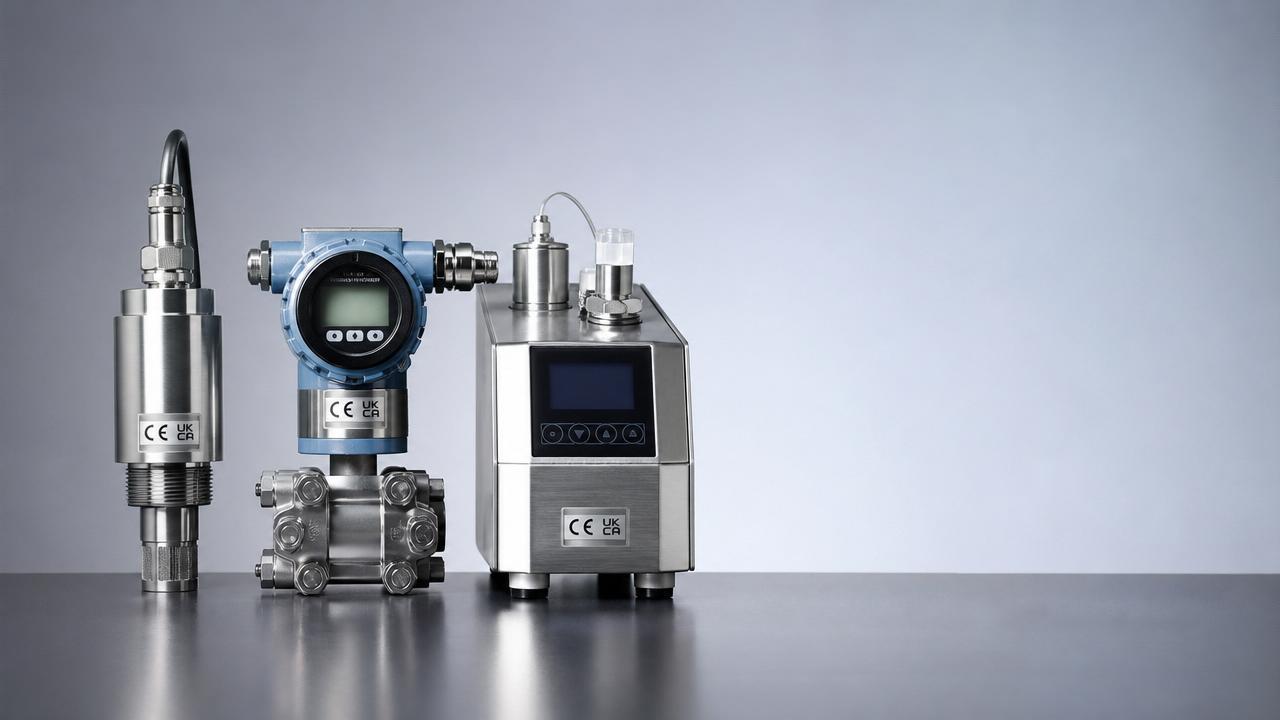
 New China Export Rules for Instruments Effective May 2026New China export rules for instruments require CNAS-issued CE/UKCA reports by May 2026 — ensure compliance now to avoid EU/UK shipment delays.
 EU CE-EPD Digital Compliance Label Mandatory from May 2026EU CE-EPD digital compliance label becomes mandatory for instrumentation exports from May 2026 — discover how Chinese OEMs, suppliers & EMS providers can prepare now.
Chat Online