


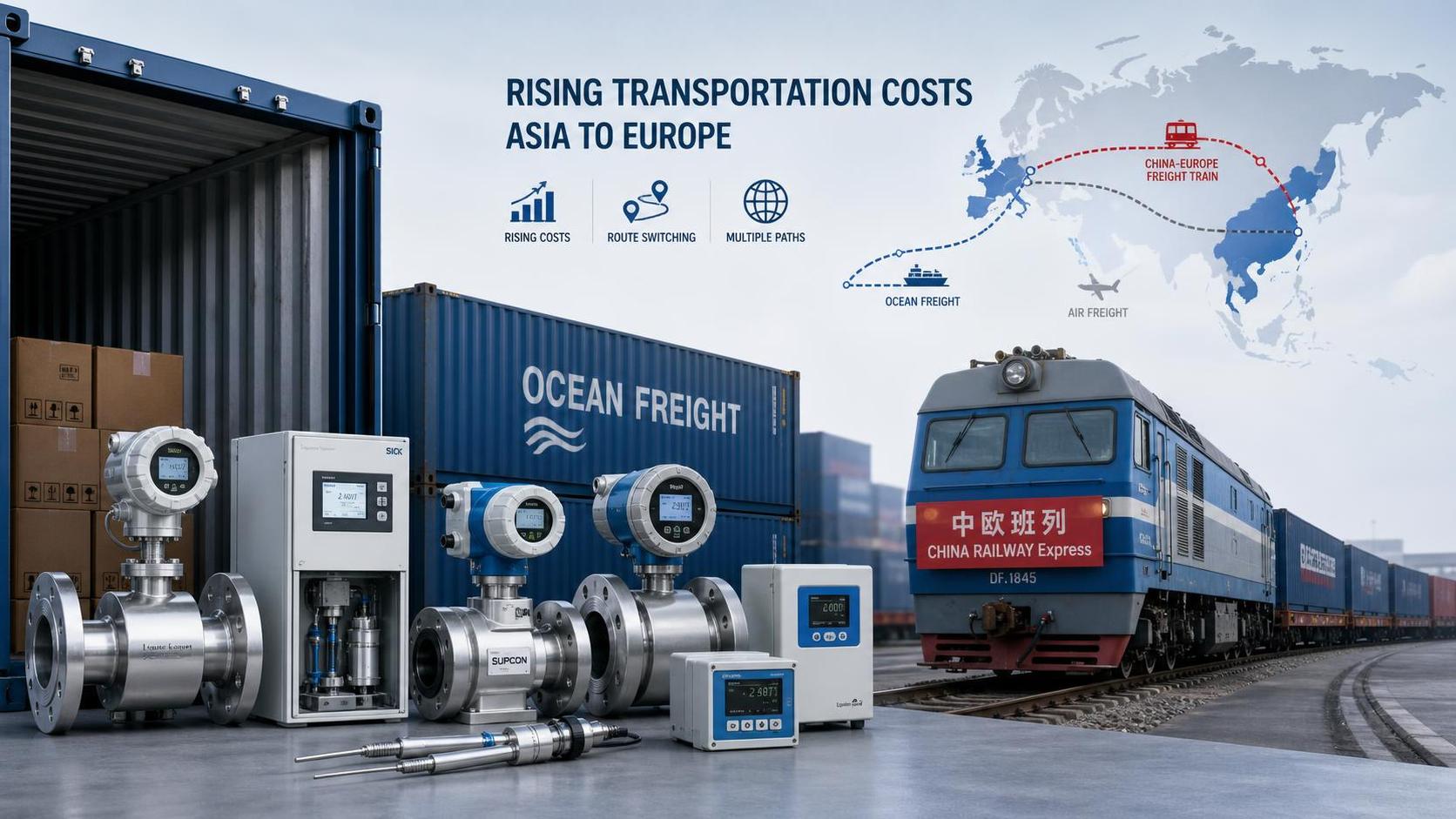
On August 1, 2026, a freight rule change tied to continued disruption in the Red Sea shipping corridor began to directly affect China’s exports of instrument and measurement products on major Asia-Europe routes. For instrument cargo under HS 9026 and HS 9027, the average BAF and CAF surcharge on routes such as Shanghai-Rotterdam and Ningbo-Hamburg was raised by 18%, while some carriers also introduced quota controls for slots allocated to precision instruments. This matters for exporters, overseas importers, distributors, procurement teams, and logistics providers because the change reaches beyond freight pricing and starts to reshape booking access, delivery planning, trade risk assessment, and route selection.
What Has Changed on the Main Export Routes
According to data jointly referenced from Alphaliner and the Shanghai Shipping Exchange, continued interruption of the Red Sea route led to an average 18% increase in BAF and CAF surcharges for instrument and measurement cargo classified under HS 9026 and HS 9027 from August 1, 2026. The affected trunk routes include Shanghai-Rotterdam and Ningbo-Hamburg. The same event summary states that some shipping companies have applied a quota system to cargo space for precision instruments. It also states that this round of pricing adjustment has triggered an upward risk rating by China Export & Credit Insurance Corporation for high-value instrument exports. Overseas importers and distributors have been advised to lock in Q3 shipping space early and to consider the Xi'an-Duisburg China-Europe rail service as an alternative channel, with current transit time holding at 14 days and freight volatility running 32% lower than sea freight.
Where the Pressure Appears Along the Trade Chain
Export contract execution is becoming more exposed to logistics terms
From an industry perspective, exporters of instruments and analytical equipment are likely to feel the impact first in quotation management, shipment scheduling, and delivery commitment. When surcharges rise and booking space becomes quota-based for precision cargo, commercial terms linked to freight allocation, dispatch timing, and cost pass-through deserve closer attention. What deserves closer attention is whether existing orders, especially those tied to fixed delivery windows, still align with the updated shipping conditions.
Overseas buyers and distributors face a procurement timing issue
For importers and distribution channels, the immediate issue is not only higher landed logistics cost but also reduced flexibility in Q3 replenishment planning. Observably, early slot booking becomes part of procurement control rather than a routine logistics step. Buyers handling regulated or specification-sensitive instruments may also need to review whether delayed delivery would affect installation schedules, acceptance milestones, or downstream customer commitments.
Logistics and supply-chain service providers must manage route and capacity choices more tightly
Freight forwarders and other supply-chain service providers are likely to be affected through allocation management, route substitution, and customer documentation support. Analysis shows that once quota controls apply to precision instrument cargo, the operational burden shifts toward securing confirmed space, checking cargo classification consistency, and coordinating backup transport plans. In practical terms, service providers may need closer alignment with shippers on HS coding, cargo characteristics, and schedule flexibility.
Risk control and after-sales planning may also come under review
The upward risk rating for high-value instrument exports introduces an additional layer of trade risk attention. From an industry perspective, this does not by itself define a final compliance outcome, but it does signal that export transactions involving high-value goods may receive closer scrutiny in insurance, payment security, and delivery assurance arrangements. For products with installation, calibration, or service obligations, any transport disruption can also affect after-sales response planning and traceability expectations.
Practical Points Companies Should Track Now
Review shipping terms and booking assumptions for HS 9026/9027 cargo
Analysis shows that companies shipping affected instrument categories should first verify which orders are exposed to the surcharge change and whether booking assumptions remain valid under quota-controlled capacity. This is especially relevant where delivery windows, bid commitments, or distributor replenishment plans were built on earlier freight expectations.
Keep trade documents and technical files consistent with transport arrangements
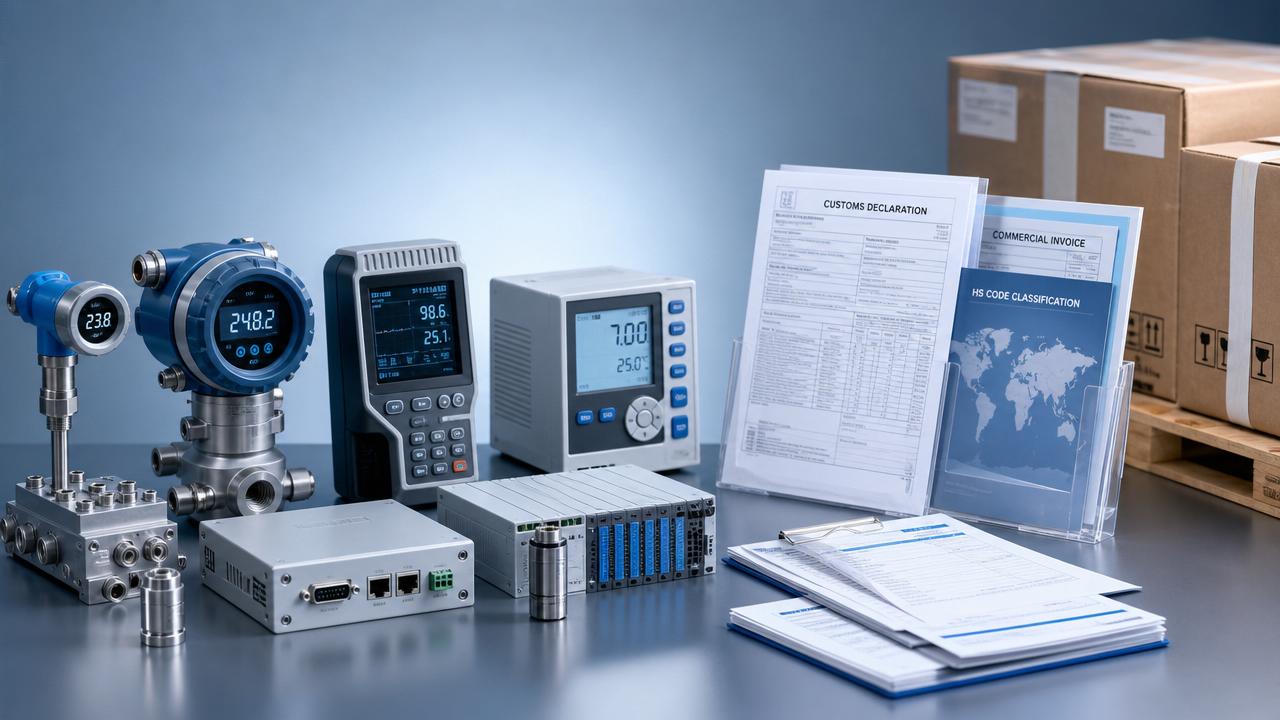
Where cargo is classified as instrument or precision equipment, companies should pay closer attention to consistency across shipping documents, technical descriptions, and any transaction files used by logistics partners. What deserves closer attention is not the creation of new paperwork requirements in the input, but the practical need to reduce friction when capacity is tighter and cargo handling becomes more selective.
Watch whether rail becomes part of execution rather than contingency
The event summary points to the Xi'an-Duisburg China-Europe rail route as an alternative, with a current transit time of 14 days and lower freight volatility than sea freight. Observably, companies with time-sensitive deliveries may need to assess whether alternative routing should be treated as a standing execution option for Q3 rather than only as a backup. That assessment should remain tied to actual order profiles and delivery obligations, since the input does not provide broader implementation detail.
Follow trade risk signals, not only freight quotations
The upward risk rating for high-value instrument exports means companies should monitor more than freight invoices. From an industry perspective, the more relevant issue is whether insurers, buyers, and channel partners begin adjusting their risk posture, payment expectations, or shipment approval rhythm. This is an area to track closely, because the input signals a change in risk assessment but does not establish a full downstream execution pattern.
Why This Looks More Like an Execution Signal Than a One-Day Price Move
Analysis shows that this development is better understood as an operational rule shift in trade execution rather than a simple transportation price update. The surcharge increase, quota treatment for precision instrument slots, and risk-rating adjustment together indicate that logistics access, cost predictability, and transaction risk are starting to move in the same direction. At the same time, it is more appropriate to understand this as an active execution signal, not a fully settled long-term market rule, because the input does not yet show how uniformly carriers, buyers, insurers, or channel partners will apply follow-up measures.
How the Market Should Read This Stage
At this stage, the event points to a real and already effective change in the cost and handling conditions for China’s instrument exports on key Asia-Europe routes. A neutral reading is that companies should treat it as a live logistics and trade-risk adjustment with immediate relevance for booking, delivery, and procurement coordination. It is more appropriate to understand this as a confirmed change in current execution conditions, while the full market response, including how counterparties revise their operating requirements, still needs continued observation.
Basis of This Article and What Still Needs Verification
This article is generated from the user-provided news title, event date, and event summary. For events of this kind, relevant source types typically include official notices, statements from regulatory or trade-related authorities, customs or trade administration releases, industry association updates, standard-setting documents, and reporting by recognized shipping or trade media. No specific official source link was provided in the input, so the precise official documentation still requires ongoing verification. Further observation is also needed on detailed execution language, carrier practices, insurance assessment application, tender or contract wording changes, market feedback, and how companies implement routing and delivery adjustments in practice.


 Asia-Europe Freight Surcharges Lift Costs for Instrument ExportsAsia-Europe Freight Surcharges are raising instrument export costs fast. See how HS 9026/9027 cargo, booking quotas, rail alternatives, and trade risk shifts could impact your supply chain.
 EU Opens Anti-Dumping Probe Into Chinese Welded Steel MeshEU anti-dumping probe into Chinese welded steel mesh could reshape instrumentation export costs, sourcing risk, and EU supply chain planning. Read the key impacts now.
 China Customs Rolls Out AI HS Tool for Instrument ExportsChina Customs rolls out an AI HS tool for instrument exports under HS Chapter 90. Learn how it improves classification accuracy, speeds clearance, and impacts export compliance.
 China Customs Launches Smart HS Tool for Instrument ExportsChina Customs Launches Smart HS Tool for Instrument Exports, boosting HS code accuracy to 98.2%. Learn how it improves compliance, reduces clearance risk, and supports smoother global instrument shipments.
 China Customs Launches Smart HS Tool for Instrument ExportsChina Customs launches a smart HS tool for instrument exports, helping manufacturers and exporters improve HS code accuracy, reduce compliance risks, and speed up customs clearance.
") China's Instruments Rise: 7 Firms in Global Top 25 (2026)China's Instruments Rise: 7 firms enter 2026 Global Top 25 — Hikvision #4, United Imaging & SUPCON debut. Key insights for procurement, compliance & AI-integrated instrumentation.
China's Instruments Rise: 7 Firms in Global Top 25 (2026)China's Instruments Rise: 7 firms enter 2026 Global Top 25 — Hikvision #4, United Imaging & SUPCON debut. Key insights for procurement, compliance & AI-integrated instrumentation.



Chat Online