


On October 26, 2026, STMicroelectronics announced its first automotive safety combination sensor for mass-market applications, bringing integrated motion sensing, ISO 26262 compliance, internal diagnostics and SafeSPI support into a single package. For vehicle manufacturers, automotive system suppliers and component procurement teams, the announcement may offer another option for developing safety and driver-assistance systems. From an industry perspective, its significance lies in how these capabilities could support existing functional safety expectations across a wider range of vehicles; the supplied information does not establish a new regulatory requirement or a revision to the standard.
Integrated Motion Sensing with ISO 26262 Compliance
According to the supplied announcement summary, the sensor series integrates a multi-axis accelerometer and a gyroscope in a single package. It complies with ISO 26262, includes comprehensive internal diagnostic functions and supports the SafeSPI interface.
STMicroelectronics positions the series for mass-market automotive applications. Its stated aim is to support broader adoption of advanced safety and driver-assistance systems in both premium and mass-market vehicles.
Safety Requirements Could Shape Supplier Evaluation
Vehicle Programs May Look Beyond Sensor Specifications
Analysis suggests that vehicle manufacturers evaluating this series may need to consider how its stated safety capabilities fit their intended applications. The practical procurement question is whether the available technical evidence supports a particular vehicle program's requirements. The supplied information does not specify the scope of the compliance claim or establish suitability for any individual vehicle system.
System Suppliers May Need to Examine Diagnostic Integration
For suppliers developing safety and driver-assistance systems, the combination of motion sensing, internal diagnostics and SafeSPI support could influence component selection and integration planning. Analysis suggests that these suppliers may wish to assess how diagnostic information would be handled within their systems and how the interface would fit their designs. Integration effort and validation outcomes remain matters for project-specific assessment.
Procurement and Validation Teams May Need Supporting Evidence
From a procurement perspective, the announcement could increase attention to the documentation accompanying the component. Buyers and teams responsible for compliance review may wish to examine the stated ISO 26262 scope, diagnostic descriptions and interface documentation before accepting the sensor against a project specification. These are suggested evaluation steps; the announcement does not introduce new purchasing rules or document requirements.
Documentation and Validation Deserve Early Attention
Clarify What the Compliance Statement Covers
As a practical recommendation, prospective users should request documentation explaining the ISO 26262 compliance statement and any conditions relevant to their application. The input does not identify a certification body, certificate, assessment scope or specific safety integrity level. Those details should therefore remain open verification points rather than assumptions in procurement or design approval.
Assess Diagnostics in the Intended System
Technical teams may wish to review the functions described as comprehensive internal diagnostics and assess how their outputs could support the intended safety design. Analysis suggests that confirming diagnostic behavior, system responses and relevant validation evidence would help determine whether the component meets project needs. The announcement alone does not establish those results.
Check SafeSPI Compatibility Before Design Commitment
Engineering and sourcing teams could review SafeSPI documentation against their proposed system architecture before committing to a component choice. The combination of interface support and integrated sensing may be relevant to design selection, but the supplied information does not demonstrate compatibility with any existing platform or establish that integration changes will be unnecessary.
Verify Supply Terms Separately from Product Positioning
Procurement teams may also wish to confirm ordering availability, qualification documentation and delivery commitments directly with the supplier. Positioning a product for the mass market does not, on the supplied evidence, establish its price, production volume or delivery schedule. Analysis suggests that purchasing plans should distinguish the announced technical offering from supply terms that still require confirmation.
A Product-Level Signal for Applying Existing Safety Standards
Editorial analysis suggests that this announcement is best understood as a product-level development supporting the application of existing functional safety expectations. The supplied material identifies ISO 26262 compliance but describes no amendment to the standard, new automotive regulation or mandatory adoption schedule.
The intended expansion into mass-market vehicles is relevant because it places safety-oriented component capabilities within a broader product strategy. Whether that positioning translates into wider deployment will require further evidence. Supporting technical documents, customer qualification results and subsequent industry feedback could help clarify the practical implications.
Broader Adoption Remains a Question for Execution
From an industry perspective, the combination of integrated motion sensing, internal diagnostics and SafeSPI support creates a concrete option for evaluation in automotive safety and driver-assistance projects. Its potential value will depend on application suitability, the evidence supporting compliance claims and the outcome of system validation.
At this stage, businesses can reasonably treat the announcement as a supplier development worth assessing against their technical and procurement requirements. It does not, on the information provided, establish a new compliance deadline, a change in trade rules or a confirmed shift in market adoption.
Announcement Basis and Details Still to Verify
This article is based exclusively on the user-provided news title, event date of October 26, 2026, and event summary. No specific official source link was supplied, and the announcement and its supporting details remain subject to further verification.
Relevant materials for subsequent checking could include the manufacturer's official announcement, product documentation and documents supporting the stated ISO 26262 compliance. Continued review should focus on the scope of that compliance statement, diagnostic and interface details, qualification evidence, availability information and industry feedback. Any later changes to customer specifications or acceptance practices would also need independent confirmation.



 STMicroelectronics Launches First Automotive Safety Combo Sensor for Mass MarketExplore STMicroelectronics' automotive safety combo sensor, featuring integrated motion sensing, stated ISO 26262 compliance and SafeSPI support for mass-market vehicle designs.
 Instrument Maker 301303 Raises Its 2026 Routine Related-Party Transaction EstimateInstrument maker 301303 raises its 2026 routine related-party transaction estimate. Explore what the board approval could mean for joint ventures, procurement and delivery planning.
 OPWILL Named a National Specialized and Innovative 'Little Giant' EnterpriseOPWILL reports national 'Little Giant' recognition for its optical communications test instruments. Explore what it means for domestic sourcing and informed supplier evaluation.
 Sanchuan Wisdom Signs Factory Construction Contract with ZhongkuangSanchuan Wisdom signs a construction contract with Zhongkuang for a smart water meter factory targeting 5 million units annually. Explore the expansion plan and key milestones ahead.
 Skyray Instruments Reports Over 45-Fold Rise in Net Profit in Third-Quarter ReportSkyray Instruments reports a 4,508.23% rise in nine-month net profit in its Q3 report. Explore what the results may mean for instrument buyers and supplier assessments.
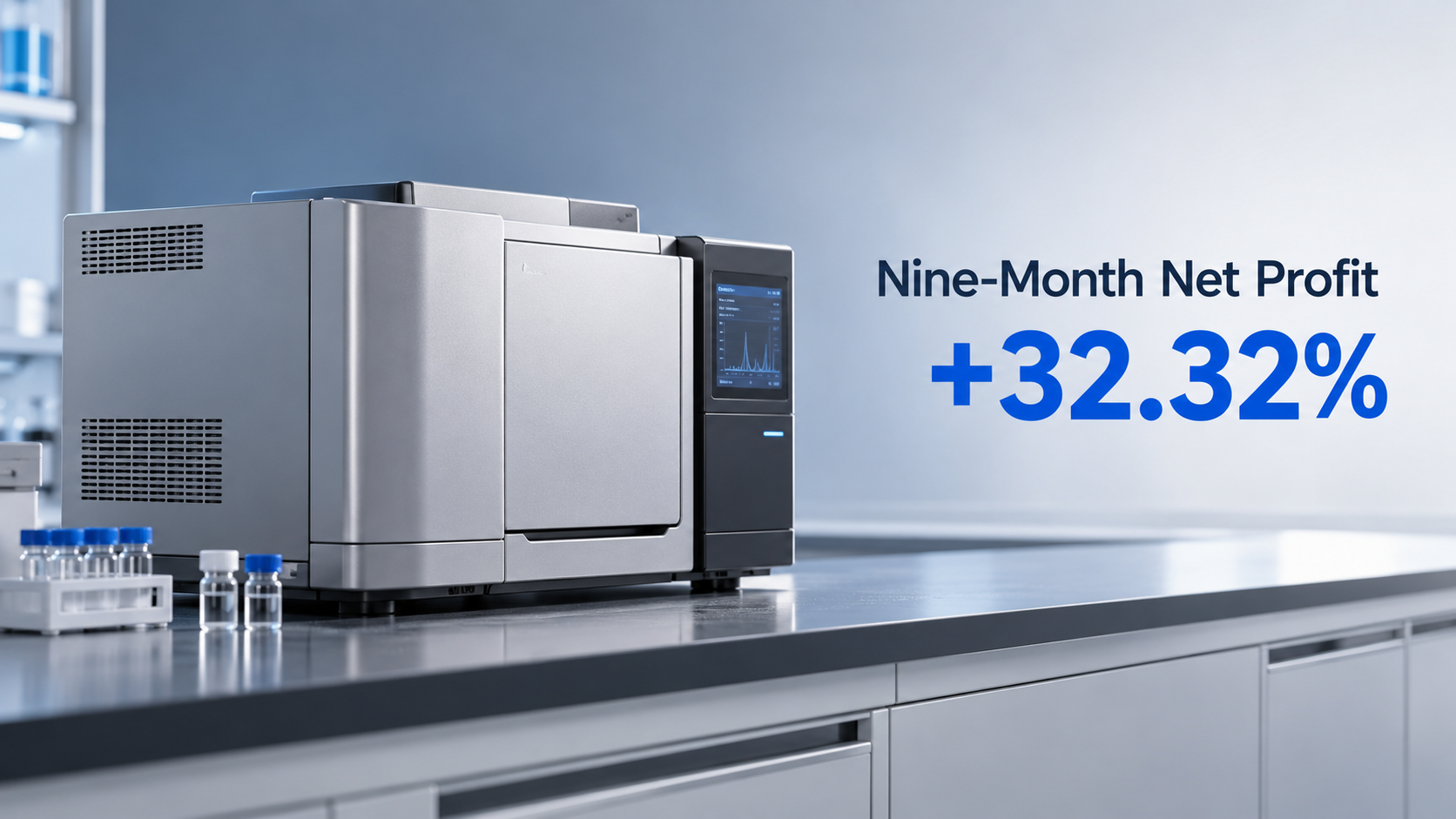
 Sundy Technology Reports 32.32% Rise in Net Profit for First Nine Months of 2026Sundy Technology reports 32.32% net profit growth for the first nine months of 2026. Explore revenue gains, laboratory analytical instrument performance and key earnings trends.


Chat Online