


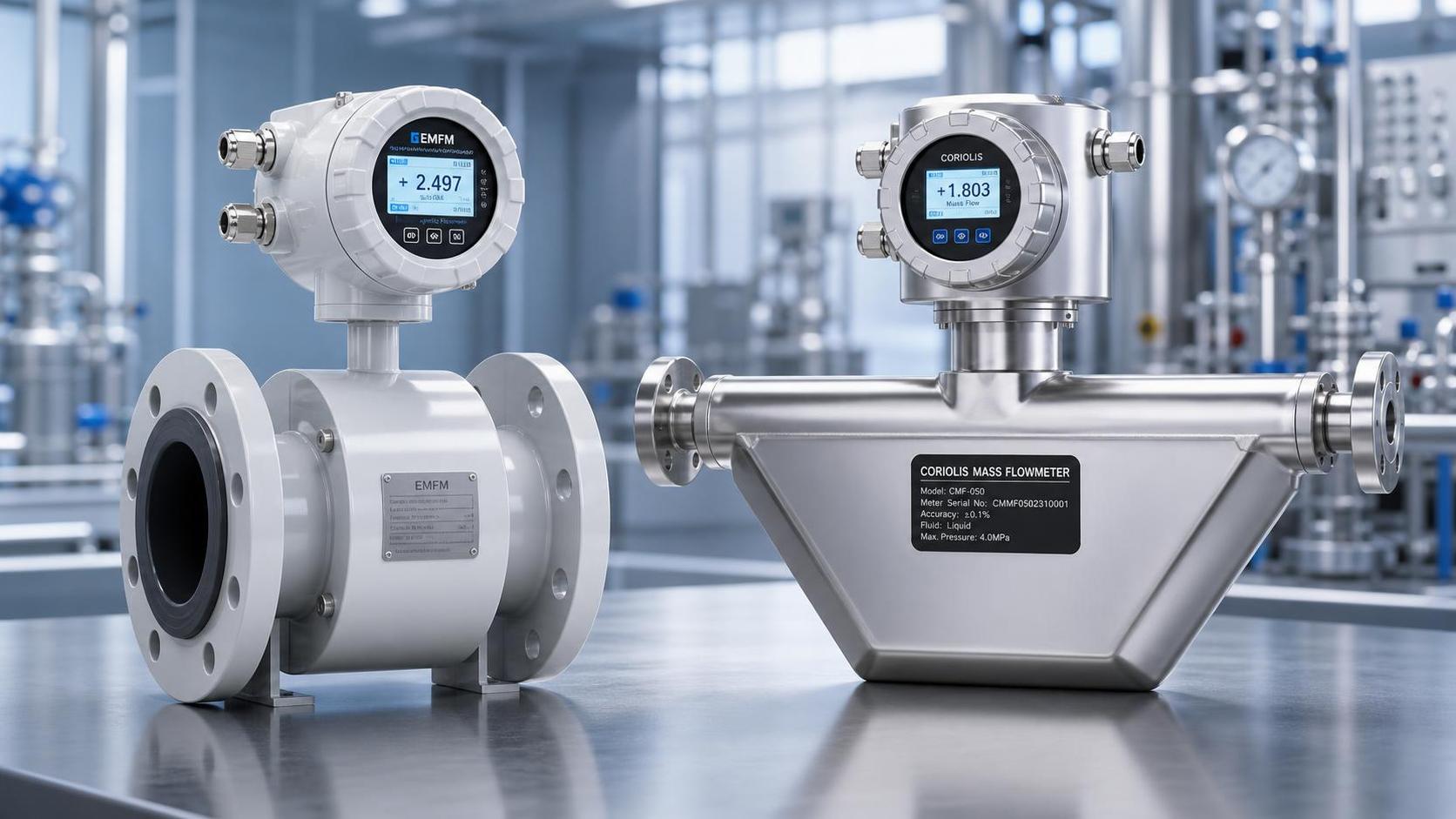
On June 1, 2026, the Saudi Standards, Metrology and Quality Organization, known as SASO, issued a mandatory technical notice requiring imported industrial flowmeters to complete AI-driven on-site calibration verification after entry from August 1, 2026. The rule is especially relevant to industrial instrumentation exporters, Middle East distributors, compliance service providers, and companies supplying Coriolis, electromagnetic, and ultrasonic flowmeters, because it directly affects import procedures, delivery timing, and compliance responsibilities.
Event Overview
According to the disclosed information, SASO issued a mandatory technical notice on June 1, 2026. Starting August 1, 2026, all industrial flowmeters imported into Saudi Arabia, including Coriolis, electromagnetic, and ultrasonic flowmeters, must complete AI-driven on-site calibration verification within 72 hours after entry.
The verification must be carried out by SASO-authorized institutions. Verification data will be uploaded in real time to the SASO national metrology platform. The disclosed notice indicates that the new requirement raises the import threshold and increases delivery complexity for imported industrial flowmeters entering the Saudi market.
Which Segments Are Affected
Industrial Flowmeter Exporters
Exporters of Coriolis, electromagnetic, and ultrasonic flowmeters are directly affected because the new rule adds a post-entry local verification step before products can move smoothly into commercial use or distribution. The impact is mainly reflected in compliance planning, delivery scheduling, and documentation coordination with SASO-authorized institutions.
From an industry perspective, exporters can no longer treat factory calibration or pre-shipment arrangements as the only relevant compliance checkpoint for Saudi-bound industrial flowmeters. The requirement for verification within 72 hours after entry makes local coordination a key part of export execution.
Middle East Channel Distributors
Channel distributors in the Middle East, especially those handling imports into Saudi Arabia, may face higher operational pressure. Because verification must be completed locally and within a defined time window, distributors need to coordinate customs entry, product handling, appointment timing with authorized institutions, and data submission processes.
Analysis shows that the main challenge for distributors is not only whether the product itself meets technical expectations, but whether the entire import and handover process can support the required on-site calibration verification within the stated timeframe.
Industrial End Users and Project Buyers
Industrial end users and project buyers that rely on imported flowmeters may be affected through delivery schedules and project acceptance timelines. If the verification process is delayed after entry, downstream installation, commissioning, or replacement plans may also be affected.
Observably, buyers involved in time-sensitive industrial projects should pay closer attention to whether suppliers and distributors can provide a clear compliance workflow for Saudi imports, rather than focusing only on product model, price, or factory documentation.
Supply Chain and Compliance Service Providers
Supply chain service providers, logistics coordinators, and compliance support teams may need to adjust their operating procedures for Saudi-bound industrial flowmeters. The rule creates additional coordination points after entry, including the arrangement of local verification and the real-time upload of data to the SASO national metrology platform.
It is more appropriate to understand this as a change in the import compliance chain. The requirement places greater importance on post-entry handling, authorized verification access, and communication between importers, distributors, and local compliance institutions.
Key Points to Watch and Practical Responses
Track Further Official Clarification
Companies should continue to monitor SASO-related official statements and any further implementation details connected with the August 1, 2026 effective date. What deserves closer attention now is whether additional procedural guidance will be released regarding verification arrangements, data upload requirements, documentation format, or product handling after entry.
Because the disclosed information confirms the core obligation but does not provide every operational detail, businesses should avoid making assumptions beyond the available notice. Internal compliance teams should record open questions and prepare to update procedures when more official information becomes available.
Review Saudi-Bound Product Categories
Exporters and distributors should identify which Saudi-bound products fall within the covered industrial flowmeter categories, including Coriolis, electromagnetic, and ultrasonic flowmeters. This review should be connected to order pipelines, shipment plans, and customer commitments scheduled around or after August 1, 2026.
From an industry perspective, companies with mixed product portfolios should separate affected flowmeter shipments from unaffected product lines in their planning. This helps prevent the new verification requirement from being overlooked during order processing or delivery scheduling.
Build Verification Timing Into Delivery Plans
The 72-hour post-entry verification requirement should be reflected in delivery timelines, customer communication, and project planning. Importers and distributors should consider how to coordinate entry timing, local handling, and SASO-authorized verification appointments to reduce the risk of delay.
Analysis shows that the practical issue is likely to appear at the interface between import arrival and local verification execution. Companies should therefore prepare shipment-level checklists that include responsible parties, required documents, expected verification timing, and communication contacts.
Distinguish Policy Signal From Operational Reality
The new notice sets a mandatory direction, but businesses still need to evaluate how implementation will work in actual import operations. It is more appropriate to understand this as both a compliance requirement and an operational adjustment that may affect lead times and coordination costs.
Companies should avoid treating the rule only as a documentation matter. The disclosed requirement involves physical on-site calibration verification and real-time data upload, so it should be incorporated into logistics, sales commitments, after-sales planning, and distributor agreements where relevant.
Editor’s View / Industry Observation
Observably, this SASO notice indicates a stricter compliance environment for imported industrial measuring instruments in Saudi Arabia. For industrial flowmeter suppliers, the important change is that compliance attention shifts from pre-export preparation alone to a combined process covering entry, local verification, and national metrology platform data submission.
Analysis shows that the rule is already more than a market signal because it specifies an effective date, covered product categories, a 72-hour verification window, authorized verification bodies, and real-time data upload. However, the actual business impact will still depend on how implementation procedures are carried out after August 1, 2026.
From an industry perspective, companies involved in Saudi industrial flowmeter trade need to keep this development under continuous observation because it may affect quotation terms, delivery promises, distributor responsibilities, and project acceptance planning. The core issue is not only technical calibration itself, but the integration of compliance verification into the import workflow.
Conclusion
The SASO requirement for AI-driven on-site calibration verification of imported industrial flowmeters marks a significant compliance adjustment for companies exporting to or distributing within Saudi Arabia. It affects exporters, channel distributors, industrial buyers, and supply chain service providers by adding a time-sensitive local verification step after entry.
It is more appropriate to understand this information as a concrete regulatory requirement that also sends a broader compliance signal to the industrial instrumentation market. Companies should respond with practical preparation: identify affected products, revise Saudi-bound delivery workflows, coordinate with local partners, and continue monitoring official implementation details.
Information Source Statement
Main source: Mandatory technical notice issued by the Saudi Standards, Metrology and Quality Organization on June 1, 2026, as described in the provided event information.
Items requiring continued observation: further official implementation details, operational procedures for SASO-authorized on-site verification, data upload requirements for the SASO national metrology platform, and practical execution after the August 1, 2026 effective date.


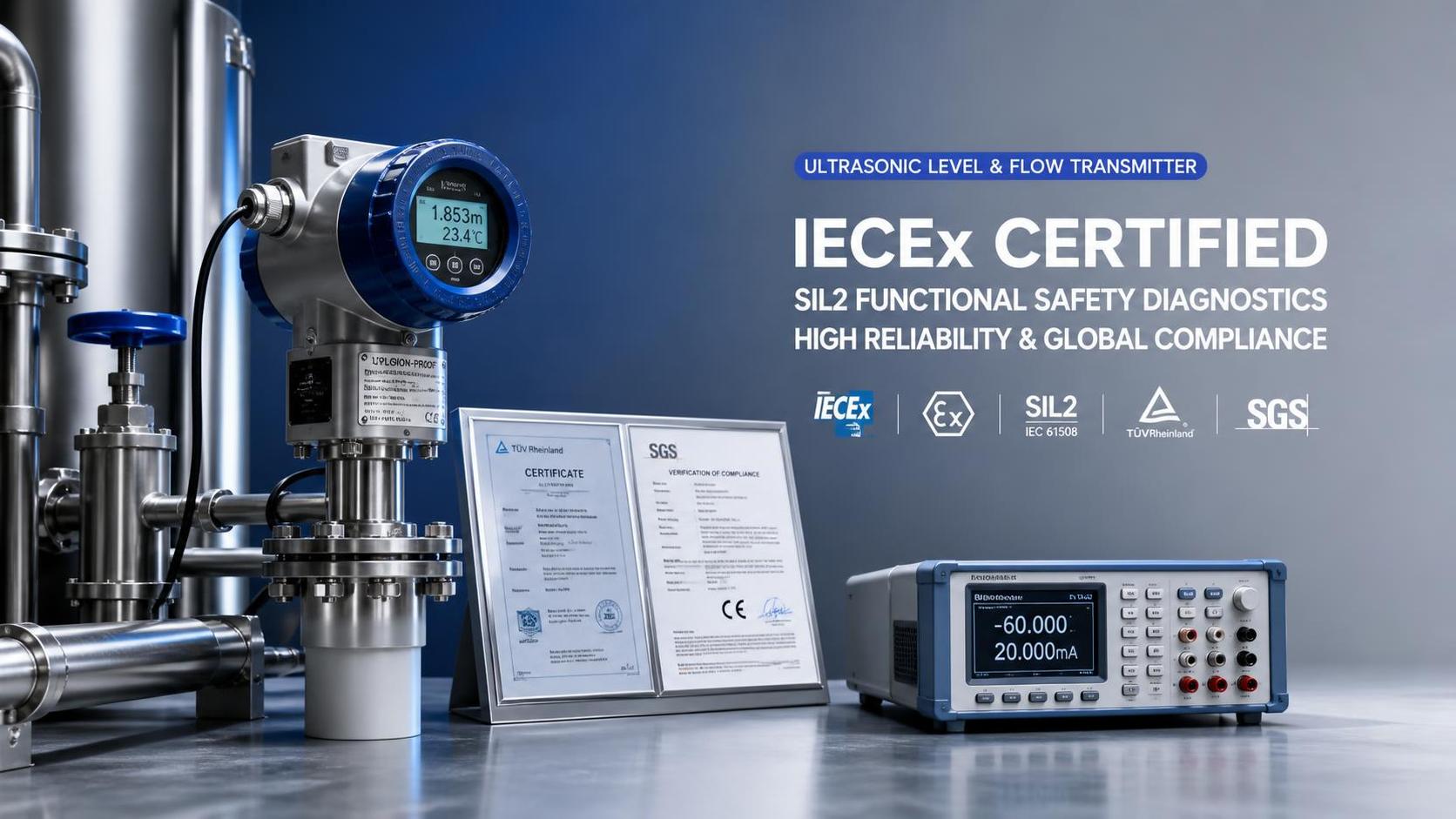
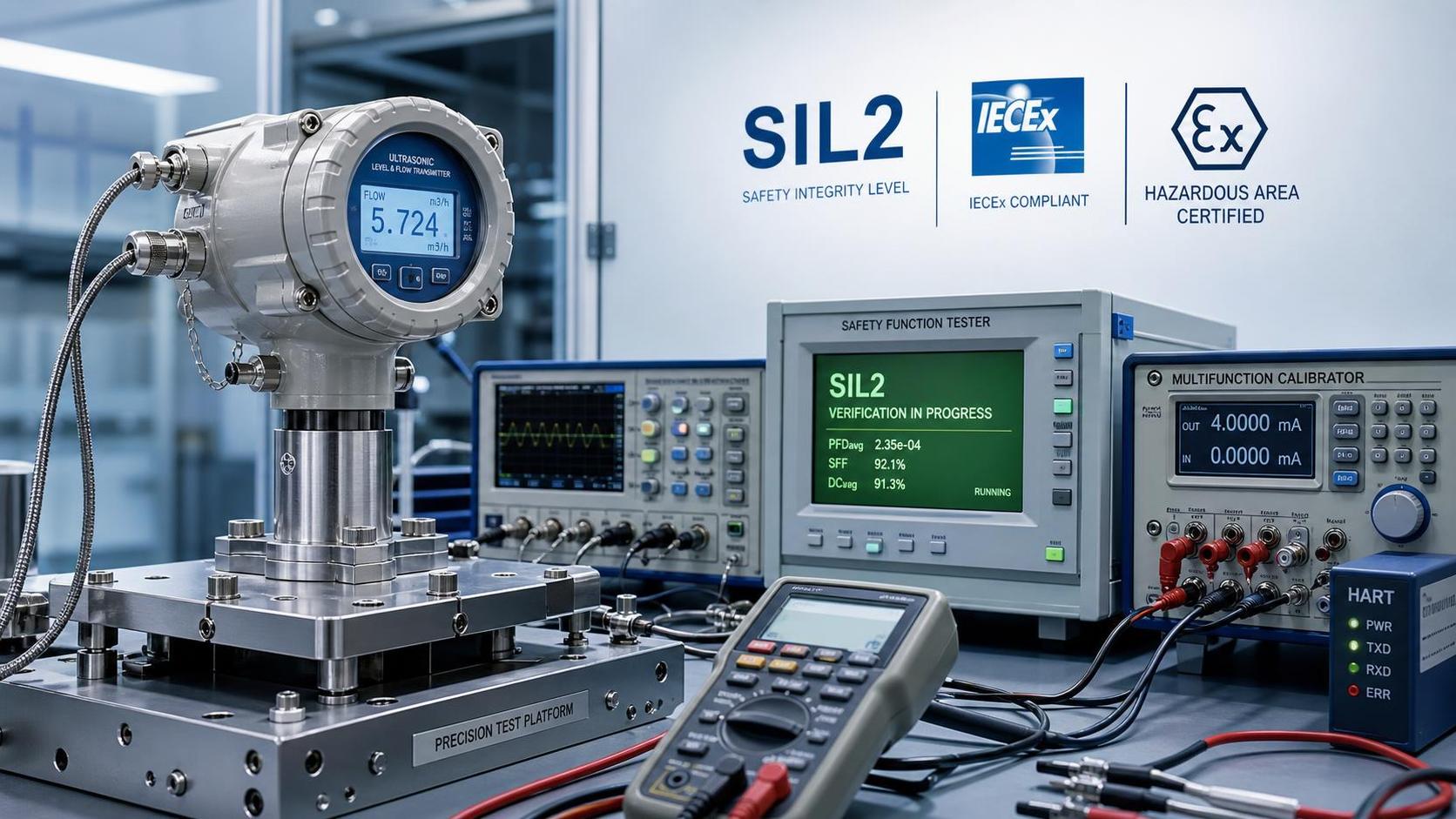
 New IECEx Rule Requires SIL2 Diagnostic Validation for Chinese Ultrasonic Transmitter ExportsIECEx rule update: SIL2 diagnostic validation is now required for Chinese ultrasonic transmitter exports. Learn how IEC 61508, 90% DC reports, and procurement risks affect bids and delivery.
 IECEx Rule Change Makes SIL2 Diagnostics Mandatory for Chinese Ultrasonic Transmitter ExportsIECEx now requires SIL2 diagnostics for Chinese ultrasonic transmitter exports, reshaping Ex d and Ex ia compliance. Learn what changes, who is affected, and how to stay ahead.
 IEC 61511-3:2026 Tightens SIL2 RulesIEC 61511-3:2026 tightens SIL2 rules for flow meters and pressure transmitters, adding HFT ≥ 1 and DC ≥ 90% requirements—see what suppliers, EPCs, and buyers must act on now.
 Q2 2026 Flowmeter Export Prices Rise 9.3%Flowmeter export prices rose 9.3% in Q2 2026, driven by high-end electromagnetic and Coriolis models. See what this means for buyers, contracts, and budgets.
 Saudi SASO Tightens Pressure Instrument RulesSaudi SASO tightens pressure instrument rules from 2026-10-01. Learn how local testing and registration reshape compliance, lead times, and market access for exporters.
 Saudi SASO Ends China Type-Approval Route for Pressure InstrumentsSaudi SASO ends the China type-approval route for pressure instruments, requiring full lab testing from Oct 2026. Learn the cost, lead-time, and compliance impact now.
Chat Online