


From April 1 to June 30, 2026, China’s latest customs statistics point to a clear pricing shift in flowmeter exports. The average export price reached $387 per unit, up 9.3% year on year, with the gain concentrated in higher-spec electromagnetic flowmeters and corrosion-resistant Coriolis mass flowmeters. Analysis shows this is more than a simple price move: it signals stronger bargaining power in the high-end segment and a need for importers, project buyers, and trading desks to reassess budget assumptions, contract pricing clauses, and delivery expectations in petrochemical and new-energy-linked procurement.
What the customs figures show
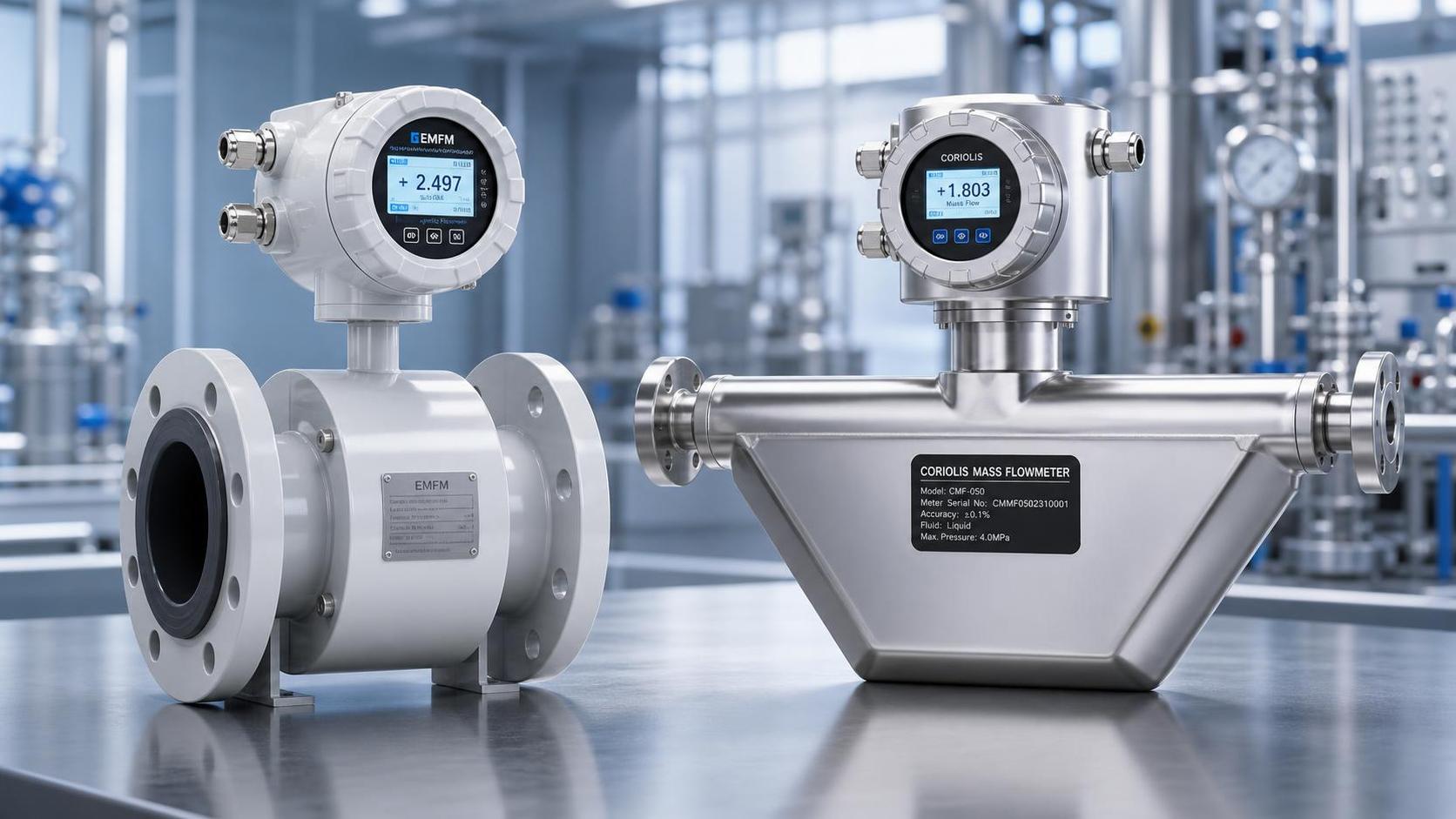
According to the customs data provided, the second quarter of 2026 saw China’s average export price for flowmeters rise to $387 per unit, compared with the same period a year earlier. The increase was mainly associated with a higher export share of high-precision electromagnetic flowmeters, which rose 14.2%, and corrosion-resistant Coriolis mass flowmeters, which rose 11.6%.
The reported end-use concentration was also specific: Middle East petrochemical projects and Southeast Asian photovoltaic hydrogen production plants accounted for the main downstream demand referenced in the data. Taken together, the figures describe a quarter in which the export mix moved toward more demanding applications and higher-specification products.
Where the pressure lands across the chain
Exporters and direct traders
For export-oriented vendors and trading firms, the immediate issue is pricing structure. A rising average export price can improve gross realization, but it also places more weight on product differentiation, specification alignment, and quotation discipline. For contracts tied to project delivery, traders need to watch whether the higher mix of electromagnetic and Coriolis units changes how offers are framed, especially when buyers compare long-term supply terms against spot quotations.
Purchasing teams and project owners
For importers and procurement teams, the main impact is on annual budget planning and the way long-term agreements are written. The data suggests that pricing for higher-end flowmeters is no longer anchored only to general commodity trends; specification, corrosion resistance, and application environment are becoming more visible in pricing discussions. That affects purchase orders, framework agreements, and the negotiation of revision mechanisms when demand is linked to petrochemical or hydrogen-related projects.
Certification and inspection-related services
For testing, inspection, and compliance-support services, the relevance is in document readiness. Higher-spec instruments used in chemical or energy applications often require clearer technical files, calibration records, and conformity documentation within the buyer’s own procurement workflow. What deserves closer attention is not a new rule stated in the data, but the likely tightening of buyer-side review of product files, acceptance criteria, and traceability materials.
What companies should watch next
Rework budget assumptions early
Analysis suggests importers should revisit annual purchase budgets before signing or renewing framework agreements. The reported price increase is meaningful because it reflects a mix shift, not just a broad inflationary move. Procurement teams should therefore separate standard models from high-precision or corrosion-resistant variants when setting target prices and approval thresholds.
Check contract pricing mechanics
For long-term agreements, the key point is pricing logic. If a contract does not distinguish product type, application condition, or performance grade, later revisions may become difficult to manage. It is more appropriate to review whether the contract allows for specification-based price adjustment, delivery-stage verification, and documentation matching before shipment.
Keep technical files aligned with buyer requirements
From an execution perspective, suppliers serving petrochemical and new-energy projects should keep technical documents, test records, and quality traceability files aligned with the expectations of the destination market and the buyer’s internal review. The available information does not confirm any new enforcement rule, so this should be treated as a preparedness issue rather than a concluded regulatory change.
How to read this signal
Observably, this is best understood as a market execution signal rather than a confirmed new rule. The customs data shows that higher-end flowmeters are gaining a stronger pricing position in export transactions, especially where industrial demand is tied to petrochemical and hydrogen-linked applications. That does not by itself prove a formal policy or certification shift, but it does show where commercial discipline is tightening first: product mix, buyer scrutiny, and contract pricing.
From an industry perspective, the most relevant takeaway is that price formation is moving closer to specification value. Companies operating in export, procurement, and compliance support should monitor whether this quarter’s mix shift continues into subsequent periods, whether buyer-side technical requirements become more explicit, and whether pricing terms in project contracts are adjusted accordingly.
Source basis and verification scope
This article is based on the title, event window, and summary you provided. It draws on the reported customs statistics and the accompanying product and end-market details only. No specific official source link was provided in the input. Typical source types for further verification would include customs releases, trade authority notices, industry association updates, standards-body documents, and authoritative media reports.
Further observation is still needed on any policy detail, certification wording, tender document changes, industry feedback, and how exporters and buyers actually implement revised pricing and documentation practices in the next contracting cycle.


 New IECEx Rule Requires SIL2 Diagnostic Validation for Chinese Ultrasonic Transmitter ExportsIECEx rule update: SIL2 diagnostic validation is now required for Chinese ultrasonic transmitter exports. Learn how IEC 61508, 90% DC reports, and procurement risks affect bids and delivery.
 IECEx Rule Change Makes SIL2 Diagnostics Mandatory for Chinese Ultrasonic Transmitter ExportsIECEx now requires SIL2 diagnostics for Chinese ultrasonic transmitter exports, reshaping Ex d and Ex ia compliance. Learn what changes, who is affected, and how to stay ahead.
 IEC 61511-3:2026 Tightens SIL2 RulesIEC 61511-3:2026 tightens SIL2 rules for flow meters and pressure transmitters, adding HFT ≥ 1 and DC ≥ 90% requirements—see what suppliers, EPCs, and buyers must act on now.
 Q2 2026 Flowmeter Export Prices Rise 9.3%Flowmeter export prices rose 9.3% in Q2 2026, driven by high-end electromagnetic and Coriolis models. See what this means for buyers, contracts, and budgets.
 Saudi SASO Tightens Pressure Instrument RulesSaudi SASO tightens pressure instrument rules from 2026-10-01. Learn how local testing and registration reshape compliance, lead times, and market access for exporters.
 Saudi SASO Ends China Type-Approval Route for Pressure InstrumentsSaudi SASO ends the China type-approval route for pressure instruments, requiring full lab testing from Oct 2026. Learn the cost, lead-time, and compliance impact now.
Chat Online