


Saudi Arabia’s SASO has moved to a local type-certification path for imported pressure instruments, with the new requirement taking effect on 2026-10-01. For exporters of pressure transmitters, differential pressure instruments, and absolute pressure instruments, the point of attention is no longer only product performance, but also the registration route, testing timeline, and compliance cost attached to market access in Saudi Arabia and the wider Middle East supply chain.
SASO has set a local testing and registration requirement
On 2026-08-12, the Saudi Standards, Metrology and Quality Organization (SASO) issued a revised mandatory technical regulation for pressure measurement instruments. According to the information provided, the regulation states that from 2026-10-01 onward, the mutual recognition pathway linked to China’s NIM type approval will no longer apply. All imported pressure instruments must undergo local type testing at SASO-authorized laboratories and complete registration through the local process.
The information does not provide the full text of the regulation or any additional implementation details beyond this transition date and the removal of the NIM recognition route.
What changes for exporters, importers, and channel partners
Cross-border suppliers face a new access step
For Chinese exporters of pressure transmitters and differential or absolute pressure instruments, the most direct impact is on market entry timing. A product that previously relied on the NIM recognition route will now need local testing and registration before shipment planning can be treated as complete for Saudi market access. That affects order lead times, documentation preparation, and the sequencing of delivery commitments.
Importers and distributors need to reassess delivery schedules
Importers, agents, and distribution partners are affected because the compliance step moves closer to the destination market. In practical terms, the testing and registration stage may become part of the commercial timeline rather than a background formality. This makes booking windows, customer delivery promises, and contract milestones more sensitive to compliance status.
Compliance service providers become part of the execution chain
Laboratories, certification handlers, and other compliance intermediaries are also pulled into the process, since the rule requires testing by SASO-authorized laboratories. For these service providers, the change is not about demand estimates, but about handling more local procedure work and helping exporters organize the necessary technical materials in a format suitable for the Saudi route.
What companies should pay attention to now
Check whether current product files are enough for local testing
Companies exporting pressure instruments should immediately review whether their existing technical dossiers can support local type testing and registration. The key issue is not a general product statement, but whether the materials already prepared for other markets can be reused in the Saudi process without gap.
Rework the sales timeline around the 2026-10-01 date
Because the new rule takes effect on 2026-10-01, firms should align quotation, order acceptance, and shipment planning with the new compliance date rather than the old recognition path. Where sales talks are already underway, the practical question is whether the customer’s required delivery date leaves enough room for local testing and registration.
Separate policy signal from execution reality
At the policy level, the direction is clear: Saudi Arabia is shifting toward local testing and registration for this product category. At the execution level, companies still need to wait for the detailed operational effects of the rule as applied through the authorized laboratory process. That distinction matters because business teams often overread the policy headline before the real workflow has been tested in practice.
Keep customer communication and contract wording aligned
Suppliers and traders should communicate the change early to Saudi customers and downstream partners, especially where delivery date, acceptance condition, or document handover is tied to market entry. Contract language, internal handoffs, and customs-related preparations should all be checked against the new local certification requirement.
How to read this signal
From an industry perspective, this is best understood as a concrete regulatory change rather than a general market trend. It does not by itself tell us how broad the downstream commercial effect will be, but it does show that market access for pressure instruments in Saudi Arabia is being tied more tightly to local testing and registration. What deserves closer attention is whether similar compliance requirements are extended or adjusted in related instrument categories, and how quickly exporters adapt their documentation and lead-time planning to the new process.
What this means in practice
The immediate takeaway is straightforward: the old mutual-recognition route with NIM is no longer the path to rely on for these products after 2026-10-01. For companies active in pressure transmitters, differential pressure instruments, and absolute pressure instruments, this is a compliance and delivery-planning issue first, and a market-access signal second. It is more appropriate to understand this as a rule change that requires operational adjustment, while the wider industry impact still needs to be observed as implementation progresses.
Source note
This article is based on the user-provided title, event date, and event summary. Related source types for this kind of update would normally include official regulatory notices, SASO documents, industry association updates, and authoritative media reports. Specific official source links were not provided in the input and still need to be verified as implementation develops.


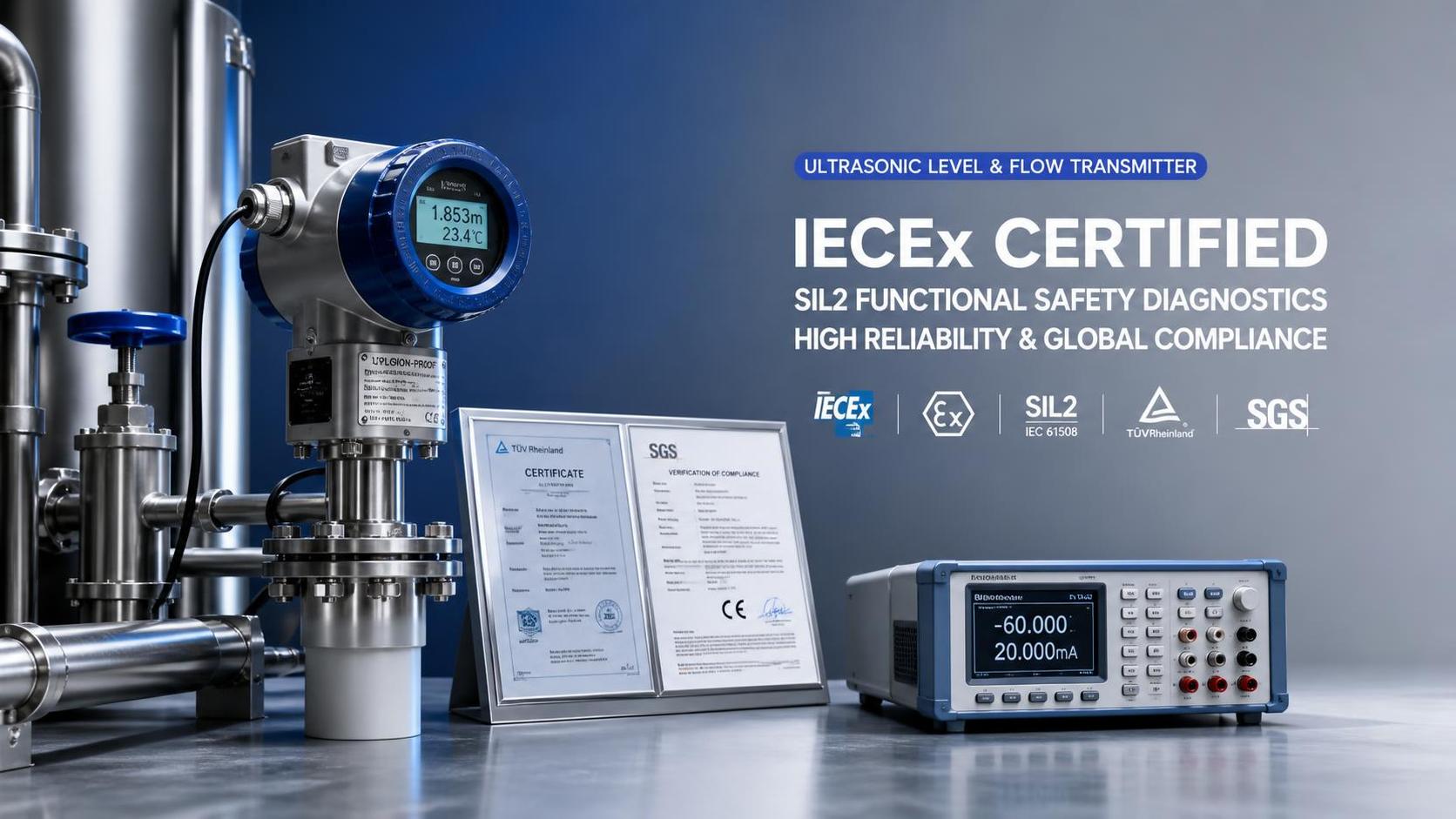
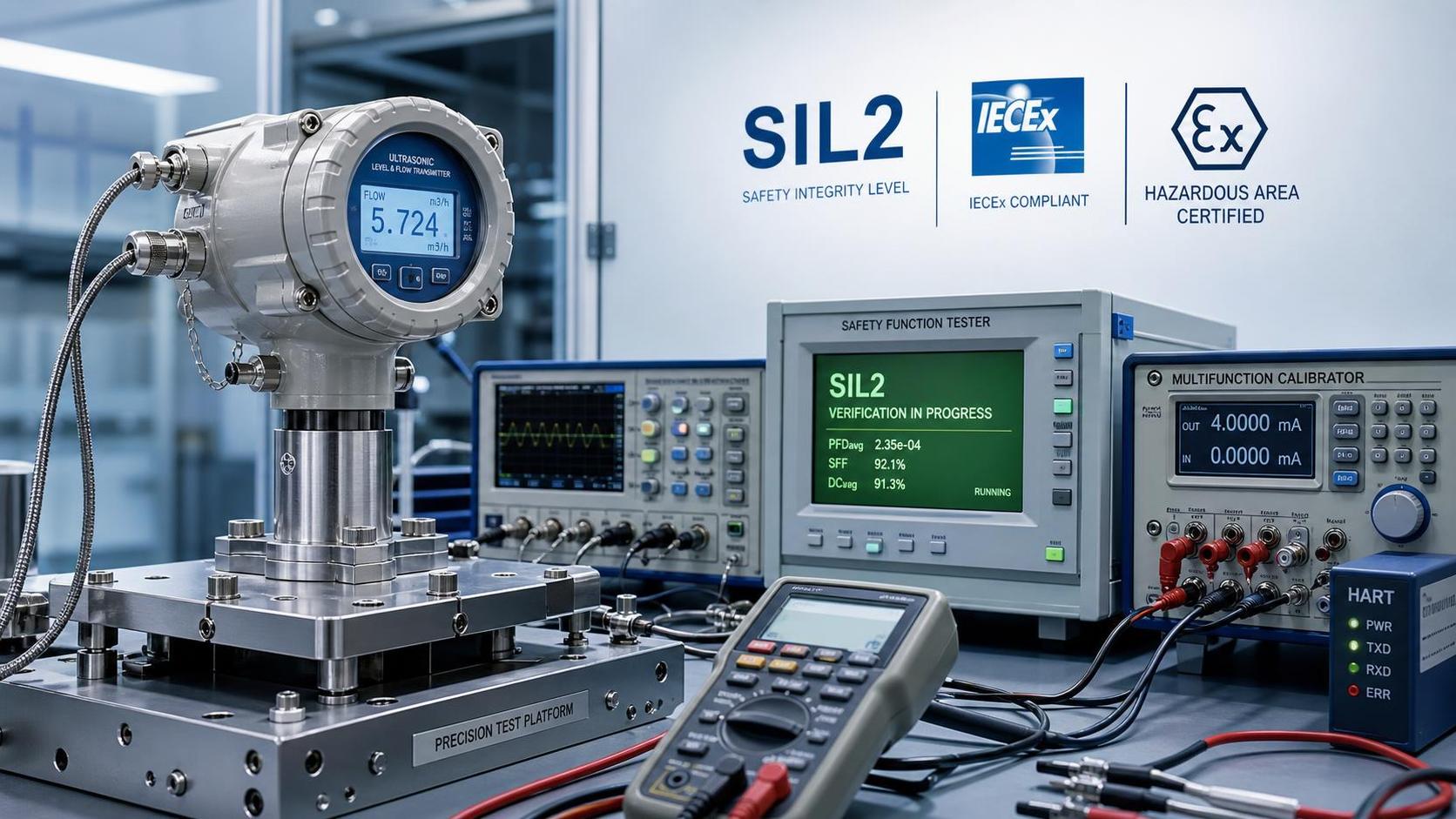
 New IECEx Rule Requires SIL2 Diagnostic Validation for Chinese Ultrasonic Transmitter ExportsIECEx rule update: SIL2 diagnostic validation is now required for Chinese ultrasonic transmitter exports. Learn how IEC 61508, 90% DC reports, and procurement risks affect bids and delivery.
 IECEx Rule Change Makes SIL2 Diagnostics Mandatory for Chinese Ultrasonic Transmitter ExportsIECEx now requires SIL2 diagnostics for Chinese ultrasonic transmitter exports, reshaping Ex d and Ex ia compliance. Learn what changes, who is affected, and how to stay ahead.
 IEC 61511-3:2026 Tightens SIL2 RulesIEC 61511-3:2026 tightens SIL2 rules for flow meters and pressure transmitters, adding HFT ≥ 1 and DC ≥ 90% requirements—see what suppliers, EPCs, and buyers must act on now.
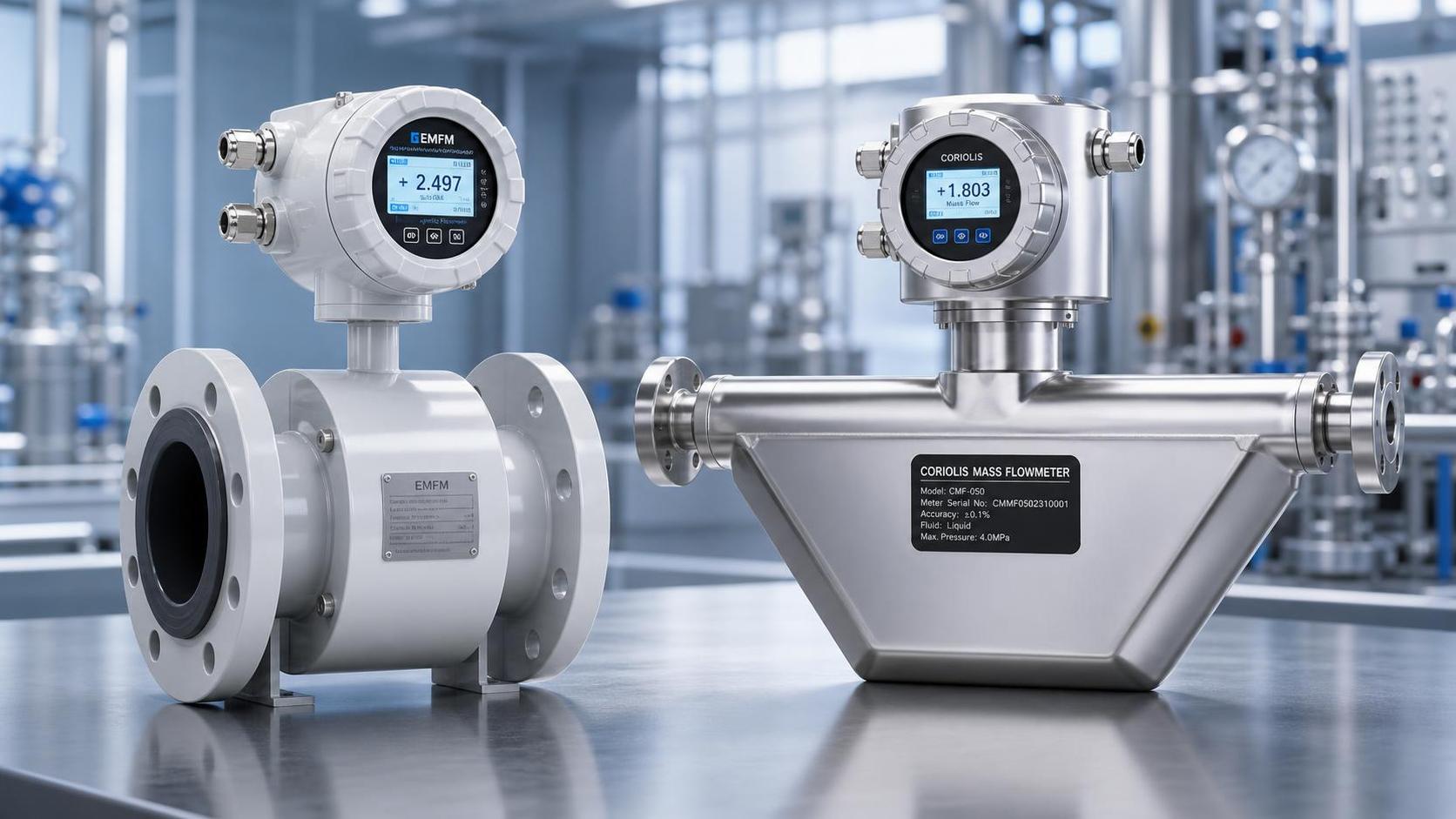
 Q2 2026 Flowmeter Export Prices Rise 9.3%Flowmeter export prices rose 9.3% in Q2 2026, driven by high-end electromagnetic and Coriolis models. See what this means for buyers, contracts, and budgets.
 Saudi SASO Tightens Pressure Instrument RulesSaudi SASO tightens pressure instrument rules from 2026-10-01. Learn how local testing and registration reshape compliance, lead times, and market access for exporters.
 Saudi SASO Ends China Type-Approval Route for Pressure InstrumentsSaudi SASO ends the China type-approval route for pressure instruments, requiring full lab testing from Oct 2026. Learn the cost, lead-time, and compliance impact now.
Chat Online