


On December 31, 2026, market attention remained focused on a BIS rule change affecting online pH and conductivity instruments used in the food industry. The latest notice shifts the mandatory registration deadline under IS 17562:2025 from September 30, 2026 to December 31, 2026, while also adding a document requirement for new import batches. For importers, local distributors, procurement teams, compliance functions, and suppliers involved in food processing instrumentation, the update matters because it changes both the timing of market access preparation and the documentation expected at the import stage.
What the notice changes
According to the provided event summary, the Bureau of Indian Standards issued Notice No. BIS/CD/2026/112 on August 4, 2026. The notice postpones the implementation deadline for mandatory registration under IS 17562:2025, "Online Analytical Instruments for Food Processing," from the previously scheduled date of September 30, 2026 to December 31, 2026.
The same notice states that the extension is intended to ease compliance preparation pressure on importers and local distributors. At the same time, it requires all new import batches to be accompanied by a conformity declaration signed by a BIS authorized representative.
Where the practical impact is likely to appear
Import and market-entry workflows
From an industry perspective, import-oriented businesses are the first group likely to feel the effect of this change because the notice directly alters the registration timeline and adds a batch-level documentation expectation. The immediate impact is likely to appear in import filing readiness, shipment document review, and coordination with the BIS authorized representative. What deserves closer attention is that the deadline relief does not remove compliance pressure entirely; it redistributes that pressure toward documentation control for new imports during the extension period.
Local distribution and channel coordination
Local distributors may also be affected because the stated purpose of the delay is to reduce their compliance preparation burden. Analysis shows that this may give distributors more time to align product files, internal document checks, and handover requirements with upstream suppliers. At the same time, any distributor handling new imported batches should pay attention to whether the required conformity declaration is complete and properly signed, since documentation gaps could affect downstream delivery arrangements or customer acceptance.
Procurement and project delivery planning
Buyers and procurement teams involved in food processing equipment or instrumentation sourcing may need to recheck purchasing schedules and supplier submissions. Observably, the rule change can influence how procurement teams review compliance status during the extended transition period, especially where imported online pH or conductivity instruments are part of delivery packages. The issue is less about a broad policy shift and more about whether ordered products can move with the required declaration and whether tender or purchase documentation needs to reflect the updated deadline.
Compliance, certification, and support services
Certification-related service providers, document review teams, and after-sales support functions may also need to adjust their work. Analysis shows that the extension creates a limited additional window for preparation, but the requirement for a conformity declaration introduces a practical control point that may affect product release, customs-facing paperwork, and post-sale traceability. For service providers, the key point is likely to be document accuracy and timing rather than any confirmed expansion of the rule itself.
What companies should monitor during the extension window
Check whether shipment documents match the updated requirement
Companies dealing with new import batches should closely review whether the required conformity declaration signed by a BIS authorized representative is incorporated into shipment and compliance files. The provided information does not describe the detailed format or review mechanism, so this should be treated as a point for ongoing verification rather than an already standardized process.
Revisit compliance timelines instead of treating the delay as a full reprieve
Analysis shows that the revised deadline gives affected parties more time, but it should not be read as a suspension of compliance work. Businesses may need to reassess registration preparation schedules, internal approval timing, and coordination between overseas suppliers and local entities so that the added time is used for completion rather than deferral.
Review procurement, tender, and delivery documents
Where online pH or conductivity instruments are included in bids, procurement packages, or project deliveries, companies should review whether compliance references, delivery assumptions, and supporting documentation remain aligned with the new date and the declaration requirement. Since no further execution details were provided in the input, any document revision should be based on caution and follow-up confirmation.
Continue tracking official wording and execution practice
What deserves closer attention is whether subsequent official statements, market practice, or customer-side document expectations further clarify how the declaration requirement will be checked in practice. For now, the notice should be monitored not only as a calendar adjustment but also as a signal that documentation control may remain active during the transition period.
How this update is best understood at this stage
Observably, this development is more than a simple postponement notice, because the extension is paired with a continuing import-document requirement. That combination suggests a transitional enforcement signal rather than a complete relaxation of compliance expectations. At the same time, it would be premature to treat the notice as a fully settled execution framework, because the input does not provide detailed operational guidance, review procedures, or downstream enforcement examples.
From an industry perspective, the most reasonable reading is that BIS has adjusted timing to reduce immediate preparation pressure, while still preserving a documentary control mechanism for new imports. That makes the update relevant to day-to-day trade and delivery management, not only to formal registration planning.
Why the market should keep watching this notice
The significance of this event lies in its practical effect on timing and documents at the same time. It is more appropriate to understand this as an implemented change with immediate compliance relevance, but also as a rule development that still requires continued observation around execution language, document expectations, and market response. For affected businesses, the current priority is not broad speculation but disciplined monitoring of import paperwork, procurement references, and registration preparation against the new December 31, 2026 deadline.
Basis of this article and points requiring further verification
This article is based on the user-provided news title, event date, and event summary. For developments of this type, commonly relevant source categories may include official notices, regulatory publications, customs or trade authority information, industry association updates, standards organization documents, and reporting from authoritative trade media.
No specific official source link was provided in the input, so the original publication path and any subsequent interpretive materials still need to be verified on an ongoing basis. Analysis should therefore remain subject to further checking against later policy detail, certification practice, tender document changes, market feedback, and actual implementation by affected companies.


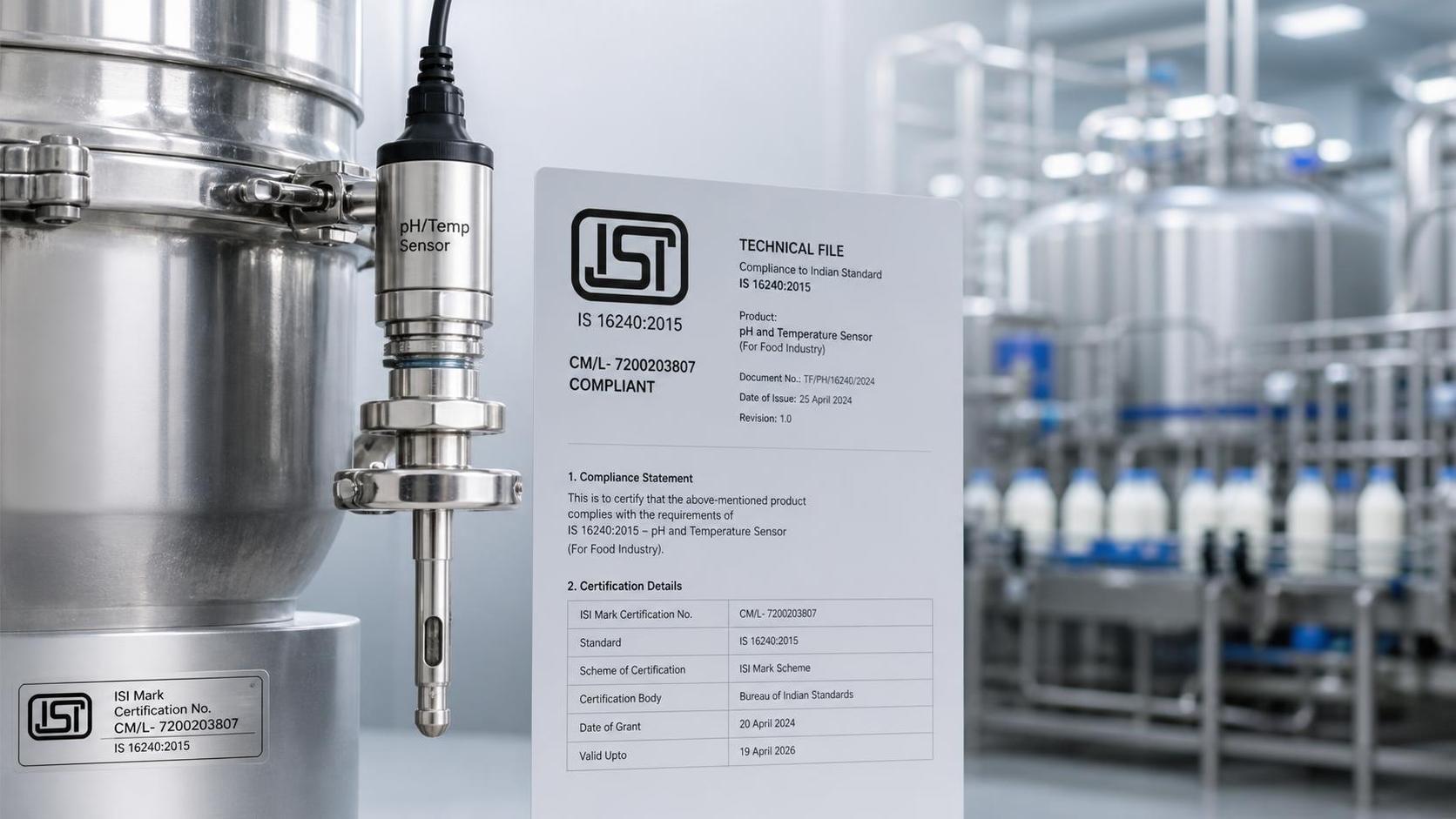
 India Starts BIS Certification for Food-Grade Combo SensorsIndia starts BIS certification for food-grade combo sensors from Dec 1, 2026. Learn how BIS, CRS, ISI mark and probe material rules affect imports, procurement and market access.
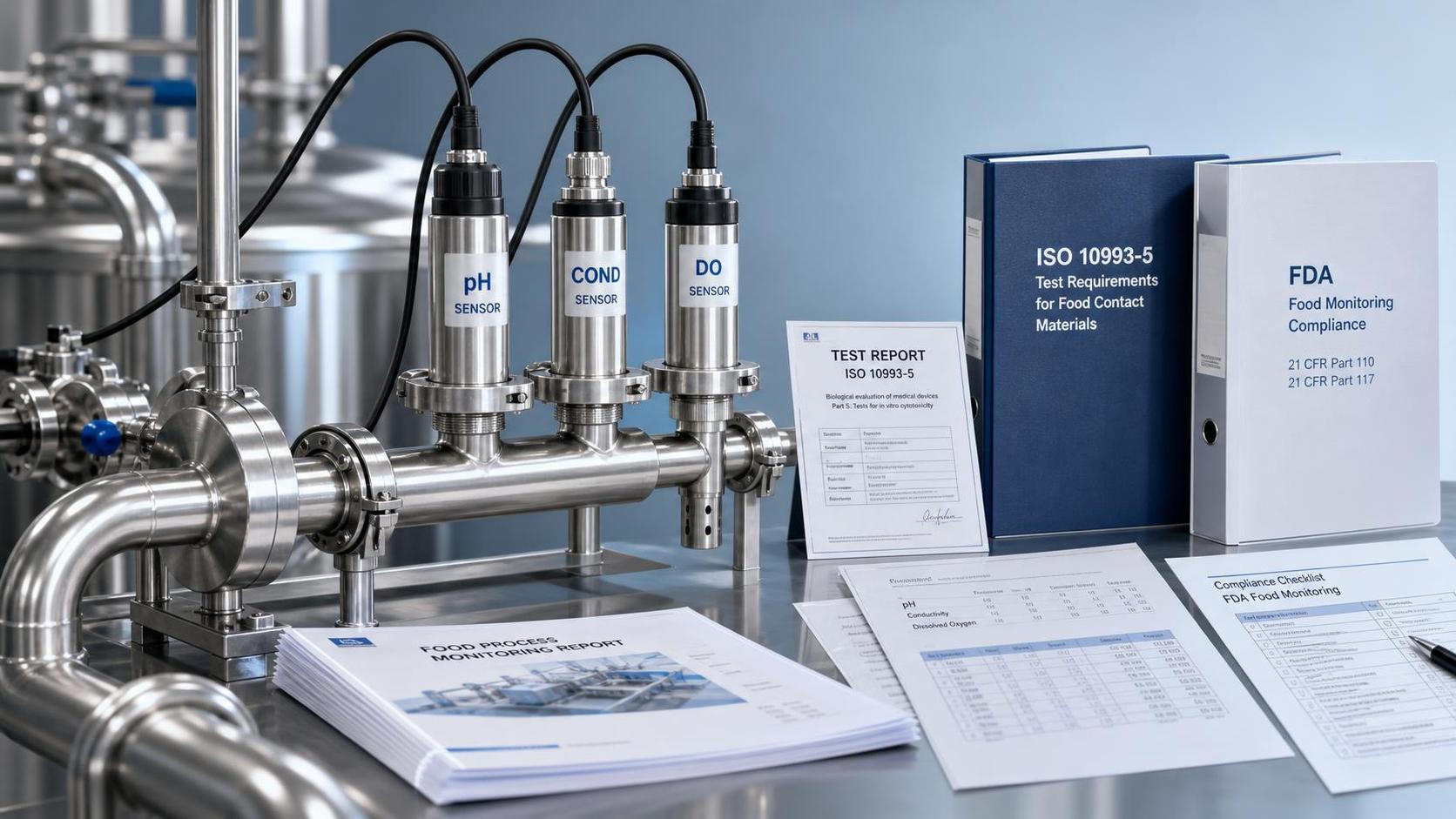
 FDA Sets ISO 10993-5 Test Rule for Food SensorsFDA Sets ISO 10993-5 Test Rule for Food Sensors: learn how the 2027 requirement affects pH, conductivity, and dissolved oxygen sensors, U.S. market access, and compliance planning.
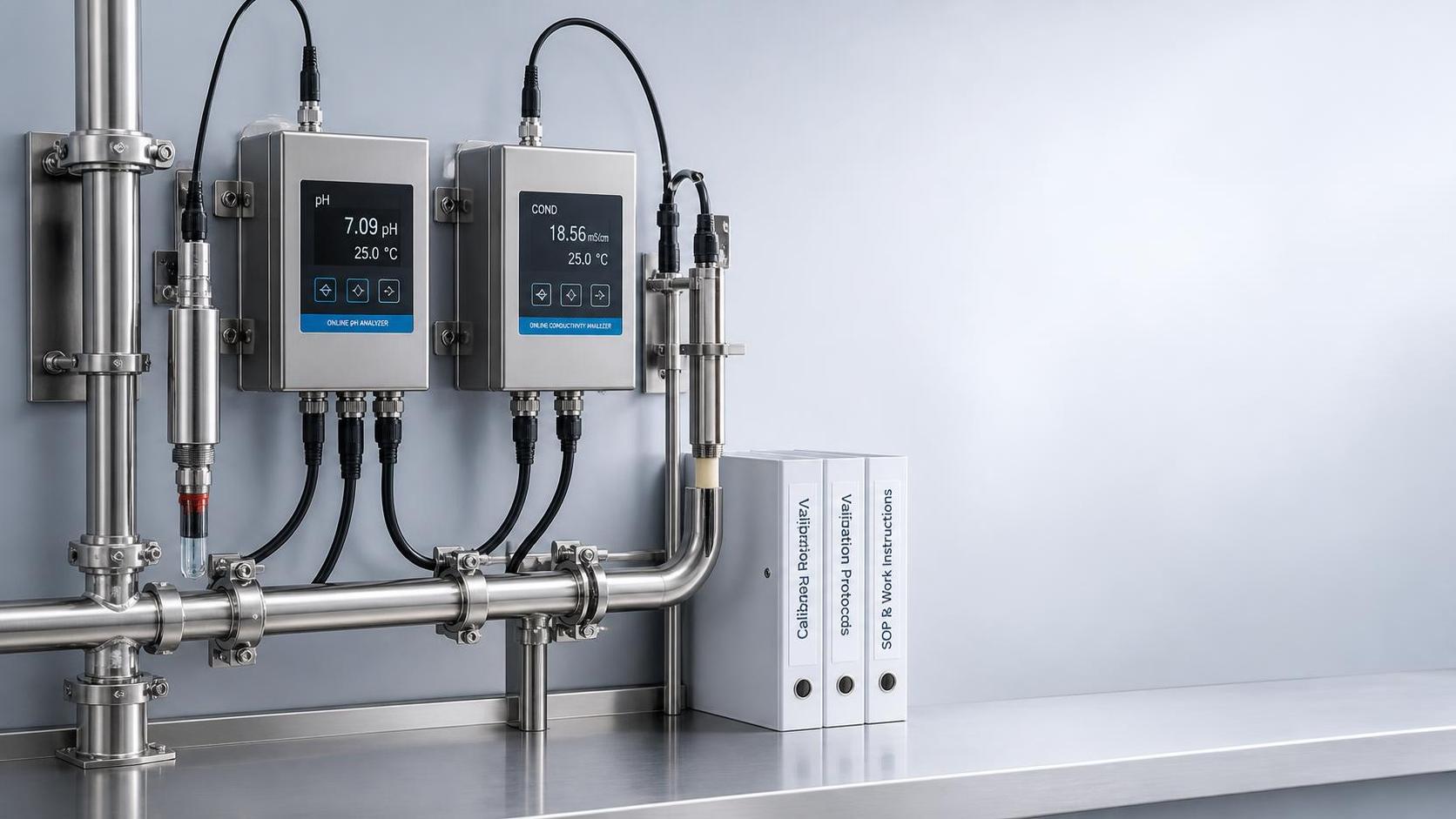
 India Delays BIS Registration Deadline for Food Process AnalyzersIndia Delays BIS Registration Deadline for Food Process Analyzers to Dec 31, 2026. Learn how the new rule and import declaration requirement affect compliance, sourcing, and market access.
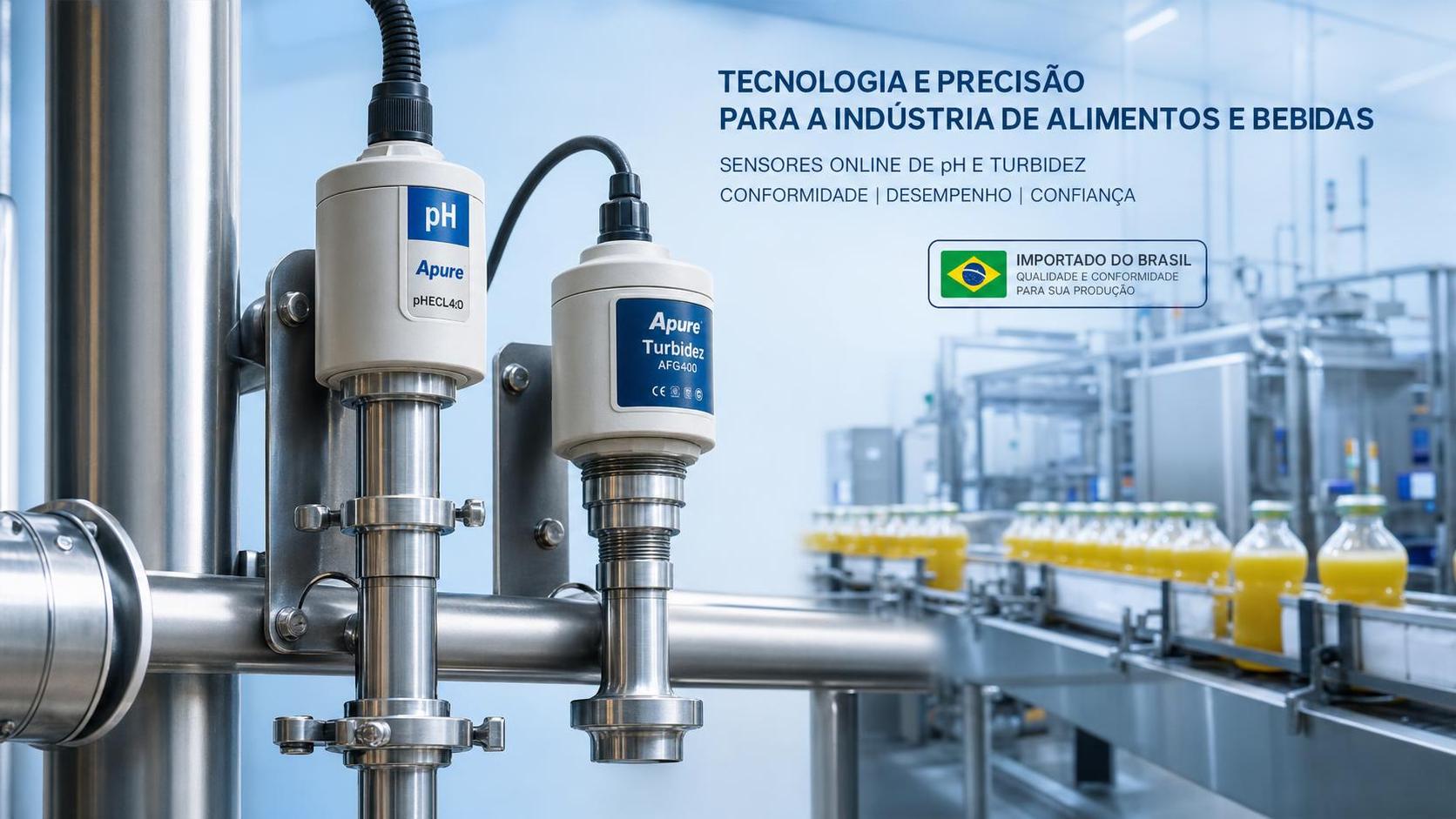
 Brazil ANVISA Rule Brings Food Line Sensors Under RDC 216/2026Brazil ANVISA Rule puts food line sensors under RDC 216/2026, making ANVISA registration essential for pH sensors and turbidimeters. Learn the compliance risks and trade impact.
 CAC Expands Migration Testing to Online pH/DO SensorsOnline pH/DO sensors now face stricter migration testing under revised CAC rules. Learn how ISO 21894:2025 affects food-grade analyzer exports, compliance, and certification.
 Vietnam Mandates VINAQ Certification for HACCP InstrumentsVietnam Mandates VINAQ Certification for HACCP Instruments: learn how new QR traceability and certification rules impact pH, DO, and conductivity analyzers for export food plants.

Chat Online