


On August 1, 2026, the Codex Alimentarius Commission (CAC) released a revised Operational Guideline for Migration Testing of Food Contact Materials and Articles, bringing online pH and dissolved oxygen (DO) sensors used in dairy, beverage, and fermented food production lines into a stricter compliance frame. For manufacturers, exporters, buyers, certification teams, and testing service providers, the change matters because sensor membrane materials, electrolytes, and housing materials are now tied to third-party migration reporting under ISO 21894:2025, which directly affects export certification routes for China-made food-grade online analyzers heading to markets in Europe, the Middle East, and Southeast Asia.
What the revised CAC guideline now covers
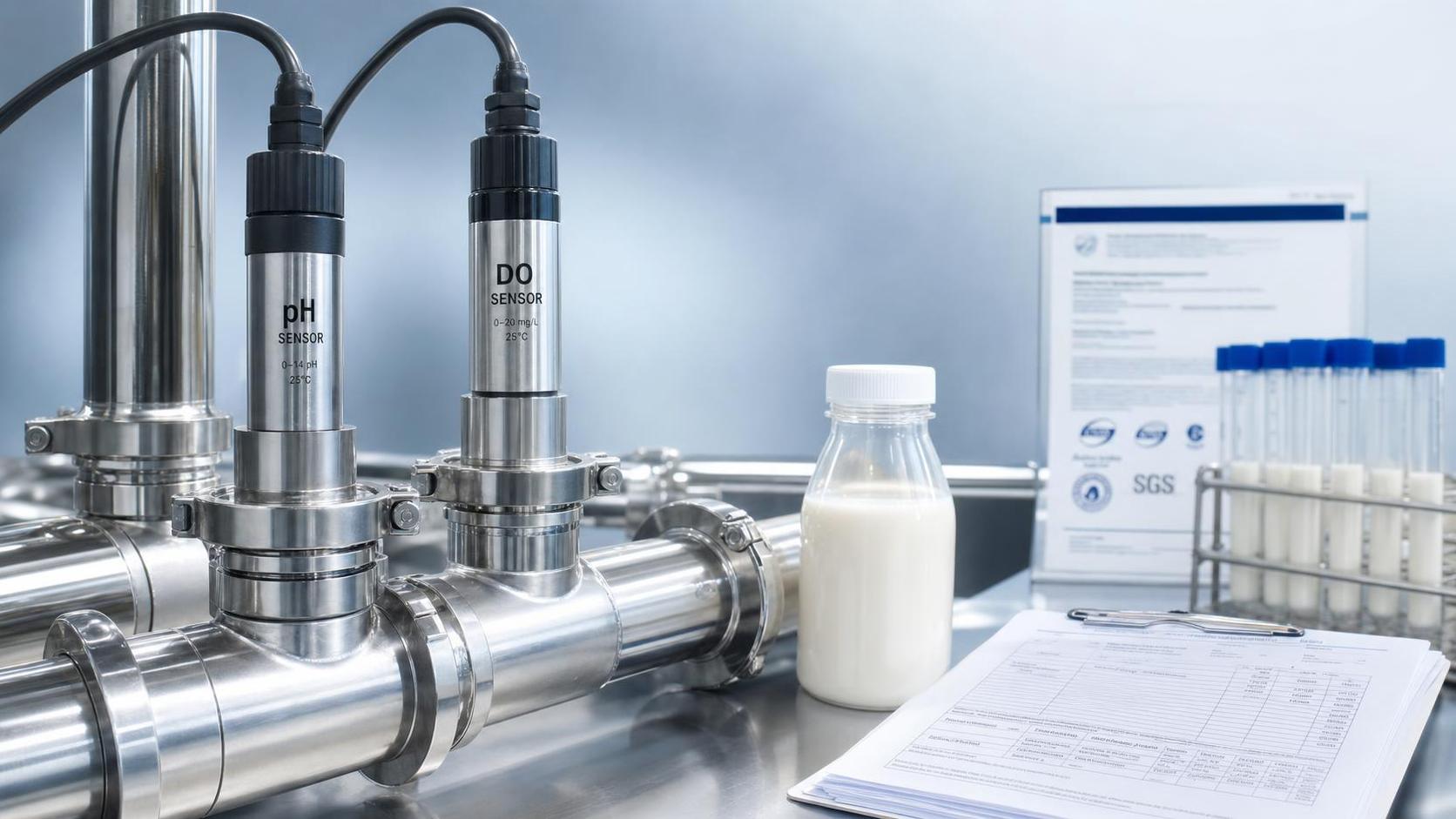
According to the provided event information, CAC issued the revised Operational Guideline for Migration Testing of Food Contact Materials and Articles on August 1, 2026, under the designation CAC/GL 10-2026. The update, for the first time, classifies online pH and DO sensors used on dairy, beverage, and fermented food production lines as “high-risk contact components.” It also requires third-party migration reports compliant with ISO 21894:2025 for sensor membrane materials, electrolytes, and housing materials. The provided summary further states that this adjustment will affect the export certification pathway for Chinese food-grade online analyzers in European, Middle Eastern, and Southeast Asian markets.
Where the compliance pressure is likely to appear first
Export certification moves closer to material-level review
From an industry perspective, exporters of food-grade online analyzers are likely to feel the change first because the rule now points directly to specific sensor materials rather than only to the finished instrument category. The practical effect is likely to show up in certification preparation, document completeness, and the ability to present third-party migration evidence that matches the listed sensor parts.
Procurement and specification alignment may become more document-driven
For buyers and procurement teams in food processing projects, the updated rule raises the importance of checking whether online pH and DO sensors are supported by compliant migration test documentation for membrane materials, electrolytes, and housings. What deserves closer attention is that procurement review may no longer stop at functional performance or sanitary design claims; supporting compliance documents may become a more visible part of vendor comparison, technical review, and delivery acceptance.
Testing and certification service providers may face a narrower evidence standard
Certification-related firms and testing service institutions may be affected because the summary points to a defined reporting requirement under ISO 21894:2025. Analysis shows that their role may become more central in helping manufacturers and exporters organize report scope, identify which material layers need validation, and align technical files with the new guideline language. The key change is not simply more paperwork, but a more specific evidence path tied to migration testing.
After-sales and supply-chain coordination may need earlier preparation
For supply-chain coordinators and after-sales service teams, the impact may appear in replacement parts, product configuration consistency, and traceability of sensor components already used across export-bound projects. Observably, where projects involve repeated deliveries or installed-base support, teams may need closer control over whether the material configuration in shipped or replacement sensors remains consistent with the supporting migration documentation.
What companies should review now
Check whether current technical files can support the new reporting expectation
Analysis shows that manufacturers and exporters should first review whether existing technical documentation clearly identifies the membrane materials, electrolytes, and housing materials used in covered online pH and DO sensors, and whether those materials can be matched to third-party migration reports compliant with ISO 21894:2025.
Watch certification wording and market-entry documentation closely
What deserves closer attention is how the revised CAC guideline is referenced in certification submissions, customer technical requirements, and market-entry document packages. The provided information confirms an impact on export certification pathways, but it does not define detailed execution rules for each market, so companies should treat documentation alignment as an active watchpoint rather than assume a uniform implementation outcome.
Reassess delivery timing where compliance evidence is still incomplete
From an industry perspective, firms with near-term export deliveries may need to examine whether pending orders involve sensor configurations that will require updated third-party reporting. If supporting reports are not yet complete, the issue may affect submission readiness, approval timing, or customer-side acceptance review, even if the product design itself has not changed.
Track supplier qualifications at the component level
For businesses sourcing sensor assemblies or outsourced components, supplier review may need to move closer to component-level compliance support. Analysis shows that the practical question is whether upstream suppliers can provide stable material declarations and testing support for the listed high-risk contact parts, since gaps at that level could slow certification or handover documentation later in the export process.
How this change is best understood at this stage
Observably, this development is more than a general policy signal because the revised CAC guideline identifies a specific product category, specific application scenarios, and specific material elements that must be backed by third-party migration reporting. At the same time, it is more appropriate to understand this as a rule change that has entered the compliance pathway, while detailed execution in certification practice, bid specifications, and buyer documentation still requires continued observation. The industry therefore has reason to monitor not only the text of the guideline, but also how certification bodies, procurement teams, and project documents begin to reference it in practice.
A measured reading of the market impact
The immediate significance of this update lies in the fact that online pH and DO sensors for certain food production lines are no longer easy to treat as routine auxiliary components in export compliance discussions. Instead, they are being drawn into a more explicit food-contact material verification framework. The most balanced interpretation for now is that the rule change should be read as a concrete compliance signal with direct certification relevance, while the full pace and consistency of downstream implementation still need to be verified through market practice.
Basis of this article and what still needs verification
This article is based on the user-provided news title, event date, and event summary. For developments of this type, relevant source categories commonly include official notices, regulator releases, customs or trade authority information, industry association updates, standards organization documents, and reporting by authoritative trade media. No specific official source link was provided in the input, so the exact official publication link still needs to be verified on an ongoing basis. Further observation is also needed on detailed policy interpretation, certification implementation approaches, changes in tender or specification documents, market feedback, and how companies carry the requirement into actual export and delivery workflows.


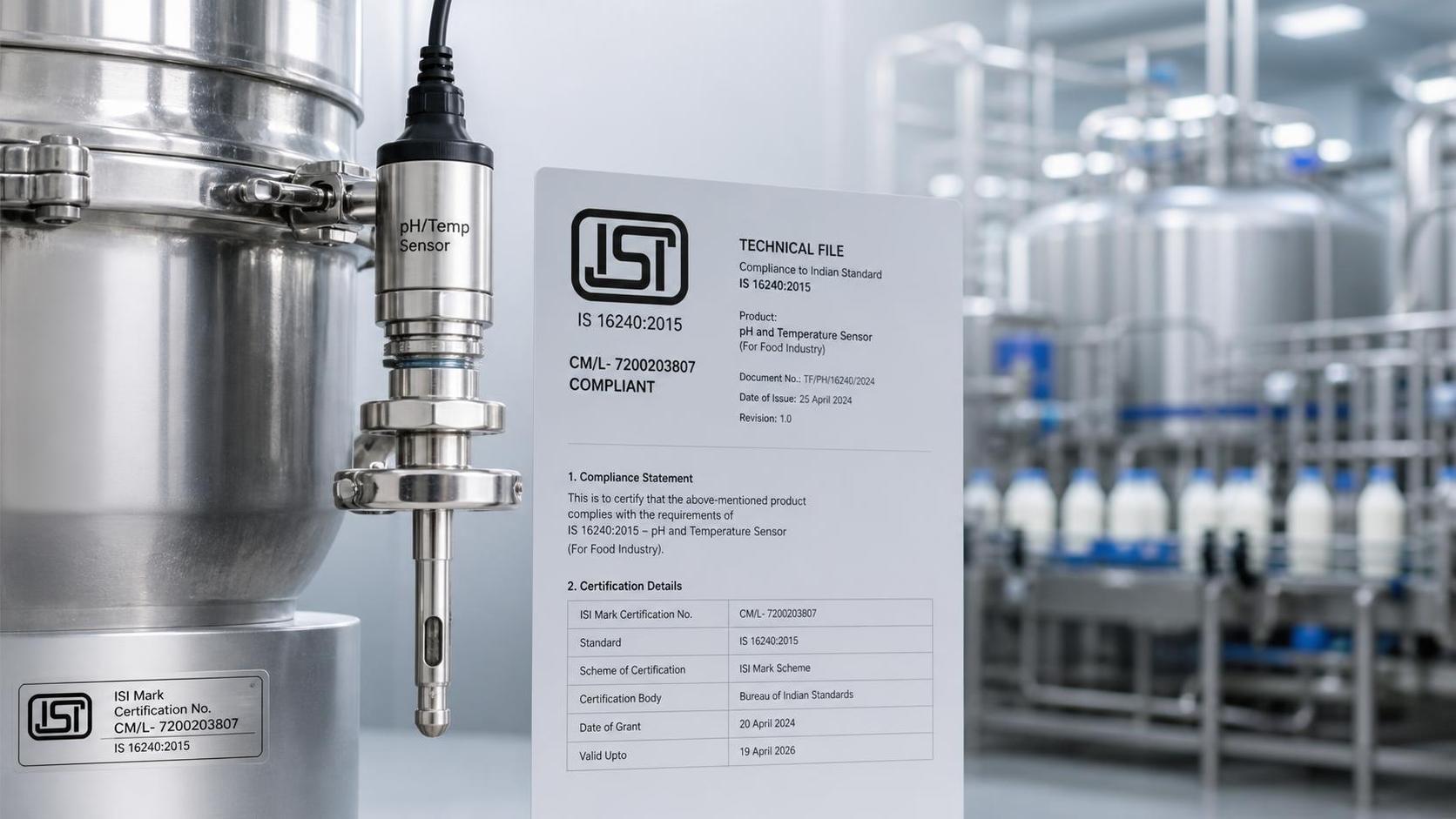
 India Starts BIS Certification for Food-Grade Combo SensorsIndia starts BIS certification for food-grade combo sensors from Dec 1, 2026. Learn how BIS, CRS, ISI mark and probe material rules affect imports, procurement and market access.
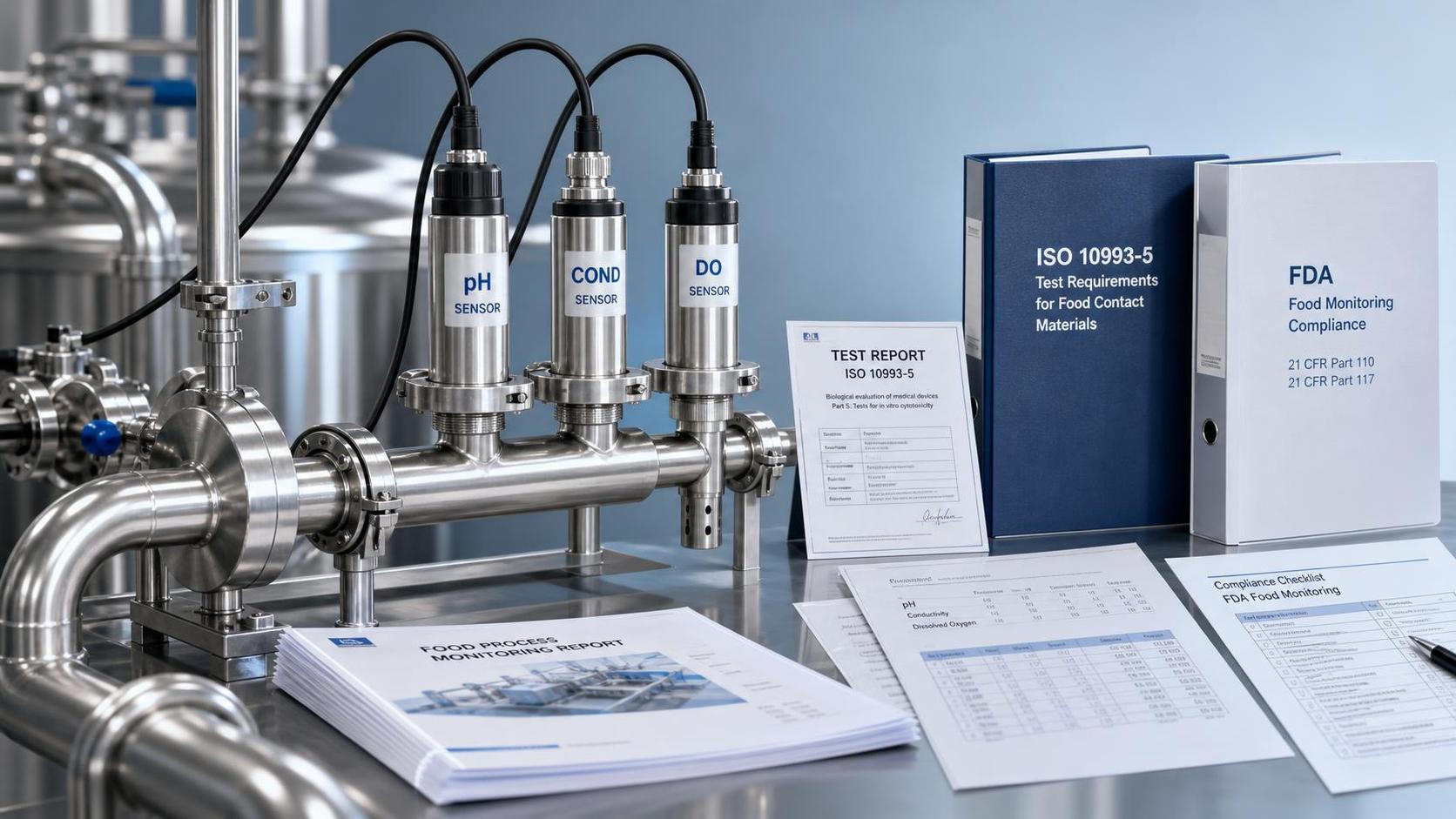
 FDA Sets ISO 10993-5 Test Rule for Food SensorsFDA Sets ISO 10993-5 Test Rule for Food Sensors: learn how the 2027 requirement affects pH, conductivity, and dissolved oxygen sensors, U.S. market access, and compliance planning.
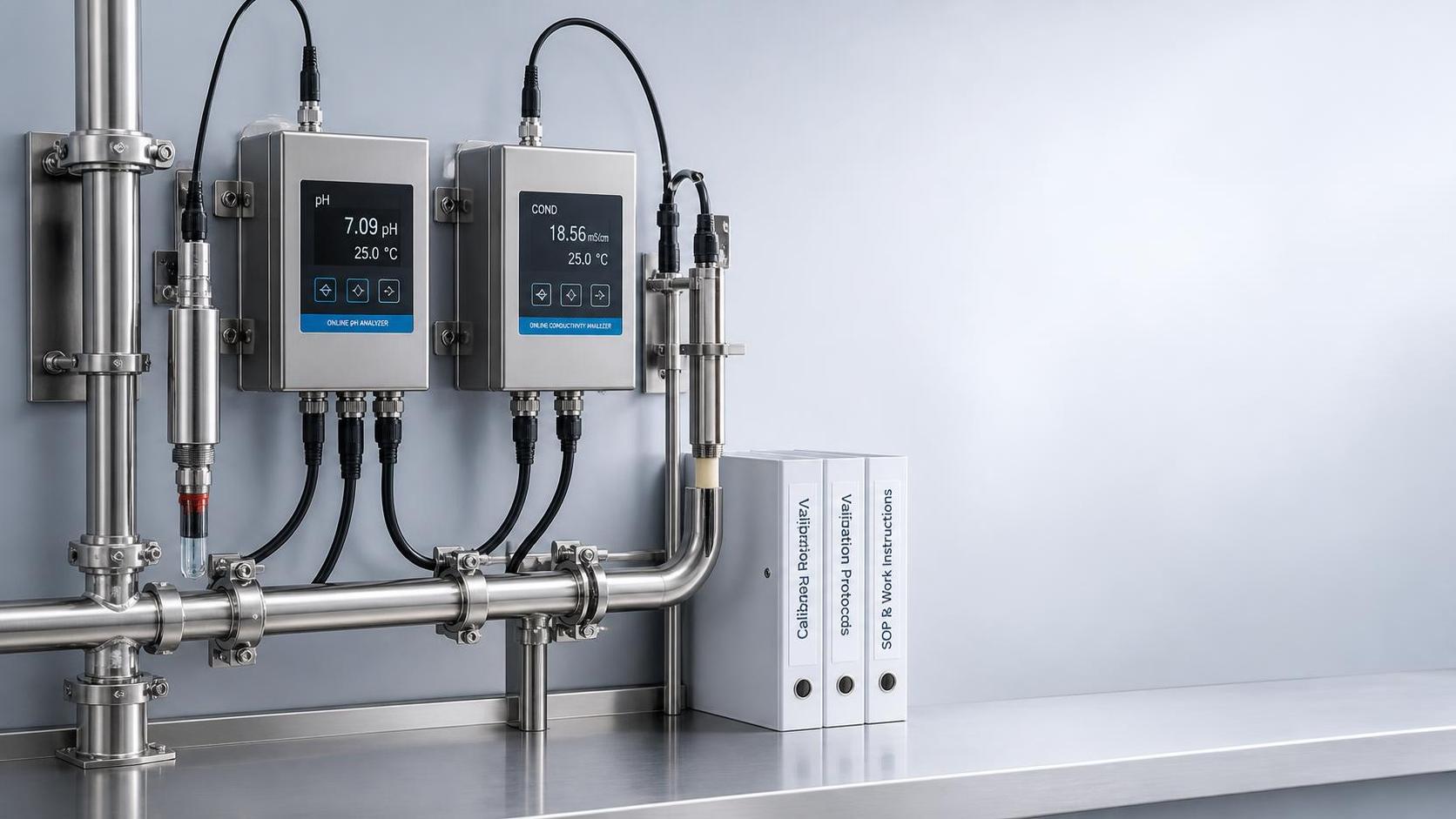
 India Delays BIS Registration Deadline for Food Process AnalyzersIndia Delays BIS Registration Deadline for Food Process Analyzers to Dec 31, 2026. Learn how the new rule and import declaration requirement affect compliance, sourcing, and market access.
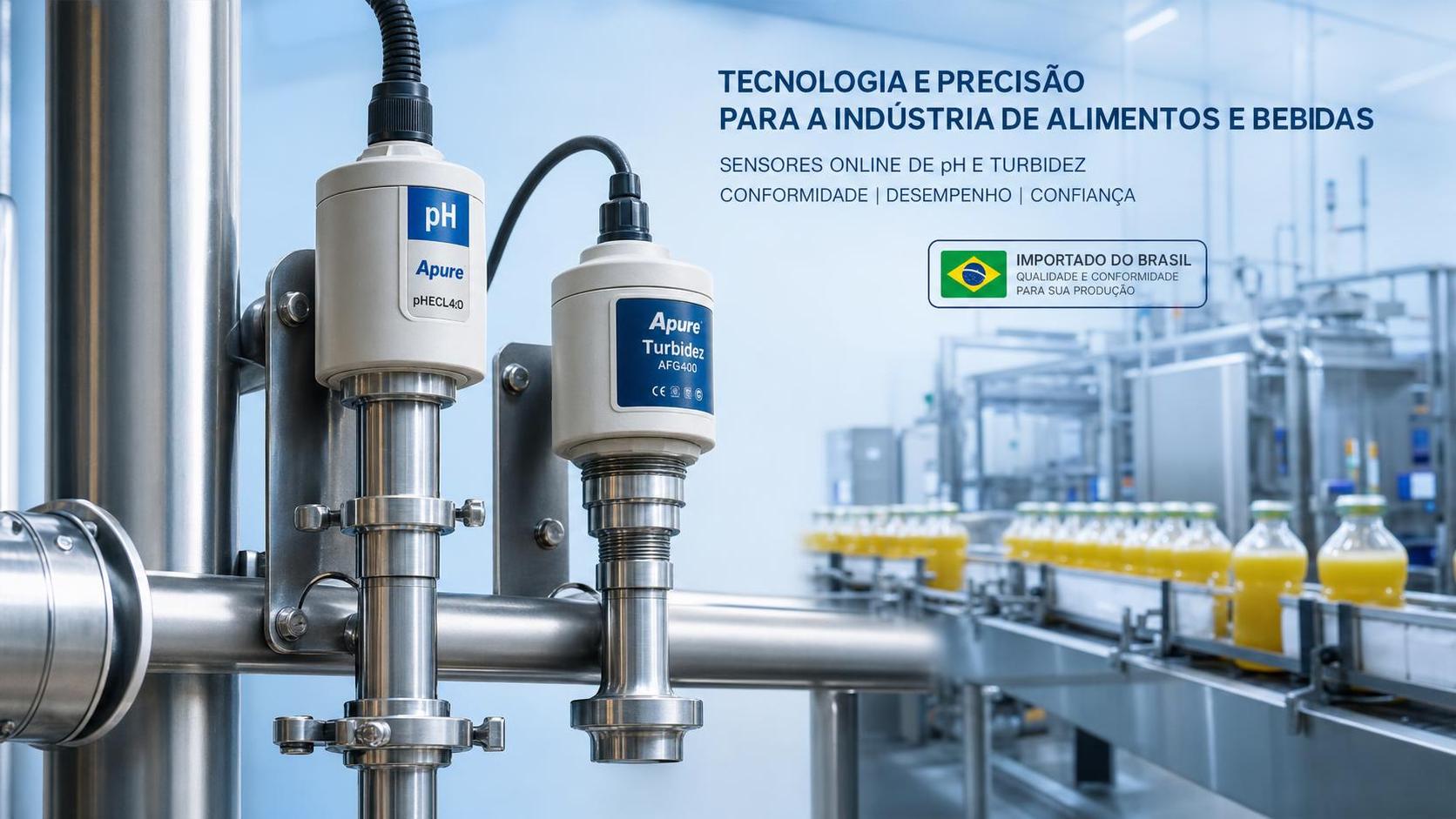
 Brazil ANVISA Rule Brings Food Line Sensors Under RDC 216/2026Brazil ANVISA Rule puts food line sensors under RDC 216/2026, making ANVISA registration essential for pH sensors and turbidimeters. Learn the compliance risks and trade impact.
 CAC Expands Migration Testing to Online pH/DO SensorsOnline pH/DO sensors now face stricter migration testing under revised CAC rules. Learn how ISO 21894:2025 affects food-grade analyzer exports, compliance, and certification.
 Vietnam Mandates VINAQ Certification for HACCP InstrumentsVietnam Mandates VINAQ Certification for HACCP Instruments: learn how new QR traceability and certification rules impact pH, DO, and conductivity analyzers for export food plants.
Chat Online