


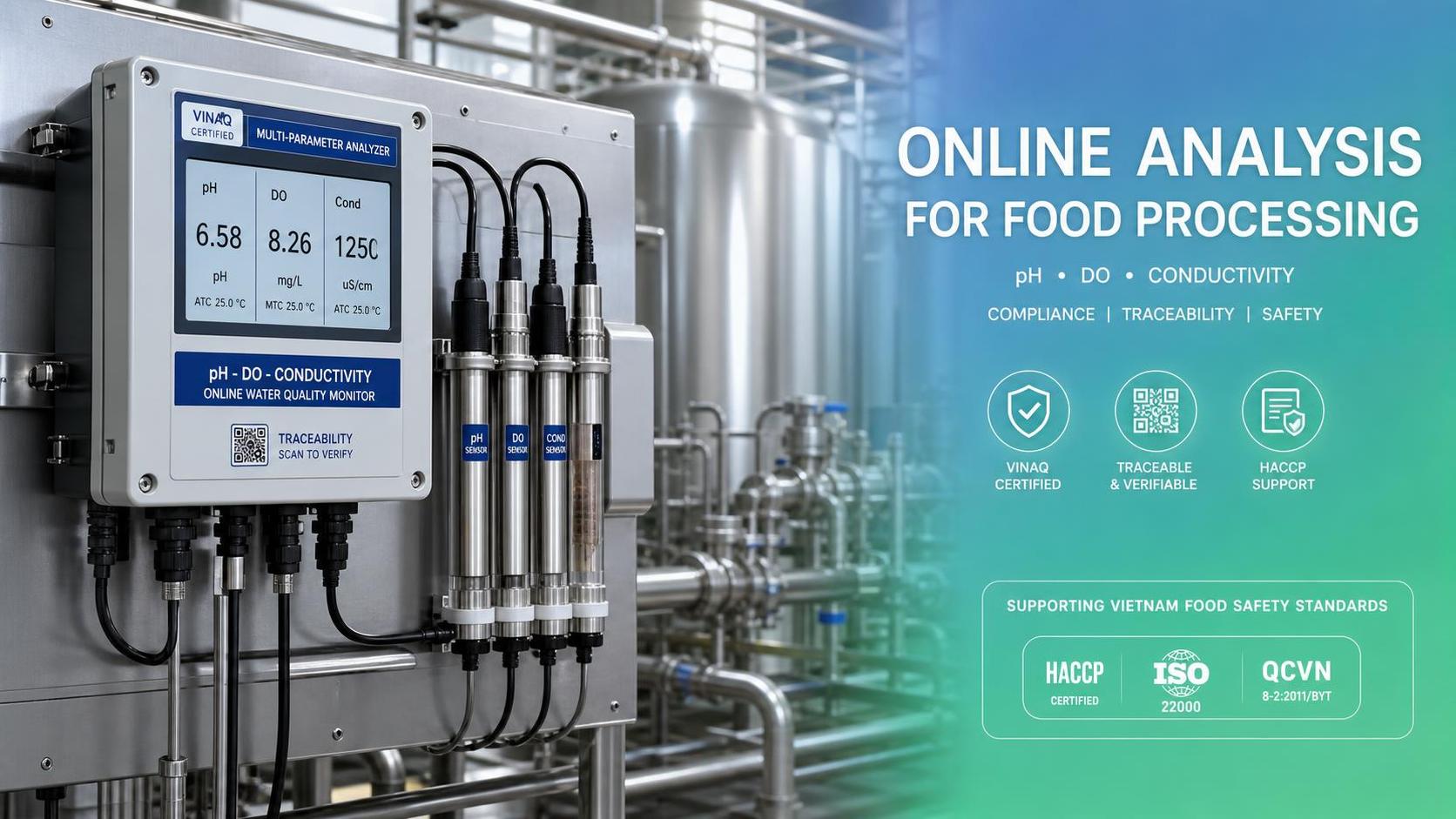
Vietnam’s food safety regulator CHISA put a new rule into effect on July 22, 2026, requiring online pH, dissolved oxygen, and conductivity analyzers used in export food processing plants to obtain VINAQ certification and carry QR traceability codes. With uncertified products barred from plant installation starting August 1, the change deserves close attention from instrument manufacturers exporting to Vietnam, local distributors handling qualification filings, and food processing facilities managing equipment procurement and compliance timelines.
What the Rule Now Requires
According to the information provided, the new requirement took effect on July 22, 2026 under Vietnam’s National Food Safety Authority, CHISA. It applies to online analyzers for pH, dissolved oxygen, and conductivity when those instruments are used in export-oriented food processing plants.
The rule requires the covered instruments to pass VINAQ certification and to display a QR code for traceability. The same information states that, from August 1, uncertified products may no longer be installed in factories.
The update directly affects export market access for Chinese instrument manufacturers selling into Vietnam and also affects the qualification filing of distributors involved in this trade.
Where the Immediate Pressure May Appear
Export-facing instrument supply
From an industry perspective, manufacturers shipping covered analyzers to Vietnam may face the most direct impact because the rule is tied to whether products can enter installation at export food plants. The pressure point is not only shipment itself, but whether the product can move through the final acceptance and installation stage under the new requirement.
What deserves closer attention is the linkage between certification status, traceability marking, and customer delivery timing. Even where sales discussions are already underway, the installation ban from August 1 may become the practical compliance threshold in commercial execution.
Distributor qualification and channel management
Distributors and local channel partners may be affected because the provided information specifically mentions qualification filing. Analysis shows that channel-side compliance may now matter more in transactions involving regulated food processing customers, particularly where local documentation and product status need to align before plant entry and installation.
The business impact is likely to appear in product onboarding, filing readiness, and communication with downstream buyers about whether specific models are eligible for deployment.
Food processors buying for export plants
For export-oriented food processing facilities, the rule may affect equipment selection, installation scheduling, and replacement planning for covered analyzers. Observably, procurement teams and plant operators will need to pay closer attention to whether incoming instruments meet the certification and QR traceability requirements before installation is arranged.
The key operational concern is that a product’s technical fit may no longer be sufficient on its own if its compliance status is incomplete at the point of plant entry.
What Companies Should Watch Next
Certification status versus delivery commitments
Companies involved in current or near-term shipments should focus on whether the analyzers covered by the rule have obtained VINAQ certification before delivery milestones depend on installation. This matters because the installation restriction begins on August 1, creating a narrow operational window between the rule’s effective date and its enforcement consequence in factories.
Traceability labeling in actual plant use
The QR traceability code requirement should be treated as a practical compliance item rather than a minor labeling detail. Analysis shows that product acceptance in regulated processing environments may depend on both certification and traceability presentation, so companies should review whether documentation and physical product marking are consistent.
Distributor filings and channel readiness
For manufacturers selling through local partners, distributor qualification filing is a point that requires immediate coordination. What deserves closer attention is whether channel partners can support the compliance process in a way that matches customer procurement and installation schedules, especially for projects already in progress.
Differences between rule language and execution on the ground
It is also important to separate the formal requirement from how it will be implemented in day-to-day business. Observably, companies should continue monitoring whether further official wording, procedural clarification, or enforcement practice changes the pace or detail of compliance expectations.
Why This Looks Bigger Than a Single Filing Requirement
Analysis shows that this is not just a paperwork update for one batch of imported devices. The rule connects instrument access, traceability, and plant installation in export food processing settings, which means compliance is moving closer to operational use rather than staying at a purely transactional level.
It is more appropriate to understand this as a concrete near-term compliance change with broader signaling value. The immediate result is already clear in one respect: uncertified covered products cannot be installed after August 1. At the same time, the wider market impact still needs continued observation, particularly in how certification and distributor filing requirements shape future supplier access.
How the Market Should Read This Update
At this stage, the development is best understood as an enforceable short-term market access change for specific online analyzers used in export food plants, while also serving as a longer-term signal that traceability and certification controls may be gaining more weight in this procurement environment. A measured reading is more useful than an exaggerated one: the rule already changes immediate installation eligibility, but its full commercial impact across the supply chain still requires close monitoring.
Basis of This Article
This article is based on the user-provided news title, event date, and event summary concerning Vietnam’s July 22, 2026 rule on VINAQ certification and QR traceability requirements for certain HACCP-related online analyzers used in export food processing plants.
For developments of this kind, relevant source categories typically include official regulatory notices, company disclosures, industry association updates, authoritative media reporting, and standard or certification documents. No specific official source link was provided in the input, so the exact regulatory text and any subsequent clarification still need to be verified on an ongoing basis.
Further follow-up should focus on whether there are additional official explanations on certification procedures, traceability implementation, and distributor filing practice, as these points may determine how the rule is executed in actual procurement and installation workflows.


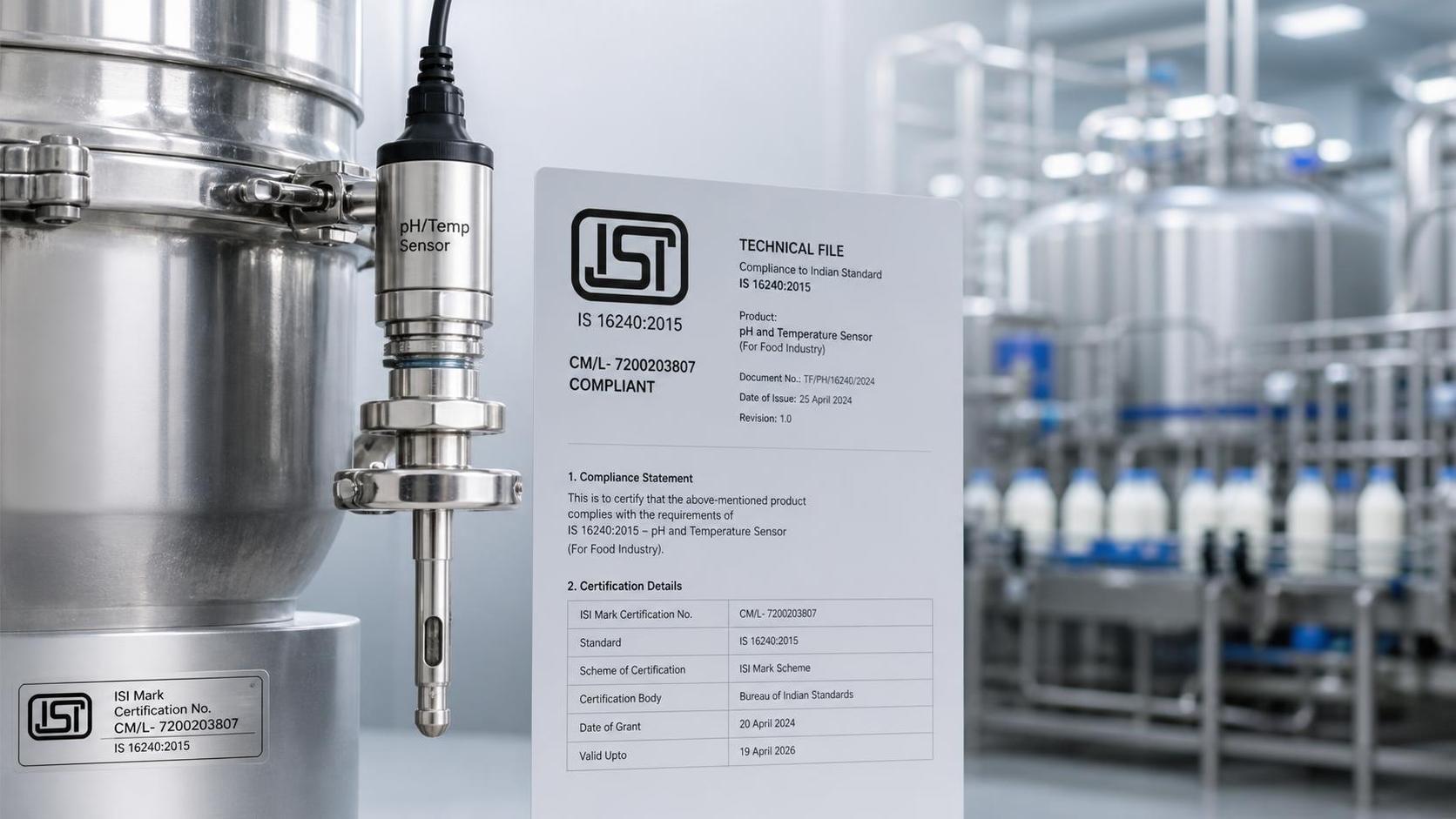
 India Starts BIS Certification for Food-Grade Combo SensorsIndia starts BIS certification for food-grade combo sensors from Dec 1, 2026. Learn how BIS, CRS, ISI mark and probe material rules affect imports, procurement and market access.
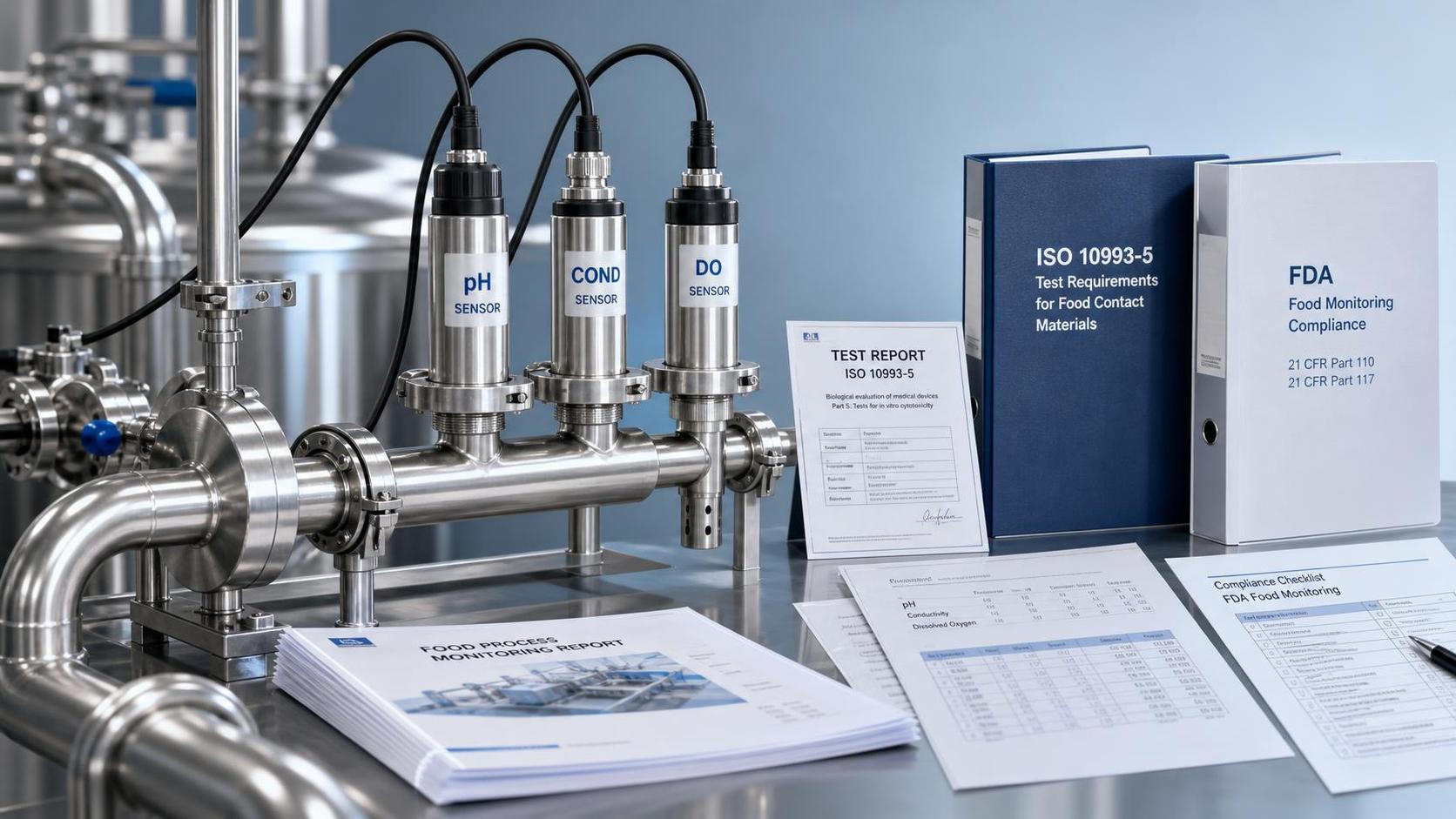
 FDA Sets ISO 10993-5 Test Rule for Food SensorsFDA Sets ISO 10993-5 Test Rule for Food Sensors: learn how the 2027 requirement affects pH, conductivity, and dissolved oxygen sensors, U.S. market access, and compliance planning.
 India Delays BIS Registration Deadline for Food Process AnalyzersIndia Delays BIS Registration Deadline for Food Process Analyzers to Dec 31, 2026. Learn how the new rule and import declaration requirement affect compliance, sourcing, and market access.
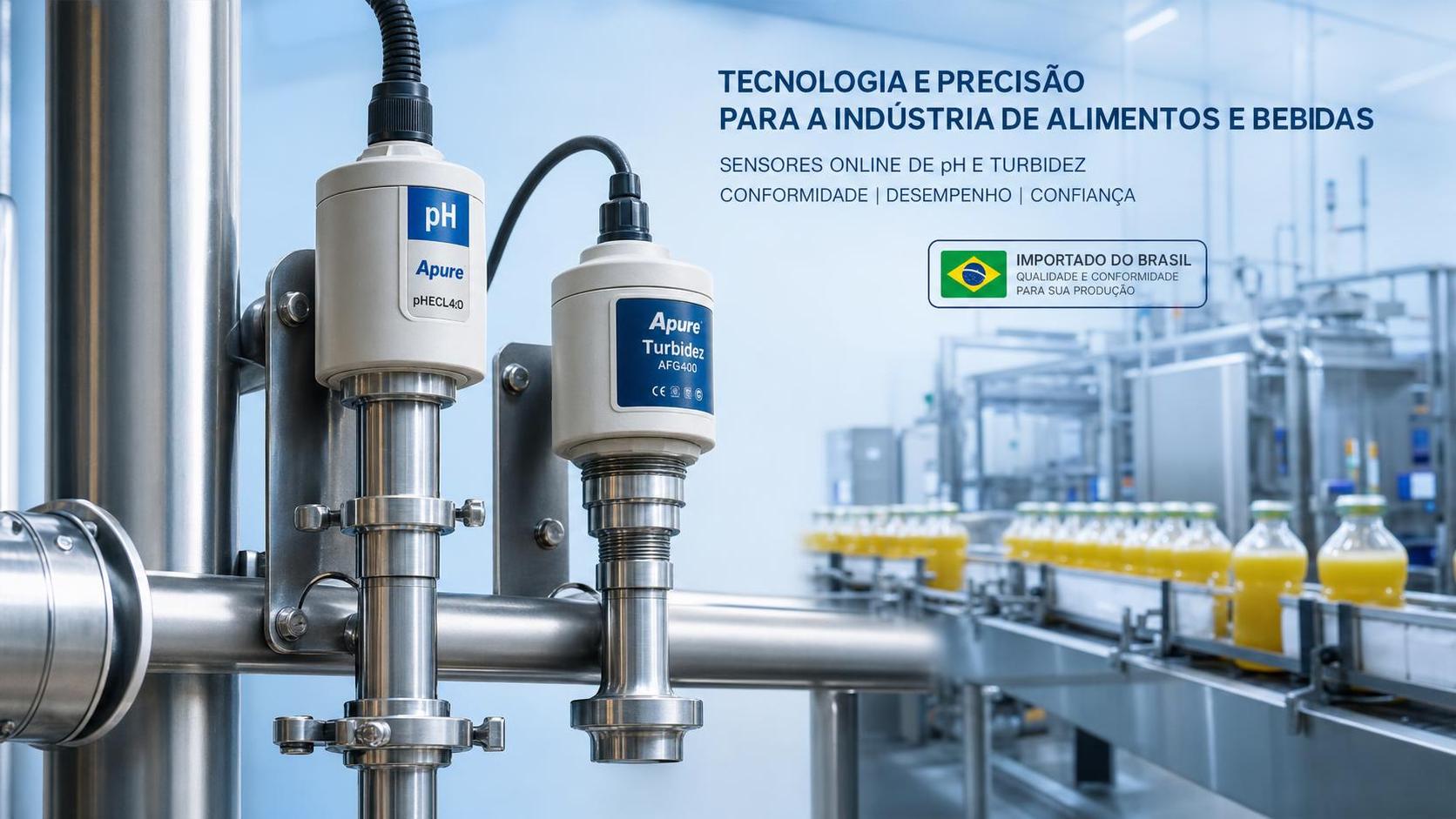
 Brazil ANVISA Rule Brings Food Line Sensors Under RDC 216/2026Brazil ANVISA Rule puts food line sensors under RDC 216/2026, making ANVISA registration essential for pH sensors and turbidimeters. Learn the compliance risks and trade impact.
 CAC Expands Migration Testing to Online pH/DO SensorsOnline pH/DO sensors now face stricter migration testing under revised CAC rules. Learn how ISO 21894:2025 affects food-grade analyzer exports, compliance, and certification.
 Vietnam Mandates VINAQ Certification for HACCP InstrumentsVietnam Mandates VINAQ Certification for HACCP Instruments: learn how new QR traceability and certification rules impact pH, DO, and conductivity analyzers for export food plants.
Chat Online