


On July 20, 2026, a joint notice from Vietnam’s Ministry of Agriculture and Rural Development (MARD) and Thailand’s Food and Drug Administration (TFDA) introduced a new compliance requirement for certain food exporters. From October 1, 2026, canned food, dairy and aquatic product processors shipping to the EU, the United States and Japan will be required to use network-connected pH, residual chlorine and temperature monitoring instruments and connect them to national HACCP digital supervision platforms. For food processors, exporters, compliance teams and instrument suppliers, this matters because the rule change moves online monitoring from a quality management option into a mandatory export-related requirement.
What the Joint Notice Confirms
The confirmed facts are limited but commercially significant. MARD and TFDA issued the notice on July 20, 2026. The requirement takes effect on October 1, 2026. It applies to canned food, dairy and aquatic product processing enterprises that export to the EU, the United States and Japan. The notice requires the deployment of connected real-time pH, residual chlorine and temperature monitoring instruments, and it also requires connection to national-level HACCP digital regulatory platforms. Based on the event summary provided, the policy is expected to increase export demand for China-made industrial sensors and edge gateways.
Where the Rule Change Reaches Across the Supply Chain
Export-oriented food processors face a new compliance gate
From an industry perspective, the most immediate impact falls on processors in the covered product categories and export destinations. Their compliance workload is no longer limited to internal HACCP procedures; it now extends to instrument deployment and platform connectivity. In practical terms, affected plants will need to pay closer attention to whether their monitoring setup, technical documentation and implementation schedule can support continued export operations under the new requirement.
Instrument and gateway suppliers move closer to regulated delivery
Analysis shows that suppliers of industrial pH, residual chlorine and temperature instruments, as well as edge gateway providers, may see demand shift from general procurement to compliance-driven procurement. That changes the nature of the sale. Buyers are likely to focus more heavily on connectivity capability, installation readiness, traceability support and documentation that can be used in compliance review, rather than treating the equipment as a standard maintenance purchase.
Certification, inspection and technical service roles may gain weight
Observably, any party involved in HACCP-related audits, technical verification, testing support or after-sales service may need to track how the new monitoring requirement is reflected in compliance review and export preparation. The immediate issue is not that a new certification regime has been confirmed beyond the notice itself, but that implementation may depend on how monitoring records, instrument configuration and platform access are checked in practice.
Trade and delivery teams will need to watch execution timing
For exporters and supply chain teams, the short interval between the July notice and the October effective date puts attention on procurement sequencing and delivery readiness. What deserves closer attention is whether equipment sourcing, installation, commissioning and documentation can be aligned with shipment planning for the covered export markets. Even without further details in the input, the rule clearly introduces a new operational checkpoint before export continuity can be assumed.
What Companies Should Track Before October
Check whether existing monitoring setups meet the new threshold
Companies in the covered sectors should first review whether their current pH, residual chlorine and temperature monitoring arrangements are real-time, network-connected and suitable for connection to the required HACCP digital supervision platforms. Analysis shows that the main risk is not only missing equipment, but having equipment that cannot satisfy the connectivity element of the rule.
Prepare technical and compliance documents early
Observably, documentation may become as important as hardware delivery. Exporters, processors and procurement teams should pay close attention to technical specifications, monitoring records, equipment files and any documents needed to explain how the installed instruments support HACCP oversight. The input does not provide a formal document list, so this should be treated as a compliance preparation priority rather than an already defined checklist.
Watch for further official wording and execution criteria
It is more appropriate to understand this stage as a confirmed rule change with implementation details still worth monitoring. Companies should keep tracking whether MARD, TFDA or related regulatory channels issue more detailed language on access requirements, review methods or enforcement practice. Without those details in the input, no firm conclusion should be drawn about the exact inspection standard or filing process.
Reassess procurement and service capability
From an industry perspective, buyers should look beyond unit price and ask whether suppliers can support installation, connectivity, commissioning and after-sales response linked to a regulated monitoring environment. For Chinese suppliers of industrial sensors and edge gateways, the opportunity signaled by the policy also comes with a practical requirement: delivery capability may be judged by how well products fit compliance use cases, not only by how quickly they can be shipped.
Why This Looks Like an Execution Signal, Not Just a Policy Headline
Analysis shows that this development is more than a general statement about food safety management. The notice sets a clear effective date and identifies covered product categories, export destinations and the required monitoring parameters. That gives it the character of an execution signal. At the same time, observation remains necessary because the input does not include detailed technical standards, platform access rules, audit treatment or market feedback. For that reason, the industry should read this as a rule that has entered the implementation stage, while still reserving judgment on how uniformly it will be enforced in practice.
How the Market Should Read This Development
The immediate significance of this event is that digital HACCP monitoring is being tied more directly to export-facing compliance for specific food processing segments in Vietnam and Thailand. For affected processors, exporters and equipment suppliers, the change is best understood as a near-term operational requirement with trade and procurement consequences, rather than as a distant policy direction. A measured reading is appropriate: the rule change is confirmed, the compliance burden is becoming more concrete, and the finer points of execution still deserve close attention.
Basis of This Article
This article is based on the user-provided news title, event date and event summary. For developments of this kind, commonly relevant source types include official notices, releases from regulatory authorities, information from customs or trade authorities, industry association updates, standard-setting documents and reporting from established trade media. A specific official source link was not provided in the input, so further verification remains necessary. What still needs to be monitored includes detailed implementation rules, compliance interpretation, possible changes in tender or technical documents, industry feedback and how affected companies carry out deployment before the October 1, 2026 effective date.


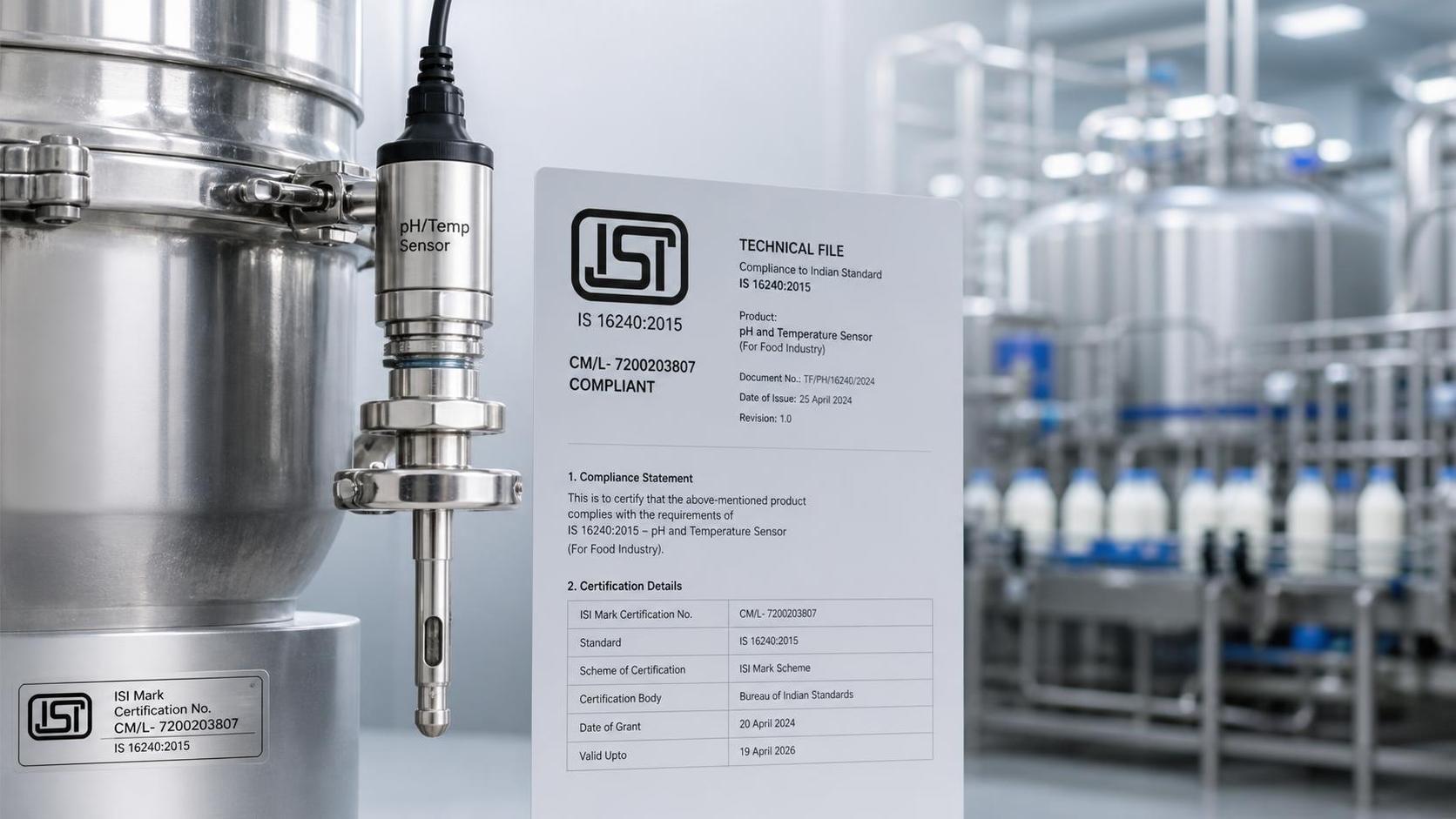
 India Starts BIS Certification for Food-Grade Combo SensorsIndia starts BIS certification for food-grade combo sensors from Dec 1, 2026. Learn how BIS, CRS, ISI mark and probe material rules affect imports, procurement and market access.
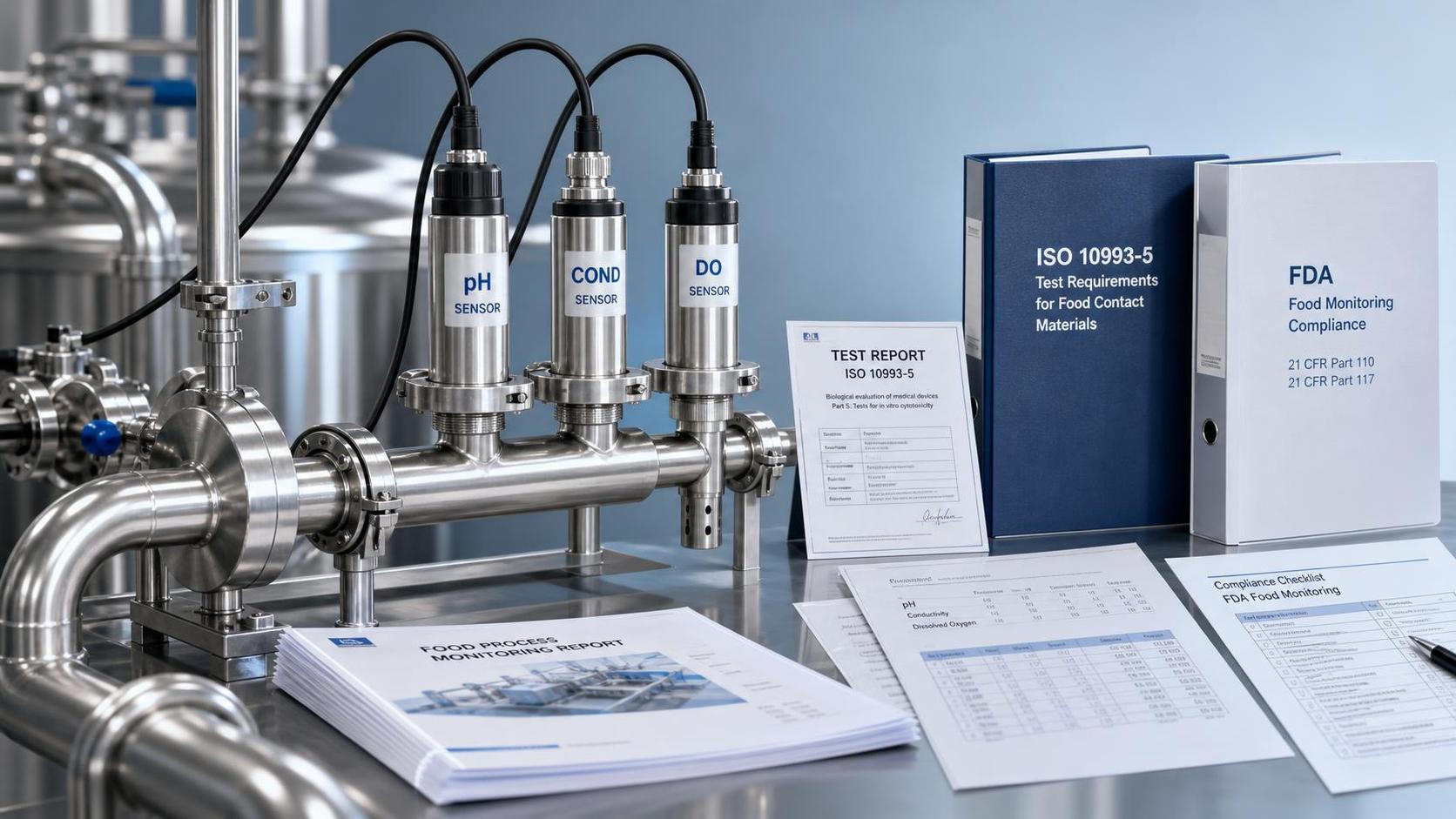
 FDA Sets ISO 10993-5 Test Rule for Food SensorsFDA Sets ISO 10993-5 Test Rule for Food Sensors: learn how the 2027 requirement affects pH, conductivity, and dissolved oxygen sensors, U.S. market access, and compliance planning.
 India Delays BIS Registration Deadline for Food Process AnalyzersIndia Delays BIS Registration Deadline for Food Process Analyzers to Dec 31, 2026. Learn how the new rule and import declaration requirement affect compliance, sourcing, and market access.
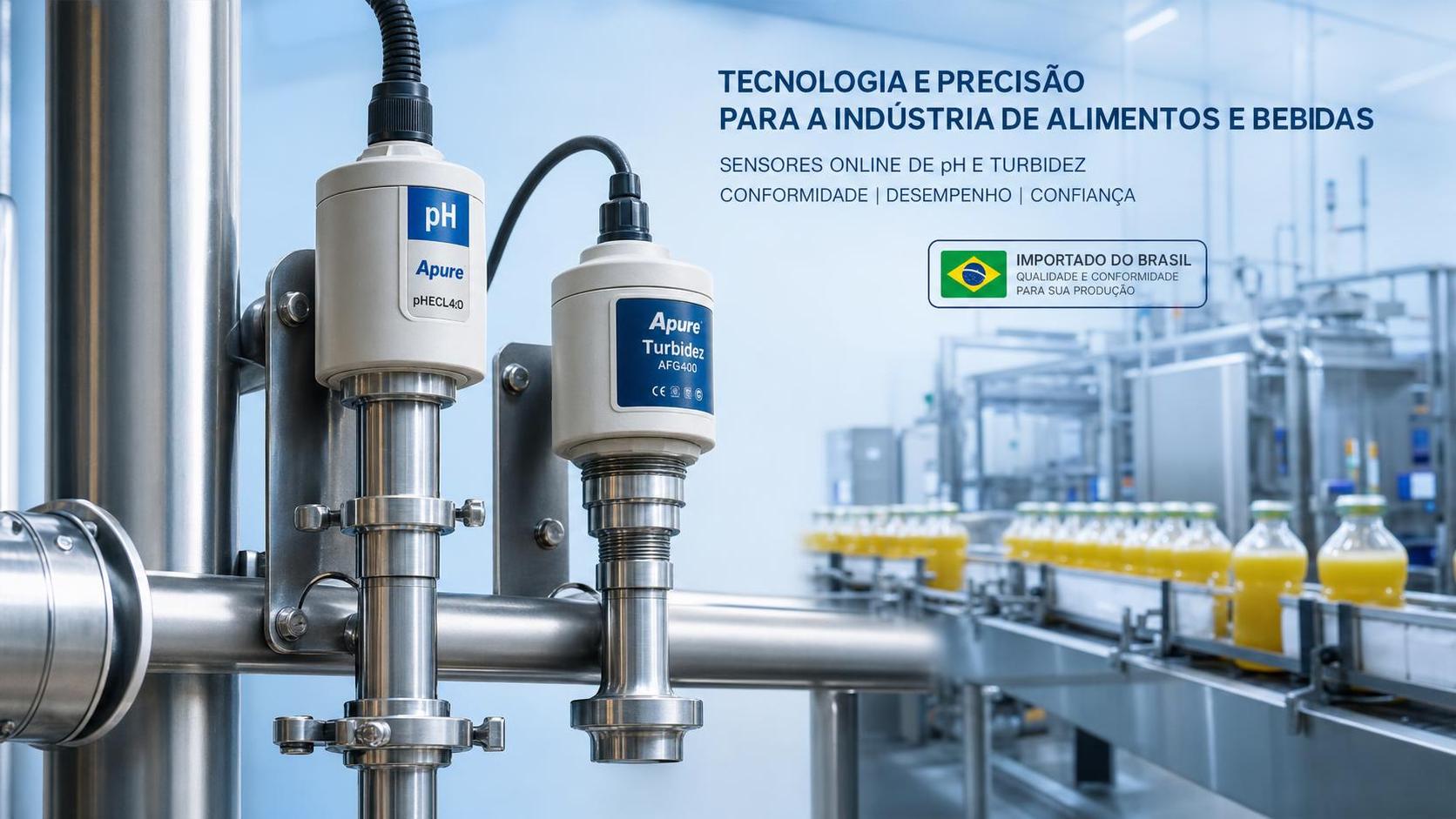
 Brazil ANVISA Rule Brings Food Line Sensors Under RDC 216/2026Brazil ANVISA Rule puts food line sensors under RDC 216/2026, making ANVISA registration essential for pH sensors and turbidimeters. Learn the compliance risks and trade impact.
 CAC Expands Migration Testing to Online pH/DO SensorsOnline pH/DO sensors now face stricter migration testing under revised CAC rules. Learn how ISO 21894:2025 affects food-grade analyzer exports, compliance, and certification.
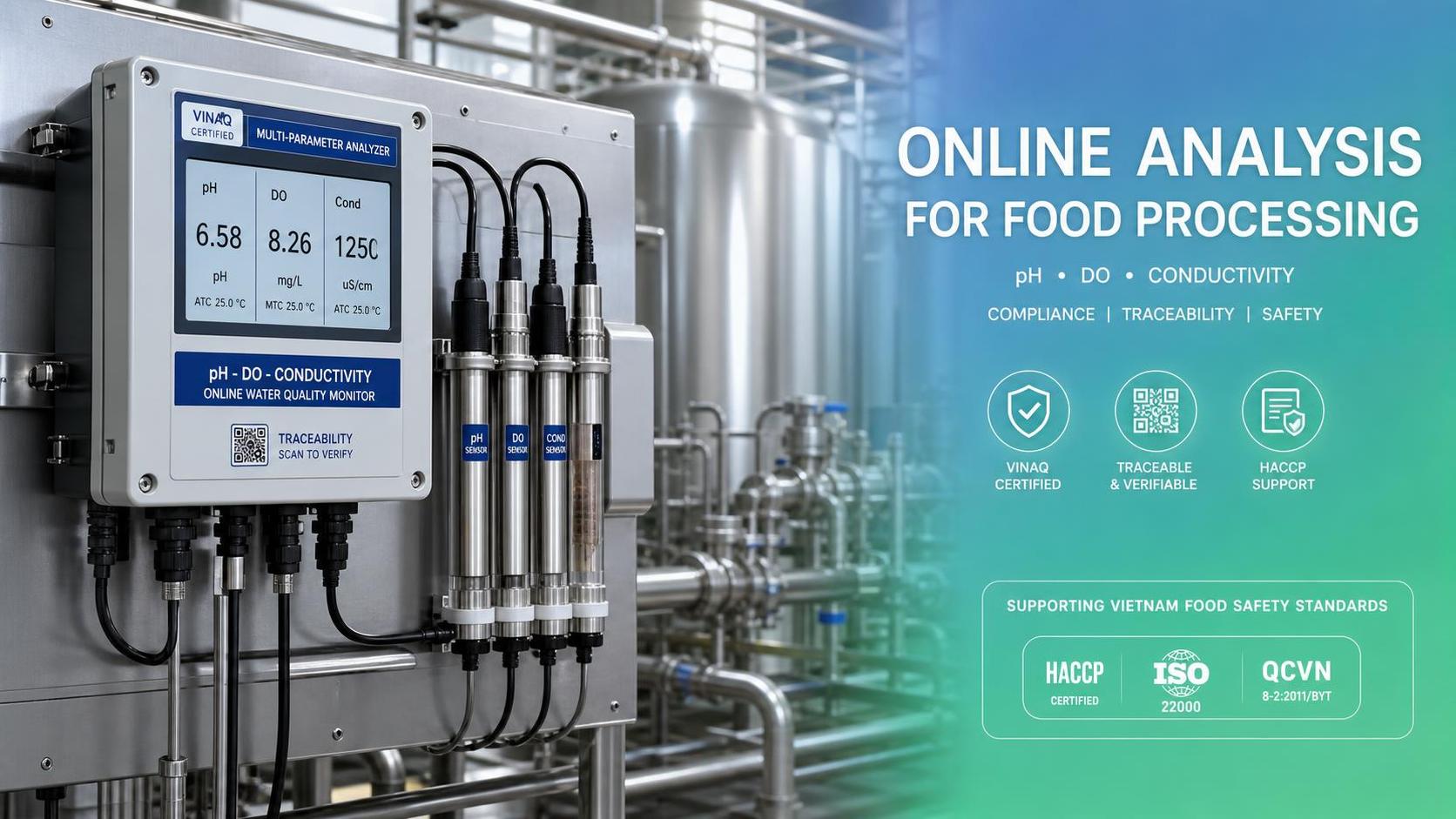
 Vietnam Mandates VINAQ Certification for HACCP InstrumentsVietnam Mandates VINAQ Certification for HACCP Instruments: learn how new QR traceability and certification rules impact pH, DO, and conductivity analyzers for export food plants.
Chat Online