


Madrid, May 23, 2026 — The 18th edition of Fruit Attraction, scheduled for October 6–8, 2026, has seen booth bookings exceed 90%, signaling strong global demand ahead of the event. This surge is notably driven by heightened procurement interest in agricultural testing instrumentation — particularly from Latin America, the Middle East, and Eastern Europe — reflecting tightening regulatory enforcement and cross-border market access requirements across key export destinations.
Event Overview
The organizers of Fruit Attraction Madrid have confirmed that booth reservations for the 2026 edition (October 6–8) have surpassed 90%. Agricultural rapid pesticide residue testers, portable Brix/acidity analyzers, and near-infrared (NIR) quality sorting systems are emerging as top inquiry categories among buyers from Latin America, the Middle East, and Eastern Europe. A dedicated ‘China Instrument Pavilion’ will be launched during the exhibition, spotlighting Chinese-made detection solutions compliant with ISO 22000 and EU Regulation (EU) 2023/1730 on maximum residue levels (MRLs) for pesticides in food.
Industries Affected
Direct Trading Enterprises
Export-oriented trading firms face intensified pressure to validate product compliance pre-shipment. With Latin American and Middle Eastern importers now prioritizing on-site or lab-grade verification capability, traders lacking integrated testing support risk losing competitive bids — especially where tender documents reference EU 2023/1730 or Mercosur Resolution GMC No. 54/22. Impact manifests in both operational cost (e.g., third-party lab fees) and commercial agility (e.g., delayed clearance due to non-conforming documentation).
Raw Material Sourcing Enterprises
Farm cooperatives, agri-export consortia, and origin-based aggregators are encountering more frequent requests for batch-level analytical reports — not just certificates of conformity. As buyers increasingly require instrument-generated data (e.g., real-time sugar-acid ratio or NIR spectral profiles), sourcing entities without field-deployable tools may struggle to meet traceability expectations tied to premium pricing or contract renewals.
Processing & Manufacturing Enterprises
Food processors — especially those supplying private-label or retailer-branded fresh-cut, dried, or minimally processed fruit — must now align internal QC protocols with external buyer-defined benchmarks. For example, EU 2023/1730’s updated MRL thresholds for neonicotinoids and glyphosate metabolites necessitate recalibration of existing rapid test kits. Manufacturers relying on legacy equipment may face validation gaps unless upgrades are aligned with certified reference methods.
Supply Chain Service Providers
Certification bodies, logistics QA teams, and cold-chain auditors are adapting service scopes to include instrument calibration verification, method validation support, and MRL-specific training modules. Observably, demand is rising for bilingual (Spanish/Arabic/English) technical briefings — especially for NIR system operators handling multi-origin fruit consignments. Service differentiation now hinges less on audit frequency and more on technical interoperability with buyer-side detection infrastructure.
Key Focus Areas and Recommended Actions
Verify Alignment with EU 2023/1730 and Regional Equivalents
Enterprises should cross-check their current testing platforms against the updated MRL tables in EU 2023/1730 and parallel frameworks such as Saudi FDA’s SFDA-GSO 2022 or ANVISA RDC No. 252/2023. Where discrepancies exist — e.g., unsupported analytes or insufficient LOD — instrument revalidation or vendor-supported firmware updates become urgent priorities.
Prioritize Field-Deployable Validation Capabilities
Given procurement emphasis on portable Brix/acidity and rapid residue testers, companies should assess whether their QC workflows allow for point-of-harvest or dockside verification. Analysis shows that buyers increasingly treat instrument-readout consistency (e.g., inter-unit CV% <5%) as a proxy for overall supply chain reliability — not merely a compliance checkbox.
Engage Proactively with the China Instrument Pavilion
For importers and distributors evaluating new instrumentation, the pavilion offers a consolidated opportunity to compare ISO 22000-aligned Chinese solutions against European or Japanese alternatives. Attendees are advised to request documented equivalence assessments — particularly for NIR spectral libraries covering regional cultivars (e.g., Hass avocado, Medjool date, or Golden Delicious apple) — rather than relying solely on generic performance claims.
Editorial Insight / Industry Observation
This booking trend signals a structural shift: agricultural instrumentation is no longer a back-office function but a frontline trade enabler. From an industry perspective, the convergence of regulatory stringency (EU 2023/1730), buyer-led standardization (e.g., Walmart’s Supplier Quality Portal requiring digital test logs), and regional capacity gaps (notably in Latin American port labs) is accelerating instrument adoption beyond traditional high-value export corridors. It is more accurate to interpret this as demand for *verifiable confidence* — not just faster testing.
Conclusion
Fruit Attraction 2026’s early booking strength underscores how regulatory evolution reshapes commercial infrastructure. The prominence of detection technology reflects growing recognition that food safety assurance must be measurable, portable, and interoperable — not merely declarative. For stakeholders across the value chain, the takeaway is not about acquiring instruments per se, but about embedding verifiability into every handover point — from orchard to container.
Source Attribution
Official data sourced from Fruit Attraction Madrid Organizing Committee (press release dated May 23, 2026); EU Regulation (EU) 2023/1730 published in OJ L 238/1; ISO 22000:2018 Food Safety Management Systems standard. Note: Implementation timelines for national transposition of EU 2023/1730 remain under observation in several Mercosur and GCC member states.


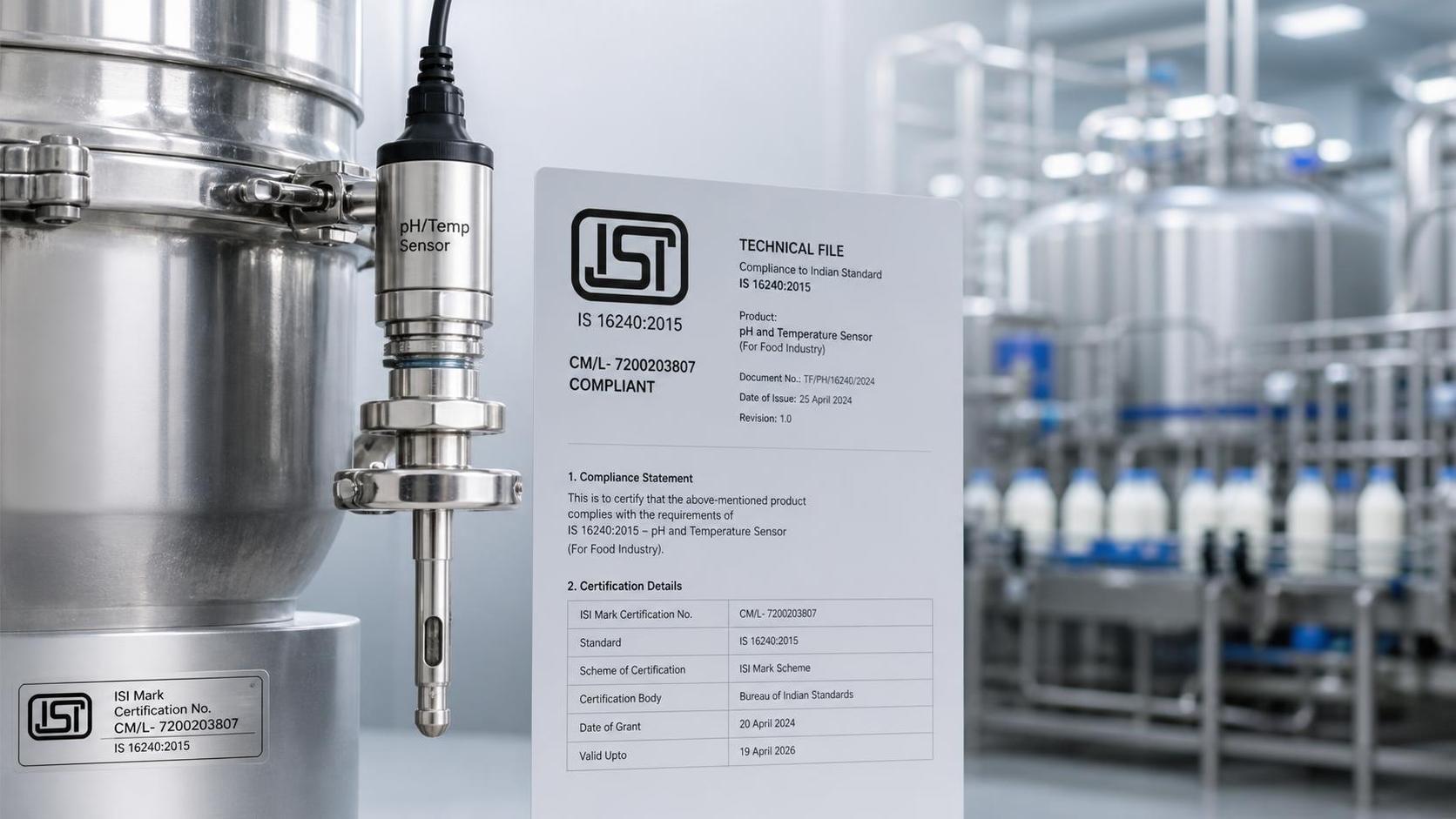
 India Starts BIS Certification for Food-Grade Combo SensorsIndia starts BIS certification for food-grade combo sensors from Dec 1, 2026. Learn how BIS, CRS, ISI mark and probe material rules affect imports, procurement and market access.
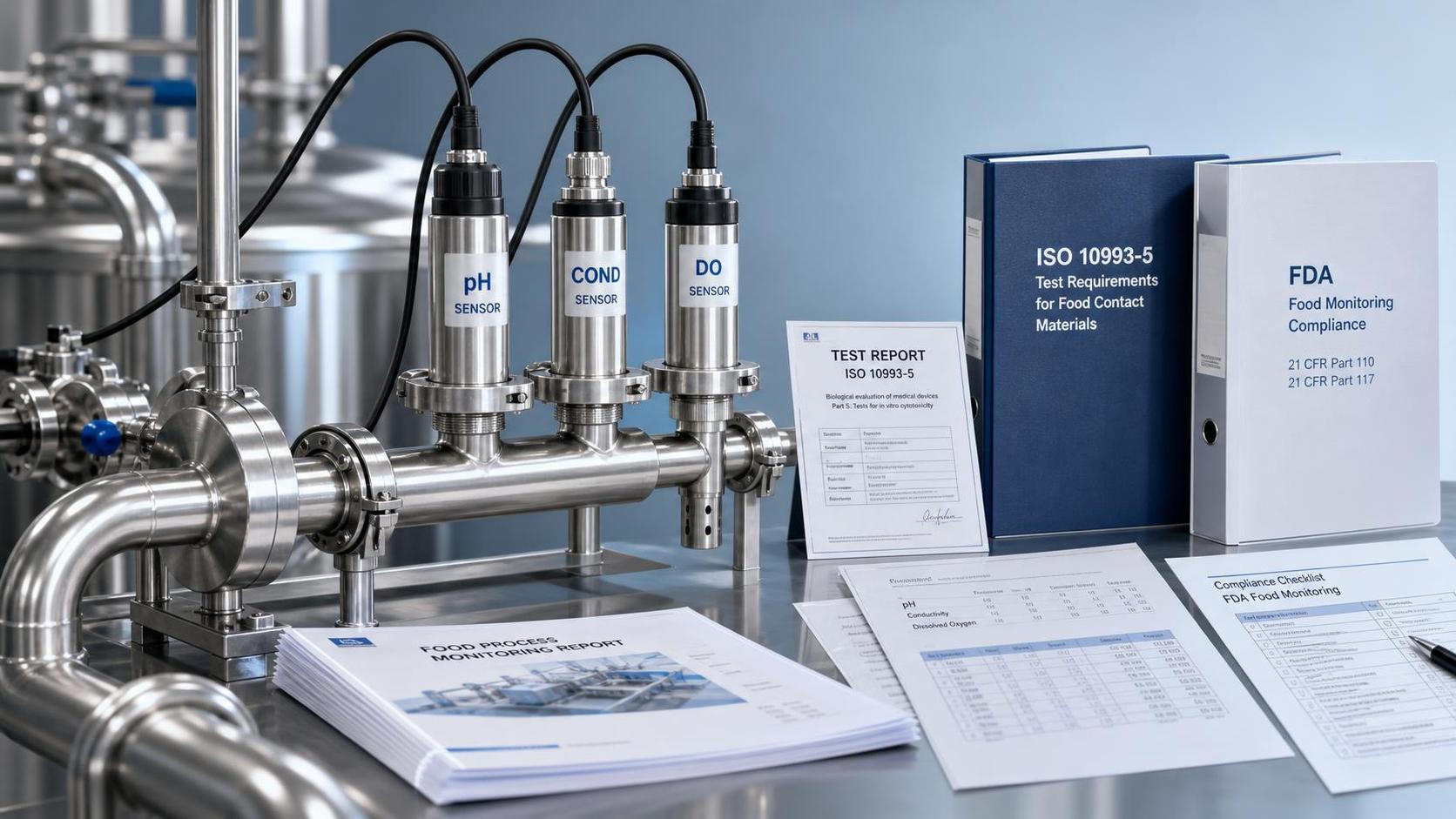
 FDA Sets ISO 10993-5 Test Rule for Food SensorsFDA Sets ISO 10993-5 Test Rule for Food Sensors: learn how the 2027 requirement affects pH, conductivity, and dissolved oxygen sensors, U.S. market access, and compliance planning.
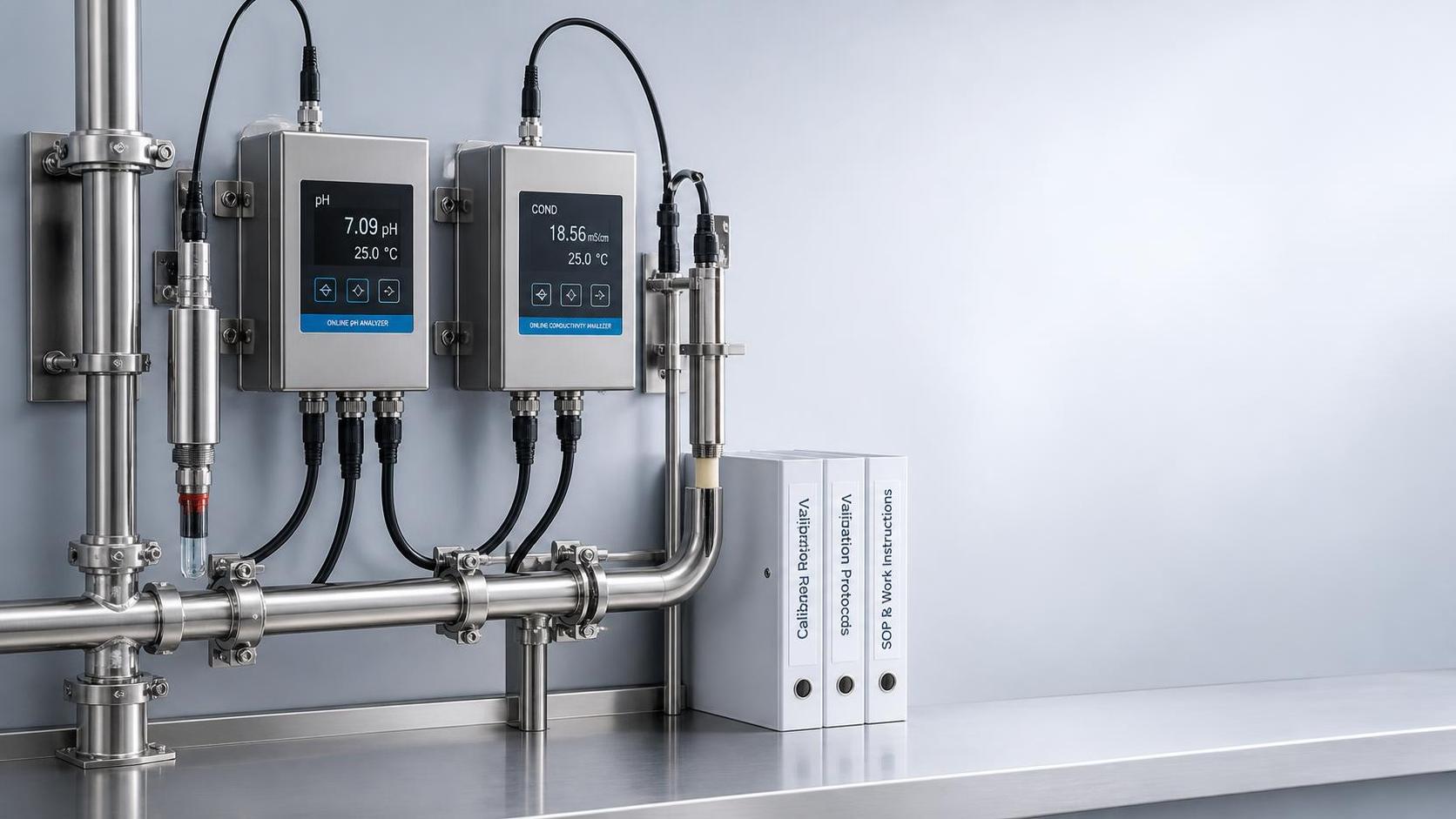
 India Delays BIS Registration Deadline for Food Process AnalyzersIndia Delays BIS Registration Deadline for Food Process Analyzers to Dec 31, 2026. Learn how the new rule and import declaration requirement affect compliance, sourcing, and market access.
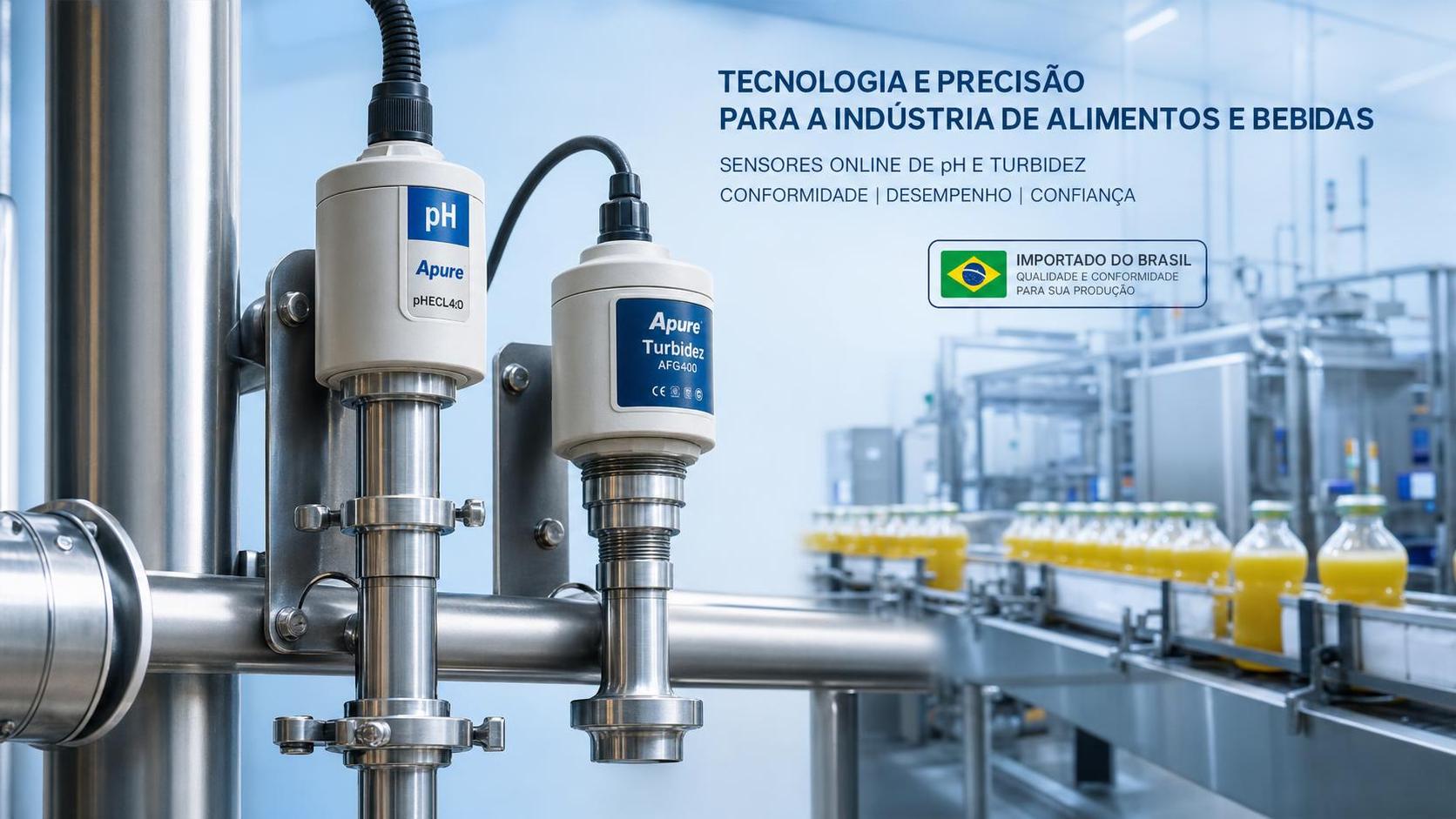
 Brazil ANVISA Rule Brings Food Line Sensors Under RDC 216/2026Brazil ANVISA Rule puts food line sensors under RDC 216/2026, making ANVISA registration essential for pH sensors and turbidimeters. Learn the compliance risks and trade impact.
 CAC Expands Migration Testing to Online pH/DO SensorsOnline pH/DO sensors now face stricter migration testing under revised CAC rules. Learn how ISO 21894:2025 affects food-grade analyzer exports, compliance, and certification.
 Vietnam Mandates VINAQ Certification for HACCP InstrumentsVietnam Mandates VINAQ Certification for HACCP Instruments: learn how new QR traceability and certification rules impact pH, DO, and conductivity analyzers for export food plants.

Chat Online