


On June 4, 2026, organizer recruitment opened for the 2026 Shenzhen Measurement, Control, Instrumentation and Sensor Technology Application Expo, scheduled for November 26–28. The update draws industry attention not only because a new "Green Testing Equipment Zone" has been added under an RCEP-focused framework, but also because overseas buyer pre-registration has been opened to ASEAN participants. For instrument makers, testing service providers, distributors, and procurement teams involved in environmental monitoring, carbon measurement, and energy-efficiency assessment, the announcement is worth watching as a practical market-access signal rather than a routine exhibition notice.
What has been confirmed so far
The event will take place from November 26 to November 28, 2026, as part of the Shenzhen Measurement, Control, Instrumentation and Sensor Technology Application Expo. On June 4, 2026, the exhibition officially launched exhibitor recruitment and announced its first dedicated RCEP-themed area, named the "Green Testing Equipment Zone."
According to the provided event summary, this zone will focus on instruments used for environmental monitoring, carbon metering, and energy-efficiency evaluation. The event is also set to invite environmental authorities, testing institutions, and distributors from ASEAN markets including Thailand, Indonesia, and Malaysia. In parallel, an overseas buyer pre-registration channel has opened, with listed support measures including waived booth fees, logistics subsidies, and matchmaking services.
Why the update matters across the business chain
Product suppliers may need to refine their target categories
From an industry perspective, the most direct impact is on equipment manufacturers and solution providers whose product lines already align with the three named application areas. The new zone does not automatically change demand, but it does create a more explicit showcase for suppliers of environmental monitoring, carbon metering, and energy-efficiency assessment instruments. What deserves closer attention is whether companies can present their offerings in a way that matches buyer use cases rather than general instrumentation positioning.
Distributors and market-entry partners gain a clearer screening point
For distributors and channel operators, the announcement highlights a more focused point of contact with invited ASEAN buyers and institutions. The likely effect is not simply more traffic, but more selective conversations around product fit, compliance expectations, and local distribution readiness. Companies working through channels should therefore watch how buyer matching is organized and whether conversations move beyond initial introductions into commercially actionable follow-up.
Testing and service organizations should watch demand translation
Testing institutions and related service providers may also be affected because the invited audience includes environmental authorities and testing bodies. Analysis shows that this could raise the importance of service-linked equipment discussions, especially where instrument purchasing decisions are tied to verification, reporting, or application support. The key issue is not just equipment exposure, but whether service requirements become part of early supplier-buyer discussions.
Procurement teams may see a more specialized sourcing window
For procurement-side participants, including overseas buyers using the pre-registration channel, the immediate relevance lies in the concentration of products within a specific application theme. Observably, a themed zone can shorten early-stage supplier screening, but buyers will still need to assess documentation, delivery coordination, and product suitability through normal procurement processes. The support measures may reduce participation barriers, yet they do not replace technical and commercial due diligence.
What companies should monitor before November
Track any further clarification on participation rules
Companies should pay close attention to whether organizers release additional details on exhibitor scope, buyer eligibility, matchmaking criteria, or zone-specific requirements. The current announcement confirms the direction of the initiative, but practical value will depend on how participation rules are defined and implemented.
Prepare product materials around named use cases
Because the zone is explicitly focused on environmental monitoring, carbon metering, and energy-efficiency assessment, suppliers should review whether their product documentation, demonstrations, and sales messaging clearly map to those applications. Broad instrumentation claims may be less effective than materials that directly address the stated categories.
Check readiness for cross-border follow-up
For firms aiming to meet buyers from Thailand, Indonesia, Malaysia, and other ASEAN markets, preparation should extend beyond booth presence. What deserves closer attention is whether teams are ready with product documents, commercial communication materials, delivery planning, and response processes for post-event follow-up. The announcement creates an access channel, but execution risk still sits in the supplier's own process.
Separate promotional support from deal certainty
Analysis shows that waived booth fees, logistics subsidies, and matchmaking services are participation incentives, not proof of transaction outcomes. Companies should treat these measures as tools that can lower entry cost or improve meeting efficiency, while keeping internal expectations grounded in actual buyer qualification and conversion work.
How this should be interpreted at this stage
Observably, the announcement carries two signals at once. First, it places green testing equipment into a more visible exhibition framework tied to RCEP-related outreach. Second, it indicates a specific effort to connect with ASEAN-side institutional and distribution participants through pre-registration and participation support. That said, this is still an event-stage development rather than a confirmed shift in purchasing volume or regional market structure.
It is more appropriate to understand this as an operational signal with potential medium-term relevance: the exhibition is testing a clearer link between product specialization and regional buyer invitation. Whether that turns into sustained business impact will depend on exhibitor quality, buyer attendance, and the depth of post-event execution.
A near-term signal, not a finished outcome
For the instrumentation and testing equipment sector, the value of this update lies in its specificity. The new zone names clear product directions, identifies target overseas buyer groups, and introduces concrete participation support. That makes it more meaningful than a generic exhibition launch notice.
At the same time, a rational reading is necessary. The current development is best understood as a near-term market-organizing signal and a channel-building attempt around green testing equipment, rather than a confirmed result in trade, procurement, or regional expansion. Continued attention should focus on how the zone is implemented and whether the announced matchmaking and buyer outreach translate into measurable business engagement.
Basis of this article
This article is generated from the user-provided news title, event date, and event summary. The confirmed facts used here are limited to the announced launch of exhibitor recruitment, the November 26–28, 2026 event schedule, the creation of the "Green Testing Equipment Zone," the focus on environmental monitoring, carbon metering, and energy-efficiency assessment instruments, the targeted invitation of ASEAN participants from countries including Thailand, Indonesia, and Malaysia, and the opening of overseas buyer pre-registration with listed support measures.
For this type of industry update, commonly relevant source categories may include official event announcements, company notices, industry association releases, authoritative media coverage, and standard-setting or institutional documents. A specific official source link was not provided in the input, so further verification is still needed as more detailed event rules, participation arrangements, and follow-up disclosures become available.


 China NECC Launches Fourth 2026 Laboratory Proficiency AssessmentChina’s fourth 2026 laboratory proficiency assessment targets fecal coliforms in water. Explore potential implications for testing labs, monitoring instruments and technical support.
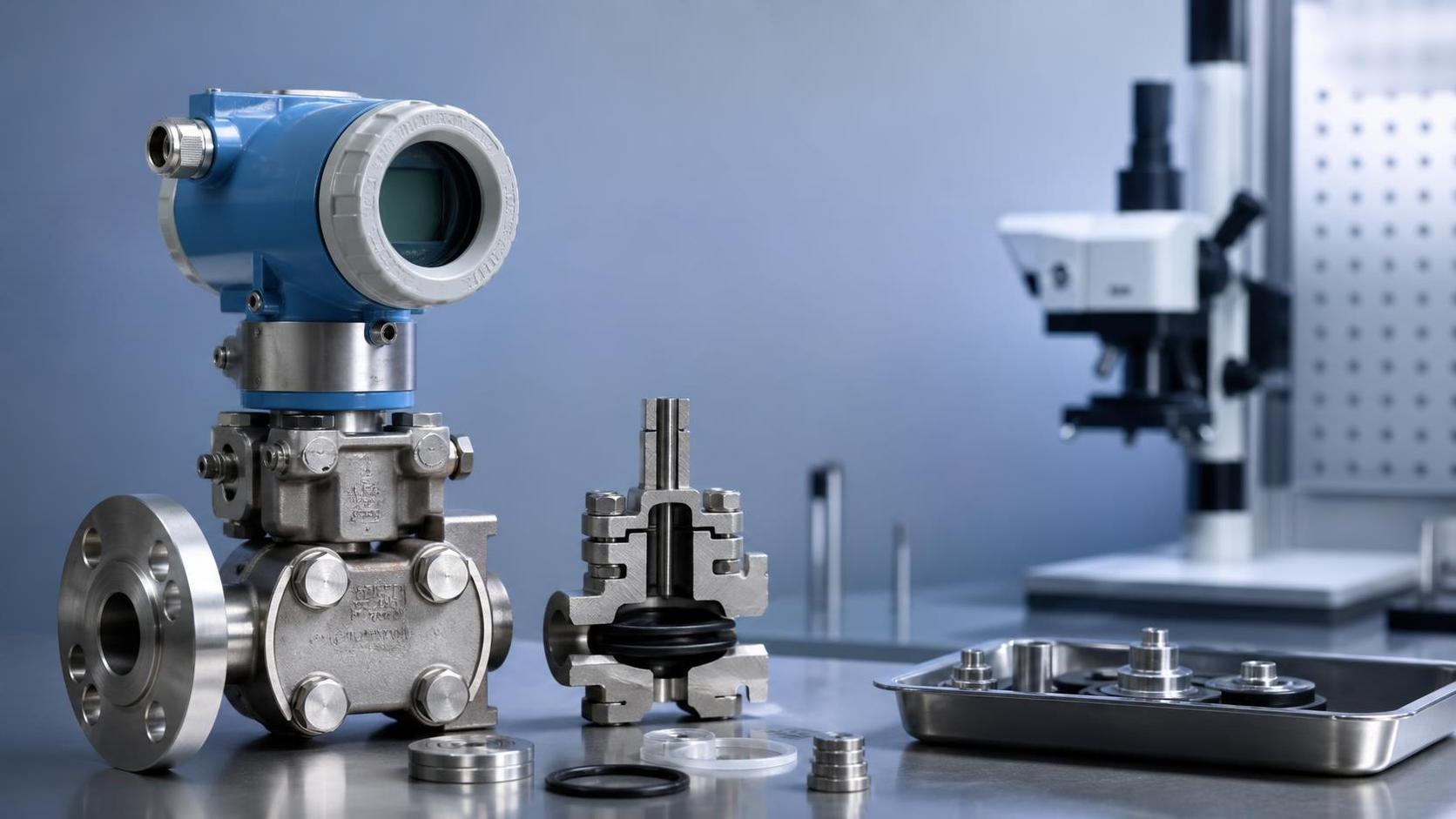
 EU REACH Annex XVII Update Bars Imports of Instruments Using Nickel-Containing Seals from 2027EU REACH Annex XVII update will bar imports of instruments using nickel-containing seals from 2027. Learn how this affects pressure transmitters, control valves, analyzers, testing, and compliance planning.
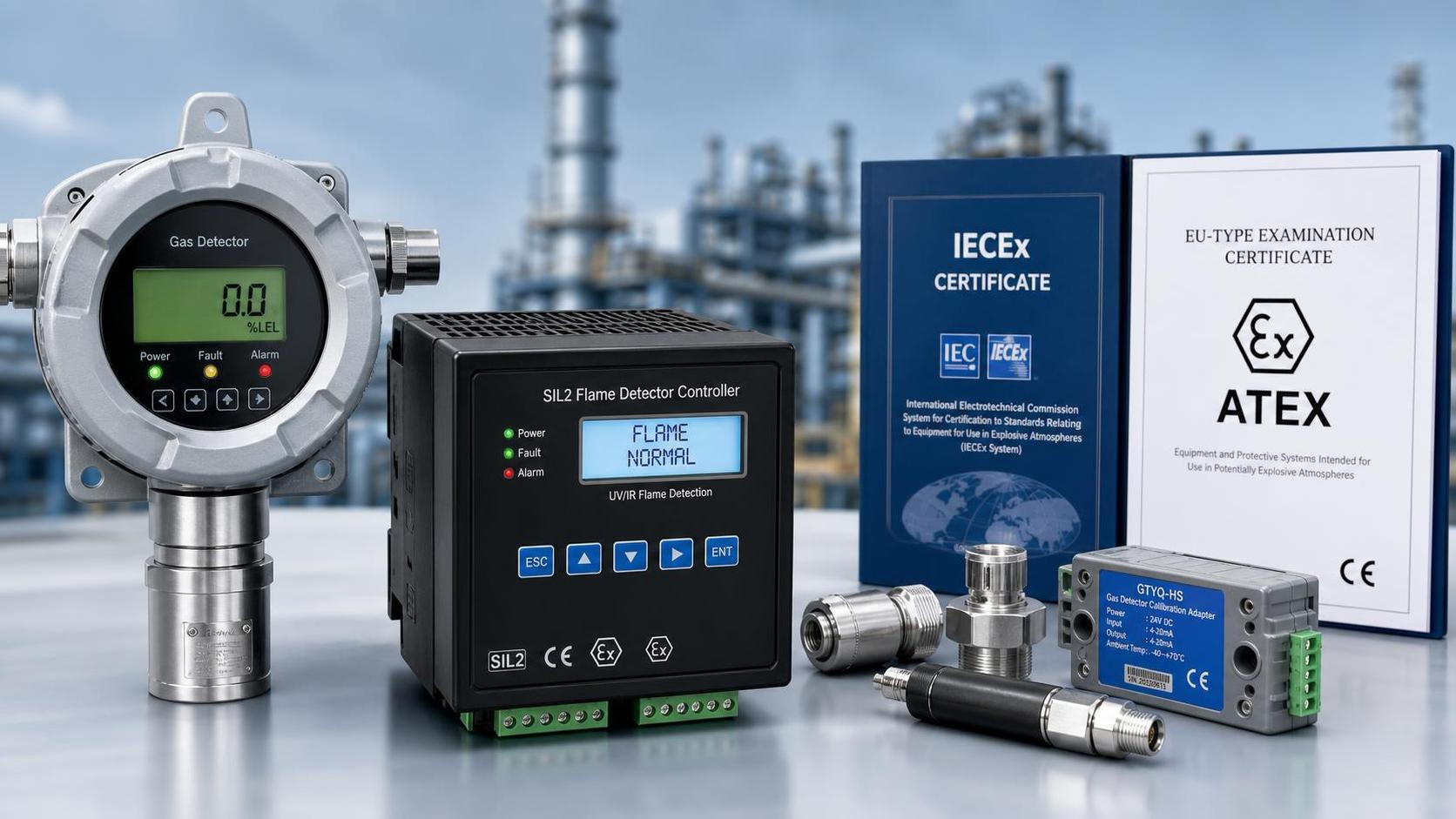
 MICONEX 2026 Signals Higher ATEX, IECEx ScrutinyMICONEX 2026 spotlights ATEX and IECEx scrutiny for gas detectors and SIL2 fire controllers, highlighting certification, calibration, and export-ready service needs.
 MICONEX 2026 Opens in Hefei as Chinese Safety Devices Draw Overseas BuyersMICONEX 2026 highlights Chinese industrial safety monitoring equipment as overseas buyers focus on IEC 61508 SIL2 intelligent gas detection systems for higher-end global projects.
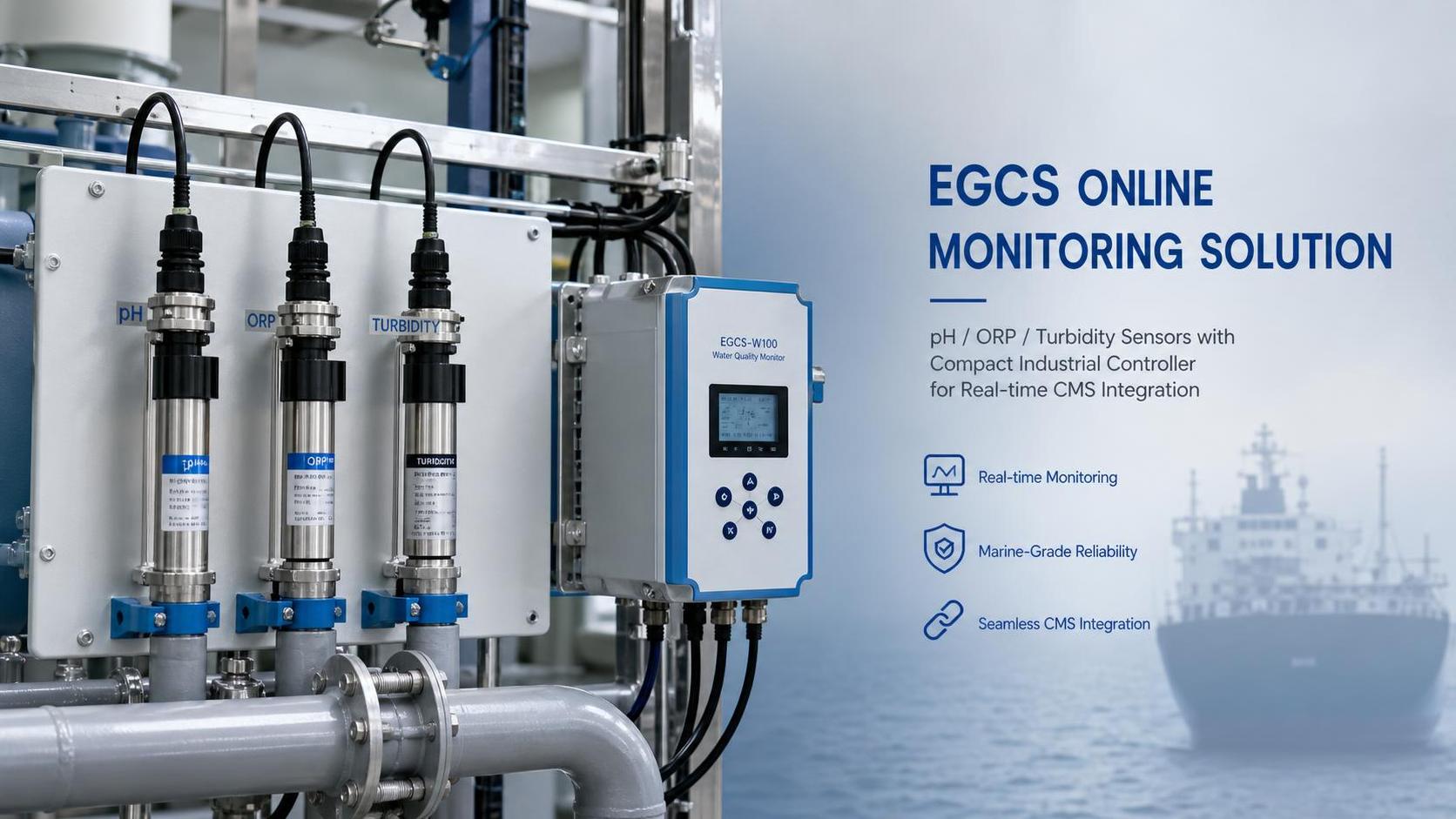
 IMO Updates EGCS Monitoring Guidance for 2026IMO updates EGCS monitoring guidance for 2026, highlighting pH, ORP and turbidity compliance, CMS connectivity, and ISO 17025 traceability for maritime buyers.
 Saudi SASO Rule Adds Arabic UI and EMI Test DutySaudi SASO rule update: Arabic UI and IEC 61326-2-3 EMI testing will become mandatory for environmental monitoring instruments from Nov 1, 2026. See key export and compliance impacts.

Chat Online