


On October 1, 2026, the U.S. Environmental Protection Agency finalized revised ambient air monitoring requirements that require state and local agencies to use only FRM- or FEM-certified PM2.5 monitors by that date. For environmental instrumentation suppliers, procurement teams, certification-related service providers, and exporters serving this segment, the development matters because it turns certification status from a technical preference into a procurement gate, while also bringing tighter attention to calibration, data logging, and cybersecurity readiness.
The rule change confirmed by the EPA notice
The confirmed change is that revised U.S. ambient air monitoring regulations now require state and local agencies to deploy only particulate matter (PM2.5) monitors that carry Federal Reference Method (FRM) or Federal Equivalent Method (FEM) certification, with the deadline set at October 1, 2026. The event summary also indicates that this revision is expected to accelerate demand for certified environmental monitoring instruments and to tighten validation timelines for calibration, data logging, and cybersecurity features.
Where the pressure shifts across the supply chain
Certification status becomes a bid-entry condition
From an industry perspective, manufacturers and exporters of PM2.5 monitoring equipment are likely to feel the most direct impact because FRM or FEM status now aligns more closely with market access for the affected public procurement segment. The practical effect is not only on product design, but also on tender participation, technical document preparation, and proof of conformity during supplier review.
Procurement teams face a narrower eligible supplier pool
Buyers and procurement units serving state or local monitoring projects may need to focus more strictly on whether an instrument is FRM- or FEM-certified before moving into price, lead time, or service discussions. Analysis shows that purchasing decisions in this category are likely to place more weight on validation records tied to calibration, data logging, and cybersecurity-related features, because these areas are specifically highlighted in the event summary as becoming more time-sensitive.
Testing, documentation, and delivery support become more visible
Certification-related service providers, technical documentation teams, and after-sales support functions may also see higher scrutiny. Observably, when certification becomes mandatory for deployment, supporting materials such as technical files, validation records, and compliance-facing documentation become more important in procurement review and delivery acceptance, even where the summary does not provide the detailed execution criteria.
Qualified Chinese exporters may see a time-sensitive opening
The summary explicitly points to urgent procurement opportunities for qualified Chinese exporters. What deserves closer attention is that this opportunity is linked to qualification, not simply production capacity. In practice, exporters in this segment should expect buyers to examine certification alignment, supporting technical evidence, and delivery readiness together rather than treating them as separate steps.
What companies should watch in the near term
Check whether product claims match certification-backed market access
Analysis shows that companies active in PM2.5 monitoring should review whether their current product positioning, bid language, and export materials clearly distinguish between general technical capability and FRM/FEM-certified status. Where certification is the threshold for deployment, unclear claims can create procurement friction or later-stage compliance questions.
Prepare validation files around the features now under tighter timing pressure
The event summary specifically highlights calibration, data logging, and cybersecurity features as areas facing tighter validation timelines. Companies involved in supply, export, or technical support should therefore pay closer attention to whether test records, validation materials, and technical descriptions in bid or delivery packages are complete and internally consistent. This is best understood as a documentation and readiness issue as much as a product issue.
Review procurement and delivery planning against the deadline
Because the rule uses a fixed October 1, 2026 deadline, suppliers and buyers should watch how procurement schedules, qualification checks, and delivery sequencing develop around that date. Observably, even without further execution detail in the input, a hard deadline can compress review cycles for approved suppliers, technical submissions, and acceptance-related preparation.
Keep watching for execution language beyond the headline requirement
The confirmed fact is the mandatory use of FRM/FEM-certified instruments by the stated deadline. Analysis shows that companies should continue monitoring how this requirement is reflected in official wording, procurement specifications, technical review criteria, and implementation practice, especially where the current input does not provide those downstream details.
How this development should be interpreted now
Analysis shows that this is more than a general policy signal. It is more appropriate to understand it as a finalized rule change with direct procurement and compliance implications for the PM2.5 monitoring equipment chain. At the same time, it should not yet be treated as a fully mapped execution framework, because the input does not provide detailed enforcement procedures, document templates, or project-level procurement language. That gap is exactly why industry participants still need to watch follow-on implementation signals closely.
A practical reading for the market
At this stage, the clearest takeaway is that certification status is moving closer to a non-optional condition in the affected U.S. monitoring segment, and that supporting functions around validation are becoming more commercially relevant. For manufacturers, exporters, buyers, and service providers, the event is best read as a confirmed compliance shift with immediate commercial consequences, while the detailed pace of implementation and market response still deserves continued observation.
About the basis of this article
This article is generated from the user-provided news title, event date, and event summary. For developments of this kind, relevant source types usually include official regulatory announcements, notices from supervisory authorities, trade or customs information, industry association updates, standards-related documents, and reporting by established professional media. No specific official source link was provided in the input, so the precise official publication path still needs to be verified on an ongoing basis. What also remains worth monitoring are any detailed implementation statements, certification interpretations, tender document changes, industry feedback, and how companies actually execute against the requirement.


 EU REACH Annex XVII Update Bars Imports of Instruments Using Nickel-Containing Seals from 2027EU REACH Annex XVII update will bar imports of instruments using nickel-containing seals from 2027. Learn how this affects pressure transmitters, control valves, analyzers, testing, and compliance planning.
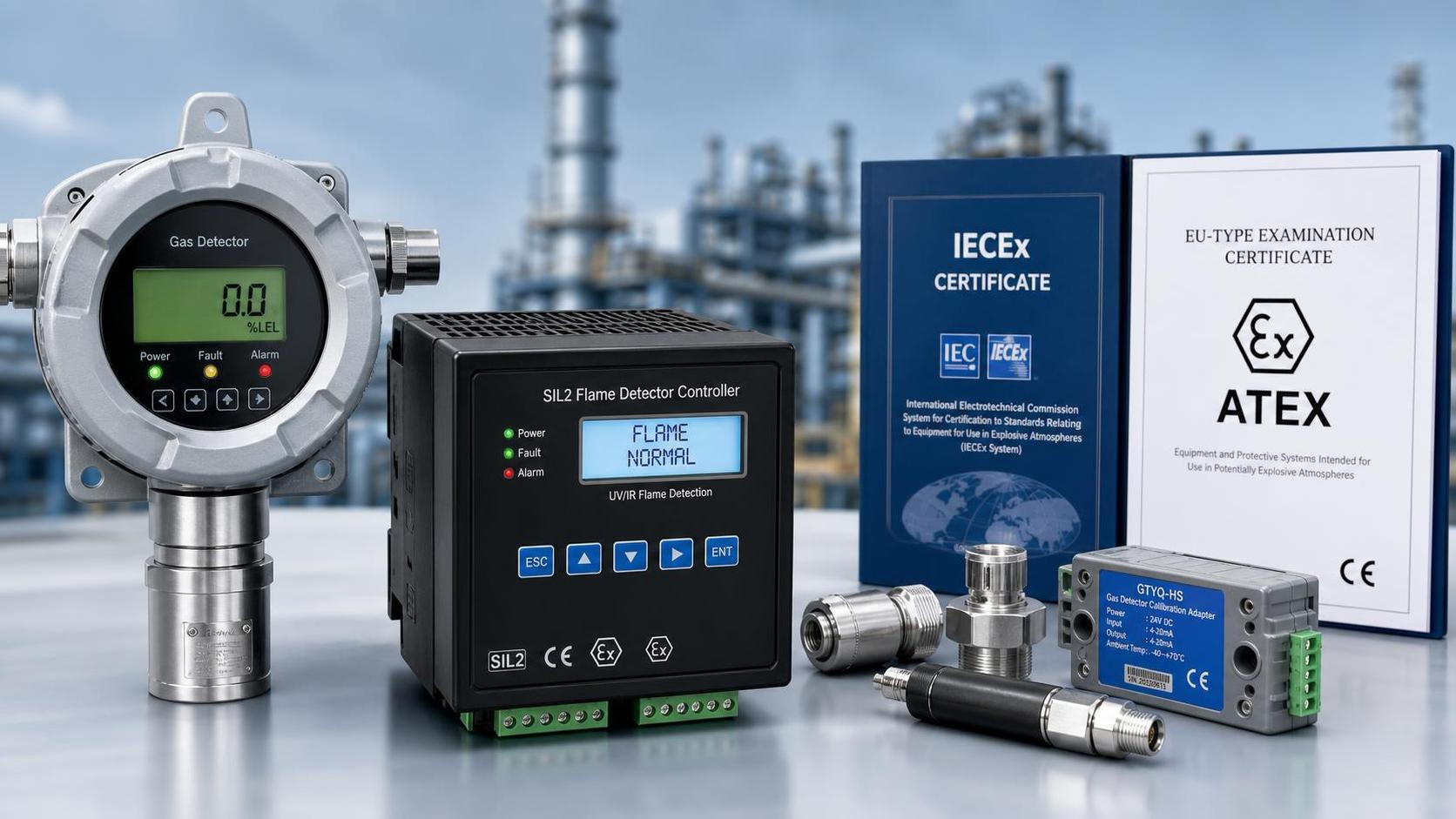
 MICONEX 2026 Signals Higher ATEX, IECEx ScrutinyMICONEX 2026 spotlights ATEX and IECEx scrutiny for gas detectors and SIL2 fire controllers, highlighting certification, calibration, and export-ready service needs.
 MICONEX 2026 Opens in Hefei as Chinese Safety Devices Draw Overseas BuyersMICONEX 2026 highlights Chinese industrial safety monitoring equipment as overseas buyers focus on IEC 61508 SIL2 intelligent gas detection systems for higher-end global projects.
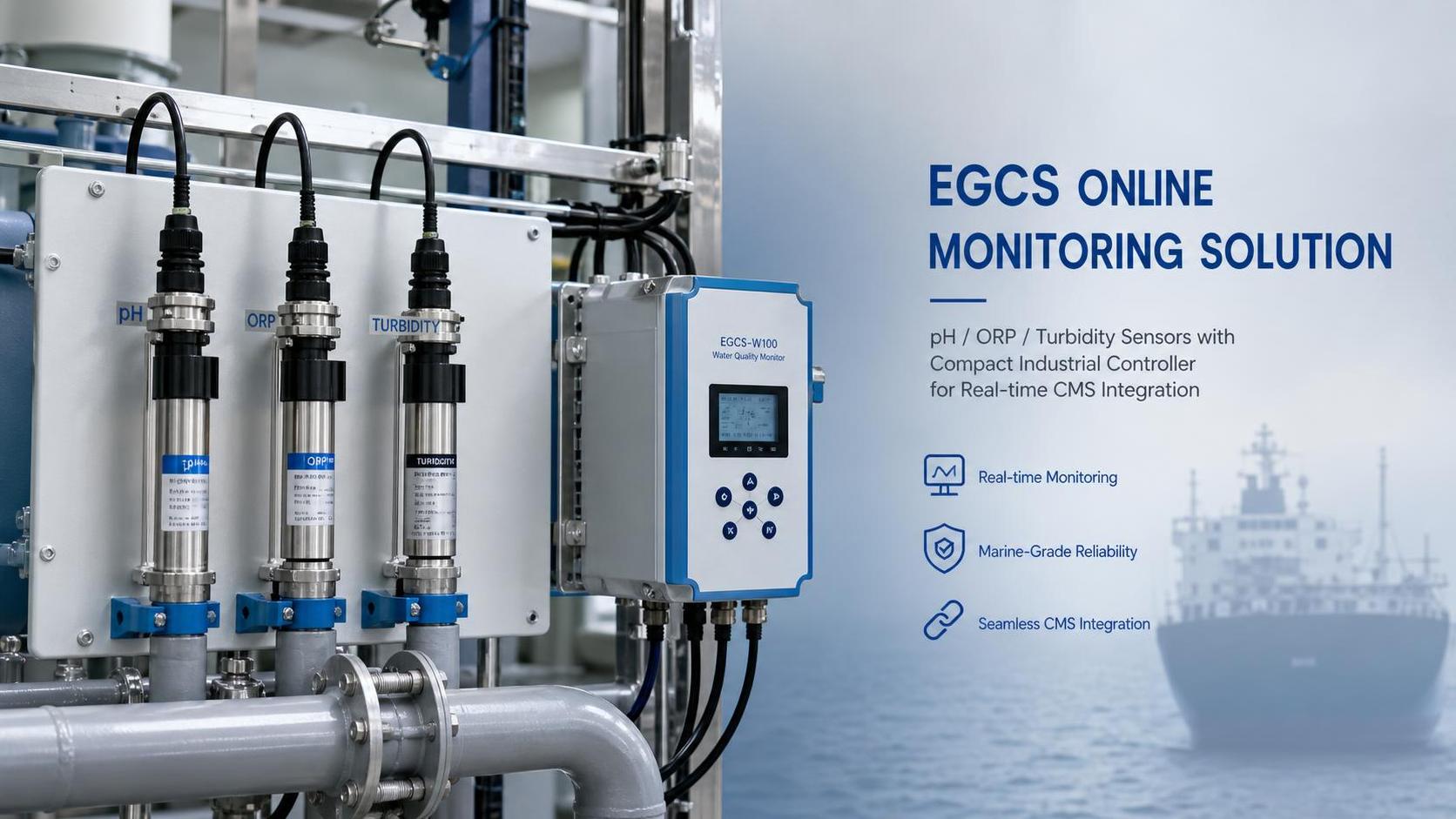
 IMO Updates EGCS Monitoring Guidance for 2026IMO updates EGCS monitoring guidance for 2026, highlighting pH, ORP and turbidity compliance, CMS connectivity, and ISO 17025 traceability for maritime buyers.
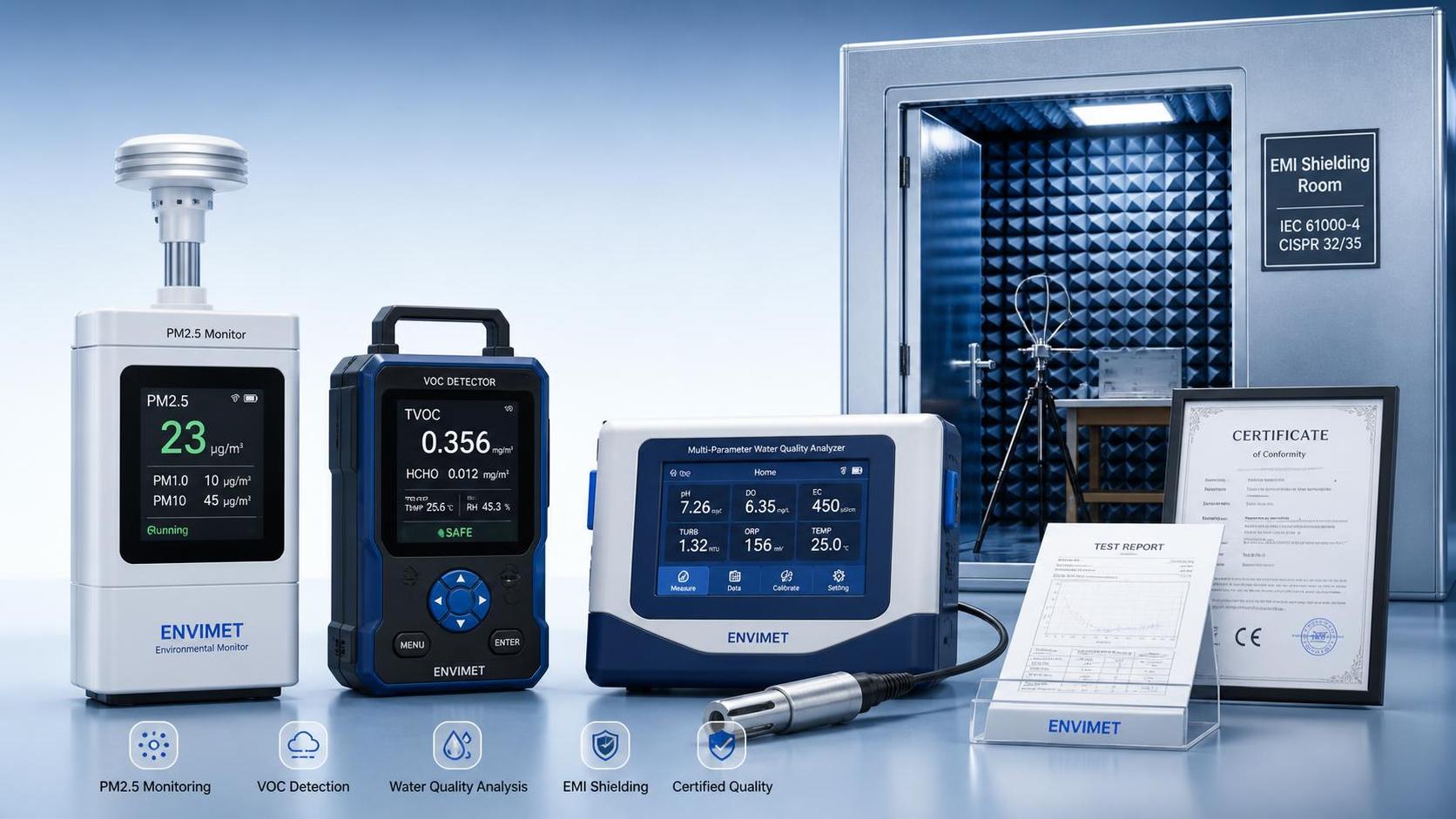
 Saudi SASO Rule Adds Arabic UI and EMI Test DutySaudi SASO rule update: Arabic UI and IEC 61326-2-3 EMI testing will become mandatory for environmental monitoring instruments from Nov 1, 2026. See key export and compliance impacts.
 SASO Tightens Cyber Rules for Monitoring ImportsSASO tightens cyber rules for monitoring imports in Saudi Arabia. Learn how IEC 62443-3-3 certification and SASO-recognized penetration testing will reshape environmental monitoring equipment access.

Chat Online