


On June 9, 2026, the 2026 Shanghai International Instrumentation and Smart Monitoring Exhibition opened with a clearer cross-border business focus: professional buyers from RCEP member countries, especially Thailand, Indonesia, and Malaysia, can now use a pre-registration channel tied to dedicated B2B matchmaking, customized connections for green testing equipment, and logistics support. For suppliers, buyers, and service providers serving oil, chemicals, environmental protection, and power applications, the update is worth watching because it points to how exhibition traffic, product positioning, and regional business development may be organized around practical demand rather than broad promotion alone.
What has been formally announced at the exhibition
The exhibition is being held from June 9 to June 11, 2026 at the National Exhibition and Convention Center in Shanghai. According to the provided event information, the show has formally opened a professional buyer pre-registration channel for RCEP member countries, with particular emphasis on Thailand, Indonesia, and Malaysia. Successful registrants can access a dedicated B2B negotiation area, customized matchmaking services for green testing equipment, and logistics subsidies. The product focus mentioned in the event summary includes online water quality analyzers, portable VOCs monitors, and low-power gas sensors. The exhibition coverage includes core application sectors such as petroleum, chemicals, environmental protection, and power.
Why this matters across the instrumentation value chain
For equipment manufacturers, the signal is about targeted export-facing demand
Analysis shows that the most direct impact falls on manufacturers of green testing and monitoring equipment. The reason is straightforward: the pre-registration channel is linked not only to buyer access, but also to category-specific matchmaking. In business terms, that can affect how suppliers prepare product portfolios, sales materials, and meeting priorities for buyers from Southeast Asia, especially in the named product segments.
For procurement teams, the event creates a more filtered sourcing environment
From an industry perspective, procurement-side participants may be affected because the exhibition is structuring buyer access around pre-registration and dedicated negotiation resources. That may make the sourcing process more focused for companies looking at instrumentation for water quality, VOCs monitoring, or gas sensing. What deserves closer attention is whether buyers can use this channel to shorten supplier screening and compare solutions more efficiently within the exhibition window.
For logistics and supply-chain service providers, support measures become part of deal execution
Observably, logistics subsidies in the event arrangement matter not only as a buyer incentive but also as a practical business detail for companies involved in sample movement, equipment delivery, and exhibition-related transaction support. For supply-chain service providers, the relevant change is less about volume certainty and more about whether trade facilitation at the event level starts to influence how cross-border follow-up is organized after initial meetings.
For end-use sectors, green detection is being placed closer to application demand
Companies in petroleum, chemicals, environmental protection, and power may read this update as a sign that the exhibition is aligning product matchmaking with applied monitoring needs. The likely business impact is on equipment selection, technical discussions, and early supplier engagement rather than on any confirmed procurement outcome. It is more appropriate to understand this as a channel-setting move than as proof of completed market conversion.
What companies should watch next
Track whether official rules or access details change
Companies planning meetings should pay attention to any further official wording around eligibility, registration requirements, and the actual scope of the dedicated B2B area, customized matchmaking, and logistics subsidies. The current information confirms these arrangements exist, but actual participation conditions remain a practical point to verify.
Prioritize the named product categories in meeting preparation
For suppliers and buyers alike, the listed categories—online water quality analyzers, portable VOCs monitors, and low-power gas sensors—deserve closer operational attention. That matters because the event summary specifically ties green testing equipment to customized connections, suggesting that preparation should be product-specific rather than generic.
Separate exhibition signals from completed business results
Analysis shows that companies should avoid treating the launch of a buyer pre-registration channel as evidence of finalized orders or established market expansion. The more practical approach is to use the event as a demand-discovery and relationship-building setting, while keeping internal expectations tied to follow-up discussions, qualification steps, and delivery feasibility.
Prepare documentation and coordination for post-event follow-up
Because the event includes cross-border buyer facilitation and logistics support, relevant teams should focus on materials that help move discussions forward after the exhibition, including product specifications, qualification documents, communication workflows, and delivery coordination plans. The key point is not that outcomes are guaranteed, but that response speed and clarity may matter more when buyer access is already being filtered and supported.
How this update is best interpreted for now
In editorial observation, this development looks less like a standalone exhibition service upgrade and more like a targeted market signal around regional demand connection within RCEP-linked trade activity. At the same time, it should not be overstated. The confirmed facts show a structured buyer access mechanism, category-focused matchmaking, and logistics support, but they do not yet prove longer-term transaction scale or durable changes in procurement patterns. It is more appropriate to understand this as a near-term indicator of how organizers and participants are trying to improve matching efficiency in green detection segments, while the real commercial effect still requires follow-through.
What the industry can conclude at this stage
The immediate significance of this news lies in how the 2026 Shanghai exhibition is organizing international buyer access around specific product categories and applied sectors. For the industry, the most rational reading is that this is a practical, short-term market-connection move with potential longer-term implications if post-event business conversion materializes. In other words, the announcement is meaningful, but it remains something to track through execution and follow-up rather than to treat as a settled market outcome.
Basis of this article and what still needs verification
This article is based on the user-provided news title, event date, and event summary. For this type of industry update, commonly relevant source types may include official exhibition announcements, company notices, industry association updates, authoritative media coverage, and standards-related documents. A specific official source link was not provided in the input, so the underlying official wording and any later updates still need continued verification. The main follow-up points to watch are whether the organizer releases more detailed registration rules, whether the green testing categories remain the main matchmaking focus, and how the buyer-support arrangements are implemented during and after the exhibition period.


 China NECC Launches Fourth 2026 Laboratory Proficiency AssessmentChina’s fourth 2026 laboratory proficiency assessment targets fecal coliforms in water. Explore potential implications for testing labs, monitoring instruments and technical support.
 EU REACH Annex XVII Update Bars Imports of Instruments Using Nickel-Containing Seals from 2027EU REACH Annex XVII update will bar imports of instruments using nickel-containing seals from 2027. Learn how this affects pressure transmitters, control valves, analyzers, testing, and compliance planning.
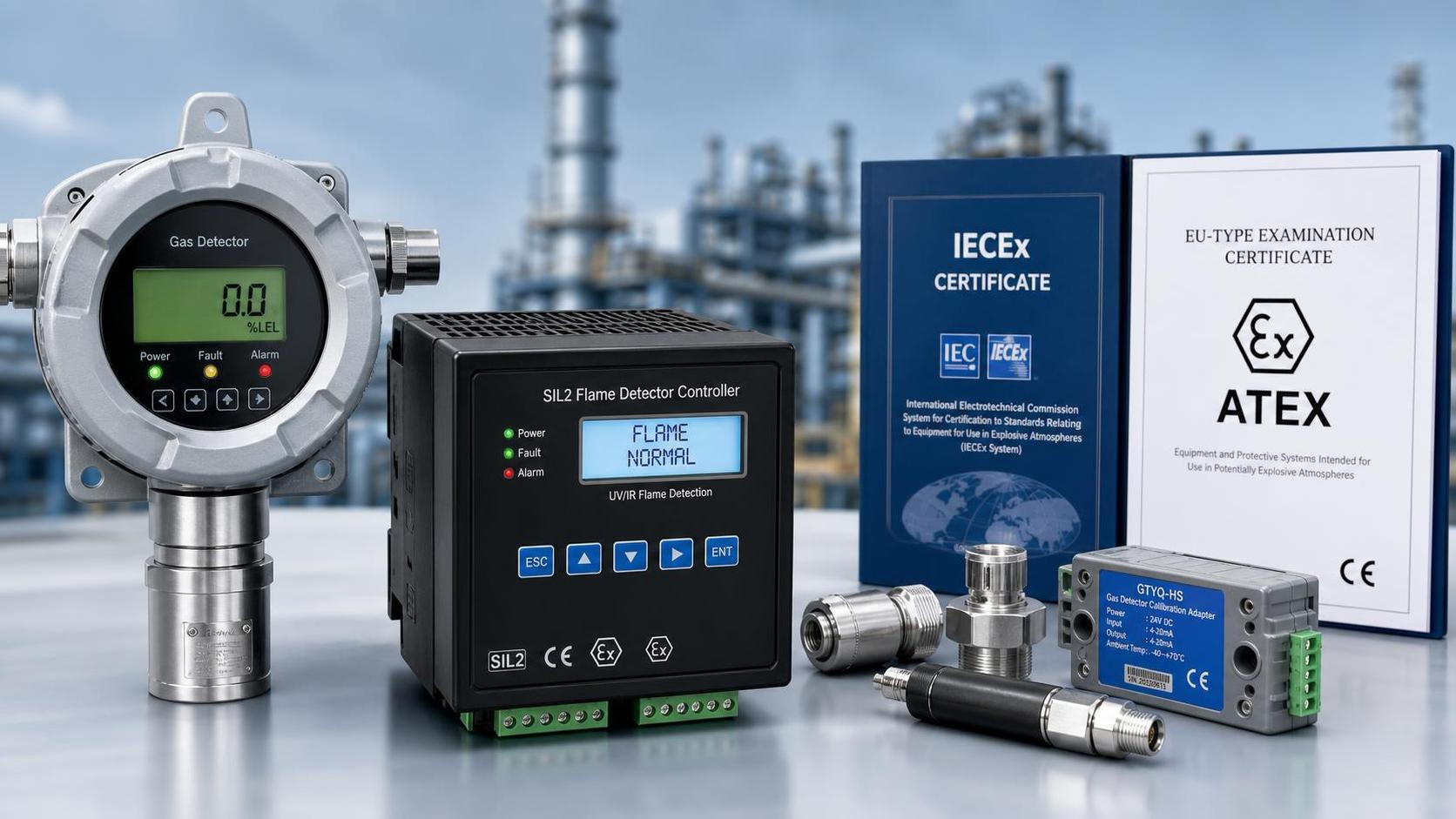
 MICONEX 2026 Signals Higher ATEX, IECEx ScrutinyMICONEX 2026 spotlights ATEX and IECEx scrutiny for gas detectors and SIL2 fire controllers, highlighting certification, calibration, and export-ready service needs.
 MICONEX 2026 Opens in Hefei as Chinese Safety Devices Draw Overseas BuyersMICONEX 2026 highlights Chinese industrial safety monitoring equipment as overseas buyers focus on IEC 61508 SIL2 intelligent gas detection systems for higher-end global projects.
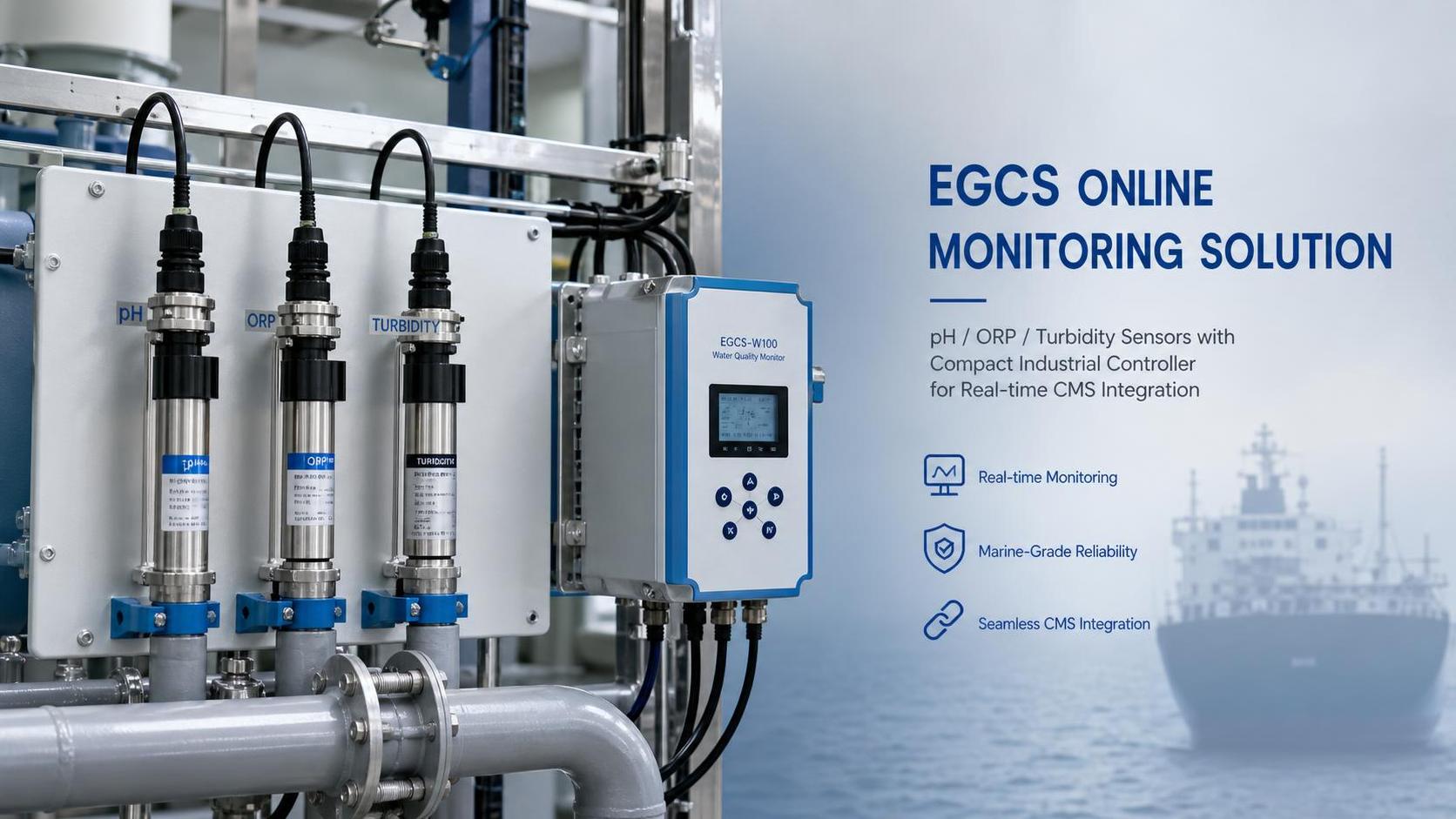
 IMO Updates EGCS Monitoring Guidance for 2026IMO updates EGCS monitoring guidance for 2026, highlighting pH, ORP and turbidity compliance, CMS connectivity, and ISO 17025 traceability for maritime buyers.
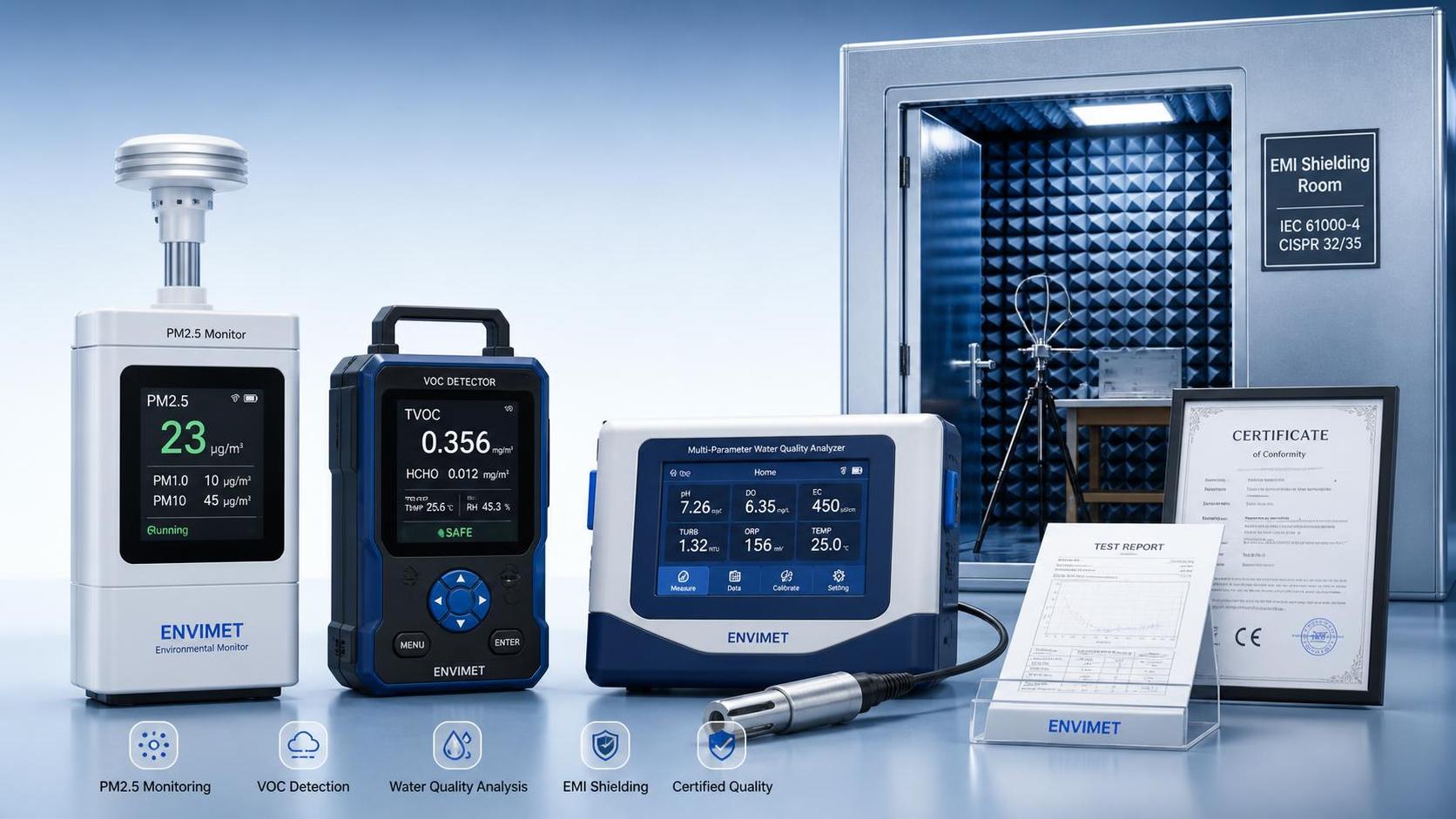
 Saudi SASO Rule Adds Arabic UI and EMI Test DutySaudi SASO rule update: Arabic UI and IEC 61326-2-3 EMI testing will become mandatory for environmental monitoring instruments from Nov 1, 2026. See key export and compliance impacts.


Chat Online