


On June 9, 2026, the 2026 Shanghai International Instrumentation and Smart Monitoring Exhibition launched an RCEP green testing zone during its June 9–11 run, introducing on-site support that combines trade documentation, ASEAN standards pre-assessment, and low-carbon declaration guidance. For instrumentation manufacturers, cross-border buyers, certification providers, and supply chain teams working with Thailand, Vietnam, Malaysia, and other RCEP markets, the development is worth watching because it brings compliance screening and customs-related facilitation closer to the exhibition floor rather than leaving them as separate downstream tasks.
What has been confirmed at the exhibition
According to the event information provided, the exhibition formally opened the RCEP green testing zone on June 9, 2026. The zone operates in cooperation with SGS, Bureau Veritas, and China Quality Certification Centre (CQC). Its stated services for buyers from RCEP member countries including Thailand, Vietnam, and Malaysia include on-site preliminary review of certificates of origin, pre-assessment against ASEAN standards such as TISI and MS, and guidance on preparing green and low-carbon declarations including EPD and LCA documentation.
The same event information also states that exhibitors can use their exhibitor badges to access a priority inspection channel linked to AEO advanced certification at ASEAN ports. No further operational details beyond these arrangements are provided in the input.
Where the immediate business impact may appear
For exhibitors selling into ASEAN markets
From an industry perspective, exhibitors are the most directly affected group because the new service mix touches market entry preparation, technical communication, and shipment planning at the same time. The likely impact is concentrated in document readiness, product standard matching, and pre-delivery compliance checks, especially where sales discussions with ASEAN buyers depend on whether origin paperwork and applicable local standards can be addressed early.
For buyers from RCEP member countries
Analysis shows that buyers may benefit from a shorter path between product selection and initial compliance screening. The practical value is not only in procurement discussions, but also in reducing uncertainty around whether a product may need further standards review or low-carbon documentation work before cross-border transactions move forward. What deserves closer attention is how buyers use these on-site pre-assessments to compare suppliers and filter candidates more efficiently.
For testing, certification, and compliance service providers
For service organizations involved in standards, inspection, and declarations, this arrangement suggests that technical support is being positioned earlier in the sales cycle. Rather than entering only after orders are confirmed, service providers are appearing at the point where buyer qualification, standards interpretation, and documentation planning begin. That may shift more attention toward pre-assessment, advisory coordination, and faster issue identification.
For logistics and customs-facing supply chain teams
The mention of priority inspection access related to AEO advanced certification may matter to teams responsible for customs handling and delivery timelines. Observably, the key business link here is not broad logistics reform, but whether exhibitors can connect exhibition-stage business development with more predictable clearance arrangements at relevant ASEAN port interfaces. Companies involved in shipping and delivery should therefore watch the documentation and eligibility conditions behind that channel.
What companies should watch next
Document preparation cannot remain a post-sale task
Companies targeting RCEP buyers should pay attention to whether certificates of origin and supporting materials are ready for preliminary review before final transaction stages. The event setup implies that origin-related documentation is becoming part of earlier buyer conversations, not just an export processing step handled later.
Standards mapping should be discussed product by product
The reference to TISI and MS pre-assessment means companies should distinguish between a general market-entry intention and the actual standards path for each product line. In practice, firms should pay close attention to which products are likely to trigger immediate technical questions from ASEAN buyers and whether internal teams can respond with clear compliance materials.
Low-carbon declarations may increasingly affect commercial dialogue
The inclusion of EPD and LCA guidance suggests that environmental documentation is entering the transaction discussion alongside conventional conformity matters. It is more appropriate to understand this as a signal to review data readiness, declaration scope, and customer communication, rather than to assume that all products now face identical low-carbon requirements.
Facilitation and actual execution are not the same thing
Companies should also separate the presence of an exhibition service channel from full operational certainty in later trade execution. What deserves closer attention is how any preliminary review, pre-assessment, or priority inspection arrangement translates into actual order processing, customs timing, and delivery commitments after the exhibition ends.
Why this reads as a coordination signal
Analysis shows that this development is best understood as a coordination signal across trade, technical compliance, and green documentation rather than as a completed market outcome. The exhibition is not simply adding another promotional service; it is placing origin review, ASEAN standards pre-assessment, and carbon-related documentation guidance into one visible workflow. That suggests market participants are being encouraged to treat market access preparation as an integrated commercial task.
At the same time, it would be premature to treat the move as proof of wider structural change across all RCEP trade flows. The current information confirms the launch of the zone and its service scope, but it does not yet establish how broadly these services will be used, how consistently they will support later transactions, or whether similar arrangements will be repeated in other trade settings. Continued observation is therefore necessary.
How this is best understood for now
For the instrumentation and smart monitoring sector, the practical meaning of this update lies in earlier alignment between buyer engagement and compliance preparation. The short-term effect is likely to be strongest for exhibitors and buyers actively negotiating cross-border opportunities during the exhibition period. More broadly, it is more appropriate to understand the move as an operational signal worth tracking, especially for companies that rely on ASEAN market access, technical pre-checks, and supporting documentation to move deals forward.
Basis of this article
This article is based on the user-provided news title, event date, and event summary. The analysis above separates confirmed facts from editorial observation and does not add unverified data, market figures, or external case details.
For this type of industry update, common source categories would usually include official exhibition announcements, company statements, industry association releases, authoritative media coverage, and documents from relevant standards or certification bodies. However, no specific official source link was provided in the input, so the exact original source link remains to be verified. Follow-up attention should focus on any later official clarification regarding service procedures, eligibility conditions, and the practical implementation of the priority inspection arrangement.


 China NECC Launches Fourth 2026 Laboratory Proficiency AssessmentChina’s fourth 2026 laboratory proficiency assessment targets fecal coliforms in water. Explore potential implications for testing labs, monitoring instruments and technical support.
 EU REACH Annex XVII Update Bars Imports of Instruments Using Nickel-Containing Seals from 2027EU REACH Annex XVII update will bar imports of instruments using nickel-containing seals from 2027. Learn how this affects pressure transmitters, control valves, analyzers, testing, and compliance planning.
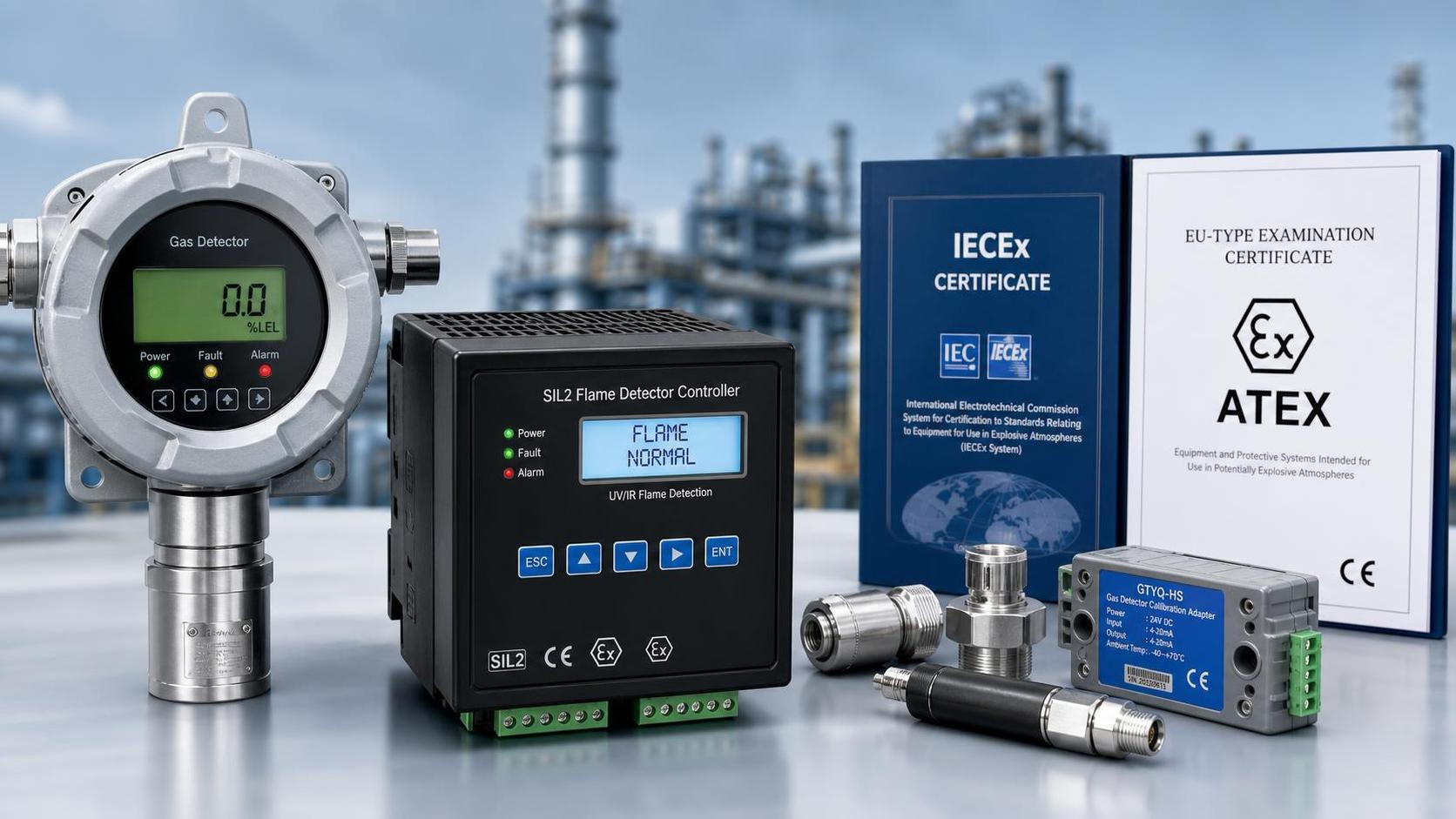
 MICONEX 2026 Signals Higher ATEX, IECEx ScrutinyMICONEX 2026 spotlights ATEX and IECEx scrutiny for gas detectors and SIL2 fire controllers, highlighting certification, calibration, and export-ready service needs.
 MICONEX 2026 Opens in Hefei as Chinese Safety Devices Draw Overseas BuyersMICONEX 2026 highlights Chinese industrial safety monitoring equipment as overseas buyers focus on IEC 61508 SIL2 intelligent gas detection systems for higher-end global projects.
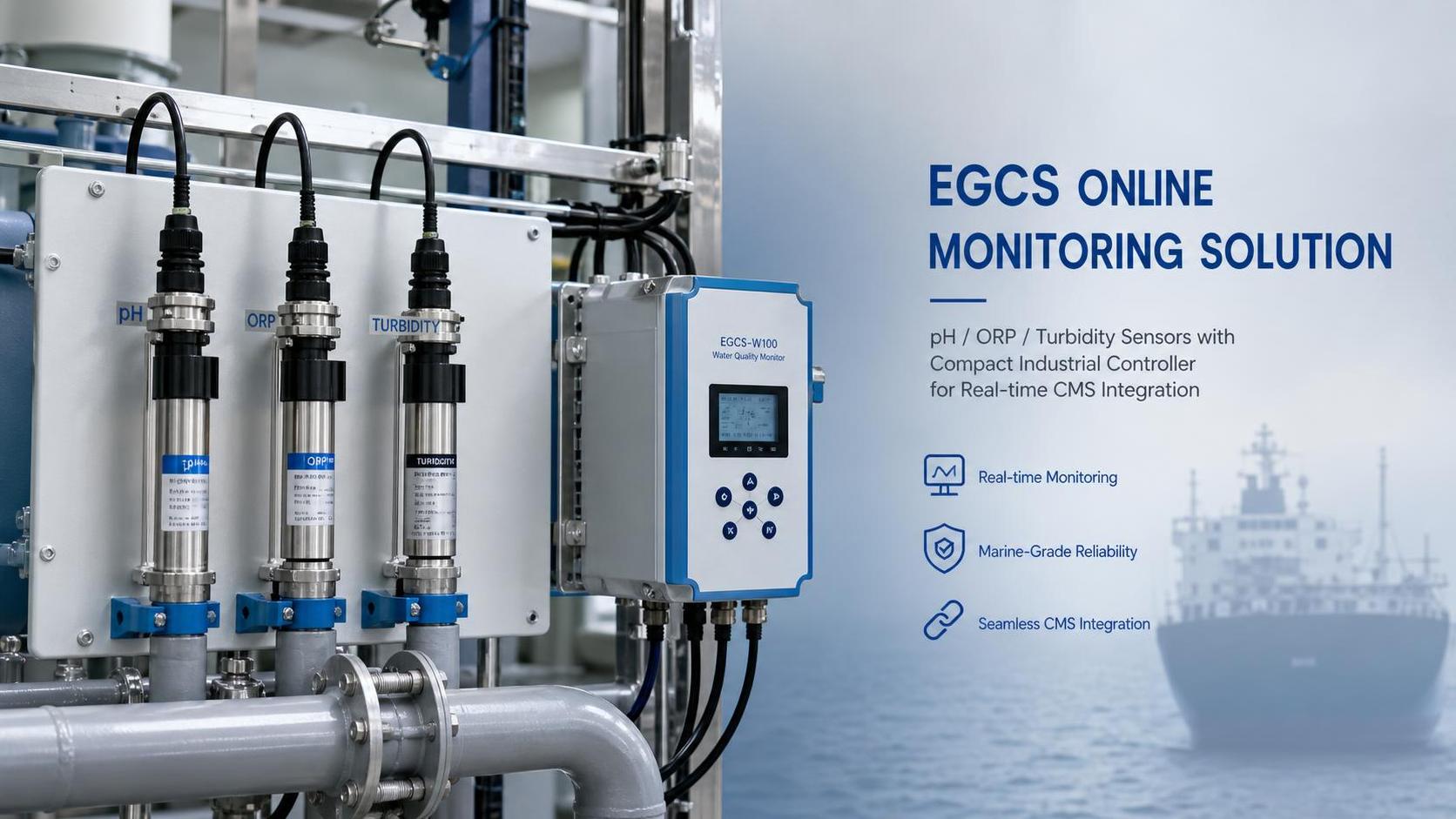
 IMO Updates EGCS Monitoring Guidance for 2026IMO updates EGCS monitoring guidance for 2026, highlighting pH, ORP and turbidity compliance, CMS connectivity, and ISO 17025 traceability for maritime buyers.
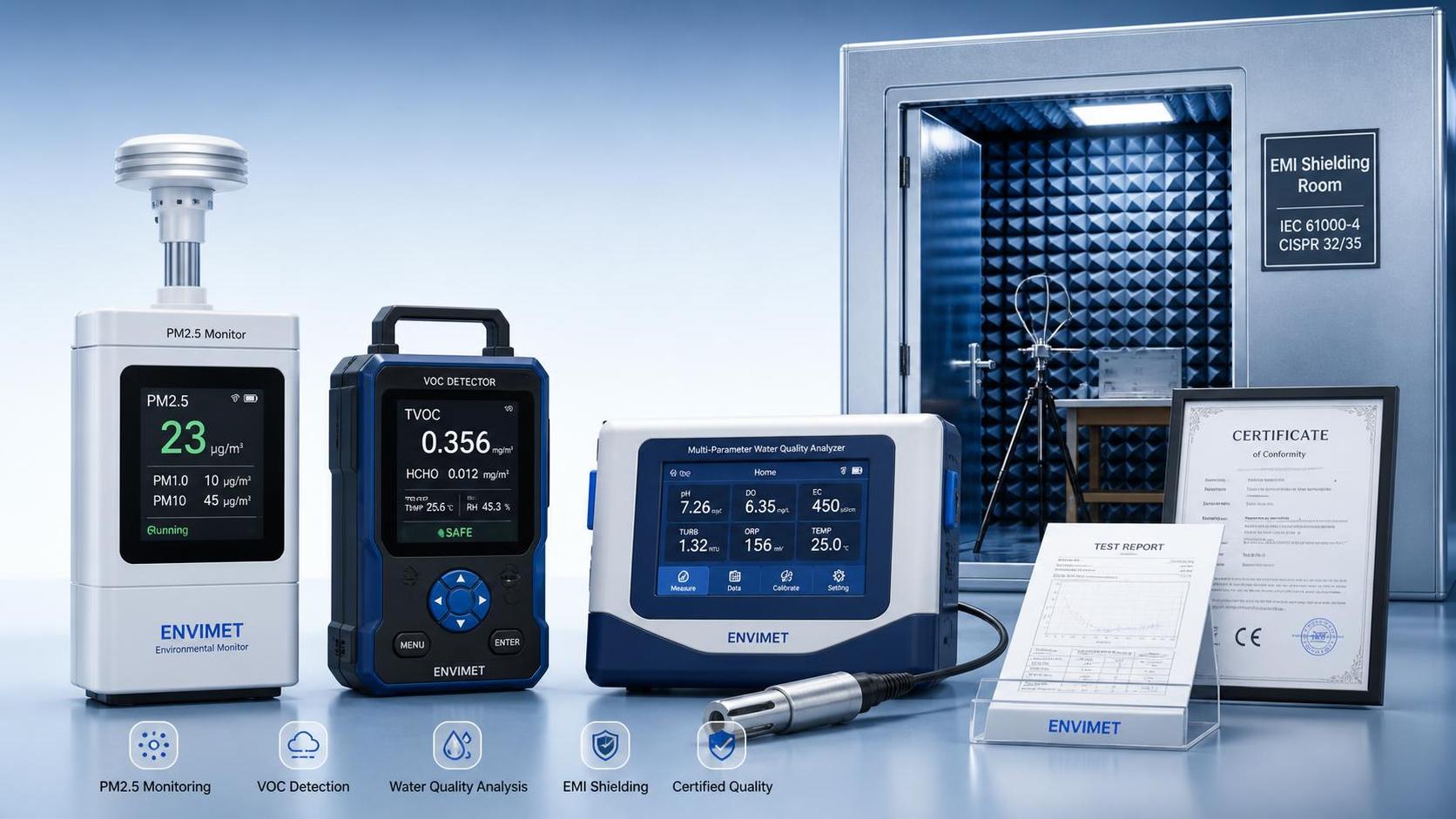
 Saudi SASO Rule Adds Arabic UI and EMI Test DutySaudi SASO rule update: Arabic UI and IEC 61326-2-3 EMI testing will become mandatory for environmental monitoring instruments from Nov 1, 2026. See key export and compliance impacts.


Chat Online