


On June 9, 2026, the 2026 Shanghai International Instrumentation and Smart Monitoring Exhibition opened a dedicated RCEP green testing zone, placing attention on water and air monitoring equipment aligned with ASEAN green standards, low-power sensors, and calibration systems with traceable carbon-footprint records. The parallel launch of a pre-registration fast track for ASEAN importers, tied to proof of commercial registration and access to one-to-one technical matchmaking, is worth industry attention because it links exhibition access, technical screening, and cross-border procurement signals in one setting. For manufacturers, exporters, import buyers, calibration-related providers, and compliance-facing sales teams, the development is less about event traffic alone and more about how green-standard alignment may increasingly shape product presentation, buyer filtering, and early-stage trade discussions.
A new trade-access and standards-focused arrangement at the exhibition
According to the provided event information, the exhibition runs from June 9 to 11, 2026 and has formally established an RCEP-themed green testing area. The featured categories are water-quality and atmospheric monitoring devices that meet ASEAN green standards, low-power sensors, and calibration systems designed for carbon-footprint traceability.
The organizer, together with the ASEAN-China Centre, has also opened a pre-registration green channel. Under the stated arrangement, ASEAN importers may enter without queueing by presenting a commercial registration certificate, and they may also book one-to-one technical matchmaking meetings.
These are the confirmed facts available from the event title, date, and summary. No further regulatory text, implementation rule, or official technical criteria was provided in the input.
Where the practical impact is likely to appear first
For equipment suppliers targeting cross-border deals
Analysis shows that suppliers of monitoring equipment and sensor products may feel the effect first in pre-sales and specification alignment. Because the zone explicitly highlights products meeting ASEAN green standards, vendors are likely to face closer buyer attention on whether their product claims, test records, calibration materials, and technical descriptions can support that positioning. The immediate business impact is therefore likely to appear in product documentation, quotation support, technical presentations, and bid-stage communication rather than in a confirmed rule change to customs clearance or market access.
For ASEAN import buyers and procurement teams
From an industry perspective, the green channel matters because it lowers access friction at the point of supplier screening. Queue-free entry tied to commercial registration and the option to reserve one-to-one technical meetings suggest a more structured procurement interface for qualified buyers. In practice, buyers may place greater emphasis on whether a supplier can present compliance-related evidence clearly and quickly, especially for environmental monitoring performance, low-power design claims, and traceable calibration information.
For calibration, testing, and compliance-support service providers
Observably, the mention of carbon-footprint traceable calibration systems gives testing and calibration-related firms a clearer point of relevance in commercial discussions. The potential impact lies in how traceability records, supporting documents, and verification language are prepared for customer review. What deserves closer attention is not a confirmed new certification requirement, but a stronger commercial expectation that technical assurance and sustainability-linked records may be discussed earlier in the transaction process.
For distribution and delivery coordination roles
Distributors, channel partners, and supply-chain coordinators may also need to watch how this affects product selection and delivery planning. If buyers begin screening suppliers through a standards-focused exhibition mechanism, the pressure may shift upstream to stock-keeping choices, supplier qualification files, and after-sales readiness. The key change to monitor is whether procurement conversations begin asking for more complete technical files before order confirmation.
What companies should review now
Check how green-standard claims are presented
Analysis shows that companies displaying or promoting relevant products should review whether their materials describe alignment with ASEAN green standards in a precise and supportable way. If the underlying criteria, test basis, or applicable scope are not fully stated in the input, firms should avoid overstating compliance and should prepare to explain the basis for any claim during technical matchmaking.
Prepare core documents for faster buyer scrutiny
Because the event setup combines buyer fast-track entry with one-to-one technical meetings, suppliers should pay close attention to the readiness of commercial and technical files. This includes product specifications, testing records, calibration documentation, traceability descriptions, and any procurement-facing materials likely to be requested during early discussions. The practical issue is speed and consistency of response, not only product performance.
Watch for follow-up wording and execution signals
What deserves closer attention is whether subsequent official wording, exhibitor guidance, or procurement documents further define how terms such as ASEAN green standards and carbon-footprint traceability are being used in practice. The current information confirms a themed exhibition arrangement and buyer-access facilitation, but it does not yet provide a detailed execution framework. Companies should therefore monitor whether later documents sharpen technical thresholds, document expectations, or meeting-entry conditions.
Align sales, compliance, and delivery communication
From an operational perspective, firms involved in export-oriented instrumentation should ensure that sales teams, compliance personnel, and delivery coordinators use the same descriptions for product capabilities and supporting records. If buyers enter discussions through a standards-focused channel, inconsistencies between brochures, technical sheets, and post-sale support commitments may become more visible at an earlier stage.
Why this looks more like an execution signal than a finished rulebook
Observably, this development is best understood as a market-facing execution signal rather than a fully defined regulatory change. The exhibition has created a visible commercial space around green-standard alignment and has added a facilitation mechanism for ASEAN importers, which indicates that compliance-related positioning is becoming more central in supplier-buyer engagement.
At the same time, analysis shows that the input does not establish a new law, formal mandatory certification text, or a published enforcement standard. For that reason, the industry should avoid treating the event itself as proof of a completed compliance regime. It is more appropriate to understand this as an indicator of where technical procurement attention may be moving, while continuing to verify later details through formal channels.
How the market should read this development for now
This event points to a closer connection between green-standard language, technical matchmaking, and cross-border buyer access in the instrumentation and smart monitoring field. Its practical significance lies in the possibility that procurement conversations may increasingly begin with documentation quality, traceability readiness, and standards-fit explanations rather than with price alone.
A rational reading at this stage is that the change is meaningful as an execution and market-screening signal, but still requires continued observation before being treated as a settled rule framework. Companies should therefore respond with stronger documentation discipline and closer monitoring of follow-up wording, rather than assuming that all compliance expectations have already been fully defined.
Basis of this article and what still needs verification
This article is generated from the user-provided news title, event date, and event summary. For developments of this kind, commonly relevant source types may include official exhibition notices, releases from regulatory or trade-related bodies, customs or trade authority information, industry association updates, standards documentation, and reporting by authoritative media.
No specific official source link was provided in the input, so the precise official basis still requires ongoing verification. Observably, the points that still merit follow-up include any later clarification on execution details, certification or standards wording, procurement-document changes, technical review expectations, market feedback, and how participating companies implement related claims and supporting records in practice.


 EU REACH Annex XVII Update Bars Imports of Instruments Using Nickel-Containing Seals from 2027EU REACH Annex XVII update will bar imports of instruments using nickel-containing seals from 2027. Learn how this affects pressure transmitters, control valves, analyzers, testing, and compliance planning.
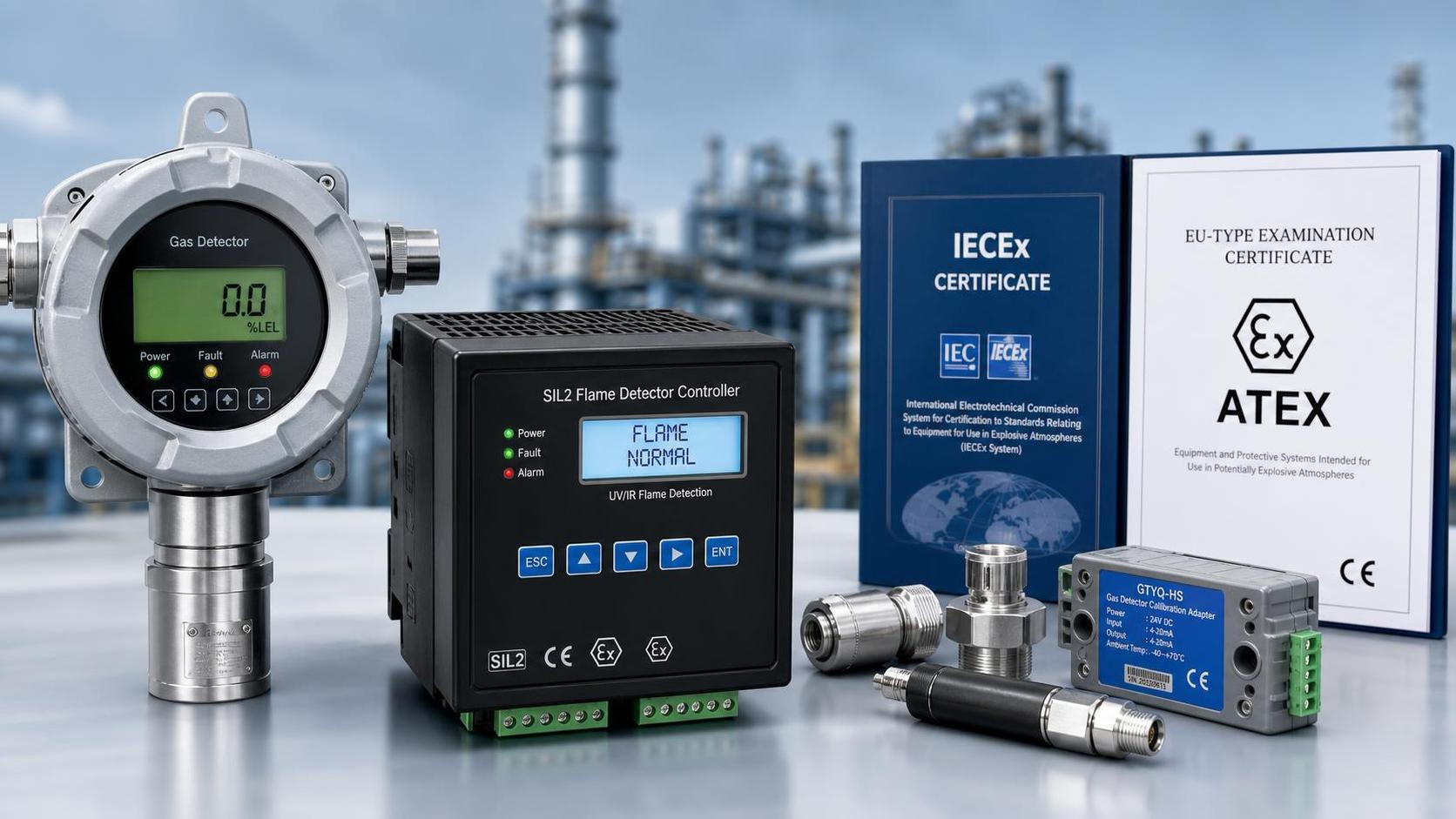
 MICONEX 2026 Signals Higher ATEX, IECEx ScrutinyMICONEX 2026 spotlights ATEX and IECEx scrutiny for gas detectors and SIL2 fire controllers, highlighting certification, calibration, and export-ready service needs.
 MICONEX 2026 Opens in Hefei as Chinese Safety Devices Draw Overseas BuyersMICONEX 2026 highlights Chinese industrial safety monitoring equipment as overseas buyers focus on IEC 61508 SIL2 intelligent gas detection systems for higher-end global projects.
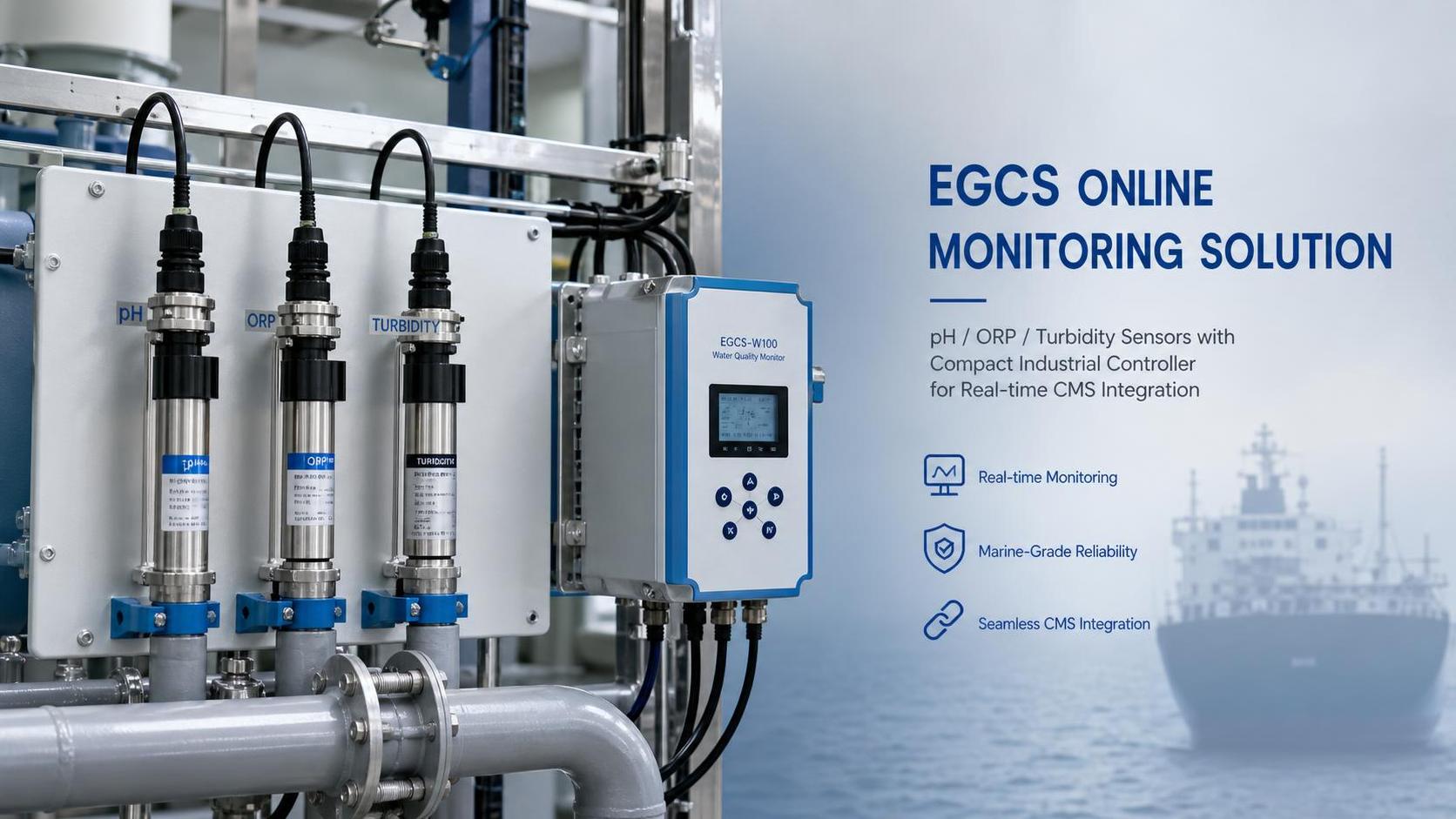
 IMO Updates EGCS Monitoring Guidance for 2026IMO updates EGCS monitoring guidance for 2026, highlighting pH, ORP and turbidity compliance, CMS connectivity, and ISO 17025 traceability for maritime buyers.
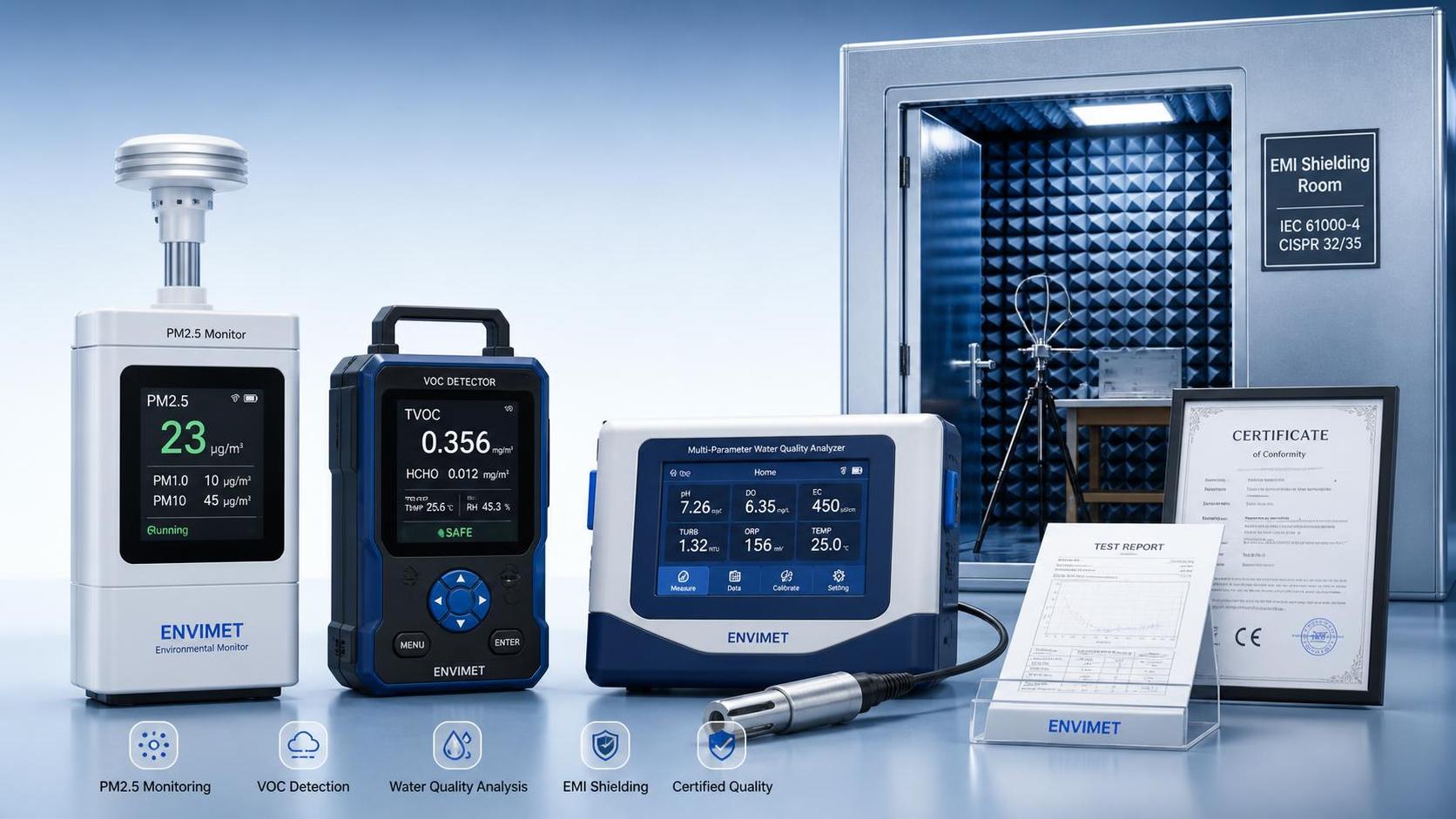
 Saudi SASO Rule Adds Arabic UI and EMI Test DutySaudi SASO rule update: Arabic UI and IEC 61326-2-3 EMI testing will become mandatory for environmental monitoring instruments from Nov 1, 2026. See key export and compliance impacts.
 SASO Tightens Cyber Rules for Monitoring ImportsSASO tightens cyber rules for monitoring imports in Saudi Arabia. Learn how IEC 62443-3-3 certification and SASO-recognized penetration testing will reshape environmental monitoring equipment access.



Chat Online