


On June 9, 2026, the 2026 Shanghai Instrumentation Expo opened with a new RCEP green testing zone focused on environmentally friendly instruments, including water quality analyzers, continuous flue gas monitoring systems, and energy-efficiency metering terminals. The move is worth close attention from instrument manufacturers, exporters, buyers, compliance teams, and cross-border service providers because it links exhibition activity with faster recognition and import pre-review support for several ASEAN markets, pointing to a more operational approach to market access rather than a purely promotional trade show feature.
What the new zone formally introduces
According to the provided event information, the expo has established an RCEP green testing zone in cooperation with the China National Accreditation Service for Conformity Assessment (CNAS) and the ASEAN Consultative Committee for Standards and Quality (ASEAN-ACQ). The zone offers “on-site acceptance plus fast mutual recognition” services for environmentally friendly instruments such as water quality analyzers, continuous emissions monitoring systems, and energy-efficiency metering terminals. Exhibitors can also obtain import pre-review support for multiple ASEAN countries, specifically Thailand, Vietnam, and Malaysia. The provided summary states that this can shorten market entry cycles by as much as 40%.
Where the impact may be felt first
Manufacturers with export-oriented product lines
From an industry perspective, producers of environmental and efficiency-related instruments may be affected first because the arrangement directly touches conformity assessment and market-entry preparation. The practical impact is likely to center on product certification workflows, document readiness, and the timing of export plans tied to Thailand, Vietnam, and Malaysia.
Buyers and procurement teams looking at ASEAN demand
For procurement functions and overseas sales teams, the new setup matters because it may reduce uncertainty between exhibition discussions and actual import preparation. What deserves closer attention is whether target products fall clearly within the supported categories and how quickly pre-review support can be translated into concrete transaction planning.
Testing, compliance, and trade support service providers
Service providers working around testing, market access, customs coordination, and technical documentation may also see near-term effects. Analysis shows that when “on-site acceptance” and “fast mutual recognition” are highlighted together, supporting service work can shift earlier in the sales cycle, especially around technical files, qualification materials, and coordination with destination-market requirements.
What companies should watch now
Clarify the exact scope of eligible products
Companies should pay attention to how the relevant product categories are described in official event or institutional language. The current information names water quality analyzers, continuous flue gas monitoring systems, and energy-efficiency metering terminals, so firms with adjacent products should avoid assuming inclusion without further confirmation.
Separate policy signaling from actual execution
Analysis shows that the announcement sends a clear facilitation signal, but businesses still need to distinguish between a service framework presented at the expo and the full set of requirements needed for actual import clearance or acceptance in each market. This is especially important for teams aligning sales commitments with delivery schedules.
Prepare technical and qualification documents earlier
Because the mechanism combines faster recognition with import pre-review support, exhibitors and exporters should focus on whether their testing records, qualification documents, and product information are complete and internally consistent. In operational terms, earlier preparation may matter as much as participation in the zone itself.
Track country-specific follow-up for Thailand, Vietnam, and Malaysia
The provided information specifically mentions Thailand, Vietnam, and Malaysia. For companies prioritizing these markets, the key issue is not only whether review time may be shortened, but also how each target market handles follow-up procedures, communication, and commercial rollout after preliminary support is obtained.
Why this should be read as a market-access signal
Observably, this development is more than a standard exhibition-side service update because it connects accreditation, standards coordination, and import pre-review into one visible mechanism. At the same time, it is more appropriate to understand this as a strong operational signal rather than a finalized change to all market-entry conditions. The information indicates a pathway for acceleration, but the real industry significance will depend on how consistently the mechanism is used and how effectively companies convert it into cross-border shipments and customer acceptance.
How to interpret the development at this stage
At this stage, the launch of the RCEP green testing zone suggests that environmental instrument trade with ASEAN markets is being supported through a more direct link between testing recognition and pre-entry coordination. For the industry, the immediate value lies in time reduction and earlier technical alignment. A neutral reading is that this is a practical near-term development with possible longer-term implications, but it still requires continued observation before being treated as a settled shift in regional market access conditions.
Basis of this article and what still needs verification
This article is based on the user-provided news title, event date, and event summary. For this type of development, commonly relevant source categories may include official event announcements, statements from participating institutions, industry association updates, authoritative media coverage, and standards-related documents. A specific official source link was not provided in the input, so further verification is still needed. Follow-up attention should focus on any official clarification of eligible product scope, service procedures, and the practical implementation details related to Thailand, Vietnam, and Malaysia.


 China NECC Launches Fourth 2026 Laboratory Proficiency AssessmentChina’s fourth 2026 laboratory proficiency assessment targets fecal coliforms in water. Explore potential implications for testing labs, monitoring instruments and technical support.
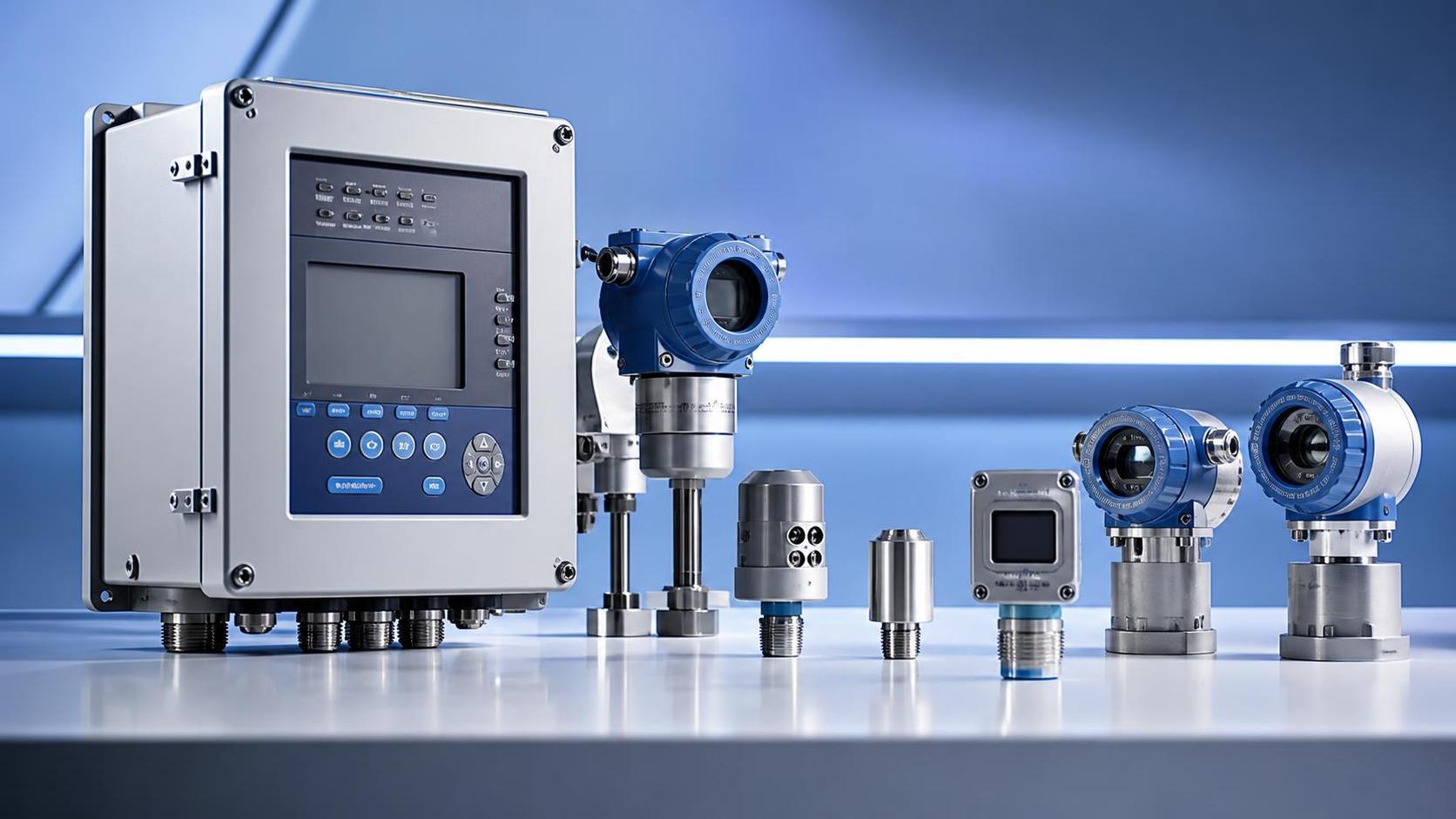
 EU REACH Annex XVII Update Bars Imports of Instruments Using Nickel-Containing Seals from 2027EU REACH Annex XVII update will bar imports of instruments using nickel-containing seals from 2027. Learn how this affects pressure transmitters, control valves, analyzers, testing, and compliance planning.
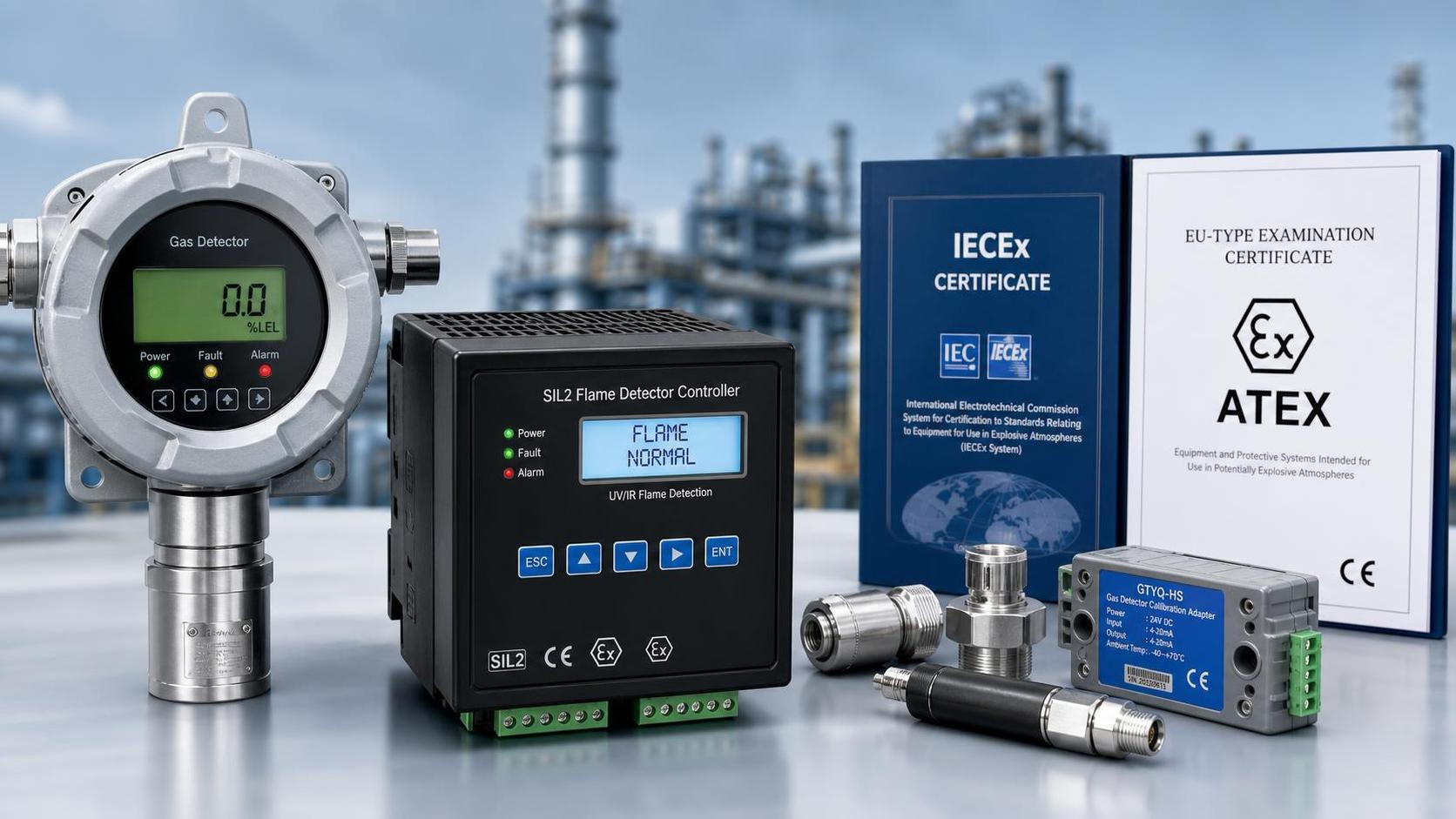
 MICONEX 2026 Signals Higher ATEX, IECEx ScrutinyMICONEX 2026 spotlights ATEX and IECEx scrutiny for gas detectors and SIL2 fire controllers, highlighting certification, calibration, and export-ready service needs.
 MICONEX 2026 Opens in Hefei as Chinese Safety Devices Draw Overseas BuyersMICONEX 2026 highlights Chinese industrial safety monitoring equipment as overseas buyers focus on IEC 61508 SIL2 intelligent gas detection systems for higher-end global projects.
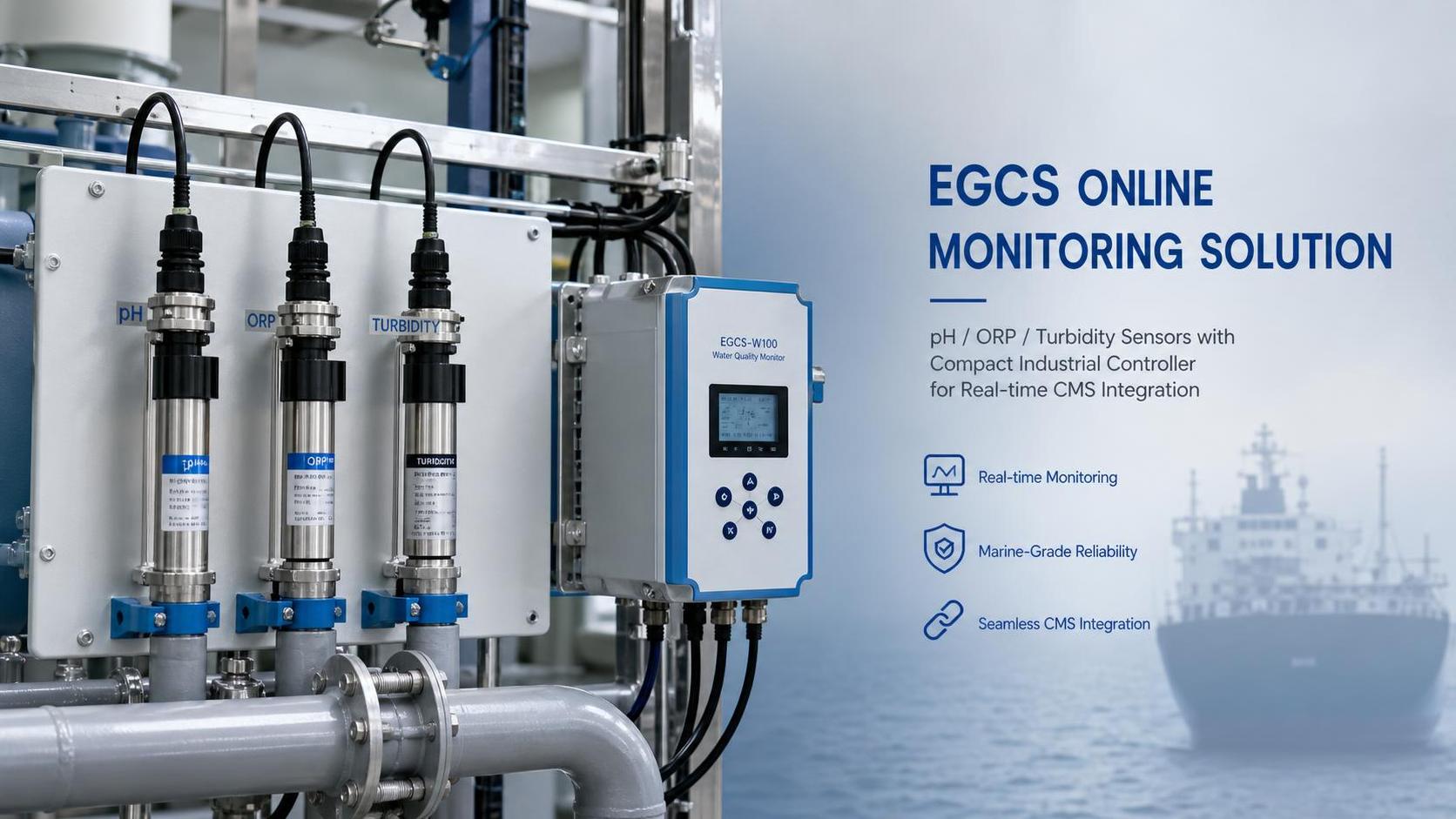
 IMO Updates EGCS Monitoring Guidance for 2026IMO updates EGCS monitoring guidance for 2026, highlighting pH, ORP and turbidity compliance, CMS connectivity, and ISO 17025 traceability for maritime buyers.
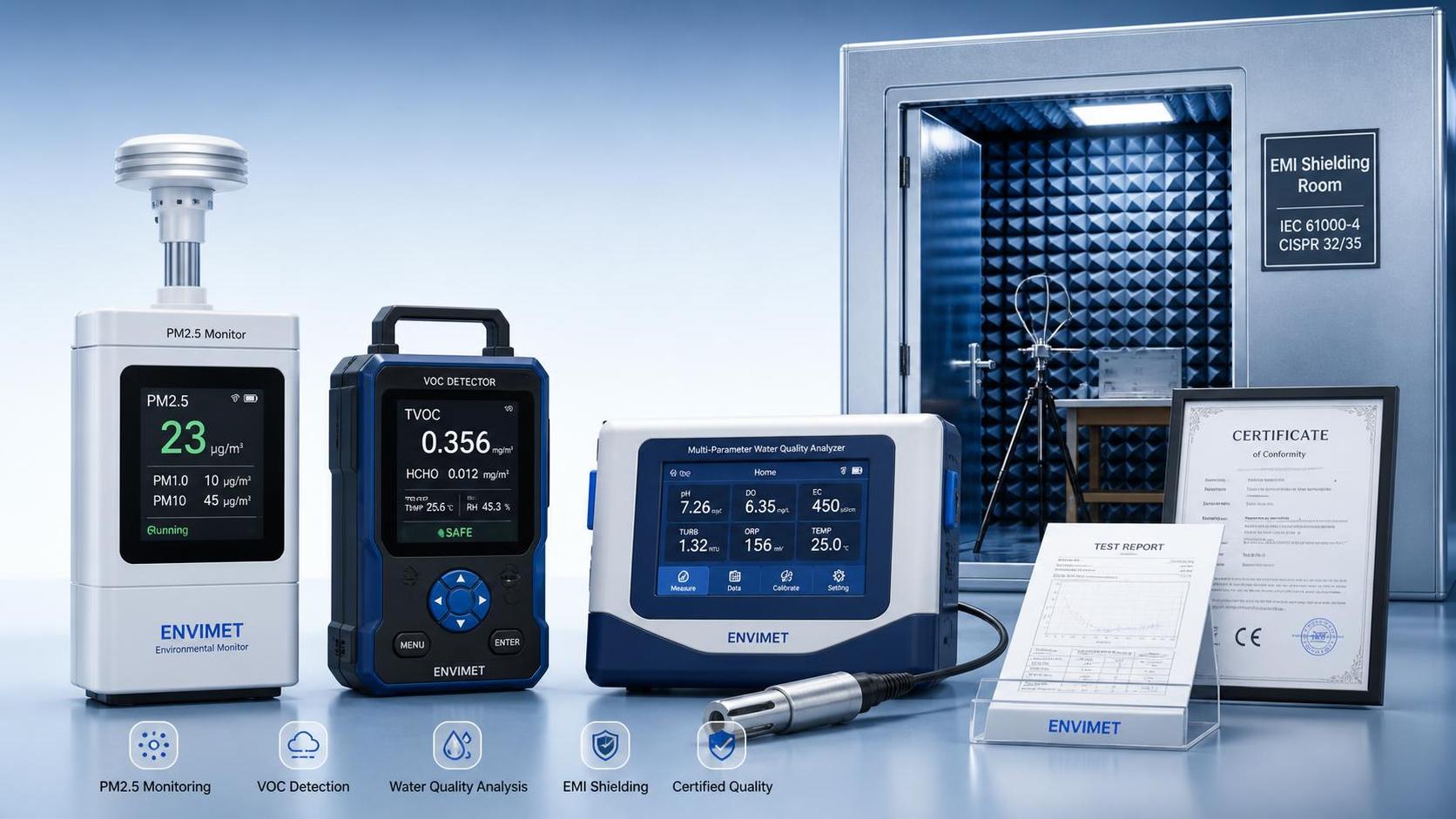
 Saudi SASO Rule Adds Arabic UI and EMI Test DutySaudi SASO rule update: Arabic UI and IEC 61326-2-3 EMI testing will become mandatory for environmental monitoring instruments from Nov 1, 2026. See key export and compliance impacts.


Chat Online