


On March 27, 2026, China’s Ministry of Commerce issued a final ruling on its trade barrier investigation into U.S. restrictions affecting Chinese green technology equipment. The ruling concerns added tariffs and technical licensing obstacles involving products such as photovoltaic testing instruments and carbon emissions analysis systems. For exporters, procurement teams, compliance staff, testing-related businesses, and cross-border supply chain participants, the development matters not only because it defines a trade barrier in formal terms, but also because it may shape how disputes, market access discussions, technical documentation review, and third-market trust in Chinese green instruments are handled going forward.
What the final ruling confirms
The confirmed facts are limited but important. According to Announcement No. 18 dated March 27, 2026, the Ministry of Commerce concluded in its final ruling that the U.S. practice of imposing additional tariffs on Chinese green technology equipment, including photovoltaic testing instruments and carbon emissions analysis systems, together with the setting of technical licensing obstacles, constitutes a trade barrier. The same summary also indicates that this conclusion provides a basis for exporting enterprises in relation to WTO dispute settlement and countermeasure consultations. In addition, it is stated that the ruling strengthens confidence in the compliance standing and technological neutrality of Chinese green instruments in third-party markets such as the EU and Southeast Asia.
Where the practical pressure points may shift
Export-side documentation and dispute positioning
From an industry perspective, exporters of green instruments and related equipment are among the most directly affected parties. The reason is not that market conditions have already changed automatically, but that the final ruling gives companies a clearer official basis when explaining trade obstacles in customer communication, trade remedy preparation, and external legal or compliance review. The business impact is most likely to appear in document preparation, contract risk assessment, shipment planning, and discussions around market entry conditions. What deserves closer attention is whether firms can organize product descriptions, technical files, licensing-related records, and transaction materials in a way that supports future compliance review or trade dispute use.
Testing, certification, and technical service links
Testing service providers, certification-related businesses, and technical support teams may also feel the effect indirectly. The event centers on tariffs and technical licensing obstacles, which means technical acceptability and proof of conformity may become more visible in trade conversations. Analysis shows that companies in these links should pay closer attention to the consistency of testing reports, technical statements, and product compliance files used across different markets. This is especially relevant where a buyer, regulator, or tendering party asks whether Chinese green instruments meet neutral and transparent technical criteria rather than country-specific barriers.
Procurement and tender review in third markets
Procurement entities, distributors, and project-side buyers in third-party markets may not face a formal rule change from this announcement alone, yet the ruling can still influence commercial review behavior. Observably, the stated reinforcement of trust in the compliance and technological neutrality of Chinese green instruments may matter in prequalification, supplier comparison, and tender document review. In practical terms, these parties may pay more attention to whether technical specifications, certifications, and bid materials are complete, consistent, and framed in internationally understandable language.
Supply chain coordination and delivery commitments
Supply chain service companies and delivery coordinators should also monitor the situation. The ruling itself does not provide new execution details on customs treatment, licensing procedure changes, or delivery timetables. However, where products are exposed to tariff pressure or technical licensing barriers, contract sequencing, customer communication, and after-sales planning can become more sensitive. It is more appropriate to understand this as a signal to strengthen traceability of compliance files and delivery records rather than as proof of immediate operational relief.
What companies should watch next in practice
Keep compliance files ready for external scrutiny
Analysis shows that exporters and manufacturers of affected equipment should review whether product compliance materials are complete and internally consistent. That includes technical descriptions, testing reports, quality records, and any documents used to explain product functions and applicable standards. The current information does not establish any new filing obligation, but it does increase the value of being able to demonstrate compliance and technical neutrality clearly when questioned by customers or counterparties.
Track official wording and any follow-up execution signals
What deserves closer attention is not only the final ruling itself, but also any later official expression that may clarify how the conclusion is used in dispute handling, negotiations, or related trade communication. Since no detailed execution pathway is provided in the input, companies should avoid assuming that a direct operational mechanism is already in place. Monitoring the evolution of official language remains necessary.
Review tender packs and technical submissions for third markets
For businesses targeting the EU, Southeast Asia, or other third-party destinations mentioned in the summary, a practical step is to check whether tender documents, supplier qualification files, product brochures, and technical submissions present the company’s compliance position in a clear and neutral way. The value here is less about marketing and more about reducing friction during qualification, procurement review, and technical clarification.
Strengthen records around delivery, service, and traceability
Observably, where trade barriers and licensing obstacles are part of the official finding, after-sales service teams and contract managers should also be involved. Firms may need orderly records covering shipment batches, customer-facing technical explanations, maintenance support, and product traceability. The announcement does not say these requirements have formally tightened, but stronger records can help if customer scrutiny or dispute-related review increases.
Why this looks more like an execution signal than a finished outcome
Analysis shows that this development is best read as a formal trade-policy signal with practical legal and commercial value, rather than as a fully completed market outcome. The confirmed part is the final determination that certain U.S. measures constitute a trade barrier, along with the stated relevance for WTO dispute settlement, countermeasure consultations, and third-market confidence. What remains open is how different market participants will apply that conclusion in actual procurement decisions, technical reviews, and future negotiations. For that reason, the industry still needs to watch policy detail, market interpretation, and business-side implementation carefully.
How the industry may reasonably read this development now
At this stage, it is more appropriate to understand the ruling as an officially confirmed basis for trade and compliance positioning in the green equipment sector. It does not, by itself, confirm immediate changes to every export path, certification process, or purchasing rule. Its significance lies in giving exporters and related service providers a clearer reference point in disputes, negotiations, and third-market communication. A measured reading is therefore more useful than treating it as an automatic shift in all trading conditions.
Basis of this article and points still requiring verification
This article is generated from the user-provided news title, event date, and event summary. For events of this type, relevant source categories usually include official announcements, releases from trade or regulatory authorities, customs or commerce department information, industry association materials, standards-related documents, and reporting by authoritative media. No specific official source link was provided in the input, so the exact official link remains to be verified on an ongoing basis. Further observation is still needed regarding any follow-up policy detail, certification interpretation, tender document changes, market feedback, and how companies implement related compliance and trade responses in practice.


 EU REACH Annex XVII Update Bars Imports of Instruments Using Nickel-Containing Seals from 2027EU REACH Annex XVII update will bar imports of instruments using nickel-containing seals from 2027. Learn how this affects pressure transmitters, control valves, analyzers, testing, and compliance planning.
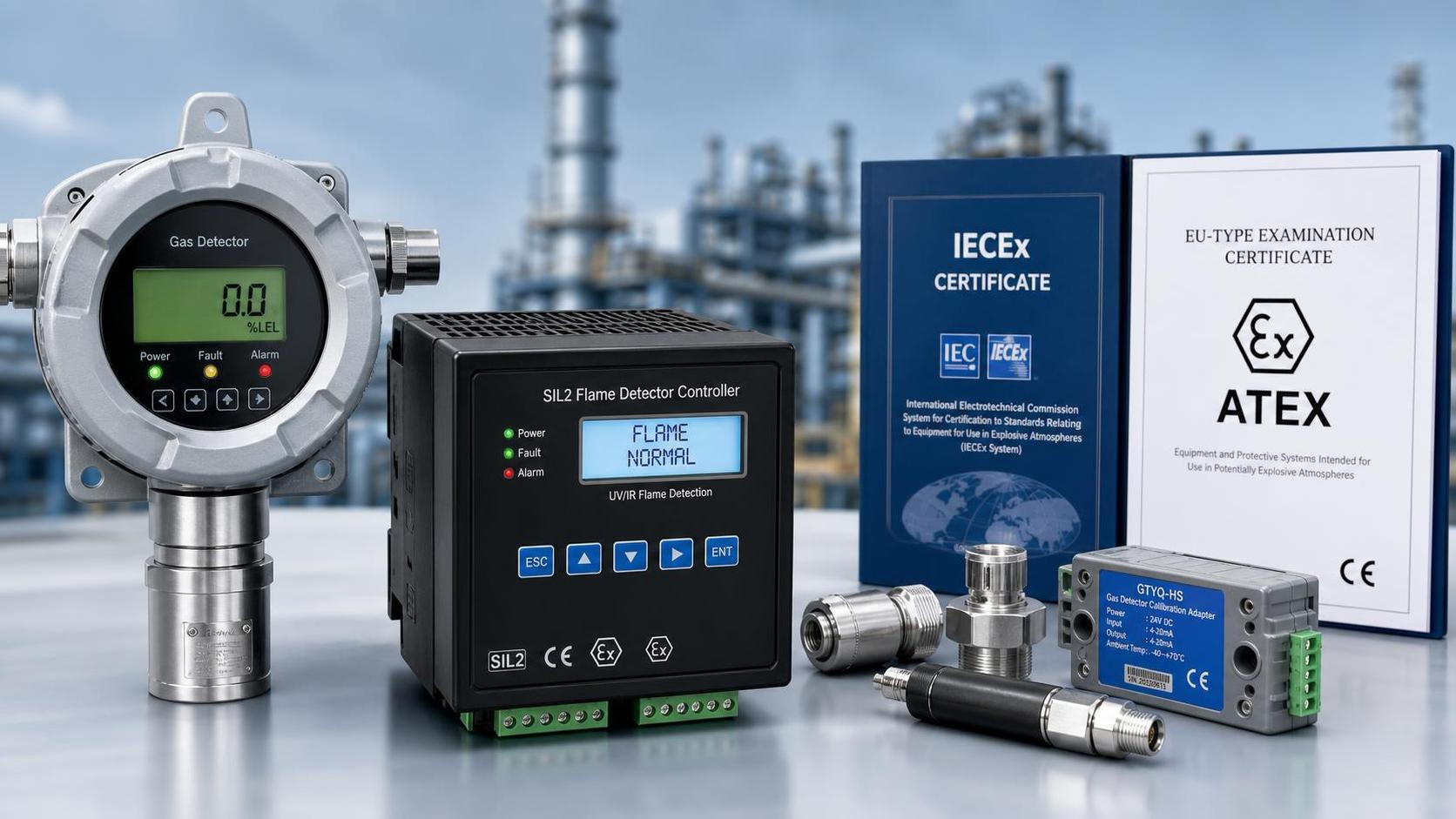
 MICONEX 2026 Signals Higher ATEX, IECEx ScrutinyMICONEX 2026 spotlights ATEX and IECEx scrutiny for gas detectors and SIL2 fire controllers, highlighting certification, calibration, and export-ready service needs.
 MICONEX 2026 Opens in Hefei as Chinese Safety Devices Draw Overseas BuyersMICONEX 2026 highlights Chinese industrial safety monitoring equipment as overseas buyers focus on IEC 61508 SIL2 intelligent gas detection systems for higher-end global projects.
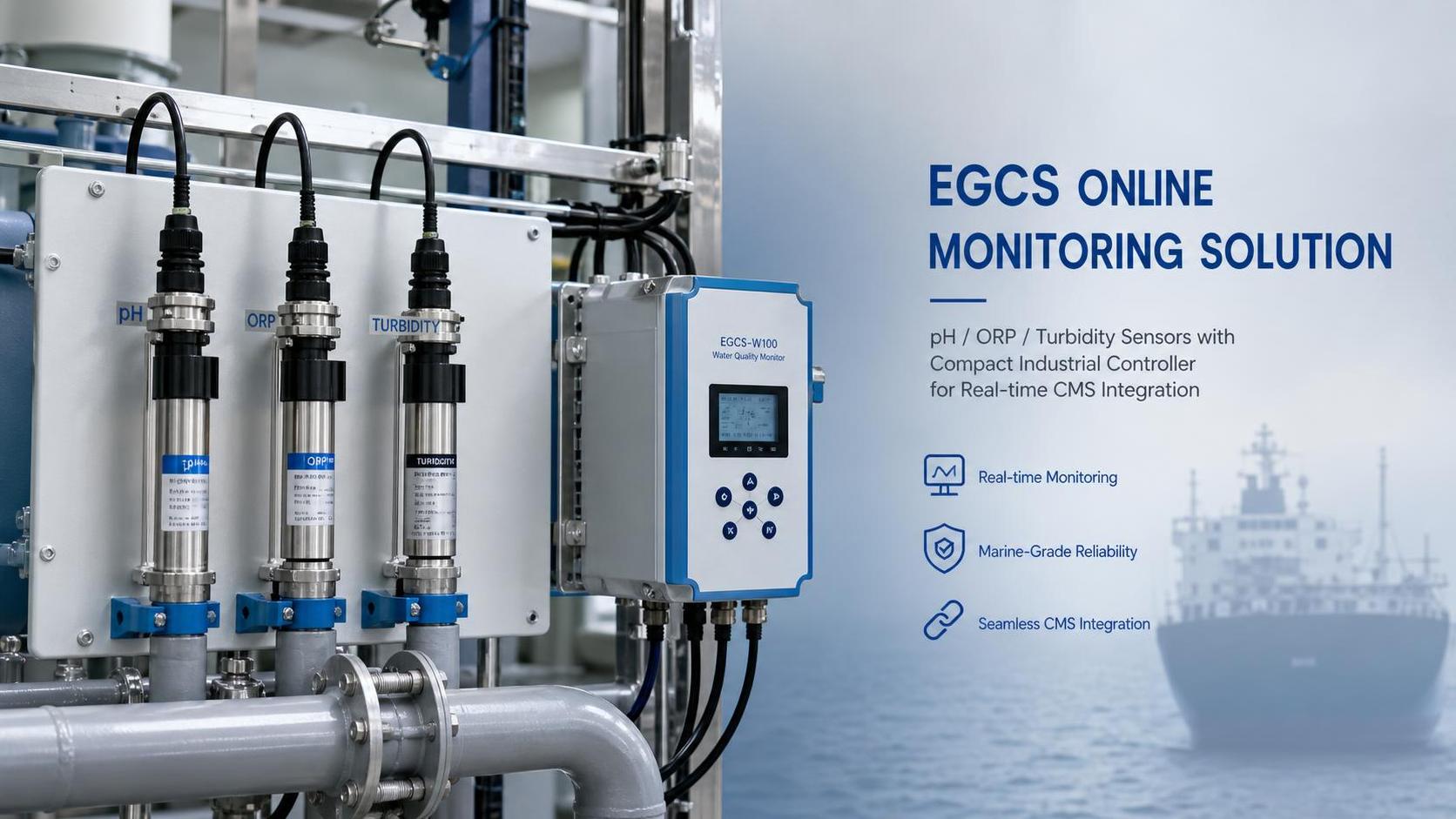
 IMO Updates EGCS Monitoring Guidance for 2026IMO updates EGCS monitoring guidance for 2026, highlighting pH, ORP and turbidity compliance, CMS connectivity, and ISO 17025 traceability for maritime buyers.
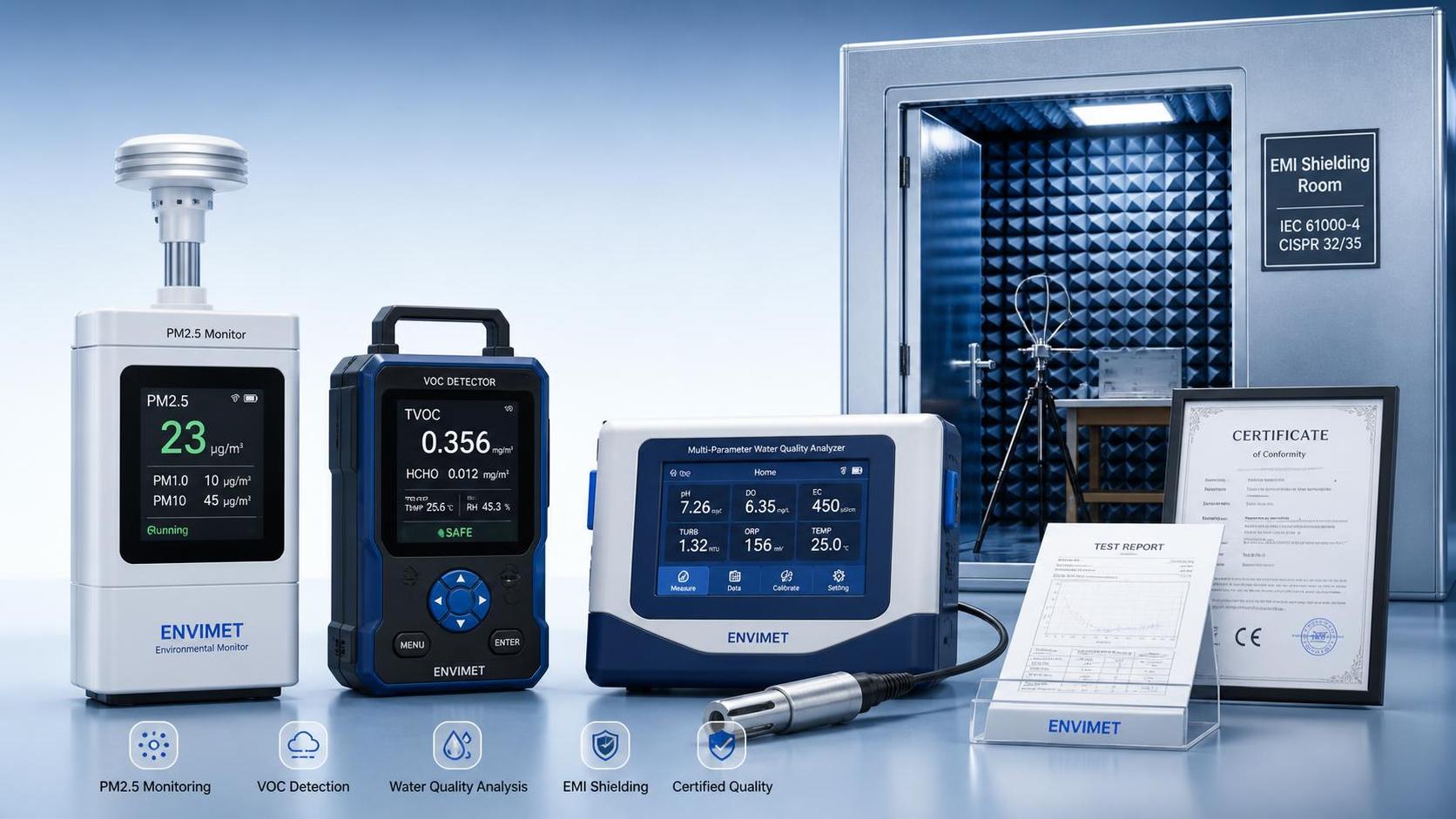
 Saudi SASO Rule Adds Arabic UI and EMI Test DutySaudi SASO rule update: Arabic UI and IEC 61326-2-3 EMI testing will become mandatory for environmental monitoring instruments from Nov 1, 2026. See key export and compliance impacts.
 SASO Tightens Cyber Rules for Monitoring ImportsSASO tightens cyber rules for monitoring imports in Saudi Arabia. Learn how IEC 62443-3-3 certification and SASO-recognized penetration testing will reshape environmental monitoring equipment access.



Chat Online